How to Carve Name in Wood: A Step-by-Step Guide
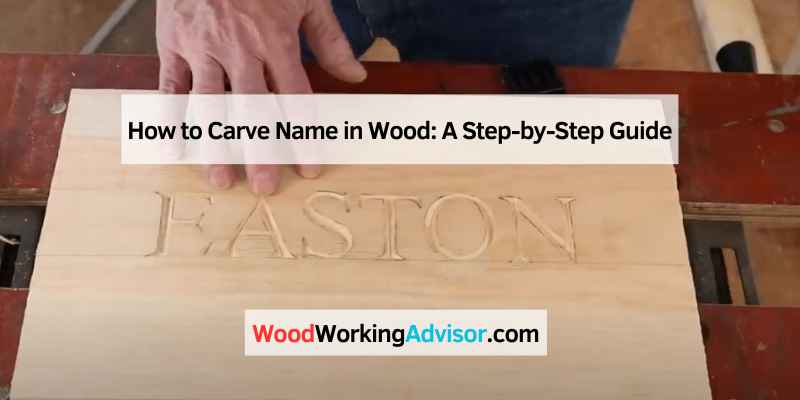
To carve a name in wood, use a sharp carving knife or chisel. Choose a softwood for easier carving and trace the name beforehand.
Carving a name in wood is a rewarding craft that allows for personal expression. Whether you’re creating a sign, gift, or decorative piece, this skill can enhance your woodworking projects. The process involves selecting the right tools, wood type, and design techniques.
Beginners can start with simple designs to build confidence and skill. This craft not only showcases creativity but also offers a lasting keepsake. With patience and practice, anyone can master the art of wood carving. Let’s explore the essential steps and tips to successfully carve a name in wood, ensuring a beautiful and personalized result.
Introduction To Wood Carving
Wood carving is a fun and creative activity. It allows artists to express their unique style. Personalization through carving makes each piece special. Carving names in wood adds a personal touch to gifts. It makes them memorable and meaningful.
The artistic appeal of wood carving is immense. Carved pieces can enhance home decor. They can also serve as great conversation starters. Each carved name tells a story about the person it represents. This art form connects the creator with the wood, making it unique.
Tools You’ll Need
Choosing the right knife is key for carving. A sharp knife makes clean cuts. Look for a flexible blade for detailed work. A straight blade is great for larger areas.
Sharpening tools keeps them effective. Use a whetstone for a fine edge. Regularly honing your knife helps maintain sharpness. Always test the blade on a scrap piece.
Safety is important while carving. Wear cut-resistant gloves to protect your hands. Safety goggles shield your eyes from wood chips. Keep your workspace tidy to prevent accidents.
Selecting The Perfect Wood
Choosing the right wood is essential for carving. Different types of wood have unique qualities. Here are some common types:
| Type of Wood | Characteristics |
|---|---|
| Basswood | Soft, easy to carve, and great for beginners. |
| Butternut | Lightweight, with a beautiful grain pattern. |
| Cherry | Harder wood, offers a rich color and smooth finish. |
| Walnut | Strong, dark wood with a fine grain. |
Understanding wood grain is also crucial. Grain affects how the wood carves. Straight grain is easier to work with. Curly or wavy grain can be challenging. Always check the wood grain before starting.
Designing Your Name Template
Start by sketching your name on paper. Use a pencil for easy changes. Make sure the letters are clear and bold. Choose a style that reflects your personality.
Once satisfied, transfer the design onto wood. Use carbon paper for accurate tracing. Carefully trace over the lines with a pencil. This helps keep your design neat.
Check the placement of your design on the wood. Ensure it is centered and straight. A good layout makes carving easier and more enjoyable.
Carving Techniques
Basic carving strokes are essential for beginners. Start with the straight cut. This technique creates clean lines and smooth edges.
Next, try the curved cut. It gives your design a more dynamic look. Use the stop cut to define areas and prevent tear-out.
Creating depth and texture adds interest to your work. Use shading to show light and shadow. This can be done with deeper cuts.
Try whittling for a soft texture. It involves removing small pieces of wood. V-tool strokes help create detailed designs.
Practice these techniques regularly. They improve your skills and make your carvings look professional.
The Carving Process
Start by sketching the name on the wood surface. Use a pencil for clear lines. Ensure the letters are large enough for carving.
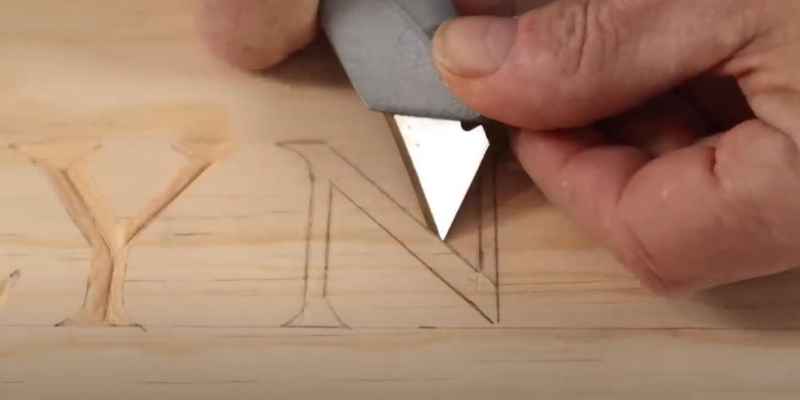
Next, use a carving tool to cut along the outlines. Follow the lines carefully for accuracy. Take your time to avoid mistakes.
Once the name is carved, focus on smoothing the edges. A sandpaper block helps to achieve a nice finish. Smooth out rough spots for a clean look.
Finishing Touches
To achieve a smooth finish, sanding is essential. Start with coarse sandpaper to remove rough spots. Gradually use finer sandpaper for a polished look. Sand in the direction of the wood grain for best results.
Staining adds color and highlights the wood’s natural beauty. Choose a stain that fits your style. Apply it evenly with a brush or cloth. Wipe off excess stain to avoid blotches.
Sealing protects the wood from damage. Use a clear sealant for a glossy finish. Apply multiple coats for extra protection. Allow each coat to dry completely before adding the next.
Caring For Your Carved Creation
Caring for your carved creation is essential for its longevity. Regularly dust the surface with a soft cloth. This helps keep the wood clean and beautiful.
For minor damage, follow these tips:
- Use wood glue for small cracks.
- Sand the area gently with fine-grit sandpaper.
- Apply a matching wood finish to restore the look.
Always let the repair dry completely before using the item again. Regular checks help spot issues early. Treat your carved pieces with love and they will last for years.
Project Ideas
Creating gifts and keepsakes with wood carving is a fun project. Personalized items hold special meaning. Consider making name plaques for friends or family. These can hang on walls or doors.
Wooden keychains also make great gifts. They are small and easy to carve. Try adding initials or short words. Another idea is to create coasters with names or dates. These can be used at home or given as gifts.
For expanding your carving skills, try different techniques. Practice shading and texturing to add depth. Experiment with various tools for unique designs. Join a local carving group for tips and support.
Frequently Asked Questions
How Can I Carve A Name In Wood?
To carve a name in wood, start by selecting a suitable piece of wood. Use a pencil to sketch the name. Then, choose the right carving tools, like chisels or a rotary tool. Take your time and carve slowly for better precision.
Finish with sanding and applying a protective finish.
What Tools Do I Need For Wood Carving?
Essential tools for wood carving include a carving knife, chisels, and a mallet. A rotary tool can also be helpful for detailed work. Additionally, a woodburning tool is great for adding designs. Ensure you have safety gear, such as goggles and gloves, to protect yourself while carving.
Is It Difficult To Carve Wood As A Beginner?
Carving wood can be challenging for beginners but is manageable with practice. Start with simple designs to build your skills. Take your time and don’t rush the process. Online tutorials and workshops can provide guidance. Gradually, you’ll improve and gain confidence in your carving abilities.
What Type Of Wood Is Best For Carving Names?
Softwoods like pine and basswood are ideal for beginners. They are easier to carve and less likely to splinter. Hardwoods, such as oak or cherry, offer durability but require more skill. Choose wood based on your experience level and desired finish for your carved name.
Conclusion
Carving a name in wood is a rewarding craft. It combines creativity and skill, allowing you to create personalized gifts or decor. With practice, your techniques will improve. Remember to choose the right tools and wood type for the best results.
Start your carving journey today and enjoy the process!