How to Clean Wood Furniture Without Removing Finish: Safely
Are you tired of your wood furniture looking dull and lifeless, but worried about stripping away its beautiful finish? You’re not alone.
Many people face the challenge of keeping their wood pieces pristine without causing any damage. Imagine having furniture that looks as stunning as the day you brought it home, with all its charm and elegance intact. With a few simple tips, you can easily achieve this.
Dive into this article to discover effective methods for cleaning your wood furniture, ensuring it remains as captivating as ever. Your furniture deserves the best care, and so do you. Let’s explore how you can maintain its beauty without any risk.

Credit: www.amazon.com
Types Of Wood Finishes
Wood furniture can have different finishes. Some finishes look shiny. Others look more matte. Varnishis a common finish. It gives a glossy look. Shellacis another finish. It dries fast and is easy to apply. Lacqueris durable. It resists water and scratches. Oilfinishes make wood look natural. They soak into the wood.
Finding out your furniture’s finish is important. Use a soft cloth to test. Rub a hidden spot gently. If the finish comes off, it might be shellac. If it stays, it might be varnish. Lacquer does not come off easily. Oil finishes feel smooth and natural. Knowing the finish helps in cleaning properly.
Essential Cleaning Tools
Use soft clothsfor wiping dust. They are gentle on wood. Microfiber clothswork best. Avoid using rough fabrics. They can scratch the surface. Brusheshelp reach tricky corners. Use them gently. Soft bristles are ideal. Don’t use hard bristles. They can damage the wood. Always keep these tools clean. Dirty tools can harm the finish.
Choose the right cleaning solutionscarefully. Water and mild soap work well. Mix a small amount of soap in water. Use this solution with a cloth. Avoid soaking the wood. Too much water can harm it. Some people use white vinegar. Mix vinegar with water. Test it on a small area first. Avoid strong chemicals. They can damage the wood’s finish. Regular cleaning keeps furniture looking nice.
Daily Maintenance Tips
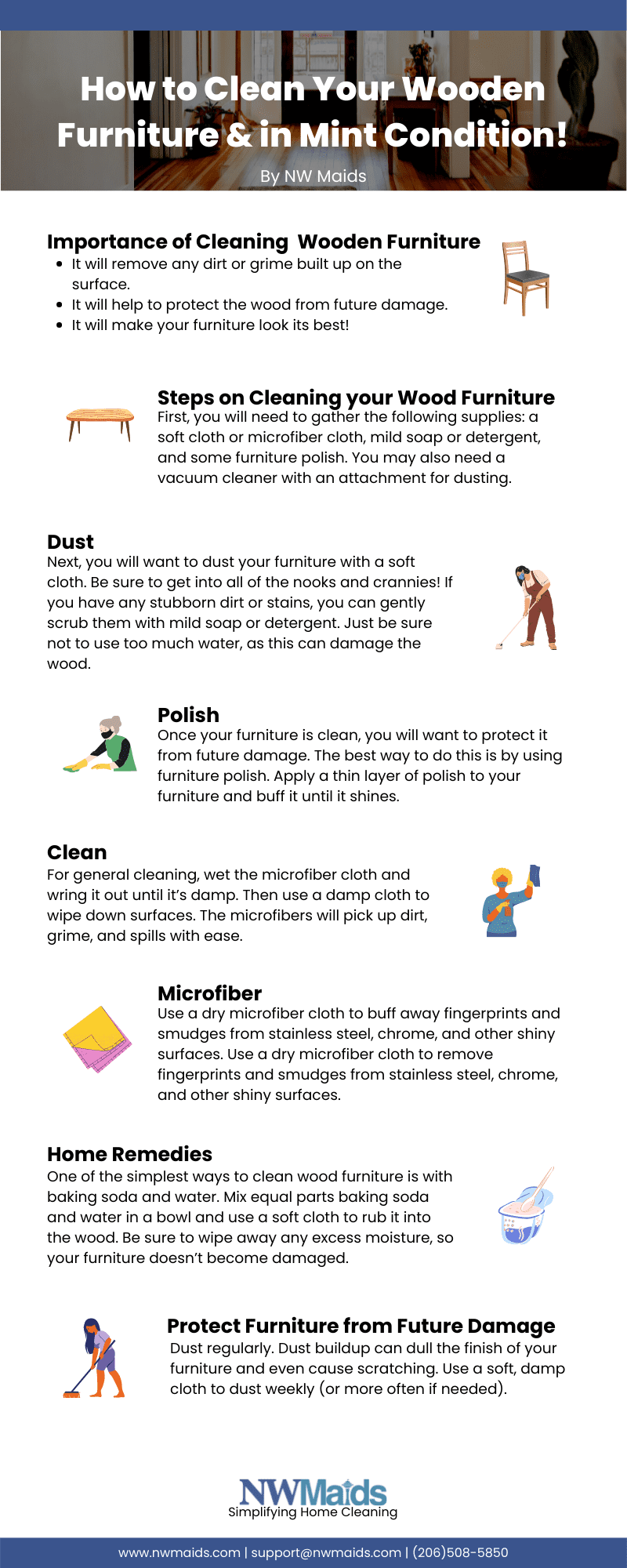
Gently dust wood furniture using a soft cloth. Mix mild soap with warm water for cleaning. Avoid soaking; lightly dampen the cloth. Dry immediately to protect the finish. Regular care keeps surfaces gleaming without damage.
Dusting Techniques
Use a soft, dry clothto dust wood furniture. This helps keep the finish safe. Avoid using wet cloths. They might harm the wood. Dust often to keep furniture looking new. Try feather dusters for small spaces. Keep dust from building up. Dusting is quick and easy. It takes just a few minutes.
Avoiding Scratches
Place felt padsunder items on furniture. This helps prevent scratches. Be careful when moving objects. Lift, don’t drag them. Avoid sharp objects near wood. They can scratch the finish. Teach kids to be careful too. Use tablecloths for extra protection. Clean spills right away. This prevents damage to the finish.
:max_bytes(150000):strip_icc()/GettyImages-1276587387-22cb1ff5c7eb49cfa9227eae45d3542c.jpg)
Credit: www.southernliving.com
Deep Cleaning Methods
Use a mild detergentto clean wood furniture. Mix a few drops with warm water. Dip a soft cloth in the solution. Gently wipe the surface. Avoid soaking the wood. Dry with another soft cloth. This keeps the finish safe. Removes dirt without harm.
Create a homemade solutionusing vinegar. Mix equal parts of vinegar and water. Dab a cloth in this mix. Wipe the furniture gently. Vinegar helps in cleaning. Leaves wood shiny and fresh. Ensure the cloth is only damp. Too much liquid can damage.
Polishing And Protecting
Preserve the beauty of wood furniture by using gentle cleaning methods that safeguard the finish. Apply a soft cloth with mild soap solution for effective cleaning. Regular dusting and occasional polishing maintain the shine without stripping the protective layer.
Choosing The Right Polish
Pick a polish made for wood furniture. It keeps the finish safe. Avoid polishes with strong chemicals. They can hurt the wood. Read labels carefully. Look for words like “gentle” and “natural.” A soft cloth works well for applying polish. Rub gently in a circle. This helps to shine and protect the surface.
Protective Measures For Longevity
Always use coastersunder cups and glasses. This stops water rings. Sunlight can fade the wood. Place furniture away from windows. Dust often with a soft cloth. Dust can scratch the finish. Use tablecloths for protection during meals. Keep the furniture away from heaters. Heat can dry out the wood. These steps help your furniture last long.
Handling Stains And Spills
Act fast when something spills. Use a soft cloth to blot it. Do not rub. Rubbing can harm the wood finish. Warm water helps remove sticky spills. Avoid soap as it might ruin the finish. Dry the spot with a clean cloth. Pat dry to avoid leaving water marks. This keeps your wood furniture safe and clean.
Sometimes stains are hard to clean. Use baking soda mixed with water to make a paste. Gently rub the paste on the stain. Let it sit for a few minutes. Wipe it off with a damp cloth. Vinegar and water can also help. Mix equal parts and apply it to the stain. Always test on a small area first. Make sure no damage happens to your furniture.
Environmental Considerations
Caring for wood furniture involves using gentle cleaning methods. Use a soft cloth and mild soap. Avoid harsh chemicals to protect the finish. Regular dusting and occasional polishing help maintain its beauty.
Humidity And Temperature Control
Wood furniture needs care. Humidity can make wood swell. Too much dry air can crack it. Keep rooms at a steady level. Temperature changes are bad too. Avoid placing furniture near heaters. Also, keep it away from air conditioners. A stable environment helps your furniture stay strong.
Sunlight Exposure Prevention
Sunlight can fade your wood furniture. Direct sunlight can change its color. Make sure your furniture is not near windows. Curtains and blinds help block sunlight. Consider using UV-filtering films. They reduce sun exposure. Protect your furniture from harsh light.
Common Mistakes To Avoid
Many people use strong chemicalson wood furniture. This is not good. These chemicals can damage the finish. They can make wood look dull. Always choose a gentle cleaner. A cleaner that is safe for wood. Read labels before using any product.
Too much polish is not good. It can create a sticky layeron wood. Dust sticks to this layer. This makes furniture look dirty. Use a small amount of polish. Polish only a few times a year. This keeps wood looking nice and clean.
Expert Tips And Tricks
Professional Cleaning Advice:Dust often with a soft cloth. This keeps wood shiny. Use a gentle cleaner. Mix warm water with mild dish soap. Dampen a cloth, wring it out well. Wipe the surface gently. Always dry with another soft cloth. This stops water spots. For deeper cleaning, use a wood-safe cleaner. Spray lightly. Wipe with a clean cloth. Never use too much water. This can harm the wood finish. Polish with a touch of lemon oil. This adds shine and protection.
DIY Hacks for Wood Care:Make your own cleaner. Mix vinegar and water equally. Add a drop of olive oil. Shake well. Spray on a cloth, not the wood. Wipe gently. Vinegar cleans, oil polishes. For sticky spots, use baking soda. Sprinkle a little on a damp cloth. Rub gently, then wipe clean. Always test on a small area first. Ensure it’s safe for your furniture. Keep wood out of direct sunlight. This stops fading and damage.
Frequently Asked Questions
Can I Use Dawn Soap To Clean Wood Furniture?
Yes, you can use Dawn soap to clean wood furniture. Mix a few drops with water. Gently wipe using a soft cloth. Test on a small area first to ensure no damage. Always dry the surface thoroughly to prevent moisture damage.
What Should You Not Clean Wood With?
Avoid using bleach, ammonia, or abrasive cleaners on wood surfaces. These can damage the finish and cause discoloration. Instead, opt for gentle cleaners specifically designed for wood. Harsh chemicals strip natural oils and dull the wood’s appearance, leading to long-term damage.
How Do You Remove Years Of Dirt And Grime From Wood Furniture?
Clean wood furniture by mixing equal parts vinegar and water. Wipe gently with a soft cloth. Dry thoroughly. Use a wood polish for shine. Avoid harsh chemicals to prevent damage. Regular maintenance keeps wood furniture looking new.
What Does Vinegar Do To Wood Furniture?
Vinegar cleans wood furniture by removing dirt, grime, and stains. It acts as a natural disinfectant. Mix with water to prevent damage. Avoid using on waxed or unfinished surfaces to prevent dulling.
Conclusion
Cleaning wood furniture without harming the finish is simple. Use gentle products and soft cloths. Avoid harsh chemicals. Test cleaners on hidden spots first. This ensures no damage occurs. Regular dusting keeps surfaces bright. Natural solutions work best for delicate finishes.
Follow these steps for beautiful, lasting furniture. Protect your investment with care. Your furniture will thank you. Enjoy your clean, shiny wood pieces every day. A little effort goes a long way. Keep your home inviting and elegant. Happy cleaning!