Will Bondo Dry Without Hardener? What Happens on Wood
No. Bondo will not cure properly without its hardener. Every Bondo filler is a two-part polyester system: the paste in the can is only half of it, and the cream hardener in the small tube is what starts the cure. Skip the hardener and you are left with a sticky paste that will not sand, paint or hold. This guide focuses on the wood side of Bondo (the Bondo Wood Filler for doors, trim and rotted spots), and it also corrects the mix ratio that many pages, including an earlier version of this one, get wrong.
Short Answer: Bondo Needs Its Hardener
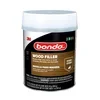
The 3M technical data sheet for Bondo Wood Filler describes it as a two-part wood filler and lists the hardener as a blue cream included in the kit. Older cans shipped with a red cream hardener, and the older 3M directions describe mixing to a uniform light red color. Either way, the tube that came with the can is the hardener made for that filler, and 3M’s instructions say to mix on a clean, non-porous surface and never to add hardener directly into the filler container.
That last point matters. If you squirt hardener into the can, the whole can is at risk of curing, and you will lose what is left of the product. The correct method is to scoop out a small amount, mix it with a matching strip of hardener on a scrap of plastic or metal, and use it within a few minutes.
The Mix Ratio Most Guides Get Wrong
A common line on the internet, and on this page until now, says to mix Bondo at two parts filler to one part hardener. That is far too much hardener. The numbers on the 3M paperwork are small:
| Detail | Bondo Wood Filler | Bondo Body Filler (auto) |
|---|---|---|
| Hardener | Cream hardener included (blue on the current data sheet, red on older cans) | Cream hardener included |
| How much hardener | 3 inch strip of hardener per 3 inch wide puddle of filler | 2:100 by weight; about a 1 1/4 inch strip for a golf-ball size amount |
| Working time after mixing | 3 to 4 minutes | 3 to 4 minutes (pot life) |
| Ready to sand | About 20 minutes (15 to 30 minutes on the data sheet) | 20 minutes |
| Best application temperature | 45 F (7 C) or above | 45 F (7 C) or above |
| Thickest single layer | Build in thin layers | Not more than 1/4 inch per layer |
| Waterproof | No (listed as not waterproof) | Water absorption under 0.3% once cured |
Two things stand out. First, the body filler ratio is about 2 percent hardener by weight, not 33 percent. Second, both products are measured by the length of the hardener bead, not by eye. The 3M bulletin for the body filler also states that drying time depends on temperature and on the amount of hardener used, which is why the bead length is treated as a spec rather than a suggestion. The 2:100 figure applies to Original Bondo body filler; the wood filler directions use the bead-to-puddle method instead.
What Happens If You Leave the Hardener Out
Nothing in the 3M documents says the filler will eventually harden by itself, and the directions are built around mixing the two parts. In practice, treat unhardened filler as a failed batch. The repair will stay tacky, it will smear under sandpaper and clog it, and paint will not sit on it.
- Scrape it out. Remove the soft filler with a putty knife while it is still uncured, then wipe the area. The directions list acetone or lacquer thinner for cleaning tools, so use one of those on your spreader, not on your skin.
- Do not stir hardener into the smear. Once the filler is on the wood, you cannot mix in hardener evenly, and any pocket without it stays soft.
- Re-prep the surface. Sand back to clean wood with 80 grit, remove the dust and start again with a properly mixed small batch.
Using Bondo on Wood: Step by Step
The steps below follow the 3M directions for Bondo Wood Filler. Original auto body Bondo lists wood among the surfaces it bonds to, but the wood filler is the version made for this job.
- Clean. Wash the area with warm soapy water to remove dirt, wax, oil and grease, then let it dry.
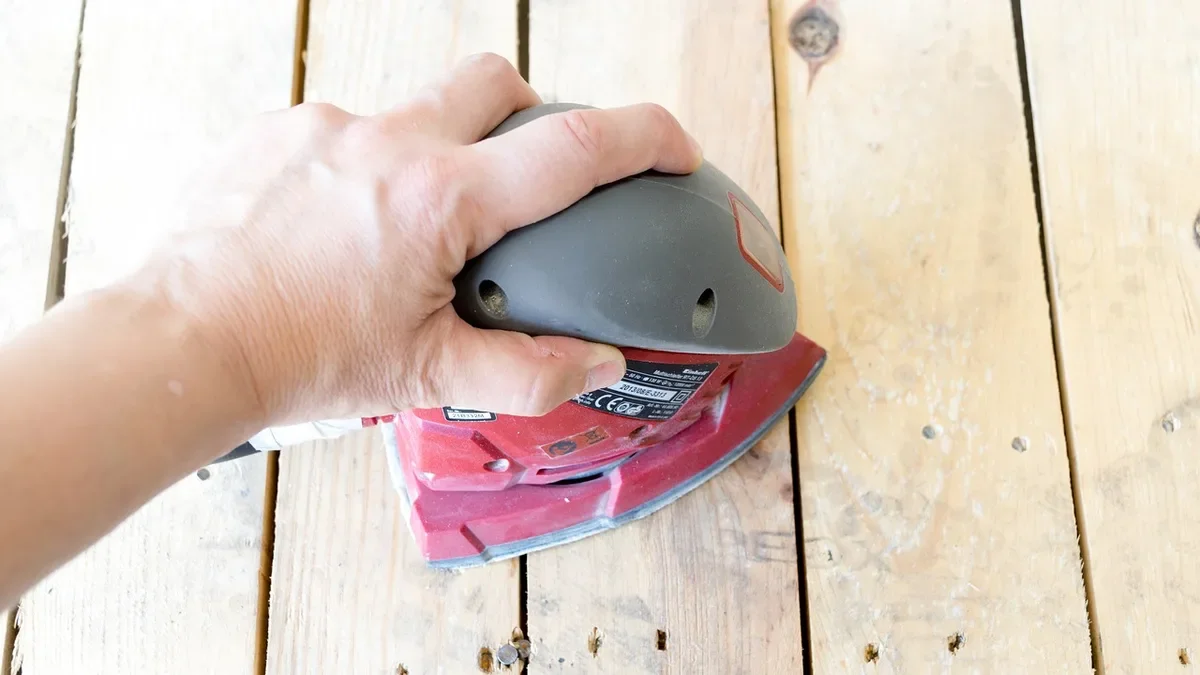
- Sand. Use 80 grit to remove paint, coatings and loose or rotted wood, extending one to two inches past the damage. Brush off the dust. If the wood is rotted, 3M suggests treating it first with its Rotted Wood Restorer to harden what remains.
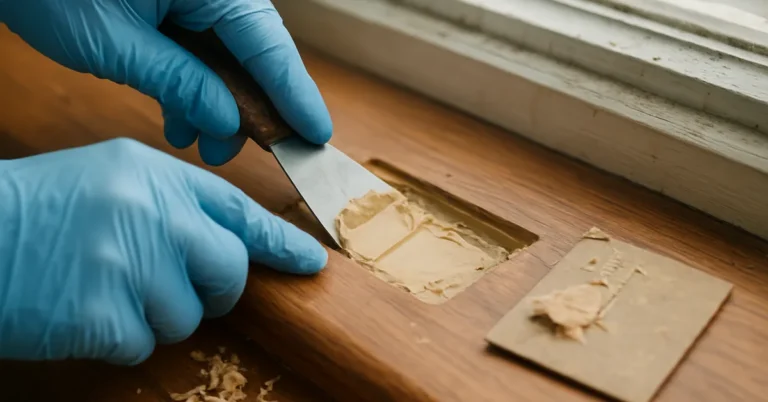
- Measure. Knead the hardener tube, then lay a 3 inch strip across a 3 inch wide puddle of filler on a clean, non-porous surface. That is the largest amount 3M recommends mixing at one time.
- Mix fast. Blend to a uniform color; the older directions say about 2 minutes. Keeping the mix spread thin slows the cure a little and gives you slightly more working time.
- Apply. Press an initial thin layer into the repair with firm pressure for adhesion, then add more layers as needed. Allow about 20 minutes to cure (longer in a cool room).
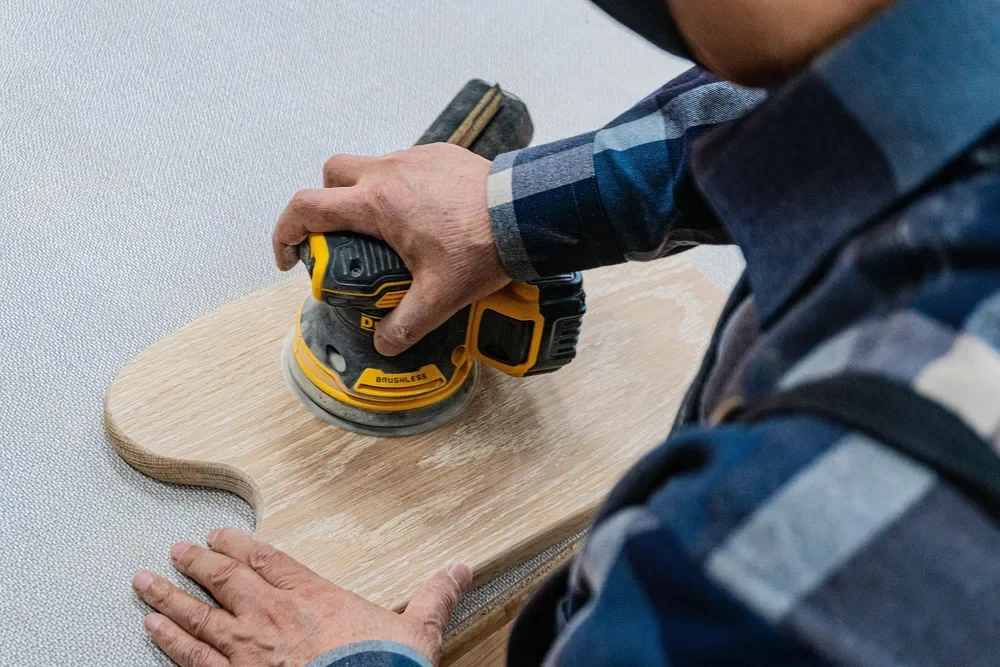
- Sand and finish. Shape with 80 grit, feather the edge with 180 grit, then prime, paint or stain.
Cold Weather and Cure Time
Temperature is the other reason a batch fails to harden on schedule. The 3M wood filler directions say the filler needs about 10 minutes to dry, or 20 to 30 minutes when the room is cooler than 77 F (25 C). The body filler bulletin recommends applying at 45 F or above and notes that below 60 F the cure can run 5 to 10 minutes longer. If a repair still feels soft in a cold garage, that is more likely slow cure than missing hardener, but if it has stayed tacky for hours in a warm room, the mix was wrong and it should be redone.
Finishing, Staining and Moisture
Bondo Wood Filler is paintable and, according to the data sheet, stainable, but 3M warns that it absorbs stain differently than real wood, so test on a hidden spot first. The same data sheet lists it as not waterproof, so on exterior repairs such as sills and door bottoms, prime and paint the patch. For related choices, see our guides to water putty vs Bondo, exterior paintable wood fillers and how to repair rotten wood.
Safety: This Is a Styrene Product
Bondo is not a craft putty. The 3M safety data sheet for Bondo Wood Filler, as republished on SDS Manager, lists styrene at roughly 10 to 30 percent of the filler, carries the signal word Danger, and includes the statements flammable liquid and vapor, may cause cancer, may cause drowsiness or dizziness, and causes eye irritation. It also advises storing the product cool and in a well-ventilated place. The 3M technical data sheet says to use it only with adequate ventilation and to wear eye, skin, respiratory and hand protection.
- Work outdoors or with open windows and a fan moving air away from you.
- Wear gloves and eye protection, plus respiratory protection appropriate for vapors and sanding dust.
- Keep the can away from heat, flames and sparks.
- Read the full safety data sheet supplied with the kit before you start.
If you want to skip styrene fillers entirely for a small nail hole or dent, a ready-mixed wood filler is simpler. See how to fill holes in wood.
Frequently Asked Questions
Will Bondo cure without hardener?
No. Bondo is a two-part system, and the cream hardener is what starts the cure. Without it the filler stays soft and tacky, so scrape it off, re-sand the area and remix a fresh batch with the correct strip of hardener.
How much hardener do you put in Bondo?
Use the bead length on the label. For Bondo Wood Filler, 3M says to lay a 3 inch strip of hardener across a 3 inch wide puddle of filler. For Original Bondo body filler the correct ratio is 2:100 by weight, about a 1 1/4 inch strip for a golf-ball size amount.
How long does Bondo take to dry?
After mixing, you have about 3 to 4 minutes of working time. Bondo Wood Filler is ready to sand in about 20 minutes, and up to 20 to 30 minutes in a room cooler than 77 F. Body filler is also ready to sand in about 20 minutes and can be painted after an hour.
Can you use Bondo on wood?
Yes. Bondo Wood Filler is made for wood repairs such as doors, trim, sills, siding and furniture, and 3M lists wood among the surfaces that Original Bondo body filler adheres to. Sand to bare wood first, apply in thin layers, and prime or paint the repair because the wood filler is listed as not waterproof.
Bottom Line
Bondo does not cure without its hardener, and the hardener is a thin bead, not half the mix. Measure by the strip, mix small, work fast and sand after about 20 minutes. For wood, choose the Bondo Wood Filler, ventilate well, and treat the styrene warning seriously.
Sponsored / affiliate links. As an Amazon Associate I earn from qualifying purchases. I may earn additional commission from eligible campaigns.