How to Dry Wood Logs Without Cracking (End-Sealer & Timing Guide)
Wood logs crack because the ends lose moisture faster than the core, but sealing the end grain with wax and air-drying slowly in shade can cut checking by up to 90%. Skip the sealer and cracks can run deep enough to ruin a turning blank or slab within weeks. This guide covers why cracking happens, realistic drying times by species, and the exact steps for sealing, stacking, and monitoring moisture down to a safe 20%.
Insert your Affiliate Disclosure reusable block here
What You Need to Dry Logs Without Cracking
Best Log End-Sealer Pick
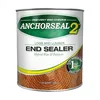
Anchorseal 2 Log & Lumber End Sealer, 1 Quart – $28.45
This is the wax emulsion this guide recommends brushing on cut ends within hours of felling — it is rated to stop up to 90% of the end-checking covered in the cracking section above.
- Best for: sealing fresh-cut log and slab ends before air drying
- Why we picked it: matches the wax-sealer step in this guide’s drying process
- Main drawback: needs reapplication if the seal cracks or peels during long dries
Compare more log-drying options
 Option 1 Anchorseal 2, 1 Gallon – $49.98
|
 Option 2 Anchorseal Classic, 1 Quart – $33.95
|
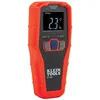 Option 3 Klein Tools ET140 Moisture Meter – $49.97
|
As an Amazon Associate we earn from qualifying purchases.
- Wax-based end-grain sealer (Anchorseal or similar) — applied to cut ends within hours of felling
- Pinless moisture meter — to track when logs reach a safe storage or burning moisture level
- Wood stickers or spacers — 3/4″ to 1″ strips to stack logs off the ground with airflow between them
- Breathable tarp or roof cover — for the top of the stack only, never wrapped around the sides
- Drawknife or bark spud (optional) — for debarking logs that will be milled or turned
Why Wood Logs Crack When They Dry
Checking is a wood-drying defect that happens when the outer layers of a log lose moisture and shrink faster than the still-wet core. The surface tries to contract while the interior resists, and the wood splits along its rays — almost always starting at the end grain, where moisture escapes fastest. Freshly cut logs hold roughly 30-50% moisture by weight; drying them too quickly, or too unevenly, is what turns that shrinkage into a visible crack.
Choosing the Right Wood for Drying
Species matters as much as method. Dense hardwoods hold more water and shrink more unevenly across the grain, so they crack more easily than softwoods of the same diameter.
| Species | Typical Air-Dry Time | Cracking Risk |
|---|---|---|
| Pine (softwood) | 2-4 months | Low-Medium |
| Cedar (softwood) | 3-6 months | Low |
| Maple (hardwood) | 6-9 months | Medium |
| Oak (hardwood) | 9-12+ months | High |
| Walnut (hardwood) | 8-12 months | High |
These are rough field ranges, not lab figures — actual time still depends on log diameter, climate, and how well the ends are sealed. Oak and walnut are worth sealing every time; pine and cedar can sometimes get by without it for shorter dries.
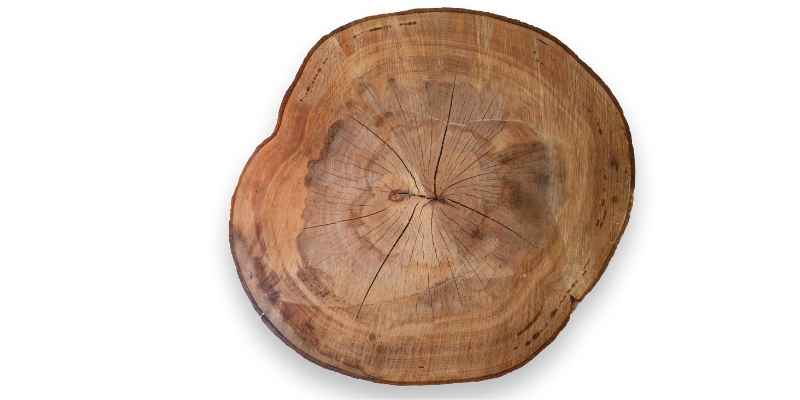
How to Dry Wood Logs Without Cracking, Step by Step
- Cut to length and debark if needed: Buck the log to its rough final length before drying, leaving a few inches of extra length per cut to allow for end checks you’ll trim off later. Remove the bark if the log will be milled or turned — bark traps moisture against the wood and slows even drying.
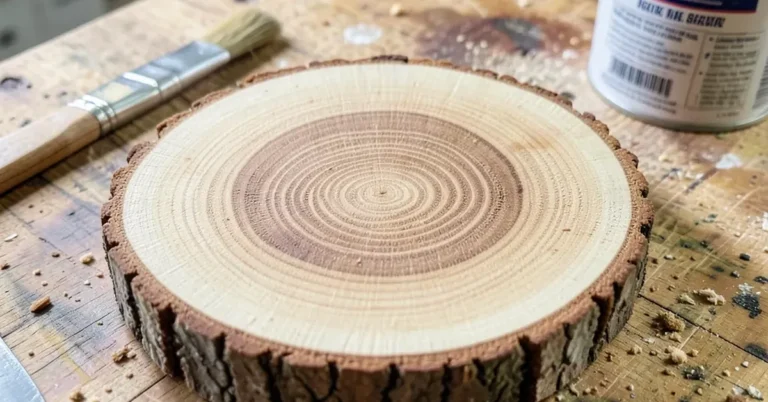
- Seal the end grain within hours: Brush a wax-based end sealer like Anchorseal onto every cut end as soon as possible after felling — end grain loses moisture 10-15 times faster than the side grain, so a same-day seal is what actually prevents most checking.
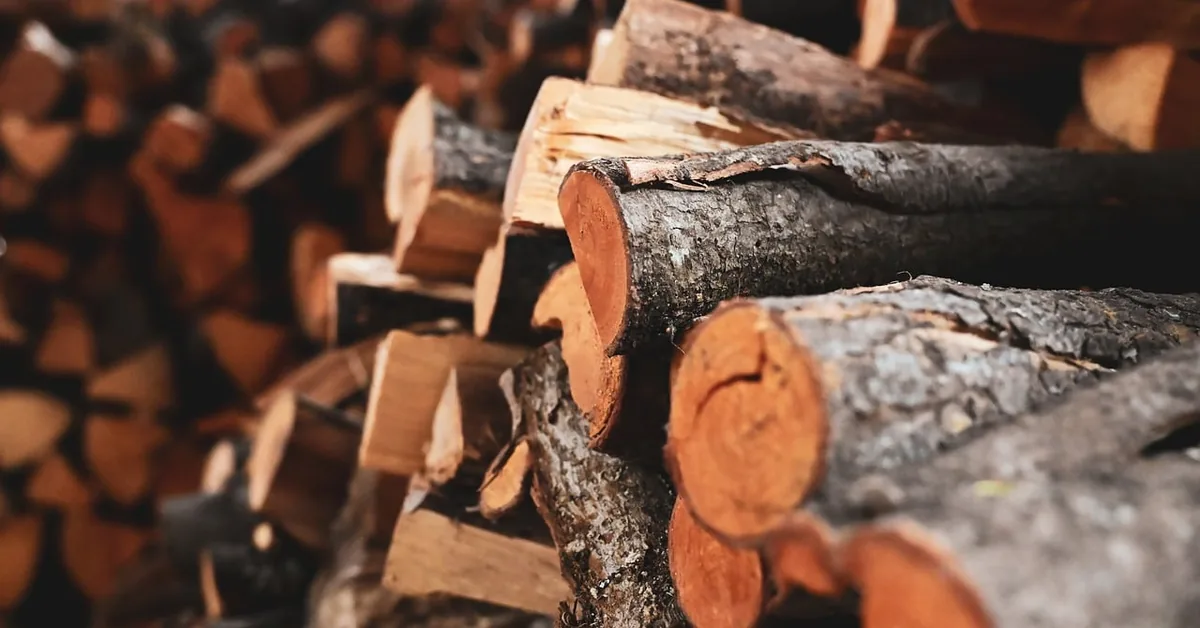
- Stack off the ground with spacers: Place logs on a base of pallets or blocks, then use 3/4-inch to 1-inch stickers between layers so air can move on every side. Logs stacked directly on soil or piled tight against each other dry unevenly and crack more.
- Cover the top only: Lay a breathable tarp or roofing panel over the top of the stack to block rain and direct sun, but leave the sides open. Wrapping the whole stack traps humidity and encourages mold instead of even drying.
- Rotate and monitor moisture: Check logs with a moisture meter every few weeks. Rotate outer logs toward the center of the stack occasionally so all of them see similar airflow, and track progress toward your target moisture — 20% or lower for firewood, 6-8% for indoor furniture-grade wood.
Controlling Temperature and Humidity While Drying
Aim for a drying spot between 70°F and 90°F with humidity around 30-50%. That range dries logs at a pace slow enough to let internal moisture equalize with the surface, which is what keeps stress-cracking to a minimum. A shaded, breezy carport or open shed works better than direct sun, which dries the outer inch far faster than the core.
📊 Air-drying lumber generally follows a rough rule of about one year per inch of thickness for hardwoods in a temperate climate — Source: MU Extension, Air-Drying Hardwood Lumber (G5550)
Preventing Cracks During Drying
Sealing the end grain is the single highest-leverage step — it directly slows the moisture loss that causes checking. Beyond sealing: keep drying slow and shaded, maintain steady airflow instead of a stiff wind on one side of the stack, and avoid moving logs from a cold shed into a warm, dry room too quickly, which is a common way an otherwise well-dried log develops a late crack.
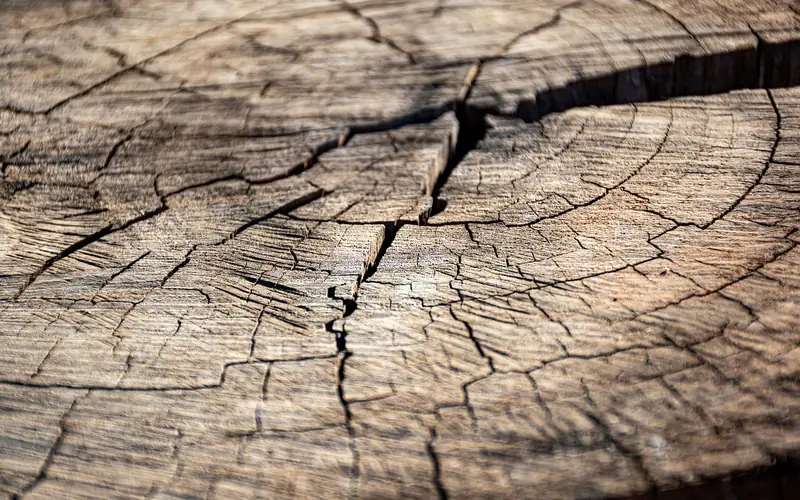
“ANCHORSEAL 2 is a hybrid wax emulsion end sealer designed to prevent up to 90% of end-checking in freshly sawn logs and lumber by controlling the rate of moisture loss from the end grain.”
After Drying: Storage and Usage
Once a log reaches its target moisture, keep it stored the same way it dried: off the ground, under cover, with airflow around it. For firewood, aim to burn within a year or two once it is seasoned — wood left stacked outdoors for several years can start to rot from the inside even after it dried properly. If you are estimating how much wood you will need for a season, a firewood usage calculator is faster than guessing by eye.
Common Mistakes That Cause Logs to Crack
- Skipping the end seal: the single biggest cause of avoidable checking — seal within hours of cutting, not days.
- Drying in direct sun: the outer inch dries much faster than the core, which is exactly the imbalance that causes checks.
- Wrapping logs completely in plastic: this traps humidity against the wood and encourages rot and mold instead of even drying.
- Stacking straight on the ground: soil moisture wicks back into the bottom logs unevenly and slows their drying relative to the rest of the stack.
- Rushing a warm, low-humidity room after air-drying: a sudden humidity drop can crack a log that survived months of slow outdoor drying.
If a log does crack despite these precautions, it is not necessarily ruined — see our guide on how to repair split wood for filling and stabilizing existing cracks before milling or turning.
Frequently Asked Questions
How can I prevent wood logs from cracking?
Seal both cut ends with a wax-based end-grain sealer within hours of cutting, then dry the logs slowly in a shaded, well-ventilated spot. Sealing alone can cut checking by up to 90%, and slow, even drying keeps the rest of the log’s shrinkage under control.
What is the best way to dry wood logs?
Air drying is the most practical method for most log owners — it is free, needs no equipment beyond stickers and a sealer, and works well as long as the logs are stacked off the ground with airflow. Kiln drying is faster and more controlled but requires specialized equipment most home woodworkers do not have.
How long does it take to dry wood logs?
Drying time depends heavily on species and diameter. Softwoods like pine can season in 2-4 months, while dense hardwoods like oak often need 9-12 months or more. A widely used field rule is roughly one year per inch of thickness for hardwoods.
Should I cover wood logs while drying?
Yes, but cover only the top of the stack, not the sides. A breathable tarp or roof panel over the top blocks rain and direct sun while leaving the sides open for airflow — fully wrapping the stack traps humidity and promotes mold instead of even drying.
Does removing the bark help stop a log from cracking?
Yes, for logs you plan to mill or turn. Bark holds moisture against the wood and can slow drying unevenly on one side of a log. Debarking is not required for firewood, since the log will be split and burned rather than kept intact.
Conclusion
Cracking is almost always a moisture-imbalance problem, and it responds directly to two habits: seal the end grain immediately, and dry slowly in a shaded, airy spot instead of rushing the process. Track moisture with a meter rather than guessing, and match your expectations to the species — oak and walnut simply take longer than pine, no matter how carefully you dry them. For more on protecting wood after it is dry, see our full wood care & maintenance guide.
Sponsored / affiliate links. As an Amazon Associate I earn from qualifying purchases. I may earn additional commission from eligible campaigns.