What Do Woods Smell Like? Forest, Lumber and Warning Smells
Woods smell like a blend of conifer terpenes, damp soil and leaf litter, while freshly cut lumber smells resinous (pine), like pencil shavings (cedar) or faintly sweet and vanilla-like (oak). Rain is not what releases wood scent, though: the wet-earth smell is mostly geosmin from soil bacteria. This guide separates forest smells from workshop wood smells, and flags the sour, vinegar, musty and chemical smells that mean something is wrong.
Cedar: The One Wood Smell You Can Bring Home
If you love the smell of the woods, cedar is the practical way to keep it indoors. The “aromatic red cedar” sold for closet liners and chests is eastern red cedar, which botanists classify as a juniper, and its smell is the pencil-shaving scent most people picture when they think of cedar. The catch is that the scent is strongest on a fresh surface and fades as those surface oils evaporate.
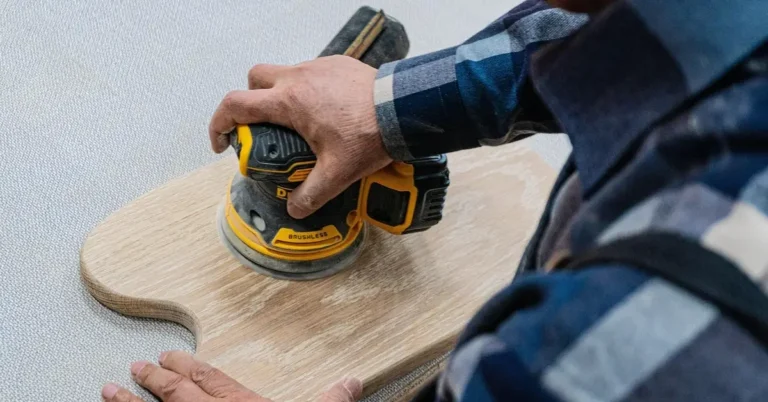
The fix is the same one a woodworker uses on a board: expose fresh wood. A light pass with fine sandpaper on a cedar block or chest lid brings the smell back for a while. Keep the wood raw, because a finish seals the scent in. If you are curious about the bug-repelling claims, our guide on whether cedar repels insects separates what is proven from what is marketing.
Best Cedar Scent Keeper Pick
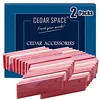 |
Cedar Space Cedar Blocks for Clothes Storage, 32 Pieces, $15.19 Aromatic red cedar is the one wood smell you can buy by the bag. The listing says to lightly sand a block when the scent weakens, the same fresh-surface trick this guide describes.
|
As an Amazon Associate we earn from qualifying purchases.
What the Woods Actually Smell Like, and What Is Not Wood at All
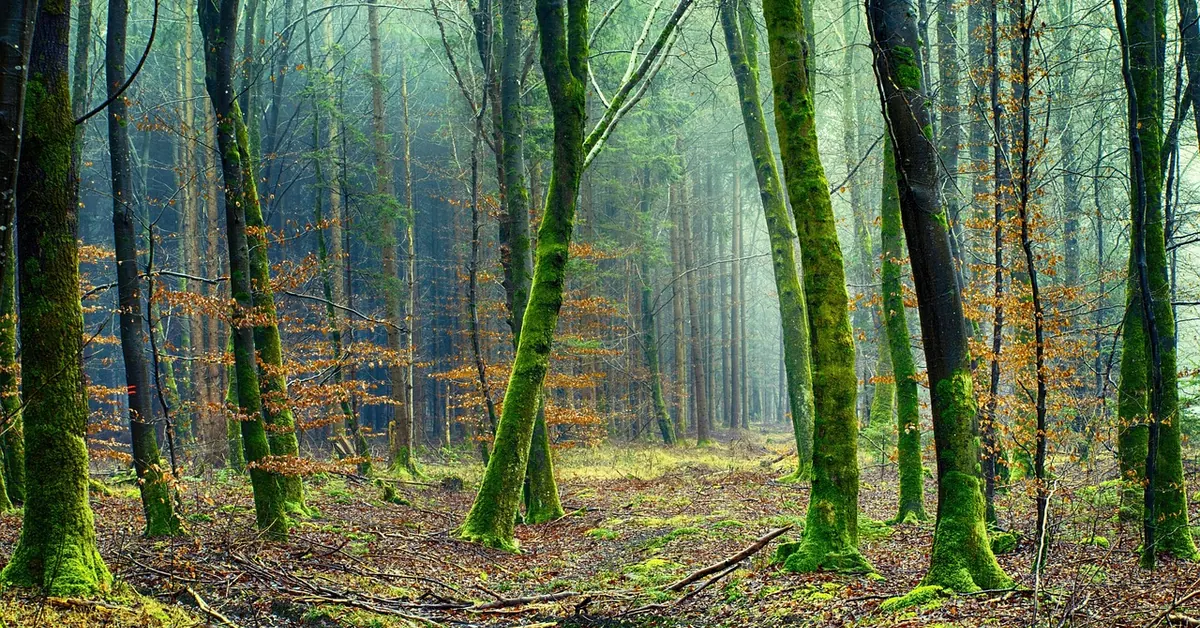
A walk in a forest smells like “wood” to most people, but wood is only part of it. Standing trees keep most of their resin sealed inside, so much of what you smell comes from needles, soil, fungi and decay. Here is where each familiar note comes from.
| Forest smell | Main source | Is it the wood? |
|---|---|---|
| Sharp, clean, resinous | Terpenes such as alpha-pinene from conifer needles and resin | Partly: resin is wood-related, but needles add a lot |
| Wet earth after rain | Geosmin from soil bacteria, plus plant oils and ozone | No |
| Sweet, mushroomy leaf litter | Fungi and bacteria breaking down leaves and fallen wood | Only when the wood is decaying |
| Musty, damp log | Mold, fungi and bacteria working on wet wood | Decayed wood, not healthy timber |
| Pencil-shaving warmth | Cedar oils in eastern red cedar and related junipers | Yes |
The rain myth: rain does not squeeze scent out of the wood
A common explanation is that rain “releases terpenes from the bark,” and our older version of this page repeated it. The better-supported explanation is petrichor: rain hitting dry ground stirs up geosmin made by soil bacteria such as Streptomyces, along with plant oils that built up during the dry spell. Humans are extremely sensitive to geosmin, with reported detection thresholds anywhere from about 5 to 400 parts per trillion according to the geosmin overview. That is why damp woods smell so intense even though very little of the chemical is present.

Does the smell do anything for you? A 2019 meta-analysis of forest bathing studies in the International Journal of Biometeorology found lower salivary cortisol in forest groups than in urban comparison groups. The authors note that study designs vary a lot and that expectation effects may play a role, so treat it as a pleasant, low-risk habit rather than a treatment.
What Freshly Cut Lumber Smells Like at the Workbench
Lumber is a different experience from the forest because the cut face is where the volatile compounds escape. Smell is a decent hint for narrowing down a species, but never a reliable ID on its own, since dry, old boards lose most of their scent. Use it alongside grain, color and weight. For the full chemistry and species-by-species notes, see our companion guide on what wood smells like, and for cedar specifically see what cedar wood smells like.
| Wood | Typical fresh-cut smell | Workbench note |
|---|---|---|
| Pine, spruce, fir | Sharp, resinous, turpentine-like | Sap can gum up saw blades and sandpaper |
| Eastern red cedar | Pencil shavings, warm and spicy | Best choice if you want the scent to last in a closet or chest |
| White oak | Faintly sweet, vanilla and coconut notes with a sharp tannin edge | Gives off acetic acid in closed spaces |
| Black walnut | Mild, nutty and earthy | Smell is subtle; you notice it mostly while sanding |
| Maple, cherry | Faint, slightly sweet | Mellow quickly once dry |
| Poplar, basswood | Very little scent | Low in aroma compounds, so the smell tells you almost nothing |
| Sandalwood | Warm, creamy, long lasting | Rare and costly; santalol is the main scent compound |
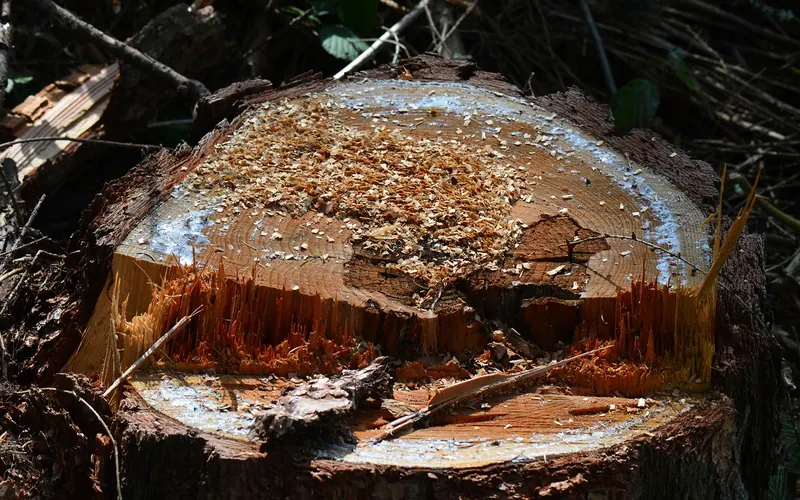
Moisture changes the picture as well. Green wood smells strongest, and kiln drying drives off much of the volatile fraction, so a kiln-dried 2×4 smells far fainter than the same species cut yesterday. If you want to understand how drying shapes both scent and stability, our guide on drying wood slabs without cracking covers the process.
Smells That Are Not Wood Smell: What They Mean
This is the angle most guides on wood scent skip. Sometimes a wood-related smell is a warning, and knowing the difference saves metal tools, lungs and sometimes a whole stack of lumber.
| What you smell | Likely cause | What to do |
|---|---|---|
| Sharp vinegar in a closed drawer or cabinet | Acetic acid vapor from the wood, strongest from fresh oak | Air it out, add ventilation, finish the wood, and keep lead and bare metal out of sealed wood boxes |
| Sharp chemical smell, stinging eyes, from new plywood, MDF or particleboard | Formaldehyde from the resins used in composite panels | Ventilate, buy panels labeled compliant with the federal formaldehyde standard, and wear eye protection when cutting |
| Musty, earthy basement smell on stored boards | Mold, fungi and bacteria on damp wood | Check moisture and airflow; see our guide on cleaning mildew off wood |
| Sour, fermented smell from a freshly cut log | Bacterial infection inside the tree, often called wetwood | Expect wet, odorous wood that needs careful drying |
| Burnt, smoky smell while cutting | Friction from a dull blade, resin buildup or a feed rate that is too slow | Stop, unplug, and inspect and clean or replace the blade |
| Lingering glue or finish smell | Solvents or adhesives still curing, not the wood | See our guide on wood glue smell that will not go away |
The formaldehyde row deserves a number. Under the EPA’s formaldehyde standards for composite wood products, emission limits are 0.05 ppm for hardwood plywood, 0.09 ppm for particleboard, 0.11 ppm for medium-density fiberboard and 0.13 ppm for thin MDF, according to the Federal Register rule. These limits apply to panels sold in the United States, so a strong chemical smell from a panel that should be compliant is worth taking seriously.
Is the Smell of Wood Safe to Breathe?
The smell by itself is a very low dose. The real risk in a workshop is dust and, with some species, the chemistry in that dust. Western red cedar contains plicatic acid, which is a documented cause of occupational asthma in sawmill and woodworking workers, and the published research on the mechanism notes that the condition can become permanent if exposure continues after symptoms start. Many exotic hardwoods, including cocobolo, rosewoods and teak, are widely reported to sensitize some woodworkers as well.
- Wear a properly fitted respirator, not a loose paper mask, when sanding or cutting any wood, and step up for cedar and exotics.
- Collect dust at the source. See our guide on dust collectors for a home shop.
- Treat itchy eyes, a runny nose, coughing or wheezing after a session as a sign to stop and change your protection.
- Do not use unfinished cedar chips or shavings as bedding for small pets without checking with a vet first, because the oils are irritants.
Wood Notes in Perfume and Candles
Woody scents in perfume are usually built from distilled cedar or sandalwood oil, or from synthetic molecules designed to smell woody, rather than from a literal extract of the board in your shop. Genuine sandalwood is slow growing and expensive, so many “sandalwood” products use substitutes. If you are shopping for the fragrance rather than the lumber, see what Cashmere Woods smells like and which woods smell the best.
Frequently Asked Questions
What do woods smell like after rain?
Mostly like wet earth, not like wood. The classic rain smell, called petrichor, comes from geosmin made by soil bacteria plus plant oils and, before a storm, ozone. Humans can detect geosmin at a few parts per trillion, so even a tiny amount is obvious after a dry spell.
Why does freshly cut wood smell so strong?
Sawing breaks open resin channels and cell walls, which releases volatile compounds such as terpenes that were sealed inside. Green wood holds the most, so the smell is strongest at the cut and fades as the surface dries or the board is kiln dried.
Does the smell of wood go away?
Yes, mostly. Volatile compounds evaporate over months, and kiln drying speeds that up. Cutting or lightly sanding a fresh surface exposes new wood and brings a faint version of the scent back, which is why cedar blocks can be refreshed with sandpaper.
Why does my wood or cabinet smell like vinegar?
Wood naturally gives off acetic acid, and oak is among the strongest sources, especially when freshly cut and enclosed in a drawer or cabinet. The vapor can corrode metals, with lead most affected. Let the wood air out, add ventilation, and finish the wood before closing metal items in with it.
Is it safe to breathe cedar or other wood smells?
The smell itself is low-level, but the dust is the real concern. Western red cedar dust can cause occupational asthma, and wood dust in general is an irritant and a recognized carcinogen. Wear a respirator when sanding or cutting, use dust collection, and treat a burning sensation in your nose or eyes as a stop signal.
Conclusion
The woods smell like terpenes, damp earth and decay all at once, while lumber at your bench smells like whichever resins and sugars the species stores. Enjoy the good smells, keep cedar raw if you want it to last, and treat vinegar, chemical, musty or burnt smells as information. Above all, protect your lungs from the dust that comes with the scent.
Sponsored / affiliate links. As an Amazon Associate I earn from qualifying purchases. I may earn additional commission from eligible campaigns.