How to Drill Straight Holes Without a Drill Press: DIY Tips
Have you ever started a DIY project and found yourself needing to drill a straight hole, but you don’t have a drill press? You’re not alone.
The frustration of crooked holes can be enough to make anyone want to give up on their woodworking or home improvement plans. But here’s the secret: you don’t need a drill press to achieve perfectly straight holes. Imagine the satisfaction of completing your project with precision, using just a hand drill and a few clever techniques.
In this guide, we’re going to share insider tips and tricks that will make you the master of straight drilling, all without the need for bulky equipment. So grab your drill, and let’s turn those challenging angles into a thing of the past. Your next project deserves the best, and with this knowledge, you’ll be ready to tackle it with confidence.
Essential Tools For Drilling
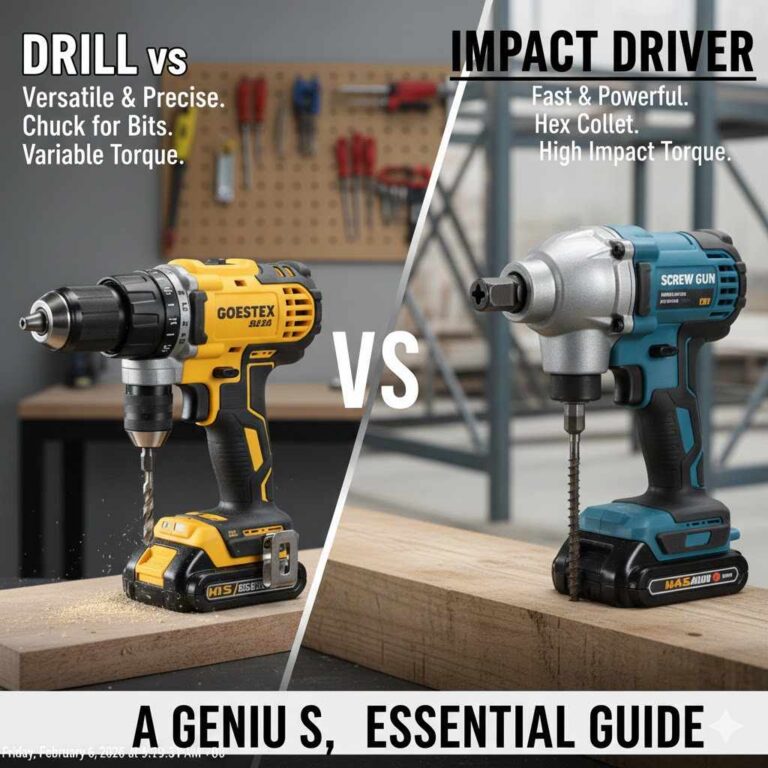
Picking the right drillis very important. A good drill will make your job easier. Electric drillsare powerful and fast. They are ideal for many tasks. On the other hand, manual drillsare slower but offer more control. Choose based on your needs.
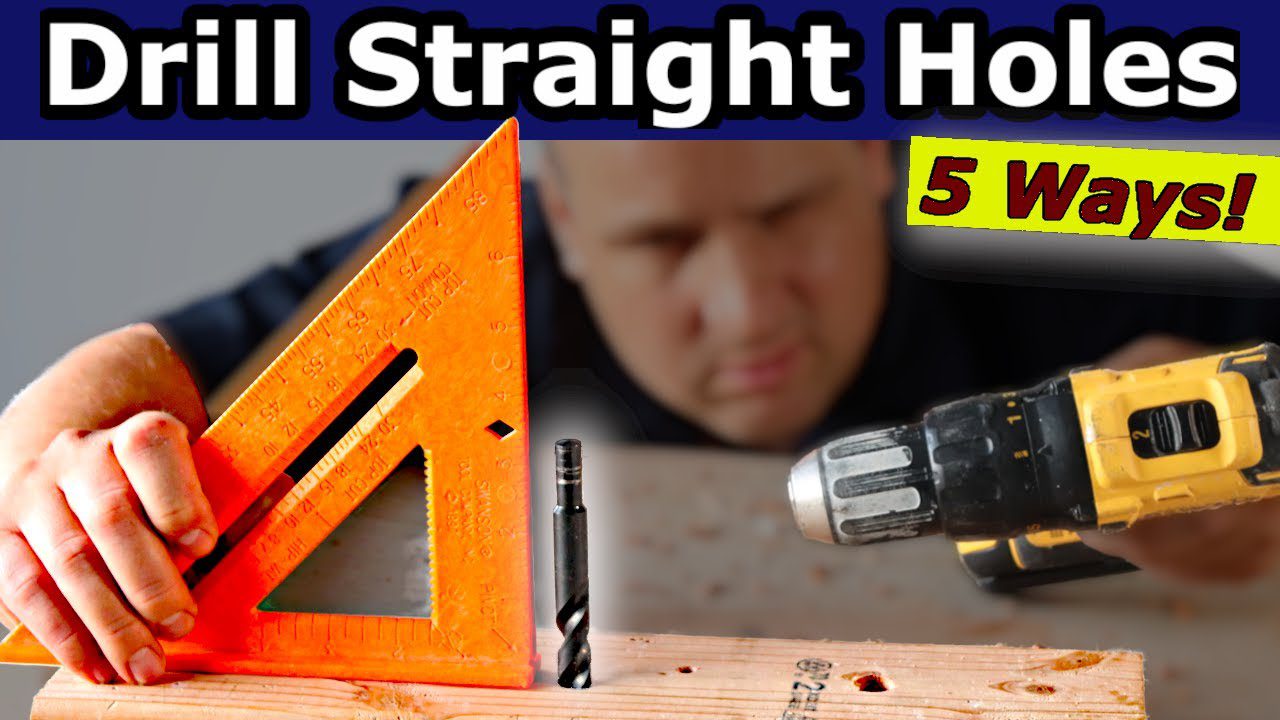
Several accessories can help. Drill bitsare essential. Different bits for different tasks. Clampshold your work steady. Keep everything in place. A squarehelps you drill straight. Always use safety gear. Protect your eyes and hands.

Credit: blog.lostartpress.com
Preparing The Workspace
Safetyis important when drilling holes. Wear protective gear like gogglesand gloves. Keep your hairtied back. Remove any loose clothing. Make sure the area is well-lit. Avoid distractions while working. Organize your tools neatly.
Find a flat surfacefor your work. Clear away any clutter. Ensure the table or bench is stable. Use a clampto hold the wood steady. This prevents slipping. Make sure your drill is chargedor plugged in. Check that your drill bitsare sharp. Arrange tools within easy reach. Keep materials nearby.
Marking And Measuring Techniques
Use a pencil or marker to make clear marks. A ruler helps in getting lines straight. Accuracy is key when marking spots for drilling. Try using a template for complex shapes. Cardboard or paper can be good templates. It saves time and ensures the hole is in the right place.
Measuring tools like rulers or tape measures are vital. They help ensure you have the exact spot marked. A square can help keep lines straight. Use it to check angles. Calipers are handy for small measurements. They are useful for precise work. Keep tools clean for accurate readings.
Aligning The Drill
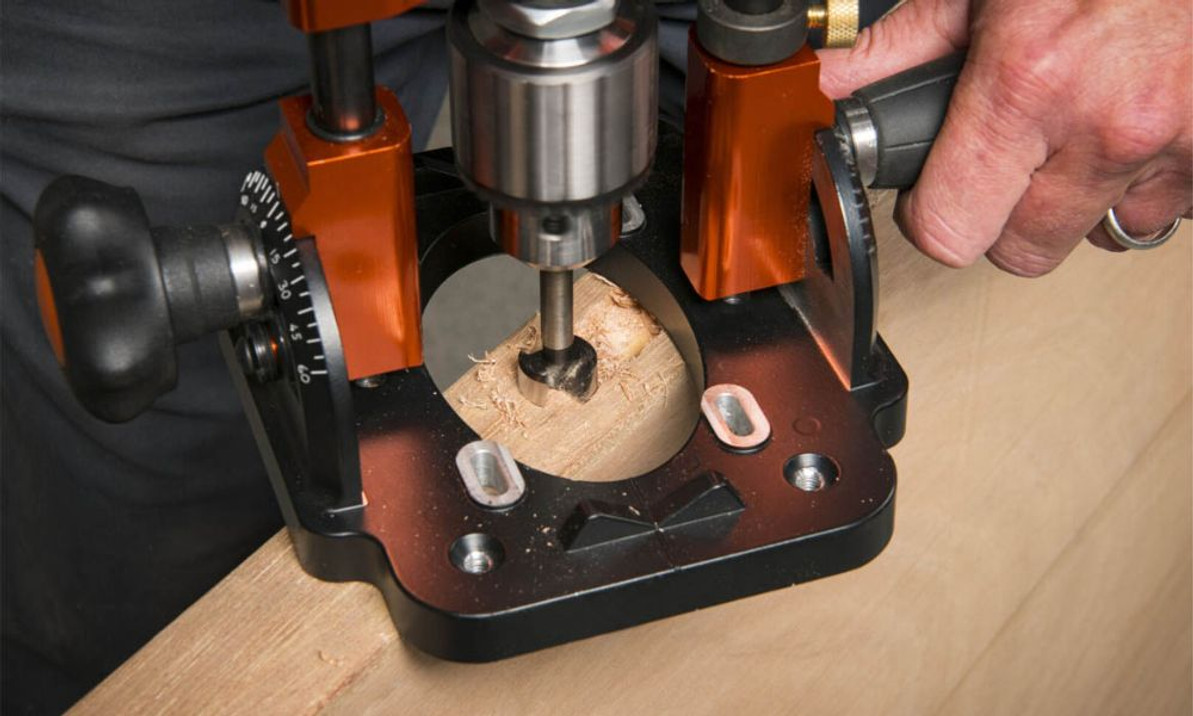
Guides and templates help in drilling straight holes. A wooden block can act as a guide. Cut a square block with a 90-degree angle. Place it on the surface to guide the drill. Templates are easy to make. Use cardboard with holes in it. Place it over the spot to drill. This keeps the drill straight.
DIY tools are cheap and easy to make. Use a bubble level and attach it to the drill. It helps keep the drill straight. Another tool is a laser level. Fix it on the wall. Make sure the laser line is straight. This shows the correct path to drill.
Drilling Techniques
Keep the drill steady with both hands. Use your body weight for balance. A firm grip helps avoid shaking. You can use a guide block. It helps keep the drill straight. Place the block where you want the hole. Then, drill through it. Mark the spot first with a pencil or marker. This ensures accuracy. Be patient. Take your time to get it right.
Start with a slow speed. This gives you more control. High speed can make the drill slip. Press gently on the drill. Too much force can break the bit. Listen to the drill’s sound. A smooth sound means good speed. Practice on scrap wood. This helps learn the right speed. Always wear safety goggles. Safety first is important.
Credit: tsoproducts.com
Troubleshooting Common Issues
Drilling straight holes without a drill press can be tricky. Use a guide block to maintain accuracy. Secure it firmly for best results.
Dealing With Misaligned Holes
Misaligned holes can be a big problem. Make sure your drill is straight. Use a guide to help. A simple block of wood works well. Place it next to the drilling spot. This keeps the drill steady. Check the drill’s angle often. Adjust if needed. Patience is key. Rushing leads to more mistakes. Practice improves accuracy over time.
Preventing Drill Slippage
Drill slippage can ruin your work. Secure the drill bit tightly. Use a clamp or vise for extra grip. Keep the drill speed low. Fast spinning causes slips. Start with a small pilot hole. This guides the drill bit. Use tape on slippery surfaces. Clean the area before drilling. Dirt and dust cause slips. Safety first. Wear goggles to protect your eyes.
Finishing Touches
Cleaning the hole is important. Use a brush to remove dust. This makes the hole neat. Deburring removes rough edges. A file works well for this. Smooth edges make the hole clean. This helps in fitting screws or bolts easily. Clean and smooth holes look better and work better.
Measure the hole size. Use a ruler or gauge. Check the depth with a stick or rod. Compare with the required size. Adjust if needed. Precision ensures parts fit well. Accurate holes prevent problems later. Double-check measurements for best results. Precision matters.

Credit: www.youtube.com
Frequently Asked Questions
How To Drill Straight Without A Drill Press?
Use a guide block or a wooden jig to keep the drill bit steady. Mark the spot with a center punch. Secure the material with clamps. Keep the drill perpendicular while drilling slowly and steadily. Use a bubble level attached to the drill for accuracy.
How To Drill Straight Holes With A Hand Drill?
Use a drill guide for precise holes. Secure the material firmly before drilling. Start with a small pilot hole. Keep the drill perpendicular to the surface. Practice steady hand movements to maintain accuracy.
What Can I Use Instead Of A Drill Press?
Use a handheld power drill with a drill stand for precision. Opt for a rotary tool for smaller tasks. Consider using a benchtop drill for larger projects. Clamp workpieces securely to ensure stability and accuracy during drilling. Always prioritize safety and use appropriate drill bits for the material.
How To Drill Perfectly Aligned Holes?
Use a drill press for precision and stability. Secure materials with clamps to prevent movement. Mark hole positions accurately using a template or ruler. Utilize a center punch to guide the drill bit. Check alignment frequently while drilling to ensure straight holes.
Conclusion
Drilling straight holes can be tricky without a drill press. But with the right technique, you can achieve great results. Focus on your tool’s stability and maintain a steady hand. Aligning your drill bit properly makes all the difference. Practice patience and precision.
It’s all about control and attention to detail. Remember, preparation is key. Gather your tools and plan your approach. Measure twice, drill once. Success lies in the careful execution of steps. You don’t need fancy tools; just follow these tips.
Your projects will look professional and precise. Keep practicing and stay confident in your skills.