Should You Pre-Drill Large Structural Wood Screws? (When It Matters)
Most modern structural wood screws (self-tapping, sharp-point designs like GRK or Simpson Strong-Drive) don’t need pre-drilling in standard framing lumber — but pre-drill anyway within 2 inches of a board’s end, in dense hardwood, or with screws over 3/8″ diameter. Skipping the pilot hole in those three situations is the most common cause of split lumber on a job site. This guide covers when pre-drilling actually matters, how to size the bit correctly, and the mistakes that crack wood even with a pilot hole.
Do You Need to Pre-Drill Structural Wood Screws?
Best Pilot-Hole Bit Set Pick
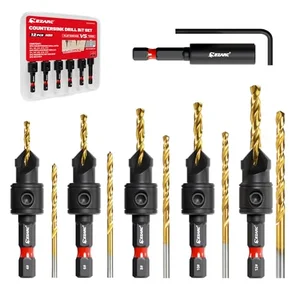 |
EZARC Countersink Drill Bit Set (12-Piece) – $16.97 Adjustable countersink bits sized for common screw diameters – exactly what you need to size a pilot hole to the screw’s root diameter, not its outer threads, as this guide recommends.
|
Generally, no — structural screws are engineered with a self-tapping sharp point and aggressive threads specifically so they don’t require a pilot hole in standard dimensional lumber. That’s a key difference from standard wood screws, which often do benefit from pre-drilling. Manufacturers like Simpson Strong-Tie and GRK explicitly design their structural screws for direct driving.
Pre-drilling still earns its place in three specific situations, regardless of the screw brand:
- Near the end or edge of a board — driving within about 2 inches of an end grain without a pilot hole is the single biggest cause of splits, because there’s almost no wood fiber left to absorb the wedging force of the threads.
- Dense hardwoods (oak, hickory, maple) — these woods resist the screw’s self-tapping threads far more than pine or fir, raising both split risk and the torque needed to drive the screw.
- Larger-diameter screws (3/8″ and up, common in heavy structural connections like ledger boards) — the wider the shank, the more wood fiber it displaces, and the higher the split risk without a pilot hole.
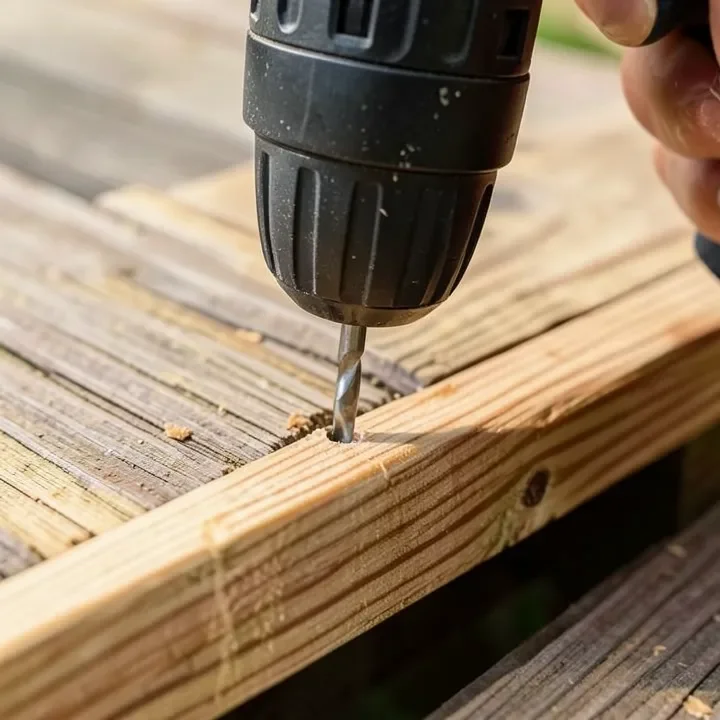
How to Size and Drill the Pilot Hole Correctly
A pilot hole that’s the wrong size defeats the purpose — too small and it still splits the wood, too large and the screw loses its grip entirely.
- Match the bit to the screw’s root diameter, not its outer thread diameter — the pilot hole should be roughly the same width as the solid shank at the screw’s core, so the threads still have wood to bite into.
- Drill to about 3/4 the length of the screw in most cases, not the full length — the last portion of the screw can self-tap the rest of the way.
- Add a countersink for a flush head if the screw has a flat or trim head, so the head seats level with the surface instead of standing proud or crushing the surrounding wood fibers.
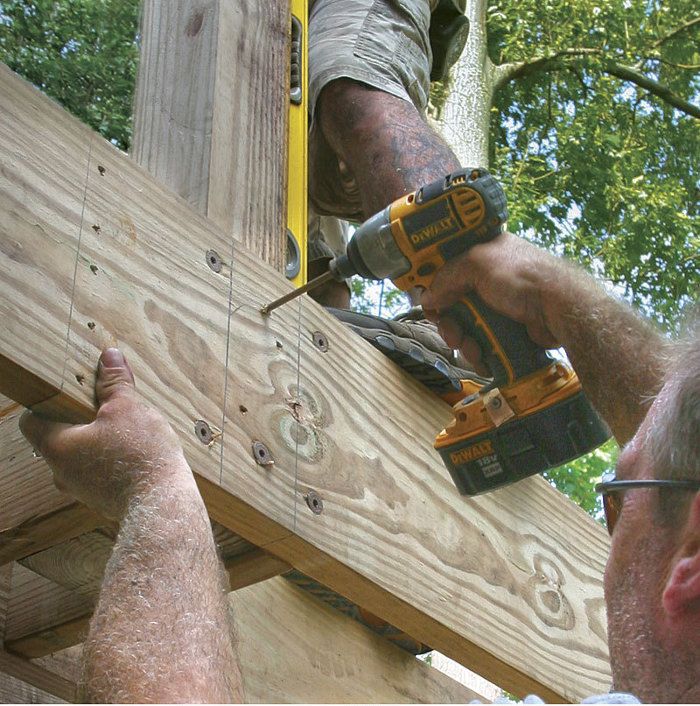
- Keep the drill perpendicular to the surface — an angled pilot hole lets the screw wander off-axis as it self-taps, which can still split the wood even with a correctly sized hole.
Pre-Drilling by Screw Type: What the Difference Actually Is
| Screw Type | Pre-Drill Needed? | Why |
|---|---|---|
| Structural screws (GRK, Strong-Drive) | No, except edges/hardwood/large diameter | Sharp self-tapping point, aggressive thread design |
| Standard wood screws | Usually yes, in hardwood | Blunter tip, less aggressive self-tapping ability |
| Self-tapping screws (general) | No, in most softwood/engineered lumber | Cutting threads engineered to displace wood as they drive |
| Lag screws / lag bolts | Always | Large diameter and blunt tip make splitting near-certain without one |
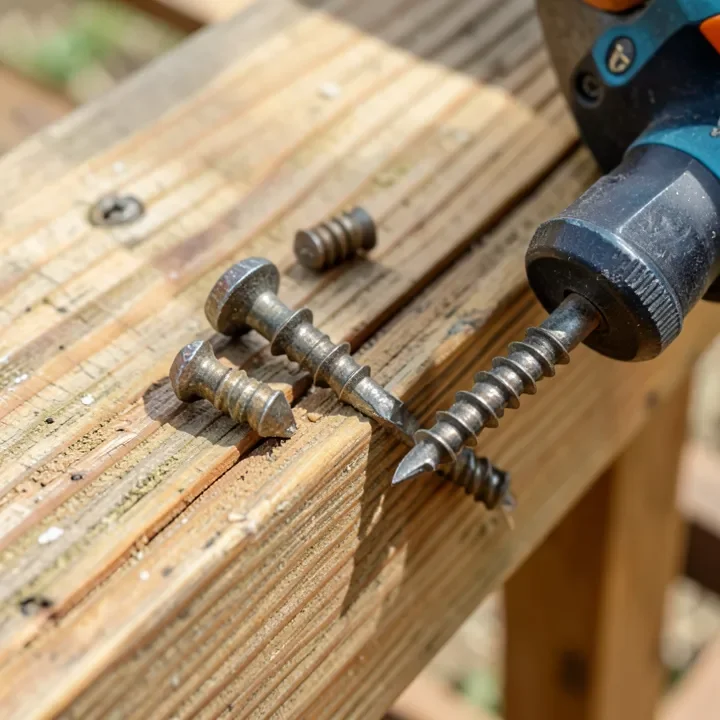
The difference between a wood screw and a structural screw comes down to load rating and design, not just size: structural screws are engineered and code-rated for shear and withdrawal loads in framing connections, while standard wood screws are meant for lighter-duty joinery like cabinetry or furniture. Structural screws increasingly replace lag bolts in deck ledger and joist-hanger connections precisely because they can be driven without pre-drilling and without the pilot hole plus wrench-turning lag bolts require.
Common Pre-Drilling Mistakes
Drilling the Pilot Hole Too Deep or Too Wide
A hole wider than the screw’s root diameter removes the wood fiber the threads need to grip, leaving a screw that spins freely or backs out under load. If you’re unsure of the exact size, check the screw packaging — most structural screw brands publish a recommended pilot-hole size for hardwood use.
Assuming All Screws Behave the Same
A structural screw’s whole design advantage is direct-drive capability; pre-drilling every hole for a screw engineered to skip that step just adds unnecessary labor without added strength. Match your approach to the specific screw, not a blanket rule.
Skipping the Pilot Hole Near Board Ends Anyway
Even a screw rated for direct driving benefits from a pilot hole within 2 inches of an end cut. This is the exception that catches people who’ve gotten used to skipping pilot holes everywhere else on the project.
Frequently Asked Questions
Do Structural Screws Need to Be Pre-Drilled?
Structural screws usually don’t require pre-drilling — their sharp tips and threads allow them to penetrate wood easily. Pre-drill anyway in dense hardwood, near board ends, or with larger-diameter screws to prevent splitting. Always follow the specific manufacturer’s instructions.
Should You Pre-Drill Wood Screws?
Pre-drilling standard wood screws is recommended for hard or dense wood. It prevents splitting and ensures a secure fit. Use a drill bit sized to the screw’s root diameter for best results — pre-drilling also makes driving easier and more precise.
What Wood Screws Don’t Need Pre-Drilling?
Self-tapping wood screws and most structural screws don’t need pre-drilling in standard lumber — they cut their own threads as you drive them in. Choose screws with sharp, pointed tips for efficient penetration, and still pre-drill near board ends or in hardwood.
What Is the Difference Between Wood Screws and Structural Screws?
Wood screws suit lighter work like furniture or cabinetry and carry no formal load rating. Structural screws are engineered and code-rated for heavy-duty framing connections, offering higher shear and withdrawal strength, and increasingly replace lag bolts in deck and joist-hanger connections.
Conclusion
Most structural wood screws skip pre-drilling by design — save the pilot hole for board ends, dense hardwood, and larger-diameter screws. Size the bit to the screw’s root diameter, not its outer threads, and you’ll avoid both the split-wood failure mode and the loose-grip failure mode in one step.
Sponsored / affiliate links. As an Amazon Associate I earn from qualifying purchases. I may earn additional commission from eligible campaigns.