How to Fix Buckled Hardwood Floor: Quick Solutions
To fix a buckled hardwood floor, first identify the moisture source causing the issue. For minor buckling, place a heavy object on the affected area to encourage it to settle back into place.
Buckled hardwood floors can be frustrating and may indicate underlying moisture issues. This problem often arises from changes in humidity or water damage. When hardwood absorbs excess moisture, it can expand and warp, leading to unsightly buckling. Addressing this issue quickly is essential to prevent further damage and costly repairs.
Before diving into repairs, assess the extent of the buckling and identify any moisture sources. With the right approach, you can restore your floor’s beauty and functionality. Understanding how to fix buckled hardwood floors will help maintain your home’s aesthetic and value.
Introduction To Buckled Hardwood Floors
Buckled hardwood floors can be a serious issue for homeowners. Identifying these floors early helps prevent further damage. Look for signs like warping, gaps, or raised edges. These indicators show that moisture may have affected the wood.
Potential damage includes compromised structural integrity and increased repair costs. Mold can also develop in damp areas, posing health risks. Ignoring buckling can lead to more extensive and costly repairs down the road. Keeping an eye on your hardwood floors is essential for maintaining their beauty and longevity.
Regular checks can help catch problems early, ensuring your floors remain in top condition. If you notice buckling, take action quickly to minimize damage.
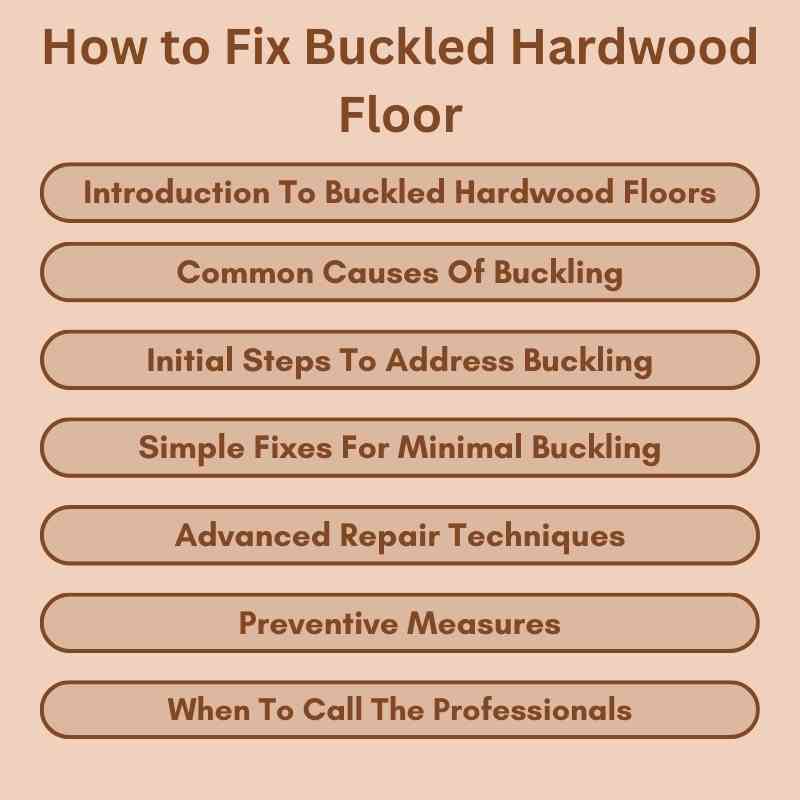
Common Causes Of Buckling
Moisture and humidity issues often lead to buckled hardwood floors. Excessive moisture can come from leaks, spills, or high humidity levels. This causes the wood to expand, resulting in warping. Maintaining proper humidity is essential to prevent these problems.
Inadequate installation can also cause buckling. If the flooring is not properly acclimated, it may not adjust to the room’s moisture levels. Incorrect spacing between planks can restrict wood movement. This leads to buckling over time. Ensuring proper installation techniques is vital for long-term stability.
Initial Steps To Address Buckling
Assessing the Damage is the first step to fix a buckled hardwood floor. Check for any visible cracks or gaps. Look for signs of moisture or warping. Minimal buckling might be fixed by placing a heavy weight on the affected area. This can help the wood settle back into its position.
Removing Excess Moisture is crucial. Use a dehumidifier to lower humidity levels. This helps balance the moisture content in the wood. Keep the room well-ventilated to aid in drying. If needed, use fans to circulate air. Monitor the floor for changes over time.
Simple Fixes For Minimal Buckling
To fix minimal buckling in hardwood floors, using weight is effective. Place a heavy object on the affected area. This can help the floor settle back into its original position. Check the weight regularly to ensure it remains in place.
Adjusting indoor humidity is also crucial. High humidity can cause wood to swell and buckle. Use a dehumidifier to maintain an ideal moisture level. This process may take time, but it can significantly improve the situation.
Advanced Repair Techniques
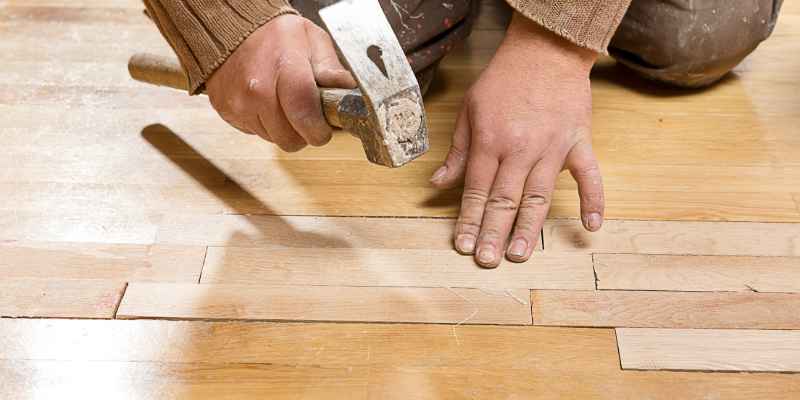
Partial replacement of planks is essential for fixing buckled hardwood floors. This method helps maintain the floor’s aesthetic appeal and integrity. Use professional equipment for the best results. Start by carefully removing the damaged planks. Ensure that new planks match the existing wood in color and grain. This creates a seamless look.
Using professional tools improves precision and reduces damage. A circular saw or jigsaw works well for cutting planks. A tapping block can help fit the new planks tightly. Ensure that you leave space for expansion to prevent future buckling. Always check the moisture levels before installation to avoid further issues.
Preventive Measures
Proper floor maintenance is essential for preventing buckled hardwood floors. Regular cleaning helps maintain the wood’s integrity. Use a soft broom or vacuum to remove dirt and debris. Avoid wet mopping, as excess water can damage the wood.
Humidity control is crucial. Keep indoor humidity between 30% and 50% to prevent warping. Use a dehumidifier during humid months. In winter, a humidifier can add necessary moisture.
Inspect the floor regularly for signs of damage. Early detection can prevent larger issues. Address any leaks or water spills immediately to avoid moisture accumulation.
Finally, ensure that furniture is placed properly. Avoid placing heavy items directly on the floor without protective pads. This can help avoid uneven pressure that leads to buckling.
When To Call The Professionals
Determining the severity of damage is crucial. Minor buckling can often be fixed easily. Use a heavy weight to press down on the affected area. If the buckling persists, a professional assessment may be necessary. Major damage could indicate deeper issues.
Flooring experts offer various services. These include:
| Service | Description |
|---|---|
| Assessment | Evaluate the extent of floor damage. |
| Repair | Fix minor buckling using specialized tools. |
| Replacement | Replace severely damaged floorboards. |
| Moisture Control | Address underlying moisture issues. |
Long-term Solutions
Maintaining stable humidity levels is crucial for your hardwood floors. Aim for 40% to 60% humidity indoors. Use a dehumidifier if your home is too damp. On dry days, a humidifier can help prevent excess moisture loss.
Choosing the right hardwood for your climate is equally important. Some woods handle humidity better than others. For humid areas, consider oak or maple. In dry climates, bamboo or cherry may be more suitable. Always check the wood’s rating before purchasing.
Frequently Asked Questions
How To Flatten A Buckled Wood Floor?
To flatten a buckled wood floor, first identify moisture sources. For minor buckling, place a heavy object on the affected area. Ensure the room’s humidity is balanced. If the problem persists, consider professional help or replacing damaged sections. Regular maintenance prevents future issues.
How Do You Straighten Warped Hardwood Floors?
To straighten warped hardwood floors, first wet the affected area. Then, place a heavy object on top. Walk around the object to distribute weight evenly. Over a few days, the floor should flatten as it dries. For severe warping, consider replacing damaged boards.
How Do You Fix A Swollen Hardwood Floor?
To fix a swollen hardwood floor, first identify the moisture source and eliminate it. For minor swelling, place a heavy object on the affected area. This pressure can help flatten the boards over time. If the swelling persists, consider professional assistance or replacing damaged sections.
Will Warped Floors Go Back To Normal?
Warped floors can often return to normal. Restoring proper humidity levels helps balance moisture in the wood. For minor buckling, applying weight may also help. Serious cases might require professional intervention or replacement of damaged sections. Always address underlying moisture issues to prevent future warping.
Conclusion
Addressing buckled hardwood floors can seem daunting, but it’s manageable with the right approach. Start by identifying the cause, whether it’s moisture or temperature changes. Simple methods like applying weight or restoring humidity can yield positive results. For severe cases, professional help may be necessary.
Keep your floors well-maintained to prevent future issues.