Protective Mats for Hardwood Floors: Avoid the Rubber-Backed Mistake
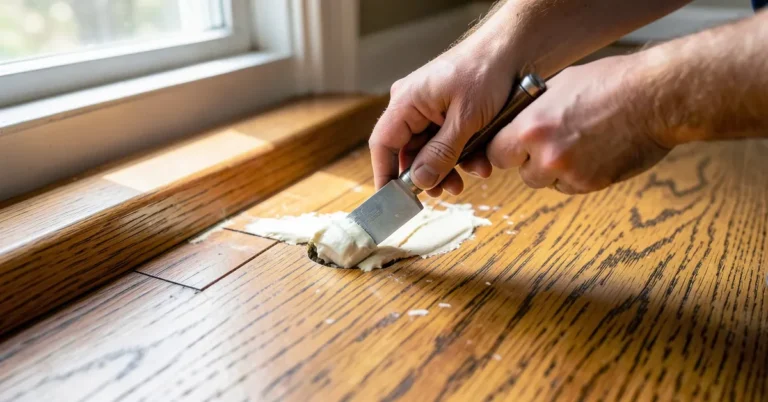
The right protective mats for hardwood floors are felt pads under furniture legs, a hard-floor-rated chair mat under rolling chairs, and breathable felt-backed (not rubber-backed) rug pads under area rugs. The one mistake that undoes all of that protection: a rubber, latex, or PVC-backed mat or rug pad left in place for months can chemically react with the floor’s polyurethane finish and leave a permanent amber discoloration that no amount of cleaning removes. Here’s how to protect a hardwood floor without accidentally causing the exact kind of damage you’re trying to prevent.
The Rubber-Backing Problem Most Guides Don’t Mention
Best Clear Protector Mat for Hardwood
 |
RESILIA Premium Clear Floor Protector Mat – $13.99 A hardwood-safe way to protect high-traffic zones or under a rolling chair without the rubber-backing risk this guide warns about.
|
Rubber, latex, and some PVC/vinyl backings contain plasticizers and antioxidant compounds that can slowly migrate into a wood floor’s polyurethane finish, especially in a warm room or under a mat that traps humidity against the surface. The result is a yellow, amber, or sometimes gray-brown discoloration in the exact shape of the mat, which shows up gradually over weeks or months rather than overnight – by the time it’s noticeable, the reaction has usually already etched into the finish, not just sat on top of it. This is a well-documented issue in the flooring industry, not a fringe concern, and it’s the reason flooring manufacturers specifically warn against rubber-backed bath mats, rug pads, and some no-slip furniture pads on finished wood.
What to Use Instead, by Situation
| Situation | Use This | Avoid |
|---|---|---|
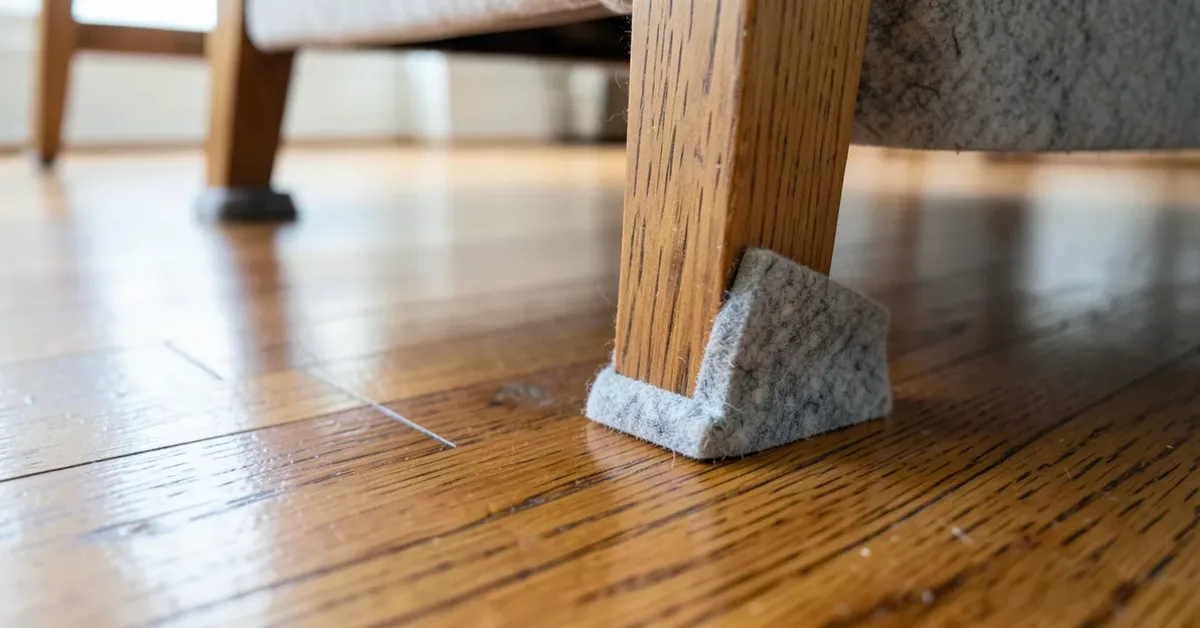
| Furniture legs (chairs, tables, sofas) | Self-adhesive felt pads, replaced when they wear thin or gather grit | Bare plastic or metal glides, and rubber “no-slip” pads left long-term |
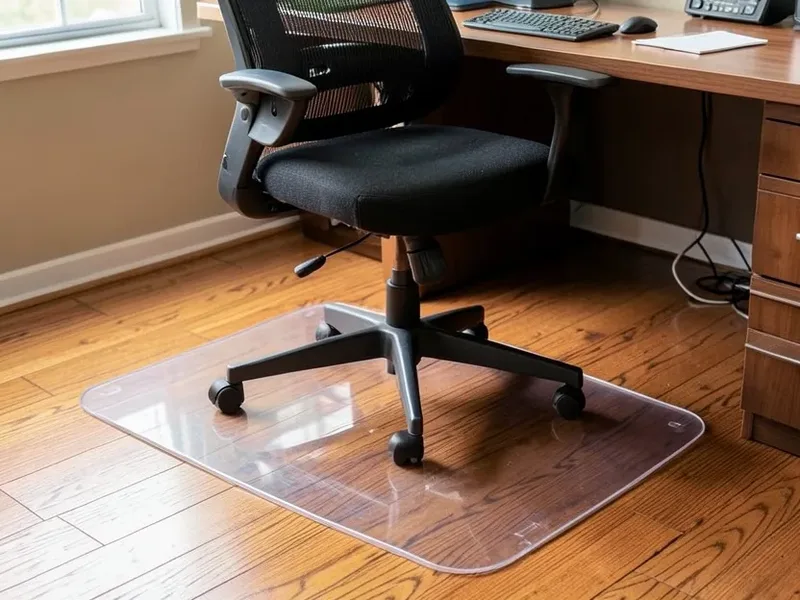
| Rolling office chair | A hard-floor-specific chair mat (polycarbonate or a felt-backed vinyl rated for hard floors) | Carpet-only chair mats with an aggressive rubber grip backing |
| Area rugs | A felt or felt-and-natural-rubber-blend rug pad specifically labeled safe for hardwood, breathable rather than solid | Solid rubber or PVC rug pads, especially the cheap non-slip waffle type |
| Entryways | A mat with a breathable, hardwood-safe backing, lifted and floor wiped dry periodically | A rubber-backed doormat left down permanently, especially somewhere it stays damp |
| Under planters or heavy decor | A cork or felt coaster/riser, checked periodically for trapped moisture | Plastic saucers with a rubber gasket sitting flush on the floor |
How to Check a Mat or Pad Before You Trust It
- Read the label, not just the packaging photo. Look specifically for “safe for hardwood floors” or a stated felt/non-rubber backing – a rug pad marketed generically as “non-slip” without that specific claim is a real risk.
- Do a smell and touch test. A strong rubber or chemical odor, or a backing that feels tacky/sticky rather than fibrous, is a warning sign even if the label doesn’t clearly state the material.
- Check periodically once it’s down. Lift furniture pads and rug corners every few months and look for any color change starting at the edges – catching it early means you can stop using that product before it spreads or etches deeper into the finish.
- Avoid trapping moisture. Even a hardwood-safe pad can cause problems if the floor underneath stays damp, so wipe up spills near mats promptly and don’t leave a wet entry mat sitting on the floor for days.
Furniture Pads: Applying Them So They Actually Work
Clean and dry the bottom of each leg before applying a felt pad – adhesive doesn’t bond well to dusty or oily surfaces, and a pad that peels off defeats the purpose within weeks. Round pads work well on round or tapered legs; for square or rectangular feet, a pad cut slightly smaller than the foot itself prevents the edges from catching and peeling up. Replace felt pads once they compress flat, gather visible grit, or start to look glazed and shiny – a worn-out pad with embedded dirt can actually scratch a floor more than no pad at all, since it’s grinding grit against the surface instead of cushioning it.
Pair pads with a proper hardwood-safe floor cleaner for routine maintenance.
What Happens If Discoloration Has Already Set In
Remove the offending mat or pad immediately once you notice discoloration – continuing contact makes it worse. Light surface discoloration sometimes responds to a wood-floor-safe cleaner and gentle buffing if it hasn’t penetrated past the finish layer, but a true chemical reaction stain that’s etched into the polyurethane usually requires screening and recoating that section (or the whole room, for an even color match) rather than cleaning it away – the same distinction covered in our guide on fixing black marks and stains on hardwood floors. This is exactly why prevention matters more than most “protective mat” advice implies – the fix for a set-in reaction stain is a refinishing job, not a weekend cleaning project.
Frequently Asked Questions
Can rubber mats damage hardwood floors?
Yes. Rubber, latex, and some PVC backings can chemically react with a floor’s polyurethane finish over weeks or months, causing a permanent amber or yellow discoloration in the shape of the mat. This is a known issue in the flooring industry, not a rare fluke.
What kind of chair mat is safe for hardwood floors?
A chair mat specifically rated for hard floors, typically polycarbonate or a felt-backed material, is the safe choice. Avoid carpet-only chair mats with an aggressive rubber grip backing meant to bite into carpet fibers, since that same grip can trap moisture and react with wood finish.
Are felt furniture pads actually necessary?
Yes, for any furniture that gets moved, shifted, or sat in regularly. Bare wood, metal, or hard plastic feet scratch and dent hardwood floors over time even without dragging the furniture, simply from normal weight-shifting and minor repositioning.
How do I know if my rug pad is safe for hardwood?
Check the label for an explicit “safe for hardwood floors” claim and a felt or breathable natural-fiber backing rather than solid rubber or PVC. When in doubt, lift the rug periodically and check the floor underneath for early color changes.
Bottom Line
Protective mats genuinely protect hardwood floors from scratches, dents, and wear – but only the right ones. Stick to felt pads, hardwood-rated chair mats, and felt-backed rug pads, check periodically for early discoloration, and you get the protection without the risk of trading a scratch problem for a much more expensive refinishing job.
Sponsored / affiliate links. As an Amazon Associate I earn from qualifying purchases. I may earn additional commission from eligible campaigns.