How to Fix MDF Water Damage: Expert Repair Techniques
Water damage can be a homeowner’s nightmare, especially when it affects your MDF (Medium Density Fiberboard) furniture or fixtures. You might find yourself staring at swollen, warped, or discolored MDF, wondering if there’s any way to salvage it.
The good news? You don’t have to panic. In this guide, you’ll learn straightforward, actionable steps to fix MDF water damage, saving both your furniture and your money. Imagine the satisfaction of restoring your beloved pieces back to their original glory.
Let’s dive into the solutions that will help you reclaim your space and peace of mind.
Identifying MDF Water Damage
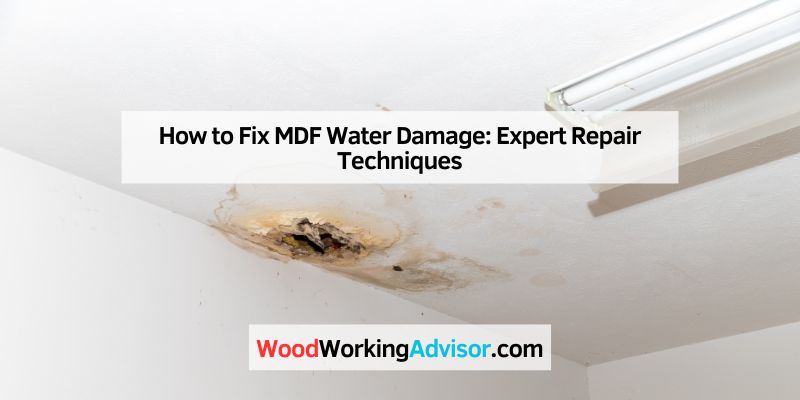
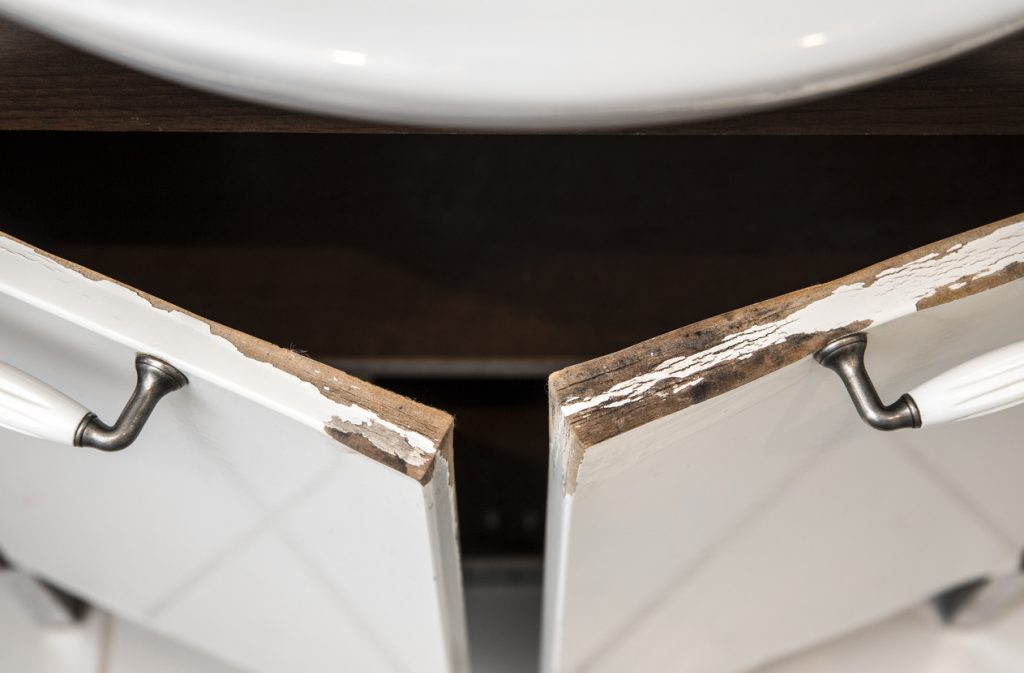
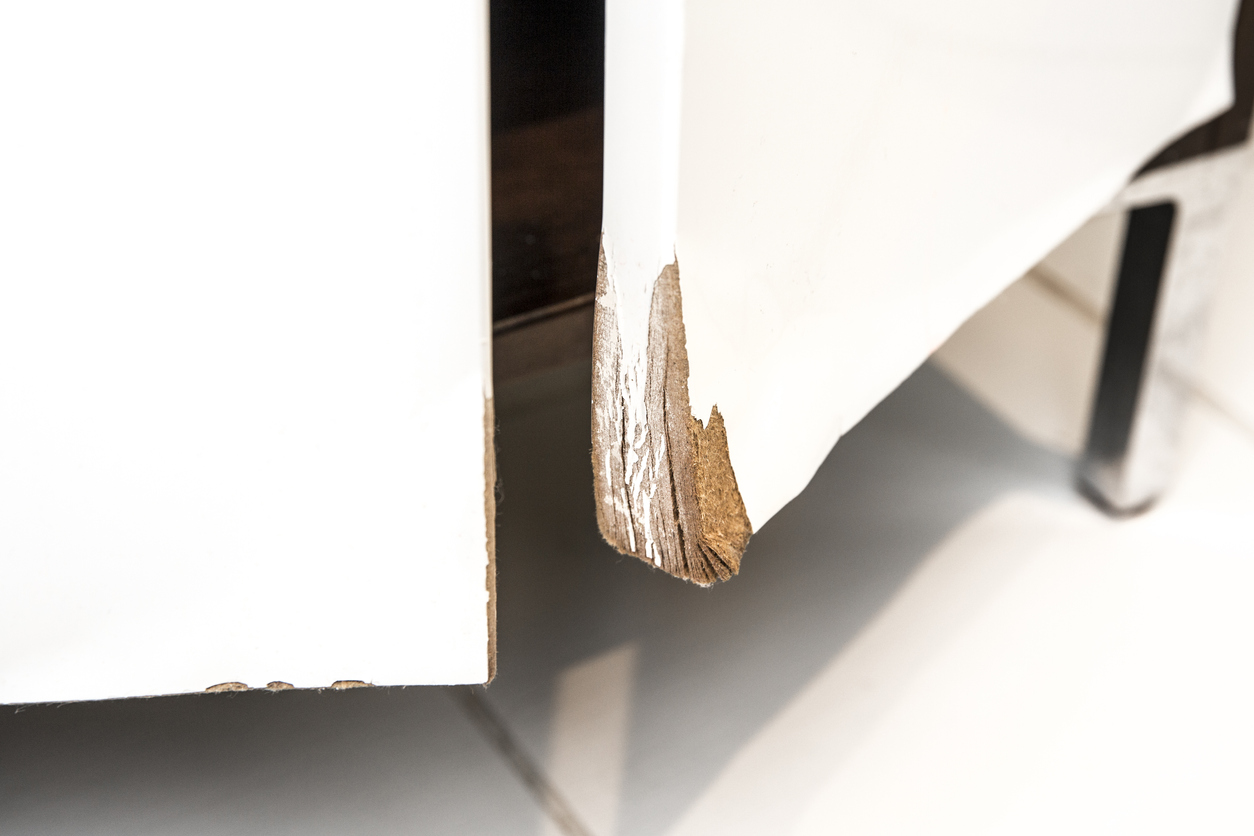
MDF can show swelling and discoloration when wet. The edges may appear puffed and the surface might warp. You could see bubbles in the paint or finish. These are all signs of water damage.
Leaking pipes can damage MDF. Spills left uncleaned can also harm it. High humidity is another cause. Flooding from storms is a major threat. MDF is not waterproof. It absorbs water easily.
Credit: www.handhillscabinets.com
Safety Precautions
Protective gear is crucial. Wear gloves to keep hands safe. Masks help breathe clean air. Goggles protect eyes from dust. Coveralls keep clothes clean. Safety boots prevent slips. Ear protection shields from noise. Stay safe always.
Ventilation matters a lot. Open windows for fresh air. Use fans to remove fumes. Airflow helps dry wet areas. Avoid enclosed spaces. Fresh air keeps everyone safe. Keep doors open for better air circulation. Ensure safety by improving air quality.
Drying Out MDF
MDF can get damaged by water very easily. Drying it quickly is important. Using dehumidifiers is a good way to remove moisture. Place the dehumidifier close to the wet MDF. Turn it on and let it run for a few hours. This helps the MDF dry faster. You can also use fans to speed up the drying. Fans blow air and help remove the water from MDF. Make sure to check the MDF. See if it is dry enough before you stop using the dehumidifier. Dry MDF is safer and lasts longer.
Dehumidifiers pull water from the air. They are useful in drying wet MDF. Put the dehumidifier in the room with MDF. Turn it on and let it work. Keep doors and windows closed. This helps the dehumidifier work better. Check the MDF regularly. See if it is getting dry. Using a dehumidifier is a good method to fix MDF water damage.
Repairing Swollen MDF
MDF swells when it gets wet. Dry it fully before starting repairs. Use a medium-grit sandpaper for sanding. Sand the swollen areas gently. Check if the surface is smooth. Keep sanding till it’s even. Be careful not to sand too much. The MDF can become too thin. Always sand in a well-ventilated area. Dust can cause breathing problems.
A good sealant protects MDF from water. Choose a waterproof sealant. Apply it with a brush. Cover all surfaces evenly. Let it dry for some hours. Check if it needs another coat. More coats mean more protection. Ensure the room has fresh air. This helps the sealant dry quickly.
Replacing Damaged Sections
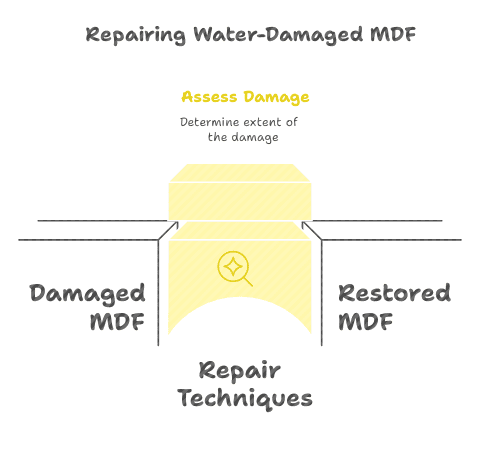
Begin with marking the damaged area. Use a pencil for clear lines. Then, take a saw to cut along these marks. Ensure your cuts are straight. This will help when fitting new pieces. Remove the damaged section carefully. Be gentle to avoid further damage.
Measure the empty space accurately. Cut new MDF to match these measurements. Place the new piece in the gap. Check if it fits snugly. Adjust if necessary. Use glue to secure the new section. Press it firmly for a strong bond.
Credit: www.handhillscabinets.com
Preventive Measures
MDF can get damaged by water. Use waterproof paint to protect it. Apply on all edges. Seal the joints with waterproof sealant. This keeps water away. Check for cracks in the paint. Fix them quickly.
Keep MDF clean and dry. Check for any water leaks nearby. Fix them soon. Wipe spills right away. Use a dry cloth. Never let water sit on the surface. Store MDF items in a dry place. This helps them last longer.
Tools And Materials
Screwdrivers help to remove screws from the damaged area. A hammer is useful for gently tapping loose parts. Sandpaper smoothens the surface. Use a saw to cut damaged pieces. A drill is needed to make holes. Clamps hold materials in place while drying. A putty knife spreads filler smoothly. Safety goggles protect your eyes from dust.
Wood filler repairs small holes and cracks. Choose waterproof primer to seal the MDF. Sealant protects against future water damage. Paint helps match the original color. Glue is essential for sticking parts back together. Replacement wood pieces might be needed for severe damage. Varnish gives a shiny finish. Use clean cloths for wiping surfaces.

Credit: www.youtube.com
Frequently Asked Questions
Can Water Damaged MDF Be Repaired?
Yes, you can repair water-damaged MDF. Dry it thoroughly first. Sand the swollen areas carefully. Apply wood filler to smooth out imperfections. Seal with a water-resistant primer and paint. Severe damage may require replacing the affected MDF parts. Regular maintenance prevents future water damage.
Is MDF Ruined If It Gets Wet?
Yes, MDF can get damaged if it gets wet. The material swells and warps, losing structural integrity. It’s crucial to dry it quickly to minimize damage. Consider sealing or waterproofing MDF for better water resistance and durability in moisture-prone areas.
How To Get Water Marks Out Of MDF?
To remove water marks from MDF, gently sand the surface with fine-grit sandpaper. Clean with a damp cloth, then apply a wood stain or finish to restore. Ensure proper ventilation and use protective gear during the process. Regularly maintain MDF to prevent future water damage.
How To Repair A Swollen MDF Door?
Repair a swollen MDF door by sanding the affected area. Apply wood filler to smooth the surface. Seal with primer and repaint to protect from moisture. Ensure proper ventilation to prevent future swelling. Use water-resistant paint for added protection.
Conclusion
Fixing MDF water damage can be simple with the right steps. Always start by drying the area thoroughly. Next, sand down any swollen spots. Replace damaged parts if necessary. Sealing the MDF will prevent future damage. Remember, patience is key.
Take your time for the best results. Regular checks help catch issues early. With these steps, your MDF can look good as new. Always be proactive to maintain its quality. Keep learning and practicing these tips. Your efforts will pay off in the long run.