How to Fix Scuffed Hardwood Floors: Quick & Easy Tips
To fix scuffed hardwood floors, use a mix of apple cider vinegar and olive oil. Combine equal parts of each ingredient, rub into the scratched area, leave it for a day, then buff it out with a soft cloth.
Hardwood floors can bring warmth and elegance to any space. However, over time, they may develop scuffs and scratches, detracting from their beauty. Fortunately, there are simple and effective methods to repair scuffed hardwood floors. By addressing these blemishes, you can restore the luster and appeal of your hardwood floors, bringing back their original charm.
Whether the scuffs are minor or more noticeable, addressing them promptly can help maintain the overall look and longevity of your hardwood floors.
Introduction To Hardwood Floor Care
Hardwood floors are a beautiful and timeless addition to any home. However, they are not immune to scuffs and scratches that can occur over time. Proper care and maintenance are essential to keep your hardwood floors looking their best. In this section, we will explore different types of scuffs and scratches that can occur on hardwood floors, as well as when it is appropriate to repair or replace them.
Identifying Types Of Scuffs And Scratches
When it comes to hardwood floor care, it is important to understand the different types of scuffs and scratches that can occur. By identifying the type of damage, you can determine the most suitable method for repair. Here are some common types of scuffs and scratches:
| Scuff Type | Description |
|---|---|
| Surface Scuffs | Superficial marks that do not penetrate the wood’s finish. |
| Light Scratches | Shallow marks that slightly penetrate the wood’s finish. |
| Deep Scratches | Significant marks that penetrate the wood’s finish and may expose the bare wood. |
When To Repair Vs. Replace
Repairing or replacing hardwood floors depends on the severity of the damage and the overall condition of the flooring. Here are some factors to consider:
- The extent of the damage: If the scuffs and scratches are minor, you may be able to repair them yourself using simple methods. However, if the damage is extensive and affects a large area, it may be more practical to replace the affected boards or consider refinishing the entire floor.
- The age and condition of the floor: If your hardwood floors are old and worn, it may be a good time to consider replacement. New flooring can give your space a fresh look and improve the overall value of your home.
- Your budget: Repairing hardwood floors is generally more cost-effective than replacing them. However, if your budget allows, investing in new flooring can be a worthwhile long-term investment.
By carefully assessing the damage and considering these factors, you can make an informed decision on whether to repair or replace your scuffed hardwood floors.
Daily Cleaning Tips
Regular cleaning is essential for maintaining the beauty and longevity of your hardwood floors. By following some daily cleaning tips, you can prevent scuffs and scratches, keeping your floors looking pristine for years to come.
Regular Maintenance Practices
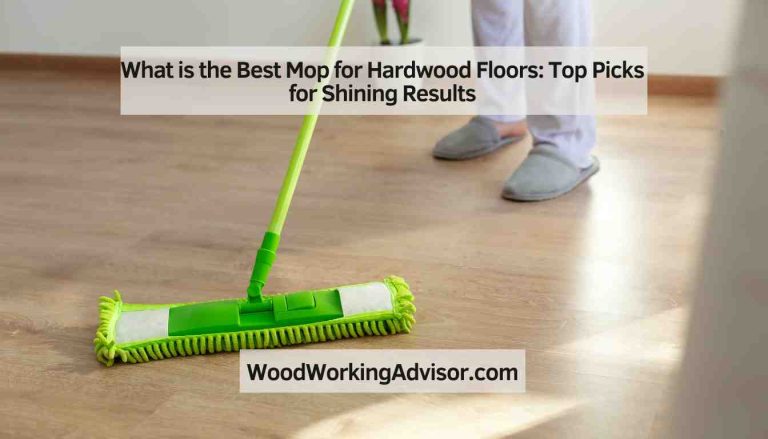
1. Sweep Daily: Use a soft-bristle broom or microfiber mop to remove dust, dirt, and debris from the floors.
2. Vacuum Weekly: Utilize a vacuum with a floor brush attachment to reach corners and under furniture.
3. Wipe Spills Immediately: Accidental spills should be promptly cleaned using a damp cloth to prevent stains and water damage.
Choosing The Right Cleaning Products
1. Use pH-Neutral Cleaners: Select cleaners specifically formulated for hardwood floors to avoid damage to the finish.
2. Avoid Harsh Chemicals: Refrain from using ammonia, vinegar, or abrasive cleaners as they can cause discoloration and damage the wood.
3. Consider Manufacturer Recommendations: Follow the guidelines provided by the floor manufacturer for the best cleaning products and methods.
Immediate Actions For Fresh Scuffs
To fix scuffed hardwood floors, try a mixture of apple cider vinegar and olive oil. Combine equal parts of each ingredient, apply it to the scratched area, and let it sit for a day before buffing it out with a soft cloth.
Another option is to create a paste using baking soda and water, apply it to the scuffed area, rub with a soft cloth, and then remove the paste with water once dry. Refinishing hand scraped hardwood floors is also possible to restore their beauty and durability.
Dealing With Scuffs Right Away
Scuffs on hardwood floors can be a real eyesore, but the good news is that there are plenty of ways to fix them. When it comes to dealing with fresh scuffs, it’s important to act quickly. The longer you wait, the harder it will be to remove the scuff mark.
DIY Quick Fixes
Here are a few quick and easy DIY fixes to try for fresh scuffs on your hardwood floors:
- Use a tennis ball: Simply rub the tennis ball over the scuff mark until it disappears.
- Try a pencil eraser: Gently rub the eraser over the scuff mark until it fades away.
- Use baking soda: Mix a small amount of baking soda and water together to create a paste. Rub the paste onto the scuff mark with a soft cloth, then wipe it away with a clean cloth.
- Use a magic eraser: Wet the magic eraser and rub it over the scuff mark until it disappears.
Remember, these DIY fixes are only suitable for fresh scuffs. If the scuff mark is deeper or more severe, you may need to try a different method or seek professional help.
With these immediate actions and DIY quick fixes, you can easily remove fresh scuffs from your hardwood floors and restore their beauty in no time.
Natural Remedies For Scuff Removal
Remove scuffs from hardwood floors with natural remedies like a mix of apple cider vinegar and olive oil or a paste of baking soda and water. Apply to the scuffed area, rub with a soft cloth, and let sit for a day before wiping off.
Refinish hand scraped hardwood floors to restore their beauty and extend their lifespan.
Scuffed hardwood floors can be an eyesore and can make your home look dull. But, don’t worry! You don’t need to replace your entire floor to fix the scuffs. There are some natural remedies that can help you remove scuff marks from your hardwood floor. In this article, we will discuss some of the most effective natural remedies for scuff removal.
Using Kitchen Ingredients
Kitchen ingredients can be used to remove scuff marks from hardwood floors. Apple cider vinegar and olive oil can be used to remove scratches from your hardwood floor surfaces. To use this method, mix equal parts of apple cider vinegar and olive oil, rub it into the scratched area, and leave it there for a day before buffing it out with a soft cloth. This method is quick, easy, and affordable.
Homemade Paste Applications
Another natural remedy for scuff removal is using homemade paste applications. Baking soda and water can be used to remove scuff marks from your hardwood floors. To use this method, mix a little baking soda with water until it forms a paste. Then apply it to the scuffed area, rubbing it with a soft cloth. Use water to remove the paste, allowing it to dry thoroughly. Another effective paste can be made by mixing equal parts of olive oil and baking soda. Apply the paste to the scratches and allow it to sit for a day before wiping it off.
Conclusion
In conclusion, natural remedies can be very effective in removing scuff marks from your hardwood floors. Using kitchen ingredients and homemade paste applications are two of the most popular natural remedies for scuff removal. These methods are affordable, easy, and quick. So, don’t worry if you have scuffed hardwood floors. Try these natural remedies and make your floors look new again!
Commercial Solutions For Scuffed Floors
Scuffed hardwood floors can be fixed with simple DIY methods. One way is to mix equal parts of apple cider vinegar and olive oil, apply it to the scratches, leave it for a day, and buff it out with a soft cloth.
Baking soda paste is also effective in removing scuff marks. Refinishing hand scraped hardwood floors can also restore their beauty and prolong their lifespan.
If your hardwood floors have seen better days and are covered in unsightly scuff marks, don’t worry! There are effective commercial solutions available that can help restore the beauty of your floors. In this section, we will explore the best products on the market and application techniques for optimal results.
Best Products On The Market
When it comes to commercial solutions for scuffed hardwood floors, there are several top-notch products available that can effectively remove scuff marks and restore the shine to your floors. Here are some of the best products on the market:
- XYZ Floor Restorer: This floor restorer is specially formulated to remove scuff marks and scratches from hardwood floors. It penetrates deep into the wood, rejuvenating the surface and leaving a protective layer that helps prevent future damage.
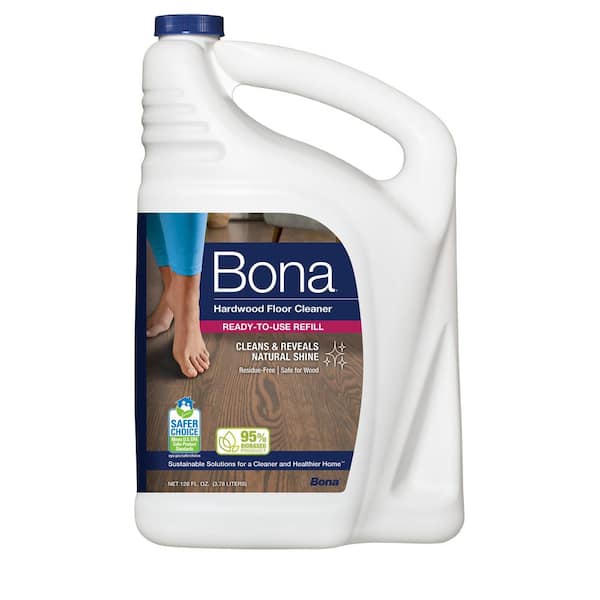
- ABC Wood Floor Cleaner: This cleaner is specifically designed for hardwood floors and is highly effective in removing scuff marks. It not only cleans the surface but also helps restore the natural shine of the wood.
Application Techniques For Optimal Results
While using commercial products is an excellent way to fix scuffed hardwood floors, it’s essential to follow the right application techniques to achieve optimal results. Here are some tips to help you get the best outcome:
- Prepare the surface: Before applying any product, make sure to clean the floor thoroughly and remove any dirt or debris. This will ensure that the product can penetrate the wood effectively.
- Read the instructions: Different products may have specific application instructions, so it’s crucial to read and follow them carefully. This will ensure that you use the product correctly and achieve the desired results.
- Apply in small sections: To ensure even coverage, it’s best to apply the product in small sections. This will allow you to work on one area at a time and ensure that every inch of the floor is treated properly.
Repairing Deeper Scratches
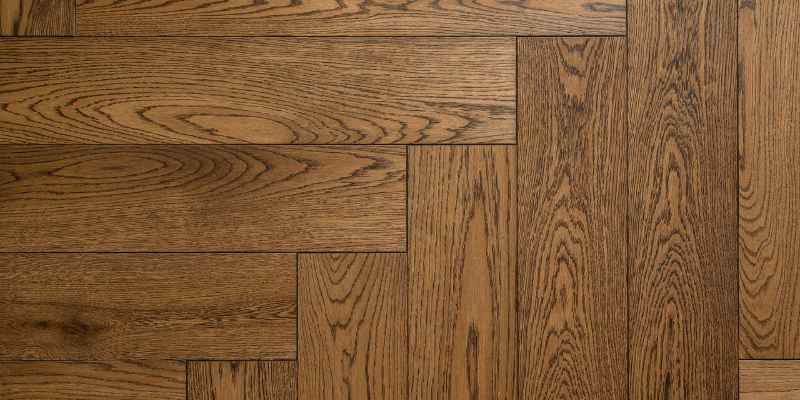
To repair deeper scratches on hardwood floors, start by cleaning the area with a damp cloth. Then, apply a matching stain and finish with a polyurethane sealer to blend it in. Prevent future scratches by using rugs and furniture pads to protect the floor.
Assessing The Severity Of Scratches
Before diving into the scratch repair process, it’s crucial to assess the severity of the scratches on your hardwood floors. Different types of scratches may require specific techniques for effective repair.
- Light Scratches: Minor surface scratches that barely penetrate the finish.
- Medium Scratches: Deeper than light scratches but haven’t reached the bare wood.
- Deep Scratches: Extend through the finish and expose the bare wood.
Step-by-step Scratch Repair Process
Repairing deeper scratches on hardwood floors requires a careful step-by-step approach to ensure a seamless finish.
- Clean the Scratched Area: Remove dirt and debris using a soft cloth or vacuum cleaner.
- Assess the Scratch Depth: Determine if the scratch has penetrated the finish or reached the bare wood.
- Select the Repair Method: Choose the appropriate method based on the scratch severity.
- Fill the Scratch: For deep scratches, fill the damaged area with wood filler matching your floor color.
- Sand the Filled Area: Once the filler dries, sand it down until it’s level with the surrounding floor.
- Apply Stain and Finish: Match the stain to your floor color and finish with a protective topcoat.
Preventative Measures
To fix scuffed hardwood floors, you can try a simple DIY solution of apple cider vinegar and olive oil. Mix equal parts of each ingredient, apply it to the scratched area, and leave it for a day before buffing it out with a soft cloth.
Another option is to create a paste using baking soda and water, applying it to the scuffed area and wiping it off after it dries. Refinishing hand scraped hardwood floors is also possible to restore their beauty and durability.
Furniture Pads And Rugs
Tips To Avoid Future Scuffs And Scratches
Preventative Measures:
Protect your hardwood floors by using furniture pads and rugs.
Furniture Pads And Rugs
- Place furniture pads under table legs and chair feet.
- Use rugs in high-traffic areas to prevent scratches.
Tips To Avoid Future Scuffs And Scratches
- Regularly clean floors to remove abrasive particles.
- Avoid dragging heavy furniture across the floor.
- Trim pet nails to prevent scratches.
- Use a doormat to trap dirt and debris at entryways.
Professional Refinishing Options
Looking to fix scuffed hardwood floors? Try a simple DIY solution by mixing equal parts apple cider vinegar and olive oil, rubbing it into the scratched area, and leaving it for a day before buffing it out with a soft cloth.
Another option is to create a paste using baking soda and water, applying it to the scuffed area, and then wiping it off after it dries.
When To Call In The Pros
If the damage to your hardwood floors is extensive or if you lack the necessary tools and expertise, it’s best to hire professional refinishing services.
What To Expect From Refinishing Services
When you opt for professional refinishing, expect skilled technicians to assess the damage, sand the floors, apply stains or finishes, and leave you with beautifully restored hardwood floors.
In the world of hardwood floor care, professional refinishing options stand out as the go-to solution for restoring scuffed and worn-out floors. When to Call in the Pros If the damage to your hardwood floors is extensive or if you lack the necessary tools and expertise, it’s best to hire professional refinishing services. What to Expect from Refinishing Services When you opt for professional refinishing, expect skilled technicians to assess the damage, sand the floors, apply stains or finishes, and leave you with beautifully restored hardwood floors.
Final Touches And Ongoing Care
To fix scuffed hardwood floors, start by cleaning the area with a damp rag and then apply a polyurethane sealer. For deeper scratches, use a mix of apple cider vinegar and olive oil, leave it for a day, then buff with a soft cloth.
To prevent further scratches, use area rugs and protective pads on furniture.
Polishing And Buffing Techniques
To give your hardwood floors that final touch, polishing and buffing are essential steps. Start by cleaning the floor thoroughly to remove any dirt or debris. Then, use a hardwood floor polish to restore shine and protect the surface. When buffing, use a microfiber cloth or a buffer machine for a smooth finish.
Long-term Maintenance Schedule
Creating a long-term maintenance schedule is crucial for preserving the beauty of your hardwood floors. Establish a regular cleaning routine using a hardwood floor cleaner recommended by the manufacturer. Implement preventive measures such as placing protective pads under furniture legs to prevent scratches.

Frequently Asked Questions
How Do You Restore Scuffed Wood Floors?
To restore scuffed wood floors, mix equal parts apple cider vinegar and olive oil. Rub the mixture into the scratches, leave it for a day, then buff it out with a soft cloth. Another method is to make a paste of baking soda and water, apply it to the scuffed area, and then remove it with water.
Do Scuff Marks Come Out Of Hardwood Floors?
Yes, scuff marks can come out of hardwood floors using methods like apple cider vinegar and olive oil, or a paste of baking soda and water. These natural remedies can help reduce and remove scratches without sanding.
How Do You Get Scuff Marks Off Hardwood Floors Without Sanding?
To remove scuff marks from hardwood floors without sanding, make a paste of olive oil and baking soda. Apply the paste to the scuffed area, let it sit for a day, then wipe it off. This natural remedy helps reduce and remove scratches from wood surfaces.
Can You Refinish Scraped Hardwood Floors?
Yes, you can refinish scraped hardwood floors. Refinishing allows you to repair surface damage, enhance durability, and restore the beauty of your floors.
Conclusion
Fixing scuffed hardwood floors is achievable with simple DIY methods using household items. From baking soda paste to olive oil and vinegar, these natural remedies can effectively remove scratches and scuffs. Refinishing hand-scraped hardwood floors is also possible, restoring their beauty and durability.
With these solutions, you can maintain the luster of your hardwood floors effortlessly.