How to Remove Glued Hardwood Flooring Without Wrecking the Subfloor
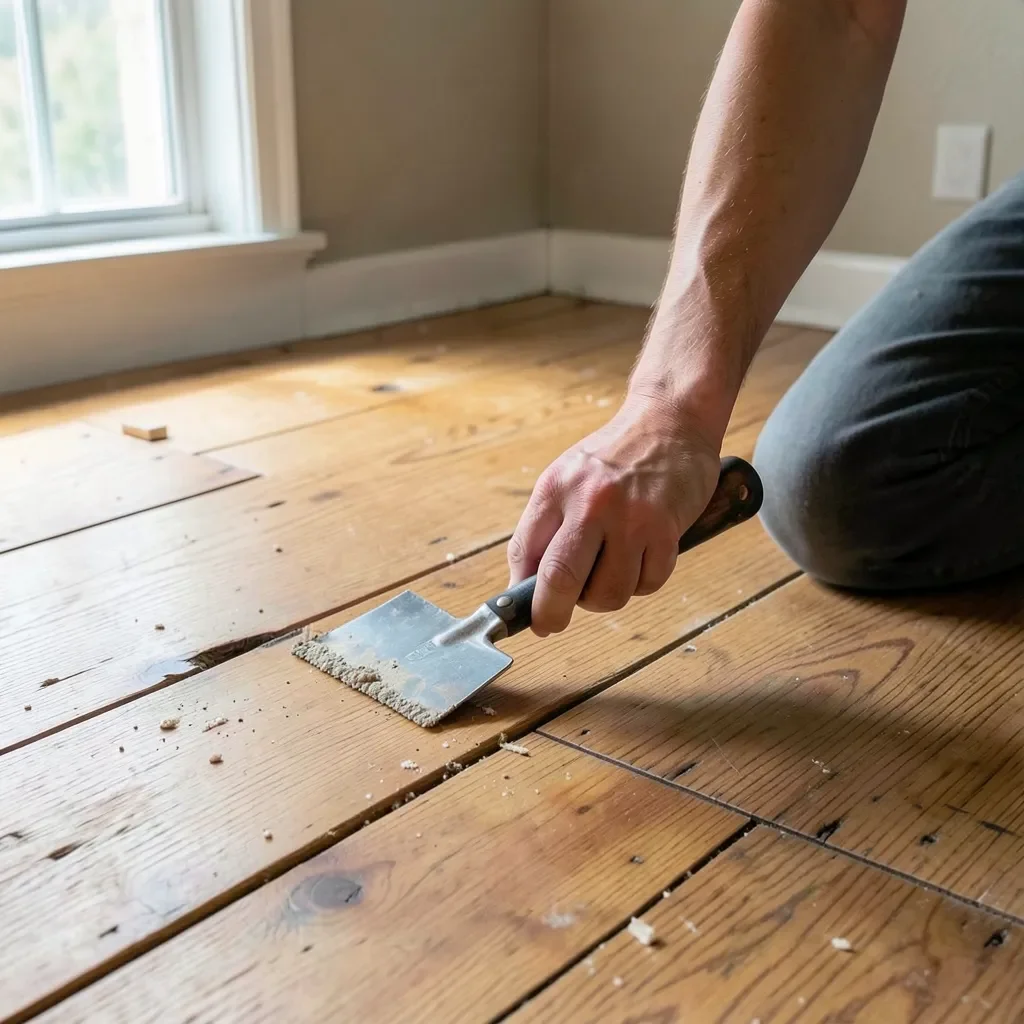
Removing glued-down hardwood flooring means breaking the bond between the wood and the subfloor, not just prying up boards – the adhesive is usually stronger than the wood itself. A heat gun or floor heater softens the adhesive so a floor scraper can get under each board without shattering it, which is faster and less destructive than brute-force prying.
Check for Asbestos Before You Start
Black “cutback” adhesive used under hardwood and vinyl flooring before the early 1980s frequently contained asbestos. If your flooring was installed before 1980 and the adhesive is black and tar-like, don’t sand or aggressively scrape it – have a sample tested first. Disturbing asbestos-containing adhesive by sanding releases fibers into the air, which is the actual health risk (undisturbed, intact adhesive is not dangerous).
Best for Safe Glue Removal
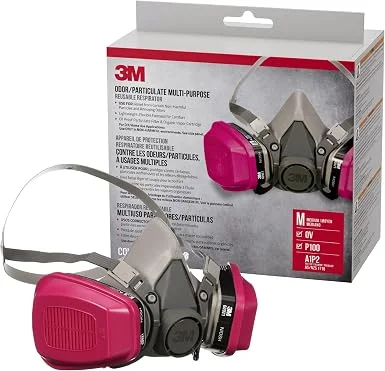 |
3M OV/P100 Multipurpose Respirator – $32.67 Scraping dried adhesive residue kicks up fine dust, and if the flooring predates 1980 that dust may carry asbestos fibers – a proper respirator, not a dust mask, is what actually protects against that.
|
Choosing the Right Scraper Blade
A sharp, wide floor scraper blade cuts under softened adhesive far more efficiently than a dull one, which tends to skip and bounce rather than shear cleanly underneath the board – resharpening or replacing the blade partway through a large room is a reasonable expectation, not a sign of doing something wrong. A narrower pry-bar-style scraper works better in tight spots near walls and cabinets where a wide floor scraper can’t fit.
Renting vs. Buying Heat Equipment
A dedicated floor-adhesive heater (a rented tool at most equipment rental centers) covers a wider area per pass than a handheld heat gun and is worth the rental cost for a full room, while a heat gun alone is more practical for a small area or a single damaged board needing spot repair. Renting for a weekend and working in one continuous push is usually more cost-effective than a slower approach with a smaller handheld tool across a large room.
Renting a Floor Removal Machine for Large Areas
For a whole-house removal, a walk-behind floor scraper (available at most equipment rental centers) removes glued flooring dramatically faster than hand tools, at the cost of a rental fee and a learning curve for controlling the machine safely on the first pass. This is worth the cost calculation for anything beyond a single room, where the time saved usually outweighs the rental price compared to days of hand-scraping.
Ventilation During Adhesive Removal
Heating old adhesive releases fumes even from non-asbestos products, and working with windows open and a fan exhausting air outward reduces exposure regardless of the adhesive’s age or composition. This matters even more with a citrus-based chemical remover, whose solvent fumes can build up in an enclosed room faster than the heat-gun method alone would produce.
Protecting Baseboards and Trim During Removal
A pry bar or scraper working close to a wall can easily gouge baseboards or door casings if not protected – a thin scrap of plywood or a plastic putty knife held against the trim as a shield while working the edge boards prevents cosmetic damage that would otherwise need separate repair once the floor is done.
Heat-and-Scrape Beats Prying
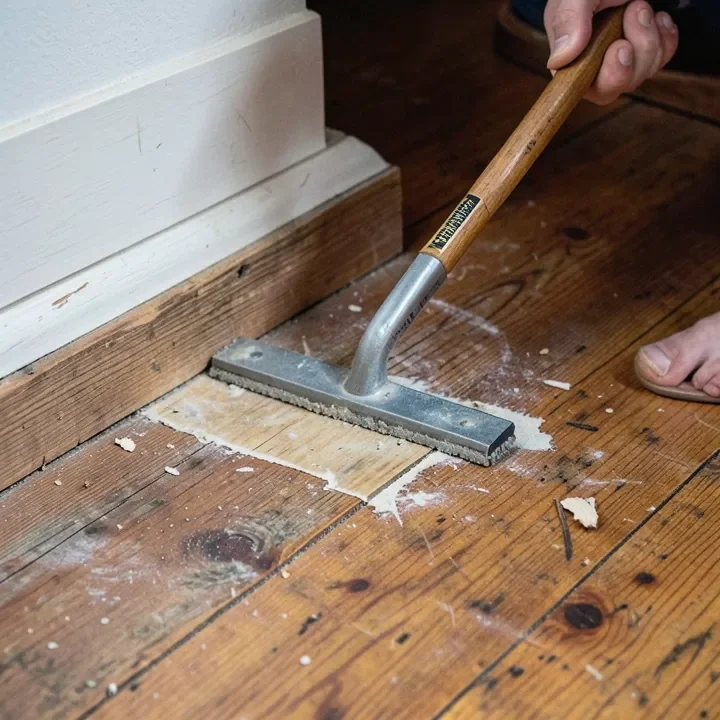
Run a heat gun or a rented floor-adhesive heater over a small section (about 1 square foot) until the glue softens – you’ll feel less resistance when you slide a floor scraper’s blade underneath. Work in small sections rather than heating the whole room at once; adhesive re-hardens within a minute or two of cooling, so heat only as much as you can scrape before it sets back up.
Removing the Leftover Adhesive Residue
After the boards are up, a thin film of dried adhesive almost always remains on the subfloor. A floor scraper handles most of it once the residue has cooled and hardened (it’s easier to scrape brittle than soft). For stubborn spots, a citrus-based adhesive remover softens the film without the fumes of solvent-based strippers, though it takes longer to work.
Dealing With Squeaky or Loose Subfloor After Removal
Removing old flooring often reveals subfloor fasteners that have backed out slightly or loosened over years of foot traffic – re-securing the subfloor to the joists with construction screws before installing anything new prevents the same squeaks and movement from carrying through to the replacement floor. This is a cheap, easy step to skip since it’s invisible once the new floor goes down, but it directly affects how the finished floor feels and sounds underfoot.
What’s Left Underneath Matters for the Next Floor
Any adhesive residue left behind can telegraph through a new floating floor or interfere with new adhesive bonding to the subfloor for a fresh glue-down installation. Sand or scrape the subfloor until it’s smooth to the touch before installing anything new – a rushed removal job here is the most common reason a replacement floor fails early.
What to Do With the Removed Flooring
Solid hardwood removed from a glued installation rarely salvages cleanly for reuse, since the adhesive typically damages the board’s underside and sometimes chips the face during removal – plan on disposal rather than reuse unless the boards come up unusually clean. Check local waste disposal rules before assuming old flooring can go in standard construction debris, since some municipalities have separate handling requirements for adhesive-contaminated wood waste.
Frequently Asked Questions
What is the easiest way to remove glued-down hardwood flooring?
Heating small sections with a heat gun or floor heater to soften the adhesive, then working a floor scraper underneath, is faster and less destructive than prying boards up cold.
Could old flooring adhesive contain asbestos?
Black, tar-like “cutback” adhesive installed before the early 1980s often did. Have it tested before sanding or aggressively disturbing it if your flooring predates 1980.
Do you need to remove all the old adhesive before installing new flooring?
Yes – leftover residue can telegraph through a floating floor or prevent new glue-down adhesive from bonding properly to the subfloor.