Discontinued Hardwood Flooring: How to Match or Replace It
Discontinued hardwood flooring can still be matched in most cases — but only if you first identify the exact species, plank width, and finish, not just the color. Guessing at a replacement wastes money on wood that clashes under different lighting. This guide covers how to identify your existing floor, where reclaimed and custom-stained matches actually come from, and when refinishing the whole floor beats chasing an exact match.
What Is Discontinued Hardwood Flooring?
Best Discontinued Floor Match Pick
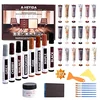
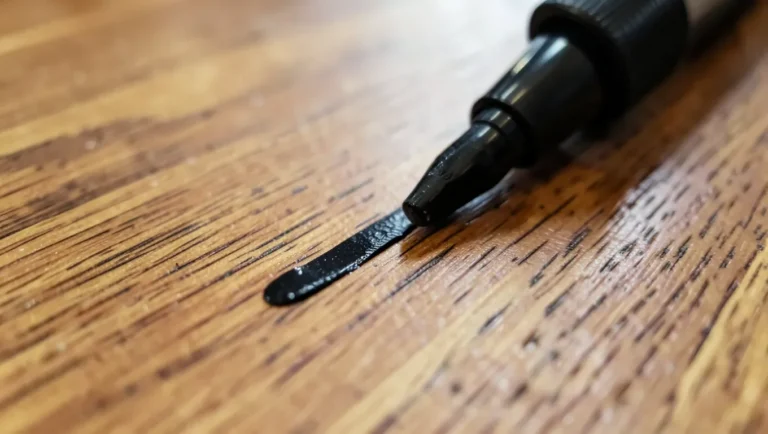
Wood Floor Scratch Repair Kit (39-Piece) – $21.20
18 mixable wood filler colors plus 8 touch-up markers — built for exactly the “mix colors to get a closer match” approach this guide recommends when no exact replacement plank exists.
- Best for: touching up color mismatches after installing a close-but-not-exact replacement plank
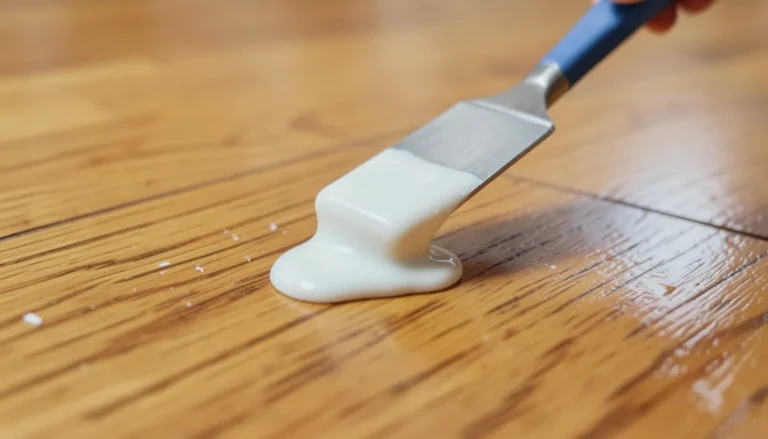
- Why we picked it: 18 mixable filler shades plus 8 marker colors cover nearly any discontinued stain tone without a custom shop order
- Main drawback: the wood putty can dry out if the cap isn’t resealed tightly between uses, per multiple buyer reviews
As an Amazon Associate we earn from qualifying purchases.
Discontinued hardwood flooring is wood flooring no longer made. Companies stop making certain styles due to trends or costs.
It’s usually solid or engineered wood. Solid wood is one thick piece. Engineered wood has layers for extra strength. When a style is discontinued, finding matching planks is tough. This matters if you’re repairing or expanding your floor. I once spent weeks hunting for a discontinued walnut plank! Knowing what it is helps you plan your next steps.
Why Does Flooring Get Discontinued?
Trends change fast in flooring. Wide planks and light stains are popular now. Older styles, like narrow dark oak, often get discontinued. Manufacturers also stop colors that don’t sell well. For example, my coffee-stained oak was replaced by trendy white oak. Economic factors, like high production costs, can also lead to discontinuation. Understanding this helps you know why your floor is hard to find.
How to Identify Your Existing Floor Before Searching
Matching starts with identification, not shopping. Pull up one loose plank from a closet or under an appliance and note these five things before you contact anyone:
- Species: oak, maple, walnut, and hickory all take stain differently — a “close” color on the wrong species will still look off once it’s down.
- Plank width and thickness: measure both. A 2−1/4″ strip plank next to a 5″ wide plank reads as mismatched even in an identical stain.
- Grain pattern: plain-sawn, quarter-sawn, and rift-sawn boards from the same species look noticeably different side by side.
- Finish sheen: satin, semi-gloss, and matte polyurethane reflect light differently under lamps, which is why an otherwise perfect color match can still stand out.
- Brand and SKU: check the box end-flap if any are left in the attic or garage, or the receipt if you still have it — this is the fastest way to get an exact manufacturer match, not just a close one.
Take the loose plank itself, not just a photo, when you visit a store or reclamation yard — digital photos shift color under different lighting and store staff need the physical sample to mix a stain or grade lumber correctly.
How to Find Discontinued Hardwood Flooring
Finding discontinued hardwood flooring takes patience. Here’s a simple guide to help you start.
I’ve used these steps to track down old planks for my home. They’re beginner-friendly and save time.
Step-by-Step Guide to Finding Discontinued Flooring
- Check Your Floor’s Details: Find the brand, style, and color name. Look at old receipts or boxes in your attic.
- Contact the Manufacturer: Call or email the company. Some keep extra stock of discontinued styles.
- Search Online Marketplaces: Sites like eBay and Etsy occasionally list leftover boxes of discontinued styles — search the exact brand and SKU from your identification step, not just “oak flooring.”
- Visit Reclamation Yards: These places sell salvaged wood. They might have your exact match.
- Ask Local Retailers: Small flooring stores may have leftover stock. Call around your area.
- Tip: Take a sample of your floor to stores. It helps them match it exactly.
Where to Look for Discontinued Flooring
Here’s a table to guide your search:
| Place | What to Expect | Cost Range |
|---|---|---|
| eBay/Etsy | Rare boxes of old stock | $2-$10 per sq. ft. |
| Reclamation Yards | Salvaged or reclaimed wood | $3-$8 per sq. ft. |
| Local Flooring Stores | Leftover discontinued inventory | $4-$12 per sq. ft. |
| Manufacturer | Limited stock, if available | $5-$15 per sq. ft. |
| Table 1: Places to Find Discontinued Hardwood Flooring |
Visual Idea: A diagram showing how to measure a plank’s width and thickness for matching.
Alternatives to Matching Discontinued Flooring
Sometimes, you can’t find your exact floor. Don’t worry! There are other ways to fix or replace it.
I’ve tried these options in my own home projects. They’re easy and look great.
Option 1: Custom-Made Flooring
You can order unfinished wood to match your floor. Take a sample to a paint store. They can mix a stain to match your old floor. Install the new planks and stain them on-site. This worked for my oak floor repair. It’s not perfect, but it’s close!
Option 2: Mix and Match Styles
Blend new planks with old ones. Use a different color or pattern in one area, like a border. A herringbone or chevron accent in the transition area is a common way installers hide a mismatched batch entirely, turning the seam into a deliberate design choice instead of a flaw.
Option 3: Replace the Whole Floor
If matching isn’t possible, consider new flooring. Modern engineered hardwood is durable and affordable. It’s a big step, but it can refresh your home.
Option 4: Refinish the Whole Floor Together
If the discontinued planks are solid wood (not engineered) and only cosmetically worn rather than damaged, sanding and refinishing the entire floor — old sections and any new in-fill boards together — usually gives a more unified look than spot-matching stain colors. The sanding process levels out color and sheen differences between old and new wood in a way that touch-up staining alone cannot.
Option 5: Harvest Planks From a Low-Traffic Area
For a small repair, pull a few boards from a closet, under a permanently placed appliance, or a corner that will be covered by furniture, then patch that hidden spot with new wood instead. This gives you an exact material and age match for the visible repair, at the cost of a much easier fix hidden out of sight.
| Option | Pros | Cons |
|---|---|---|
| Custom-Made Flooring | Close match, affordable | Takes time, not exact |
| Mix and Match | Creative, unique look | May look patchy if not done well |
| Full Replacement | Fresh look, easy to find | Expensive, big project |
| Table 2: Alternatives to Discontinued Hardwood Flooring |
Visual Idea: A sketch of a room with a mixed hardwood pattern, like herringbone.
Tools and Materials You’ll Need
Fixing or replacing discontinued flooring needs a few tools. Here’s what I use for small repairs.
These are simple and affordable for beginners.
- Pry Bar: To lift old planks gently.
- Tape Measure: To check plank sizes.
- Wood Stain: For custom matching.
- Sandpaper: To smooth new planks.
- Nails or Glue: For securing new pieces.
- Safety Tip: Wear gloves when handling wood. Splinters hurt!
You can find these at stores like Home Depot or Lowe’s.
Benefits and Drawbacks of Discontinued Flooring
Discontinued hardwood flooring has ups and downs. Here’s a quick look to help you decide.
Benefits
- Unique Style: Old floors have character new ones don’t.
- Eco-Friendly: Reusing wood saves resources.
- Cost-Saving: Finding old stock can be cheaper than new flooring.
Drawbacks
- Hard to Find: Matching takes time and effort.
- Limited Stock: You might not find enough planks.
- Fading Issues: Old floors may not match new ones due to age.
| Aspect | Benefit | Drawback |
|---|---|---|
| Style | Unique, vintage look | May not match modern trends |
| Cost | Can be cheaper if found | Custom matching adds costs |
| Availability | Eco-friendly if reused | Hard to find exact matches |
| Table 3: Benefits vs. Drawbacks of Discontinued Hardwood Flooring |
Common Mistakes to Avoid
I’ve made mistakes with discontinued flooring. Here are some to watch out for:
- Not Checking Details: Always know your floor’s brand and style. Guessing wastes time.
- Skipping Samples: Always test a custom stain on a scrap piece or an inconspicuous closet plank first — stain color shifts once it’s on the actual wood species versus the store’s sample chip.
- Ignoring Alternatives: Don’t get stuck on an exact match. Be open to new styles.
Visual Idea: A chart showing how to compare old and new plank sizes.
Tips for a Faster, Cleaner Match
A few practical tips that make this process faster:
- Start Small: Fix one plank before tackling a whole room.
- Ask for Help: Local stores or online forums have great advice.
- Be Patient: Finding discontinued flooring takes time, but it’s worth it.
Frequently Asked Questions
What Is Discontinued Hardwood Flooring?
Discontinued hardwood flooring is wood no longer made by companies. It’s hard to find because trends or costs change. For example, my old oak floor was discontinued in the 1990s. You can search online or contact manufacturers to find it.
Why Is My Flooring Hard to Find?
Manufacturers stop making certain floors when styles change. For instance, narrow dark planks aren’t popular now. Low sales or high costs also lead to discontinuation. Check old receipts to identify your floor’s details.
Can I Match Discontinued Hardwood Flooring?
Yes, but it’s tricky. Look on eBay, reclamation yards, or contact the manufacturer. You can also buy unfinished wood and stain it to match. I matched my oak floor this way, and it looked close enough!
What If I Can’t Find My Exact Floor?
Try custom staining new wood to match. Or mix new styles, like a herringbone pattern. Replacing the whole floor with modern hardwood is another option. Each choice depends on your budget and time.
How Much Does Discontinued Flooring Cost?
Costs vary by source. eBay might charge $2-$10 per square foot. Reclamation yards range from $3-$8. Custom staining adds $1-$3 per square foot. Always compare prices before buying.
Are There Eco-Friendly Options?
Yes! Reusing old planks or buying reclaimed wood is eco-friendly. It saves trees and reduces waste. Check reclamation yards or sites like BuildDirect for green choices.
How Do I Avoid Mistakes with Discontinued Flooring?
Know your floor’s brand and style. Test stains on small pieces first. Don’t rush—explore all options like mixing styles or replacing the floor. My biggest mistake was not testing a stain first!
Conclusion
Discontinued hardwood flooring can be a challenge, but it’s manageable. You can find old planks, custom-match new ones, or try creative patterns. Use my tips to save time and money. Start small, be patient, and have fun with your project. Your home will look amazing! Share your flooring story in the comments or try a small repair today. Visit Flooring Inc for more ideas. Happy flooring!
Sponsored / affiliate links. As an Amazon Associate I earn from qualifying purchases. I may earn additional commission from eligible campaigns.