How to Get a Scratch Out of Hardwood Floor: Quick Fixes
To get a scratch out of a hardwood floor, use stain markers, wax sticks, or natural remedies like baking soda and olive oil to fill in or reduce the appearance of the scratch. These methods are quick and easy alternatives to sanding.
Hardwood floors are a beautiful and timeless addition to any home. However, scratches can detract from their appearance. Fortunately, there are several effective methods for removing scratches from hardwood floors without the need for sanding. From using stain markers and wax sticks to applying natural remedies like baking soda and olive oil, there are quick and easy solutions to restore the luster of your hardwood floors.
We’ll explore various techniques for effectively removing scratches and maintaining the pristine condition of your hardwood flooring.
Introduction To Hardwood Floor Care
Learn how to remove scratches from hardwood floors with these simple methods. Stain markers, wax sticks, and natural remedies like baking soda and olive oil can help reduce and remove scratches without the need for sanding. Say goodbye to unsightly scratches and keep your hardwood floors looking their best.
Hardwood floors add a touch of elegance and warmth to any home. Proper care and maintenance are essential to preserve their beauty and longevity. Understanding the common causes of scratches and the importance of immediate repair is crucial in maintaining the pristine condition of hardwood floors.
Common Causes Of Scratches
- Dragging heavy furniture or appliances
- Walking with sharp or stiletto heels
- Pet claws and accidents
- Abrasive dirt and debris
- Improper cleaning tools
Why Immediate Repair Is Important
Immediate repair of scratches is vital to prevent further damage and maintain the aesthetic appeal of hardwood floors. Unaddressed scratches can lead to deep gouges and compromise the integrity of the wood, making it susceptible to moisture and dirt penetration. Timely repair also prevents the need for extensive restoration in the future, saving time and money.
Identifying The Severity Of Scratches
To get a scratch out of a hardwood floor, start by identifying the severity of the scratch. For small scratches on a new finish, you can try using stain markers, wax sticks, or crayons to fill in the scratch. For deeper scratches, you may need to clean the area, apply a polyurethane sealer, and finish with a waterborne finish.
Avoid using magic erasers or abrasive materials as they can damage the wood.
Differentiating Between Minor And Major Scratches
Scratches on hardwood floors are inevitable over time. However, not all scratches are the same. It is important to differentiate between minor and major scratches before attempting any repair.
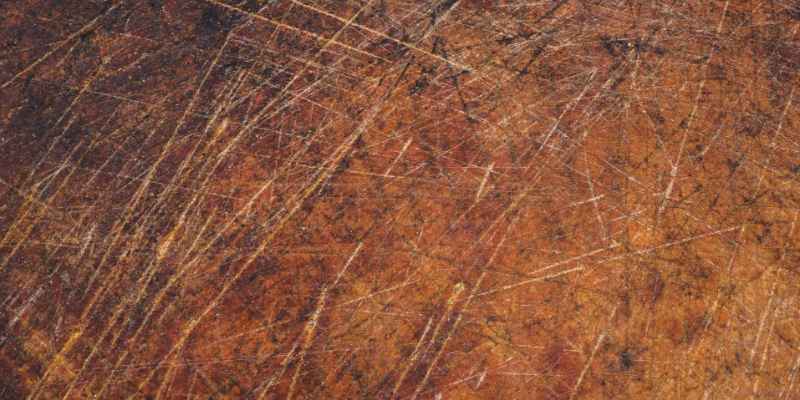
Minor scratches are surface-level scratches that only affect the finish of the hardwood. They are usually not very noticeable and can be easily fixed with simple DIY methods.
On the other hand, major scratches are deep and can penetrate through the finish and into the wood. These types of scratches are more difficult to repair and may require professional assistance.
When To Call A Professional
If you have identified that the scratches on your hardwood floors are major, it is best to call a professional for assistance. Attempting to repair major scratches on your own can lead to further damage and may require more expensive repairs in the long run.
Professional hardwood floor repair services have the necessary tools and expertise to repair major scratches and restore your hardwood floors to their original state. It is important to do your research and choose a reputable professional to ensure the best results.
In conclusion, identifying the severity of scratches on your hardwood floors is the first step in determining the appropriate repair method. If the scratches are minor, DIY methods can be used. However, for major scratches, it is best to seek professional assistance to avoid further damage.
DIY Scratch Removal Techniques
Get rid of scratches on your hardwood floor with DIY scratch removal techniques. Fill in scratches with stain markers, wax sticks, or crayons, or try natural remedies like baking soda and olive oil to reduce and remove scratches. Avoid using abrasive materials like magic erasers on high gloss surfaces and always spot test before cleaning.
If your beautiful hardwood floors have suffered from minor scratches, don’t fret! There are simple and effective DIY techniques you can try to remove those unsightly marks. No need for expensive professional help or complicated procedures. With just a few household items, you can restore the natural beauty of your hardwood floors in no time.
Using Household Items For Minor Scratches
For minor scratches on your hardwood floor, you can utilize common household items to repair the damage. Here are a few simple methods to try:
1. Using a walnut: Yes, you read that right! Take a walnut and rub it gently over the scratch. The natural oils in the walnut will help to darken the scratch, making it less noticeable. Remember to rub in the direction of the wood grain for the best results.
2. Applying tea bags: Steep a black tea bag in hot water and allow it to cool. Then, take the damp tea bag and gently rub it over the scratch. The tannins in the tea will help to darken the scratch, camouflaging it.
3. Using a crayon: Choose a crayon that matches the color of your hardwood floor. Fill the scratch with the crayon, making sure to apply it in the direction of the wood grain. Use a clean cloth to remove any excess crayon and blend it seamlessly with the surrounding area.
The Vinegar And Olive Oil Method
If the scratches on your hardwood floor are a bit more noticeable, you can try the vinegar and olive oil method. This technique helps to moisturize the wood, reducing the appearance of scratches. Here’s how to do it:
1. Mix equal parts of white vinegar and olive oil in a small bowl. Stir well to combine.
2. Dip a soft cloth into the mixture and wring out any excess liquid.
3. Gently rub the cloth over the scratches, moving in the direction of the wood grain. Apply light pressure to ensure the mixture penetrates the scratch.
4. Allow the vinegar and olive oil mixture to sit on the scratches for a few minutes.
5. Use a clean cloth to wipe away any excess mixture.
Remember, these DIY scratch removal techniques are suitable for minor scratches only. If you have deep or extensive damage, it’s best to consult a professional for repair. With a little patience and the right approach, you can restore the beauty of your hardwood floors and enjoy their pristine appearance once again.
Commercial Products For Scratch Repair
When it comes to repairing scratches on hardwood floors, there are several commercial products available that can help restore the beauty of your flooring. These products are designed to fill in the scratches and restore the color of the wood, making them an effective solution for minor scratches and scuffs. Here are two popular options:
Stain Markers
Stain markers are a convenient and easy-to-use solution for repairing minor scratches on hardwood floors. These markers contain a stain that matches the color of your flooring, allowing you to precisely fill in the scratch and blend it with the surrounding wood. To use a stain marker, simply shake it well, press the tip onto the scratch, and apply the stain in a back-and-forth motion until the scratch is filled. Wipe away any excess stain with a clean cloth and allow it to dry. Stain markers are available in various shades to match different wood finishes.
Wax Sticks
Wax sticks are another popular choice for repairing scratches on hardwood floors. These sticks are made of a blend of wax and pigments that can be melted and applied to the scratch. To use a wax stick, heat it using a lighter or a hairdryer until it becomes soft and pliable. Then, press the softened wax into the scratch and smooth it over with a putty knife or a plastic card. Once the wax has hardened, use a cloth to buff the area and remove any excess wax. Wax sticks are available in different colors to match various wood tones.
While stain markers and wax sticks can be effective for minor scratches, it’s important to note that they may not completely eliminate deep or severe scratches. In such cases, it’s recommended to consult a professional for more extensive repair options.
Murphy’s oil soap is a versatile product that not only cleans hardwood floors but can also help with scratch repair. However, it’s important to note that Murphy’s oil soap is not specifically designed for scratch repair and may not be as effective as stain markers or wax sticks. It can help remove stains, marks, and scratches on waxed floors by gently cleaning the surface and minimizing their appearance. To use Murphy’s oil soap for scratch repair, simply dilute it according to the instructions on the bottle and apply it to the scratched area using a soft cloth. Gently rub the soap into the scratch, following the direction of the wood grain, and then wipe away any excess soap. Repeat the process as needed until the scratch is less visible.
In conclusion, stain markers and wax sticks are two popular commercial products for repairing scratches on hardwood floors. They provide a convenient and effective solution for minor scratches and can help restore the beauty of your flooring. However, for deep or severe scratches, it’s best to seek professional assistance or explore more extensive repair options.
Preparation Steps Before Fixing Scratches
Hardwood floors are beautiful and durable, but scratches can happen over time due to regular wear and tear. Before fixing scratches on your hardwood floors, there are some preparation steps that you need to take to ensure that the repair process goes smoothly and effectively. Here are the things you need to do before fixing scratches on your hardwood floors:
Cleaning The Scratched Area
The first step in preparing your hardwood floors for scratch repair is cleaning the scratched area. You need to remove any dirt, debris, and dust from the scratched area to ensure that the repair solution adheres to the wood properly. You can use a soft-bristled broom or vacuum cleaner to remove any loose dirt and debris. After that, use a damp cloth to wipe the scratched area clean and let it dry completely before proceeding to the next step.
Selecting The Right Color Match
The next step is selecting the right color match for your hardwood floors. You need to make sure that the color of the repair solution matches the color of your hardwood floors to achieve a seamless repair. You can use wood stain markers, wax sticks, or crayons to fill in the scratch with a matching color. Alternatively, you can use natural remedies like baking soda and olive oil to remove scratches from the wood.
By following these preparation steps, you can ensure that your hardwood floors are ready for scratch repair. Remember to choose the right repair solution and apply it carefully to achieve the best results.
Applying Quick Fixes
If you notice a scratch on your hardwood floor, quick fixes can help restore its appearance. Here are some easy methods to address scratches without the need for extensive sanding.
Step-by-step Guide To Using Stain Markers
Stain markers are a convenient solution for minor scratches on hardwood floors.
- Choose a stain marker that matches the color of your floor.
- Gently color over the scratch with the stain marker, filling it in completely.
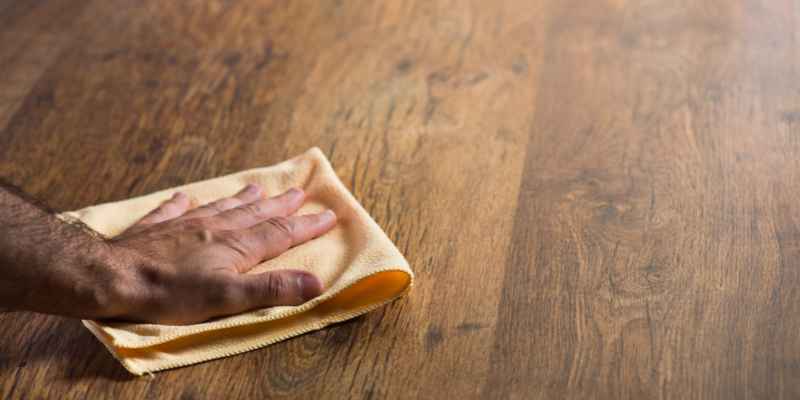
- Wipe off any excess marker with a clean cloth for a seamless finish.
Techniques For Applying Wax Filler
Wax fillers can effectively mask scratches and restore the smooth surface of your hardwood floor.
- Select a wax filler that closely matches the color of your floor.
- Apply the wax filler directly into the scratch, filling it in level with the surface.
- Use a putty knife to smooth out the filler and blend it with the surrounding area.
Alternative Remedies For Scratch Removal
When it comes to removing scratches from hardwood floors, exploring alternative remedies can be a game-changer. Below, we delve into two effective methods that can help restore your floors to their former glory.
Baking Soda Methods
One simple yet effective way to tackle scratches on hardwood floors is by using a mixture of baking soda and water. Create a paste-like consistency, gently apply it to the scratched area, and rub it with a soft cloth. This method can help diminish the appearance of scratches and blend them in with the surrounding wood.
The Magic Of Magic Erasers
Magic Erasers are known for their versatile cleaning abilities, and they can also work wonders on hardwood floor scratches. Simply dampen the Magic Eraser and gently rub it over the scratched area. The abrasive nature of the eraser can help buff out minor scratches and imperfections, leaving your floors looking refreshed.
Preventing Future Scratches
To prevent future scratches on hardwood floors, use furniture pads under heavy items, avoid dragging furniture, and keep pet nails trimmed. Regularly clean and maintain the floor to minimize potential damage. Additionally, consider using area rugs in high-traffic areas to protect the wood surface.
Protect the beauty of your hardwood floors by implementing effective strategies to prevent future scratches. By following these maintenance tips and protective measures, you can ensure your floors retain their pristine appearance for years to come.
Regular Maintenance Tips
- Place felt pads under furniture legs to avoid scratches from movement.
- Sweep or vacuum regularly to remove dirt and debris that can cause scratches.
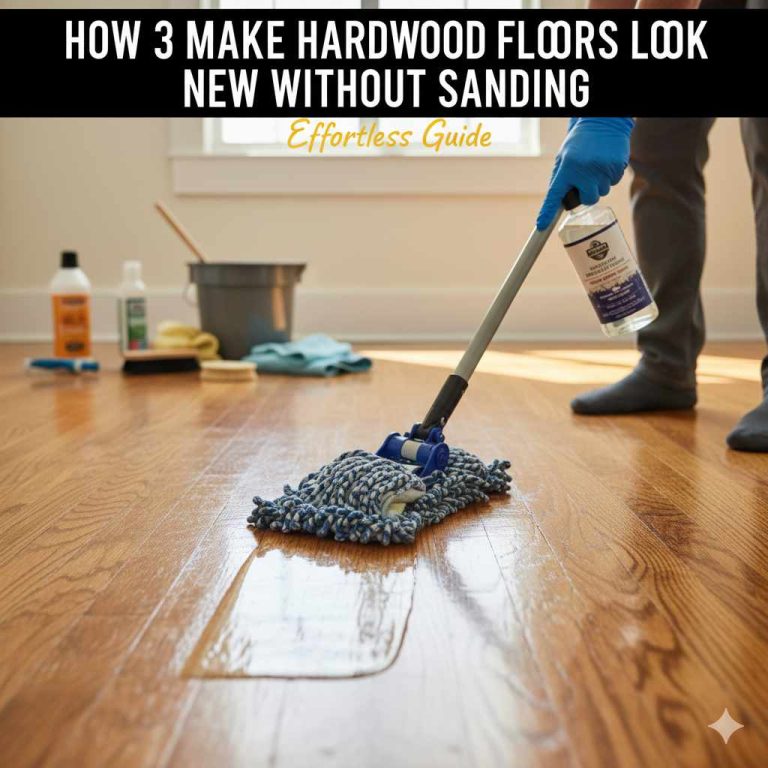
- Use a damp mop with a hardwood floor cleaner for routine cleaning.
- Avoid wearing high heels or shoes with sharp edges on hardwood floors.
Protective Measures For Hardwood Floors
| Protective Measure | Benefits |
|---|---|
| Area rugs and doormats | Prevent dirt and grit from being tracked onto the floors. |
| Trim pet nails regularly | Minimize scratches caused by pets moving around the house. |
| Use furniture pads | Prevent scratches and scuffs from furniture legs. |
By incorporating these simple yet effective tips into your maintenance routine, you can safeguard your hardwood floors against unsightly scratches and maintain their elegance for years to come.
When To Refinish Instead Of Repair
If you notice deep scratches, extensive wear, or dullness on your hardwood floor, it might be time to consider refinishing instead of just repairing individual scratches.
Signs That Indicate Refinishing Is Needed:
- Deep scratches that are prominent
- Widespread wear and tear across the floor
- Dullness or lack of shine on the surface
The Process Of Refinishing Hardwood Floors:
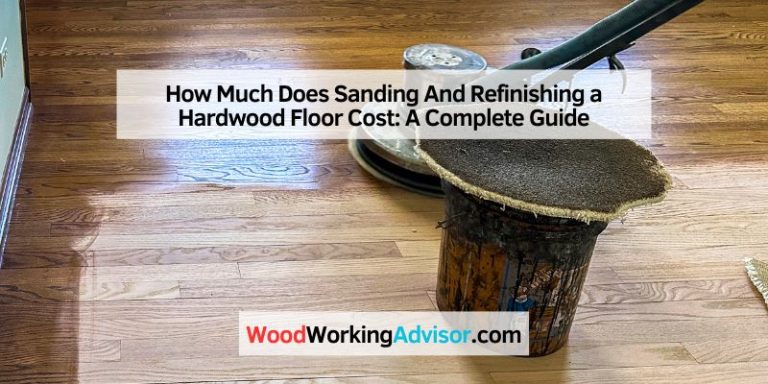
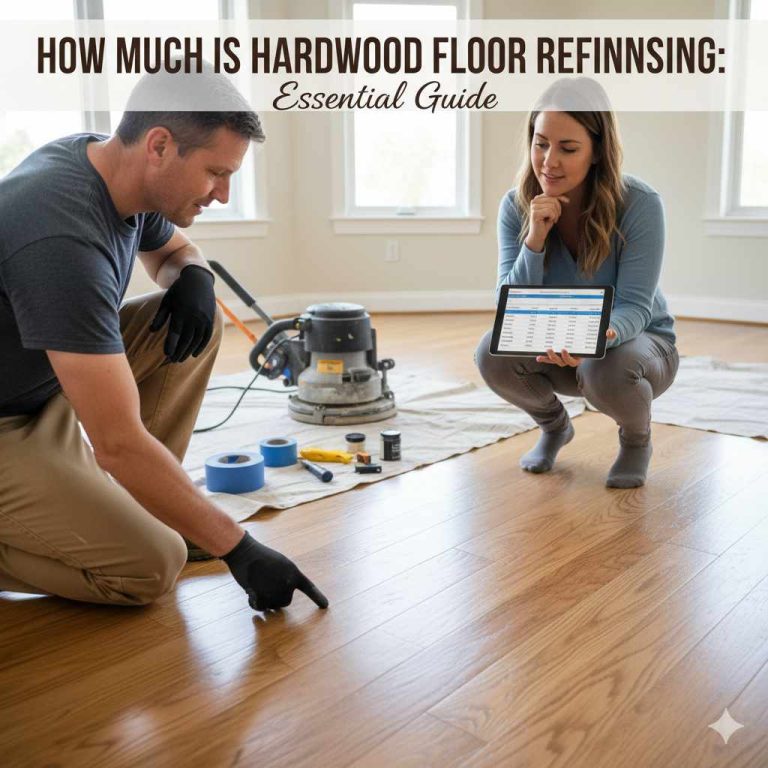
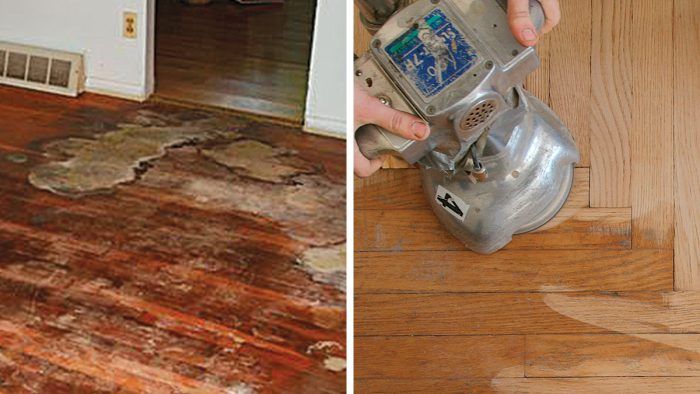
Refinishing hardwood floors involves sanding down the existing finish, applying a new stain or finish, and sealing the surface for protection.
- Prepare the room by removing furniture and rugs
- Sand the floor to remove the existing finish
- Apply a new stain or finish to achieve the desired look
- Seal the floor with a protective coat for longevity
Expert Advice And Final Thoughts
Remove scratches from hardwood floors by using stain markers, wax sticks, or natural remedies like baking soda and olive oil. These methods help fill in the scratches with a matching color or reduce their appearance. Consider applying a polyurethane sealer or a waterborne finish for a polished look.
Consulting With Flooring Specialists
If you’re dealing with a scratch on your hardwood floor that you just can’t fix, it might be time to consult with a flooring specialist. These professionals have the knowledge and experience to help you determine the best course of action for your specific situation. They can assess the damage to your floor and recommend the most effective methods for repairing it. They can also provide you with advice on how to prevent future scratches and maintain the aesthetic appeal of your hardwood floors over time.
Maintaining Hardwood Floor Aesthetics Over Time
Prevention is the key to maintaining the aesthetics of your hardwood floors over time. Regular maintenance is essential to keep your floors looking their best. Some of the things you can do include:
- Place area rugs or mats in high traffic areas to minimize wear and tear.
- Use furniture pads to protect your floors from scratches caused by moving furniture around.
- Sweep or vacuum your floors regularly to remove dirt and debris that can cause scratches.
- Wipe up spills as soon as they happen to prevent water damage.
- Use a hardwood floor cleaner that is recommended by the manufacturer to keep your floors clean and shiny.
By following these tips, you can help keep your hardwood floors looking beautiful for years to come.
In conclusion, fixing a scratch on your hardwood floor can be a simple or complex process depending on the severity of the damage. Consulting with a flooring specialist can provide you with expert advice on the best course of action for your situation. Additionally, maintaining your hardwood floors over time can prevent future scratches and keep your floors looking their best.
Frequently Asked Questions
How Do You Get Scratches Out Of Hardwood Floors Without Sanding?
To remove scratches from hardwood floors without sanding, you can use stain markers, wax sticks, or crayons to fill in the scratch with a matching color. Natural remedies like baking soda and olive oil can also help reduce and remove scratches from the wood.
These quick and easy methods are effective in fixing scratches on hardwood floors.
Does Murphy’s Oil Soap Remove Scratches?
Murphy’s Oil Soap doesn’t remove scratches, but it can help clean and maintain the wood surface. For scratch removal, consider using stain markers, wax sticks, or natural remedies like baking soda and olive oil.
Do Scuff Marks Come Out Of Hardwood Floors?
Yes, scuff marks can be removed from hardwood floors. Mix baking soda and water into a paste, apply it to the scuffed area, and rub with a soft cloth. Then, remove the paste with water and allow the area to dry thoroughly.
Can You Use Magic Eraser On Hardwood Floors?
No, you should not use a magic eraser on hardwood floors. Magic erasers are abrasive and can damage the finish of the wood. It is best to use other methods, such as stain markers or natural remedies like baking soda and olive oil, to remove scratches from hardwood floors.
Conclusion
Getting scratches out of hardwood floors can be a simple and straightforward process. By using methods such as stain markers, wax sticks, or natural remedies like baking soda and olive oil, you can effectively reduce and remove scratches from your wood flooring.
Remember to always test any products or solutions in a small, inconspicuous area before applying them to the entire floor. With a little patience and care, your hardwood floors can be restored to their original beauty.