How Much Does It Cost to Sand and Refinish a Hardwood Floor? ($3-$8/Sq Ft)
Sanding and refinishing a hardwood floor costs $3 to $8 per square foot with a professional, or roughly $500 to $1,000 in materials and equipment rental if you do the work yourself. For a typical 300 square foot living room, that works out to somewhere between $900 and $2,400 professionally, based on 2026 cost data from Angi and HomeAdvisor. The exact number for your project depends on three things: how much floor you are covering, what condition it is in, and which finish you choose – and all three can swing the total by hundreds of dollars. Here is the real breakdown, not a single guessed number.
How Much Does It Cost to Sand and Refinish a Hardwood Floor?
Nationally, homeowners pay an average of $1,890 for professional hardwood floor sanding and refinishing, with most projects landing between $1,107 and $2,681, according to Angi’s 2026 cost data. Per square foot, that works out to $3 to $8 for standard sanding and refinishing, or $5 to $8 for the newer dustless sanding method, which contains dust better but uses pricier equipment. Labor typically makes up about 80 percent of that total, which is exactly why room size and floor condition – not the brand of finish you pick – move the price more than anything else.
Best DIY-Friendly Finish for a Hybrid Refinish
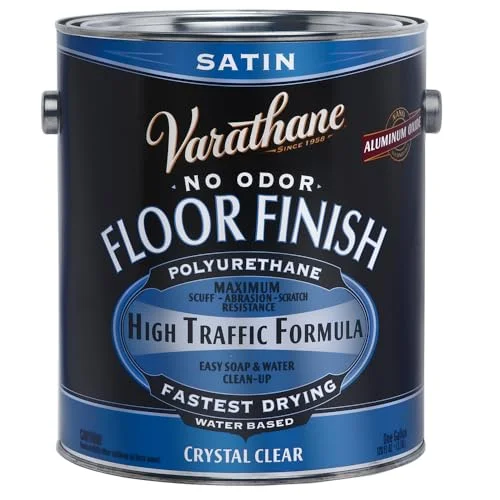 |
Varathane Diamond Water-Based Floor Polyurethane, Satin – $79.79 If you are hiring out the sanding and doing the finish coats yourself to cut labor cost, this is the fast-recoat water-based poly that lets you apply multiple coats in a single day.
|
Those per-square-foot numbers break down into three separate charges: sanding itself runs $0.50 to $3 per square foot, staining (if you are changing the wood’s color) adds $1 to $3 per square foot, and the protective finish coat runs $1 to $2 per square foot. A job that only needs a fresh coat of finish, with no sanding down to bare wood, costs far less than a full refinish – always ask a contractor to assess whether your floor needs a full sand or just a screen-and-recoat.
Cost by Project Size
Square footage is the single biggest driver of total cost, since materials and labor hours both scale with the area being sanded. Here is roughly what professional sanding and refinishing costs at common room sizes:
| Floor Area | Estimated Professional Cost |
|---|---|
| 40 sq ft (small hallway) | $120 – $320 |
| 100 sq ft (small bedroom) | $300 – $800 |
| 300 sq ft (average living room) | $900 – $2,400 |
| 400 sq ft | $1,200 – $3,200 |
| 1,000 sq ft (whole first floor) | $3,000 – $8,000 |
What Actually Drives the Price Up or Down
Wood type. Common domestic species like oak sand and finish predictably and cost less in labor time. Exotic or unusually hard woods, like Brazilian cherry or bamboo, take longer to sand evenly and can push labor costs toward the top of the range.
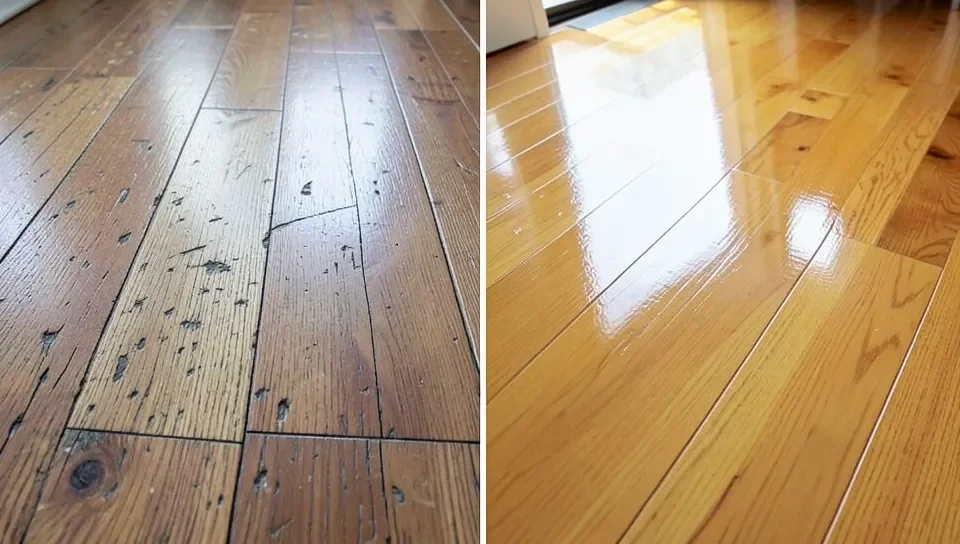
Floor condition. Deep scratches, cupped or uneven boards, pet stains, and water damage all add sanding passes and sometimes board replacement. A well-maintained floor that just needs its finish refreshed is one of the cheapest jobs a refinisher does.
Finish type – the factor most cost guides skip. Water-based polyurethane costs 10 to 25 percent more per gallon than oil-based, roughly $0.25 to $0.50 more per square foot in materials. But water-based finish dries in 2 to 6 hours per coat, while oil-based needs 8 to 12 hours between coats. That difference matters because a water-based refinish with three coats often wraps in 4 to 5 days on site, compared to 5 to 7 days for oil-based. Since labor is around 80 percent of a professional bill, fewer on-site days can offset – or beat – the higher material cost of water-based finish. If you are comparing quotes, ask which finish is included and how many labor-days the contractor is billing for.
Room size and shape. Bigger rooms cost more in total but often less per square foot, since setup and equipment transport are fixed costs spread over more area. Rooms with lots of corners, closets, or built-ins take longer to sand evenly and cost more per square foot than one open rectangular room.
Region. Urban and coastal markets tend to land at the higher end of the $3 to $8 per square foot range because of higher labor rates and demand. Rural and Midwest markets more often land at the low end. Local pricing varies enough that getting at least three quotes for your specific address matters more than any national average.
DIY vs. Hiring a Pro: Real Cost Comparison
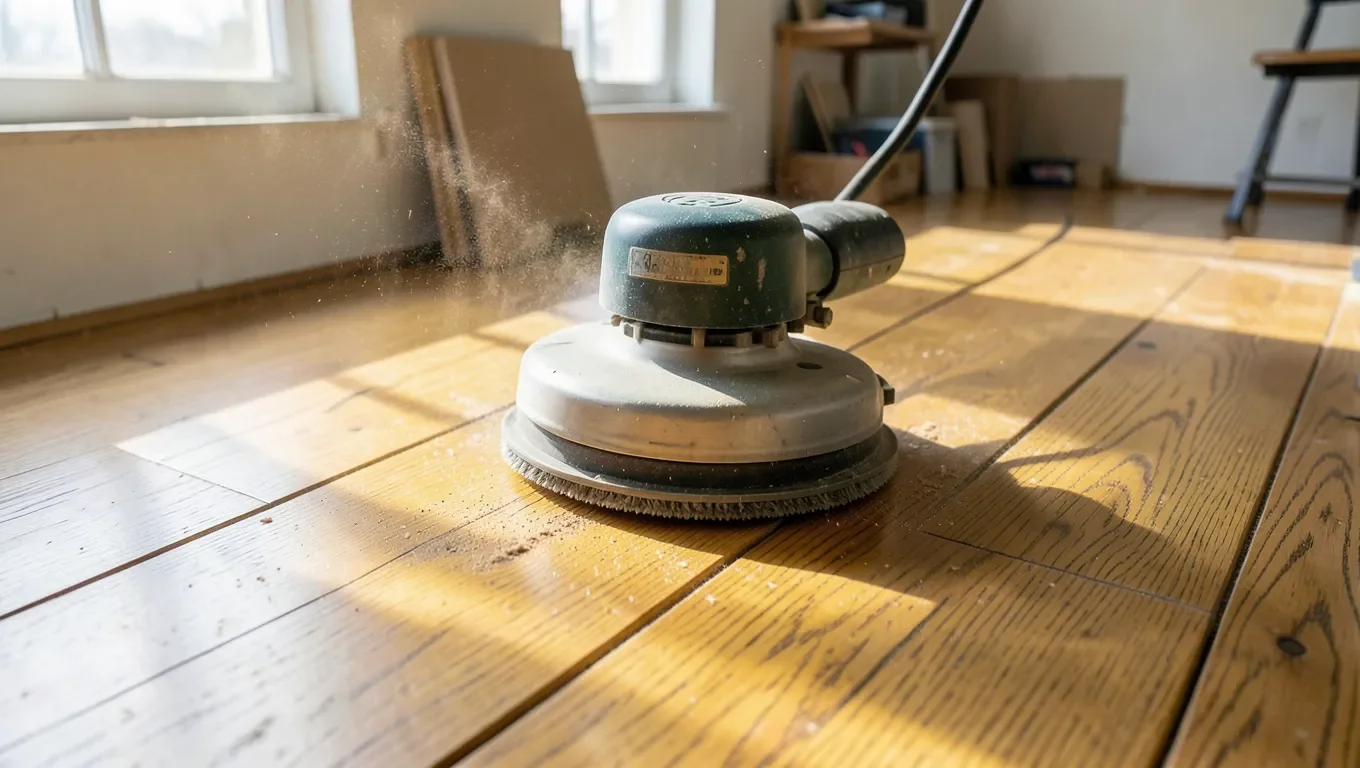
For a 500 square foot room, DIY materials and equipment rental run about $500 to $1,000. Renting an upright drum sander typically costs around $60 a day and an edger $37 to $46 a day, and most floors need two to three days of sanding depending on size and condition. Sanding supplies (sandpaper, wood filler) run $0.70 to $4.18 per square foot, and staining materials add another $1.39 to $4.18 per square foot on top of that.
A professional doing that same 500 square foot room charges $1,500 to $4,000, in line with the $3 to $8 per square foot range above. That is a real gap, but it is not the whole picture: a drum sander in inexperienced hands can gouge a floor permanently in seconds, and fixing or replacing gouged boards can easily cost more than the rental fees you saved in the first place.
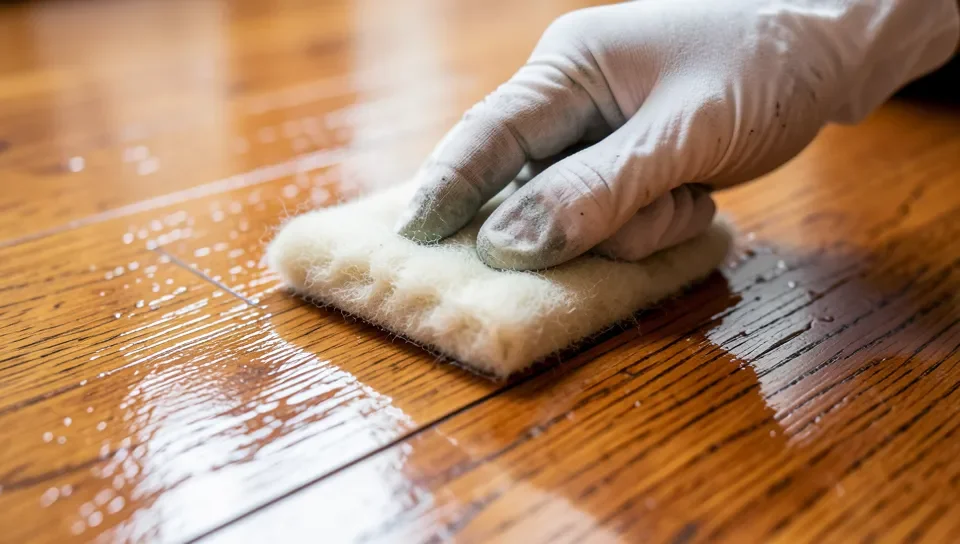
The hybrid approach most homeowners never consider: hire out just the sanding pass, which is the part where mistakes are expensive and hard to undo, then do the staining and finish coats yourself. Professional sanding alone runs $1.50 to $3.00 per square foot, well under the full $3 to $8 range, and finishing is far more forgiving to DIY than running a drum sander. Pick a fast-recoat water-based finish for the DIY portion and you can lay down multiple coats in a single weekend instead of waiting overnight between coats with an oil-based product.
How to Cut the Cost Without Hurting Quality
A few changes can meaningfully lower your bill without cutting corners on the actual work:
- Do the prep work yourself. Moving furniture, pulling up shoe molding, and vacuuming the room before the crew arrives are tasks contractors often bill for separately – doing them yourself is free labor you can contribute.
- Ask if you even need a full sand. If the wood itself is not damaged and only the finish is worn or dull, a screen-and-recoat job skips the aggressive sanding step entirely and costs a fraction of a full refinish.
- Get at least three local quotes. Regional price swings inside the $3 to $8 per square foot range are large enough that comparing quotes from your own area matters more than any national average.
- Consider the hybrid DIY approach above if you are comfortable with finish work but not with running a drum sander.
- Schedule during a contractor’s slower season if your timeline is flexible – some refinishers offer lower rates outside of their peak spring and fall booking periods.
Frequently Asked Questions
How Much Does It Cost to Sand a Hardwood Floor Per Square Foot?
Sanding alone, before staining or finishing, typically runs $0.50 to $3 per square foot when you hire it out, or about $0.70 to $4.18 per square foot in materials if you rent the equipment and do it yourself. The full sand, stain, and finish job together runs $3 to $8 per square foot.
Is It Cheaper to DIY Sand and Refinish a Hardwood Floor?
On paper, yes. DIY materials and equipment rental for a 500 square foot room run about $500 to $1,000, versus $1,500 to $4,000 for a professional doing the same room. But a drum sander is unforgiving – gouge the wood and the repair can cost more than what you saved on rental. A common middle ground is hiring a pro for the sanding pass and doing the staining and finish coats yourself.
Does Water-Based or Oil-Based Finish Cost More to Refinish a Floor?
Water-based polyurethane costs 10 to 25 percent more per gallon than oil-based, which works out to roughly $0.25 to $0.50 more per square foot in materials. But it dries in 2 to 6 hours per coat instead of 8 to 12 hours for oil-based, so a water-based job often wraps in 4 to 5 days versus 5 to 7 days for oil-based. Since labor makes up about 80 percent of a professional bill, the shorter timeline can offset, or even beat, the material premium.
What Does It Cost to Refinish an Entire Hardwood Floor?
For a whole first floor around 1,000 square feet, expect $3,000 to $8,000 professionally, landing near the low end if your floors are in good condition and you are keeping the existing stain color. Nationally, 2026 data from Angi puts the average project, not necessarily a whole house, at $1,890, with most homeowners paying between $1,107 and $2,681.
Bottom Line
Budget $3 to $8 per square foot for a professional sand and refinish, or $500 to $1,000 in materials if you are handling the entire job yourself on an average-sized room. Floor condition, finish choice, and your local labor market move that number more than anything else, so a firm quote from a local pro beats any national average once you are ready to book the work. If you want the full step-by-step process once you have a budget in mind, see our guide on how to refinish hardwood floors, including the eligibility checks that determine whether your floor can even be sanded again, or our grit-by-grit sanding walkthrough if you are doing the sanding yourself.
Sponsored / affiliate links. As an Amazon Associate I earn from qualifying purchases. I may earn additional commission from eligible campaigns.