Cat Urine Stains on Hardwood Floors: Fix the Stain and the Smell
Cat urine on hardwood is two problems: a stain where urine reaches the wood, and an odor that worsens as bacteria break the urine down. Blot first, then use a floor-safe enzyme cleaner, never an ammonia-based one, because ammonia can draw the cat back to the same spot. This guide covers spray versus squat, enzyme use on finished floors, dark spots, and when the cause is medical.
Effective Removal Methods
Best Cat Urine Floor Spray Pick
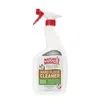 |
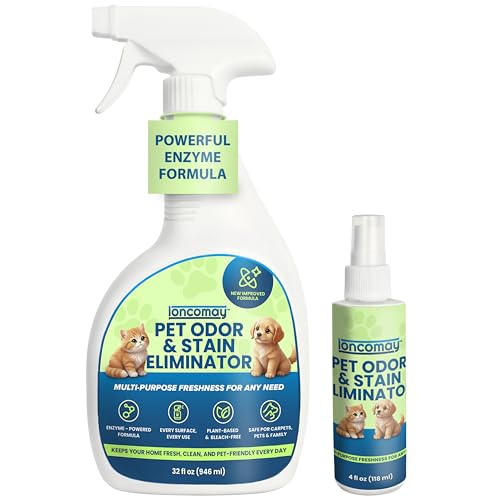
Nature’s Miracle Hard Floor Cleaner, Stain and Odor Remover, 24 oz, $8.99 A ready-to-spray stain and odor remover whose listing says it is safe on sealed wood, which fits the enzyme-on-a-finished-floor method below, with no ammonia-style harshness to attract the cat back.
|
As an Amazon Associate we earn from qualifying purchases.
Before you clean, work out what kind of accident you have. The cleanup is similar, but where the urine landed decides how far it went, and the cat’s behavior decides whether it will happen again. Veterinary sources separate the two cleanly: EveryCat Health Foundation describes spraying as happening on vertical surfaces with the cat standing, and urinating as happening on horizontal surfaces with the cat squatting.
| What you see | Spray (marking) | Squat (urinating) |
|---|---|---|
| Cat’s posture | Standing, usually backed up to the surface | Squatting |
| Where it lands | Vertical surfaces: baseboards, door frames, furniture legs | Horizontal surfaces: the floor itself |
| Typical amount | A small amount | A larger puddle |
| Other accidents | Usually urine only | May come with stool outside the box |
| Likely floor damage | Finish at the wall line and the bottom edge of boards and trim | A pool that can run into board seams |
| First step for the cat | Vet check, then look for stress triggers | Vet check, then review the litter boxes |
A vet check comes first in both columns. The same EveryCat article lists renal disease, feline idiopathic cystitis, diabetes and bladder stones among the medical causes of urinary house-soiling, which is covered further down.
Is the finish still intact?
How much urine reached the wood depends on the floor. Put a drop of water on the floor away from the accident: if it beads up, the finish film is probably intact; if it darkens the wood or soaks in, the finish is worn or absent, and you should assume urine went deeper. Worn spots along walls, board seams and gaps are the usual entry points, and a floor with its film intact usually only needs surface treatment.
How to use an enzyme cleaner on hardwood
- Blot: Press paper towels onto the spot to lift liquid. Do not rub, which pushes urine into the grain.
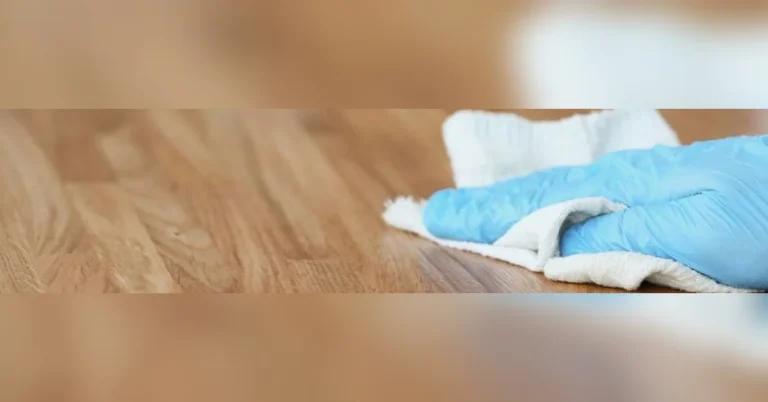
- Wipe: Go over the area once with a barely damp cloth to remove surface residue. Hardwood does not like standing liquid, so keep it light.
- Apply: Spray a cleaner that is labeled safe for sealed wood onto the spot, covering the full stain and a little beyond its edge.
- Wait: Keep the area wet for the contact time on the label. If it dries early, spray again.
- Blot and dry: Blot up the excess and let the floor air dry fully before the cat has access. PetMD advises letting treated areas dry completely before pets return.
- Repeat: Old or stubborn spots often need more than one application.
Skip steam cleaners. PetMD warns that the heat can set cat urine stains, and a steam jet drives moisture into board seams. If you want the full stain-color breakdown for human or pet urine, our guide to matching the fix to the urine stain color covers it; this page sticks to what is different with cats.
Dark or black spots: peroxide, never mixed with vinegar
A gray or black ring is not odor, it is discolored wood, and an enzyme cleaner will not lighten it. Ordinary 3% hydrogen peroxide is the usual first step, as covered in our page on hydrogen peroxide on hardwood floors. Test a hidden spot first, since peroxide can lighten the surrounding finish.
Use peroxide and vinegar one after the other, with a wipe between, never blended in one bottle. Combined, they form peracetic acid, an irritant to the eyes, skin and lungs. For deep black stains, oxalic acid wood bleach is the next step: wear gloves, ventilate, and follow the label. If the dark color survives that, the stain is in the wood and the fix is sanding and refinishing, which our guide to renewing wood floors without sanding can help you decide on.
How to Remove Cat Pee Smell from Hardwood Floors
Cat urine smells like ammonia at first, and PetMD notes the odor worsens as bacteria decompose the urine, eventually producing mercaptans, the same family of compounds as skunk spray. It also says unneutered male cats produce an especially strong odor. That is why a spot that looked clean can smell worse a week later: the smell is not on the surface, it is coming from whatever urine is still down in the finish gaps and seams.
- Find every spot: Check the baseboard and the bottom of nearby furniture for spray marks, not just the floor.
- Treat with enzyme cleaner: Use the method above on each spot, and let each one dry fully.
- Re-check the next day: If you can still smell it, repeat. A second or third pass is normal for older spots.
- Refinish if it keeps coming back: If the odor returns after several passes, the urine has likely reached bare wood and the boards need sanding and refinishing.
Why Ammonia Cleaners Backfire With Cats
Urine already contains ammonia. The ASPCA tells owners to clean accident spots with an enzymatic cleanser and to avoid ammonia-based products, which could attract the cat back to the same spot. PetMD quotes a veterinary expert making the same point: if a cat smells ammonia, it is more likely to urinate there again.
- Ammonia-based cleaners: avoid, per the ASPCA, because they smell like urine to a cat.
- Bleach on urine: do not use it. The CDC reports that bleach mixed with ammonia produces monochloramine and dichloramine, and that the absence of odor is not a reliable indicator of safety.
- Steam: avoid, since heat can set the stain.
- Peroxide plus vinegar in one bottle: avoid, since it forms peracetic acid.
📊 One litter box per cat, plus one extra: three cats need four boxes. Source: ASPCA litter box guidance
When the Cause Is the Cat, Not the Floor
Repeat accidents are a symptom, so clean the floor and also look at the cat. The ASPCA advises seeing a vet first to rule out conditions such as urinary tract infections, feline interstitial cystitis or kidney stones. EveryCat adds that a full medical workup, including urinalysis and bloodwork, is the standard approach for any cat urinating inappropriately.
Treat this as urgent: EveryCat says male cats that strain, show pain or have blood in the urine need urgent veterinary evaluation, since this can mean a blocked urinary tract. Do not wait to clean the floor first.
Once the medical side is cleared, the usual fixes are behavioral: enough boxes in different locations rather than side by side, a box the cat prefers, and less stress in the home. The ASPCA also warns against rubbing a cat’s nose in an accident or scolding it, which does not solve the cause.
Preventing Cat Urine Stains
- Clean every accident with an enzyme cleaner so no urine scent stays to attract a repeat.
- Follow the box rule above and place the extras in different rooms.
- Keep the floor finish intact. Worn finish and open seams let liquid reach the wood; our guide to wood flooring types and care covers maintenance, and our general pet urine guide covers dog and mixed households.
- Get new accidents checked by a vet before assuming it is behavior.
Frequently Asked Questions For Cat Urine Stains On Hardwood Floors
How do you get old cat urine stains out of hardwood floors?
Start with a floor-safe enzyme cleaner kept wet for the label contact time, and expect to repeat it, because old stains often need several applications. If the spot is gray or black, treat the discoloration separately with 3% hydrogen peroxide or oxalic acid wood bleach. If the dark color is in the grain itself, the boards usually need sanding and refinishing.
Does cat urine come out of hardwood floors?
Often, yes. Fresh urine on an intact finish usually comes out with blotting and an enzyme cleaner. Urine that has reached bare wood or gone down between boards is harder: the odor may need repeat treatments, and dark staining may need sanding, refinishing or replacing the board.
Can you get urine stains out of hardwood floors?
Yes, if the urine has not darkened the wood itself. Surface residue and odor respond to enzyme cleaners, and light dark spots may respond to 3% hydrogen peroxide. Avoid ammonia-based cleaners, since urine already contains ammonia. Deep black stains usually mean the wood is stained and needs oxalic acid bleach or sanding.
What is the best cat urine remover for hardwood floors?
Use an enzyme-based cleaner labeled safe for sealed wood, such as the Nature’s Miracle hard floor formula picked above. Enzyme cleaners are the type both PetMD and the ASPCA recommend for cat accidents. The floor-safe label matters, because a cleaner made for carpet can leave too much moisture or residue on a wood finish.
What Should I Do When Cat Urine Has Soaked Into Hardwood Floors?
Blot up all you can, then treat with a floor-safe enzyme cleaner and repeat it, since soaked spots usually need more than one pass. Check the board seams, because urine runs down them. If the smell or dark color persists after several passes, the boards likely need sanding and refinishing, or replacing.
What Is the Best Way to Remove Cat Pee Smell from Hardwood Floors?
Use an enzyme cleaner, not an ammonia-based cleaner. Enzymes work on the compounds in the urine instead of covering the smell, and ammonia can attract the cat back to the same spot. Keep the area wet for the label time, blot, let it dry fully, and repeat if the smell returns when the floor warms or the air turns humid.
Sponsored / affiliate links. As an Amazon Associate I earn from qualifying purchases. I may earn additional commission from eligible campaigns.