How to Get Hot Glue off Fabric: Quick & Easy Solutions
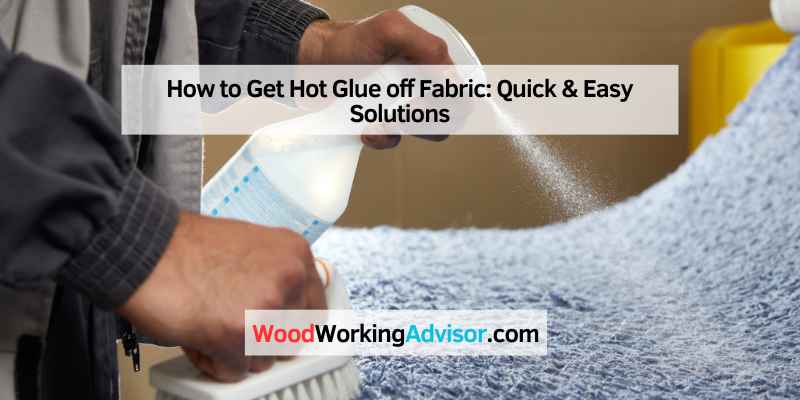
To get hot glue off fabric, first, freeze the fabric to harden the glue. Then, gently scrape off the glue with a dull knife or fingernail.
Hot glue can be a lifesaver in crafting, but it can also create a frustrating mess on fabric. Accidents happen, and when they do, knowing how to remove hot glue becomes essential. Whether you’re dealing with a sticky situation on clothing or upholstery, effective removal techniques can save your fabric from damage.
This guide will provide you with practical steps to eliminate hot glue without harming the underlying material. With the right approach, you can restore your fabric to its original state and continue enjoying your projects without worry. Let’s dive into the best methods for removing hot glue effectively.
Introduction To Hot Glue On Fabric
Hot glue can stick to fabric very tightly. Removing it can be tricky and frustrating. The challenge lies in the glue’s strong bond with the fibers. Many people need quick solutions to avoid damaging their fabric. Quick fixes save time and keep projects looking great.
Using proper techniques is crucial for success. Rubbing alcohol or vinegar can help dissolve the glue. Heating the glue slightly with a hairdryer can also loosen it. Patience is key when dealing with stubborn glue spots. Always test on a small area first to avoid fabric damage.
Types Of Fabric And Hot Glue
Different types of fabric can react differently to hot glue. Some fabrics are thick and sturdy, while others are thin and delicate. Understanding these differences helps in removing glue effectively.
Here are some common fabric materials:
- Cotton: Absorbs glue easily and can be damaged by heat.
- Denim: Thick and tough, but glue can still stick strongly.
- Silk: Very delicate; hot glue can cause permanent damage.
- Polyester: Resistant to glue but can melt with high heat.
Hot glue comes in various compositions:
- Standard Glue Sticks: Common for general crafting.
- High-Temperature Glue Sticks: Used for stronger bonds.
- Low-Temperature Glue Sticks: Safer for delicate fabrics.
Preparation Steps Before Removal
Before starting glue removal, assess the glue spill carefully. Check how much glue is on the fabric. Identify the type of fabric to avoid damage.
Gather the necessary tools for the job. You will need:
- Ice cubes or a freezer
- A plastic scraper or credit card
- Rubbing alcohol or acetone
- A soft cloth or paper towels
- Soap and water
Having these tools ready makes the process easier. Prepare your workspace for a smooth cleanup.
Cold Methods To Remove Hot Glue
To remove hot glue from fabric, ice cubes work well. Start by placing ice cubes in a bag. This prevents moisture from damaging the fabric. Hold the bag against the glue for about 10 minutes. The cold will harden the glue, making it easier to break off.
Another option is the freezer technique. Place the fabric item in the freezer for about 30 minutes. The cold temperature will cause the glue to become brittle. Once removed, gently scrape off the hardened glue with a dull knife or your fingers.
Always test these methods on a small area first. This ensures the fabric remains undamaged and intact.
Heat Applications For Softening Glue
Use an iron to soften hot glue on fabric. Set the iron to a low heat. Place a paper towel over the glue. Press the iron gently on the towel. The heat will melt the glue. Wipe the area with a cloth.
Another method is using a blow dryer. Set it to a medium heat setting. Hold the dryer a few inches away from the fabric. Move it back and forth over the glue. The heat will soften the glue. Scrape off the glue carefully with a plastic knife.
Chemical Solutions And Solvents
For removing hot glue from fabric, commercial glue removers are effective. These products often contain strong solvents. Always follow the instructions on the label. Test on a small area first to avoid damage.
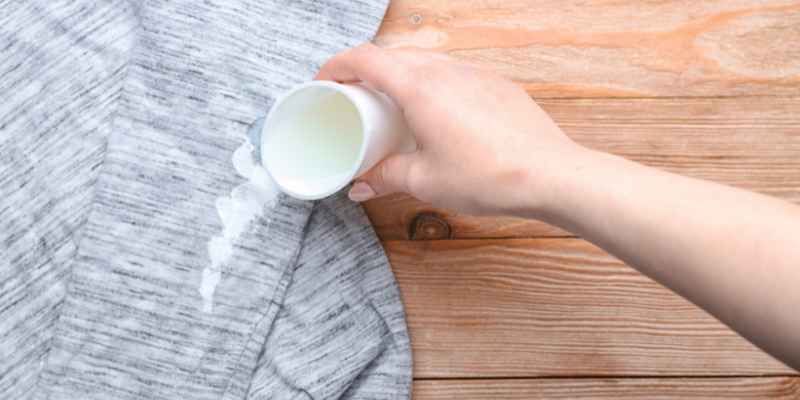
Household items can also help remove glue. Rubbing alcohol is a great option. It breaks down the glue easily. Vinegar can work as well. Apply it with a cloth and rub gently. Another option is to use ice cubes. Freeze the glue to make it brittle, then scrape it off.
Be patient and try different methods. Each fabric type may react differently. Keeping fabric care in mind is important. Always wash the item after removing the glue.
Mechanical Techniques For Stubborn Residue
Use a scraper to gently lift the hot glue from the fabric. A plastic or wooden scraper works best. Press it down and slide it under the glue. Be careful not to damage the fabric.
After scraping, some glue may still remain. A soft brush can help remove these leftovers. Use a toothbrush or a lint brush for this task. Gently brush the area to dislodge small glue pieces.
Regular brushing can prevent fabric damage. Always brush in the same direction. This technique keeps the fabric looking neat and clean.
Post-removal Fabric Care
After removing hot glue, washing the fabric helps restore it. Use cold water for best results. Add a gentle detergent to clean the area. Avoid hot water, as it can set any remaining glue.
For sensitive materials, take extra care. Hand wash the fabric instead of using a machine. Use a soft cloth to dab at the affected area. Always test any cleaning method on a small, hidden part first.
Drying should be gentle. Air dry the fabric instead of using a dryer. Heat can damage delicate fibers.
Preventive Measures For Future Spills
Using protective coverings can save your fabric from hot glue spills. Consider using old newspapers or plastic sheets to catch drips. This helps keep your work area clean and safe.
Best practices can make a big difference. Use low-temperature glue guns for fabrics. They reduce the risk of damaging the material. Always test on a small area first. This way, you ensure the fabric can handle the glue.
Work in a well-lit space. Good lighting helps you see where the glue goes. Keep a damp cloth nearby. It can quickly wipe off any accidental spills.
Frequently Asked Questions
How Do You Remove Hot Glue From Fabric?
To remove hot glue from fabric, start by freezing the item. Place it in the freezer for about 30 minutes. Once the glue hardens, gently scrape it off with a dull knife or your fingernail. Be careful not to damage the fabric while doing this.
Can You Wash Fabric With Hot Glue On It?
It’s best not to wash fabric with hot glue on it. Washing could spread the glue or make it harder to remove. Instead, focus on removing the glue first using freezing or scraping methods. After removal, you can wash the fabric normally.
What Is The Best Solvent For Hot Glue On Fabric?
The best solvent for hot glue on fabric is rubbing alcohol or acetone. Apply a small amount to a cloth and dab it on the glue. This helps dissolve the glue, making it easier to remove. Always test the solvent on a hidden area first to avoid fabric damage.
Will Hot Glue Come Off In The Dryer?
Hot glue may not come off in the dryer. The heat can actually set the glue further into the fabric. It’s advisable to remove the glue using freezing or solvents before attempting to dry the fabric. This ensures a better outcome and protects your fabric.
Conclusion
Removing hot glue from fabric can be a simple process with the right techniques. Remember to act quickly to prevent damage. Always test methods on a small area first. With patience and care, your fabric can return to its original state.
Enjoy your crafting projects without the worry of sticky mishaps!