How Do You Remove Super Glue from Laminate Countertops
Acetone or a dedicated adhesive remover is what actually breaks down cured super glue on laminate — soften it, then lift it gently with a plastic scraper, never a metal one. Rubbing alcohol works more slowly as a gentler alternative; vinegar and baking soda have real limits on fully cured cyanoacrylate, and a “vegetable oil” remedy some sites recommend doesn’t chemically dissolve super glue at all.
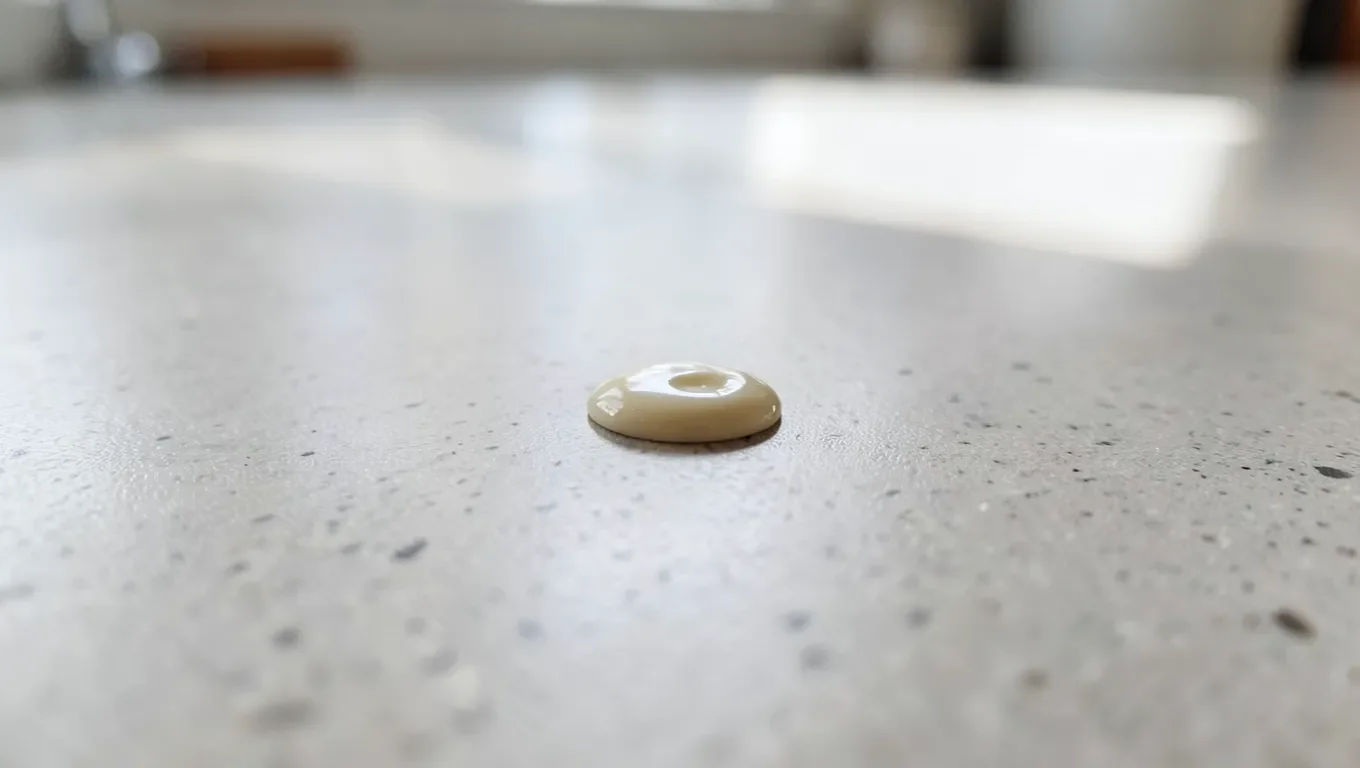
Assessing The Damage
Best For Laminate-Safe Glue Removal
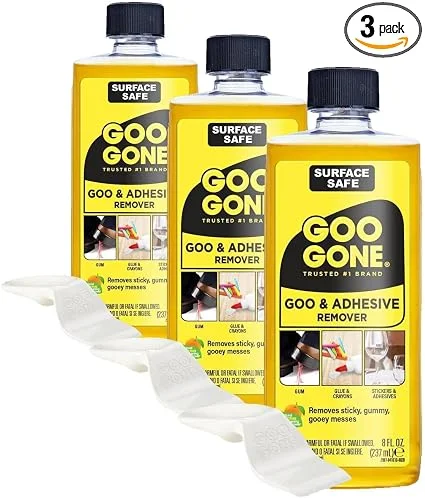 |
Goo Gone Original Liquid, 8 oz – $9.99 A dedicated adhesive remover formulated to be gentler on finished surfaces than straight acetone, while still breaking down cured glue.
|
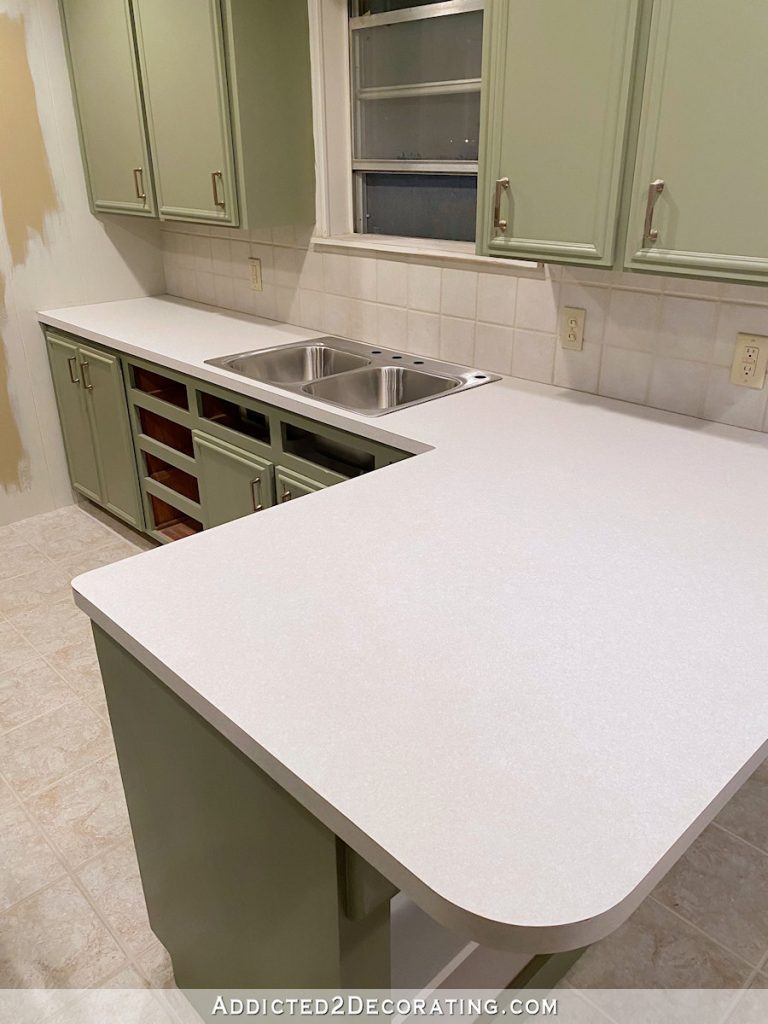
Check the full extent of the spill before starting — run a finger gently over the area, since thin glue spreads can be hard to see but still feel raised. Laminate’s surface is a thin, somewhat soft layer that scratches more easily than stone or solid surface countertops, so plan your approach with that in mind rather than reaching for anything abrasive. Clean the surrounding area first so you can see the glue’s true edges before you start working on it.
Preparing Your Workspace And Materials
Clear the counter, open a window or turn on a fan for ventilation (this matters more once you’re using acetone or a solvent), and put on gloves and eye protection. Keep a plastic scraper or old gift card, cotton balls or a soft cloth, and a bowl of warm soapy water within reach. Working in short sessions rather than rushing gives better results and less risk of scratching the surface out of frustration.
Initial Cleaning Steps
Start gentle: wipe the area with a warm, damp cloth to clear loose dirt and dust, without scrubbing. If the glue is very fresh (still slightly tacky), warm soapy water alone sometimes lifts it before it fully cures. For dried glue, rubbing alcohol is a reasonable first solvent to try — it’s gentler than acetone and works on some glue formulations, though it’s slower and less reliably effective on fully cured cyanoacrylate.
Using Solvents Safely
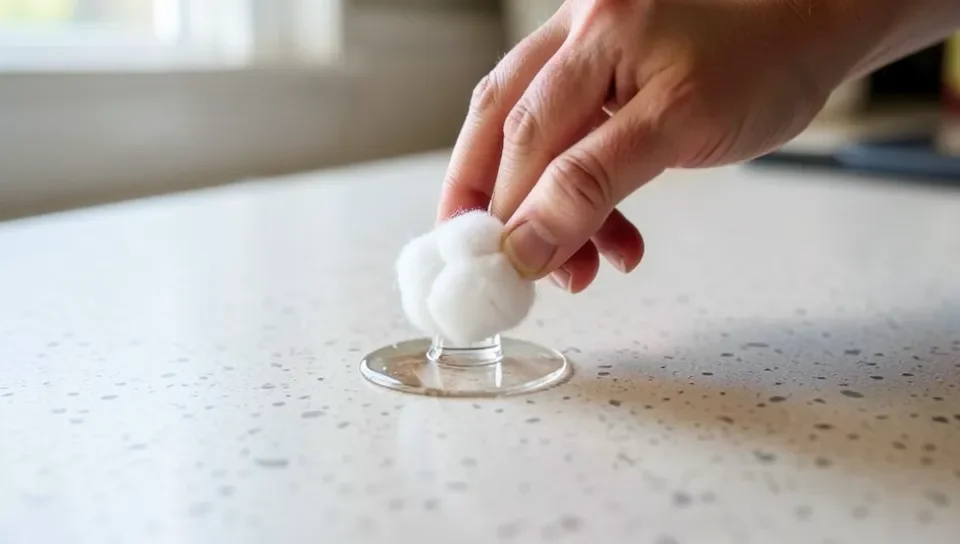
Acetone (found in most nail polish removers) is the solvent that actually breaks down cured super glue chemically — test it on a hidden spot first, since it can dull or damage some laminate finishes. Dab it onto the glue with a cotton ball, let it sit briefly, then wipe gently; repeat rather than scrubbing harder. Work in a ventilated space, wear gloves, and wash the area with soapy water afterward to clear any acetone residue.
Here’s how the common methods actually stack up:
- Acetone / nail polish remover: the most effective real solvent for cured super glue. Test first; can dull some finishes.
- Rubbing alcohol: gentler, but slower and less reliable on fully cured glue.
- Vinegar: can help soften some glue with extended soaking, but has limited effect on cured cyanoacrylate on its own — treat it as a mild assist, not a primary method.
- Baking soda paste: works mechanically as a very mild abrasive, not a chemical solvent — useful for light residue, not for lifting a solid glue bead.
- Vegetable oil: a commonly repeated myth. Oil doesn’t chemically break down cured cyanoacrylate; it’s not an effective method despite appearing in some online lists.
Scraping Techniques
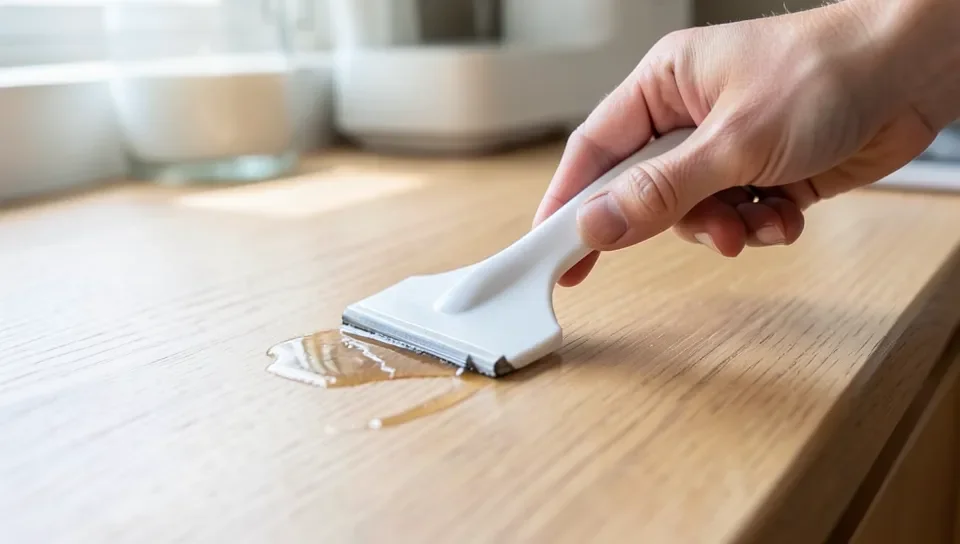
Use a plastic scraper or an old gift card — never metal, which can scratch laminate’s thin surface layer permanently. Work the edge under the softened glue at a low angle, keeping the tool flat against the counter, and lift slowly rather than digging in. If the glue resists, apply more solvent or a bit of warm water and let it sit before trying again rather than forcing it.
Stubborn Glue Spots
Gentle heat from a hairdryer on its low setting can soften a stubborn spot enough to scrape more easily — hold it a few inches away, move it in circles rather than concentrating heat in one spot, and follow with the plastic scraper once the glue softens. Repeat treatments are normal for a thick or long-cured spot; patience and repetition beat forcing it with more pressure.
Final Cleaning And Polishing
Once the glue is gone, wash the area with warm soapy water to clear any solvent residue and dry it with a clean towel. If glue also got on nearby fabric, that needs a different approach than a hard laminate surface. If the surface looks dull afterward, a laminate-safe polish applied in small circles with a soft cloth, then buffed dry, restores the shine — just confirm any polish is labeled safe for laminate before using it.
Preventive Measures
Store super glue away from the kitchen with the cap sealed tightly, and only work with it over an easy-to-clean surface or protective mat. Clean up any spill immediately, before it cures — fresh glue is far easier to remove than dried glue. If you regularly work with adhesives near this countertop, a protective laminate spray tested first on a hidden area can add a small buffer, though it’s not a substitute for basic care around adhesives.
Frequently Asked Questions
How Do You Safely Remove Super Glue From Laminate?
Soften the glue with acetone or a dedicated adhesive remover (tested on a hidden spot first), then gently lift it with a plastic scraper — never metal. Finish with a warm, soapy water wipe-down and keep the area ventilated while using solvents.
Can Vinegar Remove Super Glue From Countertops?
Only partially. Vinegar can help soften some glue with extended soaking, but it has limited real effect on fully cured super glue compared to acetone. Use it as a mild first attempt on fresh spots, not as the primary method for dried glue.
Is Acetone Safe For Laminate Surfaces?
Generally yes, in small amounts and applied carefully, but not universally — some laminate finishes can dull or discolor with acetone exposure. Always test on a hidden area first, keep the room ventilated, and wipe with soapy water afterward to clear residue.
Does Vegetable Oil Really Remove Super Glue?
No — this is a commonly repeated myth. Vegetable oil doesn’t chemically break down cured cyanoacrylate (super glue), so it won’t reliably lift a dried glue spot. Acetone or a dedicated adhesive remover are the methods that actually work.
Conclusion
Removing super glue from laminate comes down to the right solvent (acetone or a surface-safe adhesive remover, tested first), a plastic scraper instead of metal, and patience over force. Skip the oil and vinegar myths as primary methods — they’re gentler but genuinely less effective — and a stubborn spot will still come off with a little heat and repeat effort. Clean, dry, and polish afterward, and your countertop will look like nothing happened.
Sponsored / affiliate links. As an Amazon Associate I earn from qualifying purchases. I may earn additional commission from eligible campaigns.