How to Get Oil Paint to Dry Faster: Expert Tips and Tricks
Oil paint is known for its rich colors and smooth texture. But it can take a long time to dry.
Waiting for oil paint to dry can test your patience. Whether you’re working on a masterpiece or a simple project, faster drying times can be a game-changer. In this guide, we’ll explore easy and effective methods to speed up the drying process of oil paint.
From adjusting your environment to using special products, you’ll discover practical tips to save time. Let’s dive in and help you finish your artwork sooner.

Credit: www.wikihow.com
Choosing The Right Paint
Speed up oil paint drying by using a fast-drying medium and ensuring good ventilation. Thin layers also help dry paint quicker.
Fast-drying Oil Paints
Some oil paints dry faster than others. Alkyd oil paints are a good option. They dry in just a few days. Water-mixable oil paints are another choice. They dry faster than regular oils. Look for brands that offer these types of paints.
Brands To Consider
Many brands offer fast-drying oil paints. Winsor & Newton has a range called Griffin Alkyd. Gamblin makes a fast-drying oil called Galkyd. Royal Talens offers Cobra, a water-mixable oil paint. These brands are trusted by many artists. You can find them online or in art stores.
Using Drying Mediums
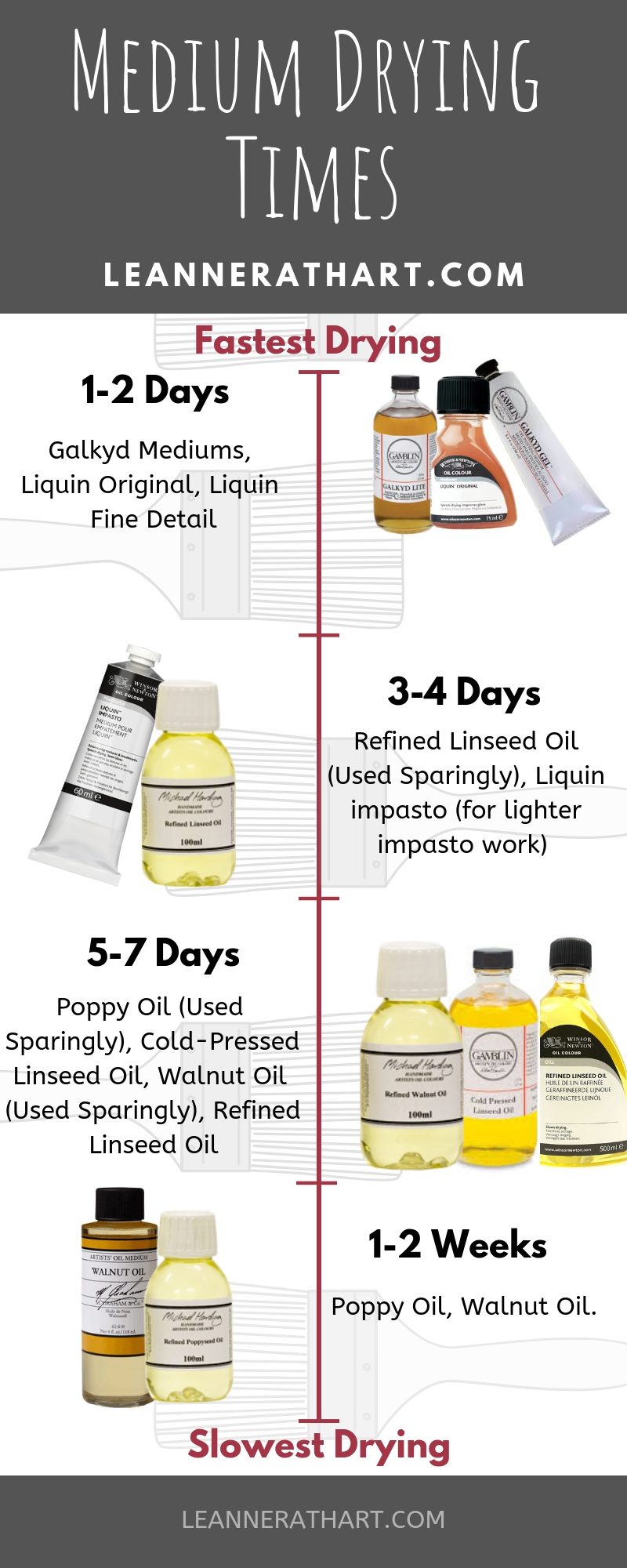
Drying mediums help oil paint dry faster. These substances can be mixed directly into the paint. Artists often use them for quicker completion of projects.
Adjusting Your Technique
Applying oil paint in thin layers can help it dry faster. Thick layers of paint take longer to dry. Thin layers dry quicker. Use less paint on your brush. Spread it evenly. This technique speeds up drying time.
Good ventilation helps oil paint dry faster. Fresh air speeds up drying. Open windows or use fans. Let air circulate in the room. Avoid painting in closed spaces. Proper ventilation aids faster drying.
Utilizing Heat
Applying heat can help oil paint dry faster. Use a hairdryer on a low setting. This helps speed up the drying process.
Safe Heat Sources
Using a hair dryer can help dry oil paint. Set it to low heat. Keep it moving over the painting. Don’t hold it too close. A heat lamp is another good option. Place it near the painting. Make sure it’s not too close. A warm room can also speed up drying. Use a space heater if needed. Safety is key. Avoid using open flames.
Heat Application Tips
Apply heat evenly. This helps paint dry uniformly. Avoid high heat. This can crack the paint. Keep heat sources at a safe distance. Check the painting often. Ensure it’s drying properly. Don’t rush the process. Patience is important.
Incorporating Alkyd-based Products
Alkyd paints dry faster than traditional oil paints. These paints contain a synthetic resin. This resin helps paint dry quickly. You can mix alkyd paints with oil paints. This will speed up drying time. Artists often use alkyd paints for underpainting. They dry fast, so you can add more layers soon.
Alkyd mediums can be mixed with oil paints. They help the paint dry faster. These mediums are easy to find in art stores. Use small amounts for best results. Too much can affect the paint’s texture. Many artists use alkyd mediums for their quick-drying benefits. They are useful for both large and small projects.
Environmental Factors
Increase ventilation to help oil paint dry faster. Use a fan or open windows for better airflow. Warm temperatures also speed up drying time significantly.
Humidity Control
Keep the room dry. High humidity can slow drying. Use a dehumidifier to reduce moisture. This helps paint dry faster. Good ventilation is key. Open windows if weather allows. Fans can also help. Airflow speeds up drying. Avoid painting in bathrooms. These rooms are often humid. Choose a dry area instead.
Optimal Temperature
Maintain a warm temperature. Cooler rooms slow down drying. Ideal range is 70-75°F (21-24°C). Use a space heater if needed. Avoid extreme heat. It can cause cracking. Keep the room steady. Fluctuations affect drying time. Consistent warmth is best. Consider a thermometer. This helps monitor the room. Make adjustments as needed.
Proper Storage
Proper storage is key to get oil paint to dry faster. Keep paintings in a warm, dry place with good airflow. Avoid damp or cold areas.
Drying Racks
Use drying racks to store your paintings. This helps air circulate around them. Better air circulation speeds up drying. Drying racks also keep paintings from touching each other. This prevents smudging and damage.
Avoiding Dust
Keep your drying area clean. Dust can stick to wet paint. Cover your paintings with a clean cloth. This will protect them from dust. Ensure the cloth does not touch the paint. This helps to keep the surface smooth.
Credit: www.youtube.com
Final Touches
Speed up oil paint drying by using thinner layers and adding a fast-drying medium. Increase airflow with a fan.
Varnishing Early
Varnish adds a protective layer. It can be applied too soon. This can trap wet paint underneath. Wait until the paint is completely dry before varnishing. Patience is essential here. Rushing can ruin your hard work.
Protective Measures
Protect your painting from dust. Cover it with a clean cloth. Ensure it is in a dust-free environment. This keeps the surface clean. Avoid touching the wet paint. Fingerprints can be hard to remove.
Credit: sarapaxtonartworks.com
Frequently Asked Questions
How Can I Make My Oil Paint Dry Faster?
Use a fast-drying medium, apply thin layers, increase ventilation, use a hairdryer, or place your painting in sunlight.
Can You Dry Oil Paint With A Hair Dryer?
No, using a hair dryer is not recommended to dry oil paint. It can cause cracking or uneven drying.
How Long Does It Take For Oil Paint To Dry?
Oil paint typically takes 24 hours to 2 weeks to dry. Drying time varies based on thickness and environmental conditions.
Does Oil Paint Dry Faster In The Sun?
Yes, oil paint dries faster in the sun due to increased heat and light exposure. Ensure proper ventilation to avoid cracking.
Conclusion
Drying oil paint faster is possible with a few simple steps. Use thin layers. Ventilate your workspace. Apply a drying medium. Warm the room slightly. These tips can save time and help your art process. Speeding up drying doesn’t mean compromising quality.
Practice and see what works best. Happy painting!