How To Get Up Glued Down Hardwood Flooring: Essential Guide
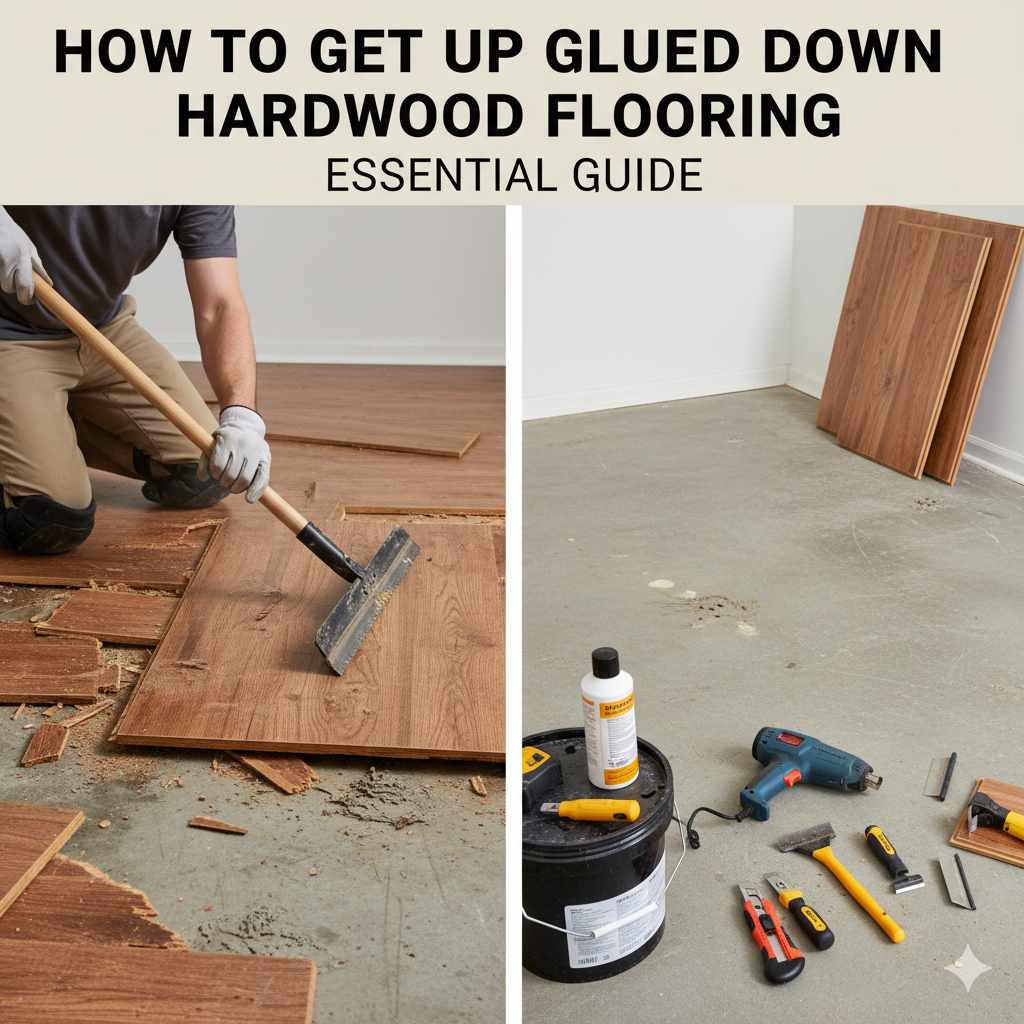
Removing glued-down hardwood flooring can be done with the right tools and techniques. This guide provides a step-by-step process for safely and effectively lifting stubborn planks, helping you prepare your subfloor for its next life. Acetone and heat can be your best friends here!
Hardwood floors add timeless beauty and value to any home. But when it’s time for a change, removing glued-down hardwood planks can feel like wrestling a stubborn beast. Unlike floating floors, these beauties are permanently bonded to the subfloor, making removal a bit more challenging. It might seem daunting, but with the right approach, you can tackle this project yourself and get that subfloor ready for its next adventure. Let’s break down how to get up glued-down hardwood flooring, step-by-step, so you can feel confident and prepared.
We’ll walk you through the tools you’ll need, safe removal techniques, and tips to make the process smoother. Get ready to transform your space!
Understanding Glued-Down Hardwood Flooring
Before we grab our tools, let’s understand what makes glued-down hardwood different. Unlike planks that interlock or are stapled, these are adhered directly to the subfloor using a strong flooring adhesive. This adhesive is designed to create a permanent bond, which is great for durability but makes removal trickier. The type of adhesive used, the wood species, and how well the planks were laid all play a role in how tough the job will be.
Knowing this helps us choose the right strategies. We’re not just prying; we’re often working to break that adhesive bond. This means patience and using methods that soften or break down the glue are key.
Gathering Your Essential Tools and Safety Gear
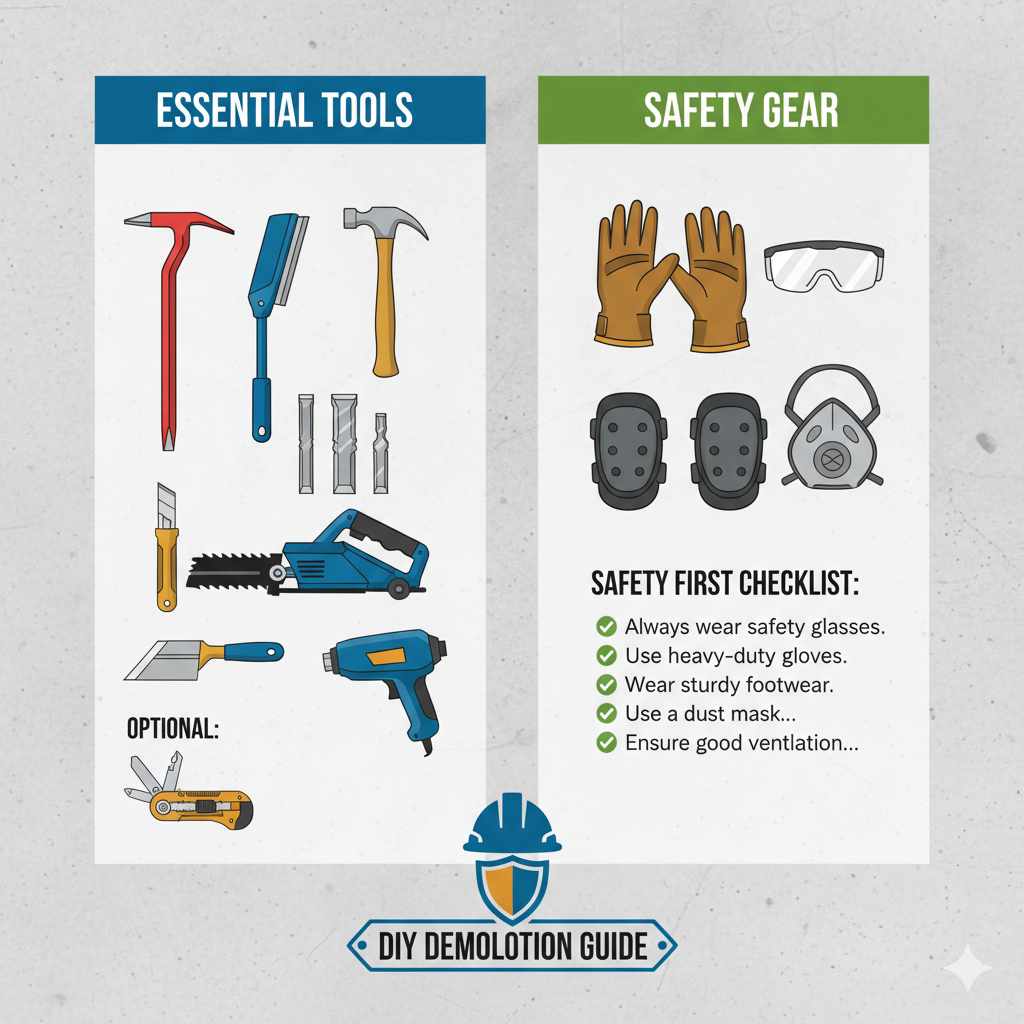
Like any DIY project, having the right tools makes all the difference. Safety is also paramount when dealing with demolition and potentially sharp objects. Here’s a list of what you’ll need:
Essential Tools:
- Pry Bar: A sturdy, long pry bar is your primary tool for leverage.
- Scraper/Flooring Scraper: Look for one with a long handle to reduce bending. A floor scraper with a sharp, wide blade is excellent for getting under planks.
- Hammer: For tapping tools into place and occasional persuasion.
- Chisel: Various sizes can be helpful for prying and cutting stubborn adhesive.
- Reciprocating Saw (Sawzall): With a demolition blade, this is invaluable for cutting planks into smaller, more manageable sections, especially in tight spots or when dealing with very stubborn glue.
- Putty Knife or Stiff Spatula: Useful for scraping away residual adhesive.
- Heat Gun: Can soften some types of adhesive, making removal easier.
- Utility Knife: For scoring the edges of the flooring or cutting stubborn glue lines.
- Heavy-Duty Gloves: To protect your hands from splinters and rough edges.
- Safety Glasses: Essential for protecting your eyes from flying debris.
- Knee Pads: You’ll be spending a lot of time on your knees, so these are a must!
- Dust Mask: Protect your lungs from airborne dust, especially if the adhesive is old or contains unknown materials.
- Optional: Oscillating Multi-Tool: Can be very useful for cutting through adhesive in tight areas.
Safety First Checklist:
- Always wear safety glasses.
- Use heavy-duty gloves.
- Wear sturdy footwear.
- Consider knee pads.
- Use a dust mask, especially if dealing with old adhesives.
- Ensure good ventilation in the work area.
Step-by-Step Guide to Removing Glued-Down Hardwood Flooring
Now, let’s get to work! This process involves strategic removal and a bit of patience. Always start in a less conspicuous area, like a closet, to practice your technique.
Step 1: Prepare the Area
Clear the room of all furniture and decor. Remove any baseboards or quarter-round molding that might be in the way. You can often pry these off gently with a pry bar and a putty knife to protect the wall. If they are in good condition, you might want to save them for reinstallation.
Step 2: Find a Starting Point
Look for any loose edges or planks at the perimeter of the room, near a wall or doorway. If you can’t find an obvious starting point, you might need to use a reciprocating saw to cut a plank in half closer to the center, creating a starting edge. This is especially useful if the planks are very tightly fitted.
Step 3: Begin Prying or Cutting
Option A: Prying
Once you have access to an edge:
- Slide the edge of your pry bar or floor scraper under the plank.
- Apply steady, firm pressure to lift the plank away from the subfloor. You might need to tap the back of the pry tool with a hammer to help it get underneath.
- Work your way along the plank, gently lifting it inch by inch. If the plank resists, don’t force it too hard, as you could damage the subfloor.
- If the adhesive bond is very strong, you may need to use a chisel to carefully work between the plank and the subfloor, breaking the glue bond.
Option B: Cutting with a Reciprocating Saw
If prying is proving too difficult, or if you need to create a starting point:
- Set the reciprocating saw blade against the edge of a plank.
- Carefully saw the plank into shorter sections, typically 2-3 feet long. This makes them much easier to pry up and handle.
- Make sure the blade doesn’t go too deep into the subfloor. Adjust the depth if necessary.
- Once cut into sections, use your pry bar to lift the pieces.
A reciprocating saw is incredibly effective for this, especially when paired with specialized blades designed for demolition. Many reputable hardware stores carry these blades, and you can often find helpful demonstrations on how to use them on tool manufacturer websites, like DeWalt’s guide to reciprocating saws.
Step 4: Soften Stubborn Adhesive (Optional but Recommended)
Some adhesives, especially older cutback adhesives, can be softened with heat or a solvent. A heat gun can be very effective.
- Gently heat a small section of the plank with a heat gun. Move the gun back and forth to avoid overheating one spot.
- As the adhesive warms and softens, try prying up the plank or scraping it away.
- Caution: Be mindful of ventilation when using a heat gun, and ensure it’s safe for the type of adhesive present. Some older adhesives might contain asbestos, so if you suspect this, stop and consult a professional.
Another option for stubborn adhesive is using a strong solvent like acetone. Always test in an inconspicuous area first and ensure good ventilation.
- Apply a small amount of acetone to a section of the glue line using a rag or brush.
- Let it sit for a few minutes to penetrate and soften the adhesive.
- Attempt to scrape or pry the plank.
- Safety Note: Acetone is highly flammable and has strong fumes. Wear gloves, safety glasses, and a respirator rated for organic vapors, and ensure extreme ventilation. Never use near open flames or sparks. For more information on safe solvent use, resources like the OSHA standard for flammable liquids can provide crucial safety context.
Step 5: Work Plank by Plank
Continue working Methodically across the floor. You’ll find some planks come up more easily than others. If a plank breaks, deal with the pieces as you go.
It’s often helpful to work in a brick-laying pattern where you remove planks running in one direction, then possibly turn to remove planks running perpendicular to them if they were laid in a pattern.
Step 6: Clean Up Residual Adhesive
Once the planks are up, you’ll likely have a good amount of adhesive residue left on the subfloor. Use your floor scraper, a putty knife, or even a stiff-bristled brush to remove as much of it as possible. Sanding might be needed for very thin, hardened residues, but ensure the subfloor is clean and smooth before installing new flooring.
Tips for a Smoother Removal Process
Here are some extra tips to make your job easier and more efficient:
- Work in Sections: Don’t try to do it all at once. Break the room into manageable areas.
- Patience is Key: Forcing things can damage your subfloor. Slow and steady usually wins the race.
- Teamwork: Having a helper can make this job go much faster and be less physically demanding.
- Use a Saw Strategically: Cutting planks into smaller pieces significantly reduces the effort needed to pry them up.
- Protect Your Subfloor: Be mindful of your tools digging too deep into the subfloor. A damaged subfloor will require extra repairs.
- Dispose of Debris Properly: Cut planks into manageable sizes for easy disposal in your waste bins or at a local disposal site.
When to Call a Professional
While this guide aims to empower you to tackle this yourself, there are situations where calling a professional is the best course of action:
- Suspected Asbestos: If you suspect your flooring adhesive or underlayment contains asbestos, particularly in homes built before the 1980s, do not disturb it. Asbestos is a serious health hazard. Contact a certified asbestos abatement professional immediately. The EPA provides extensive resources on asbestos in the home.
- Extremely Stubborn Adhesive: If after trying various methods, the glue remains exceptionally difficult to remove, a professional may have specialized tools and chemicals.
- Valuable Subfloor: If you have a particularly valuable or delicate subfloor (like a historic concrete slab) that you absolutely cannot risk damaging, professional removal might be worth the investment.
- Time Constraints: If you have a tight deadline for your renovation, a professional crew can often complete the job much faster.
Knowing your limits is part of being a smart DIYer. Sometimes outsourcing a difficult part of the project ensures a better outcome and fewer headaches.
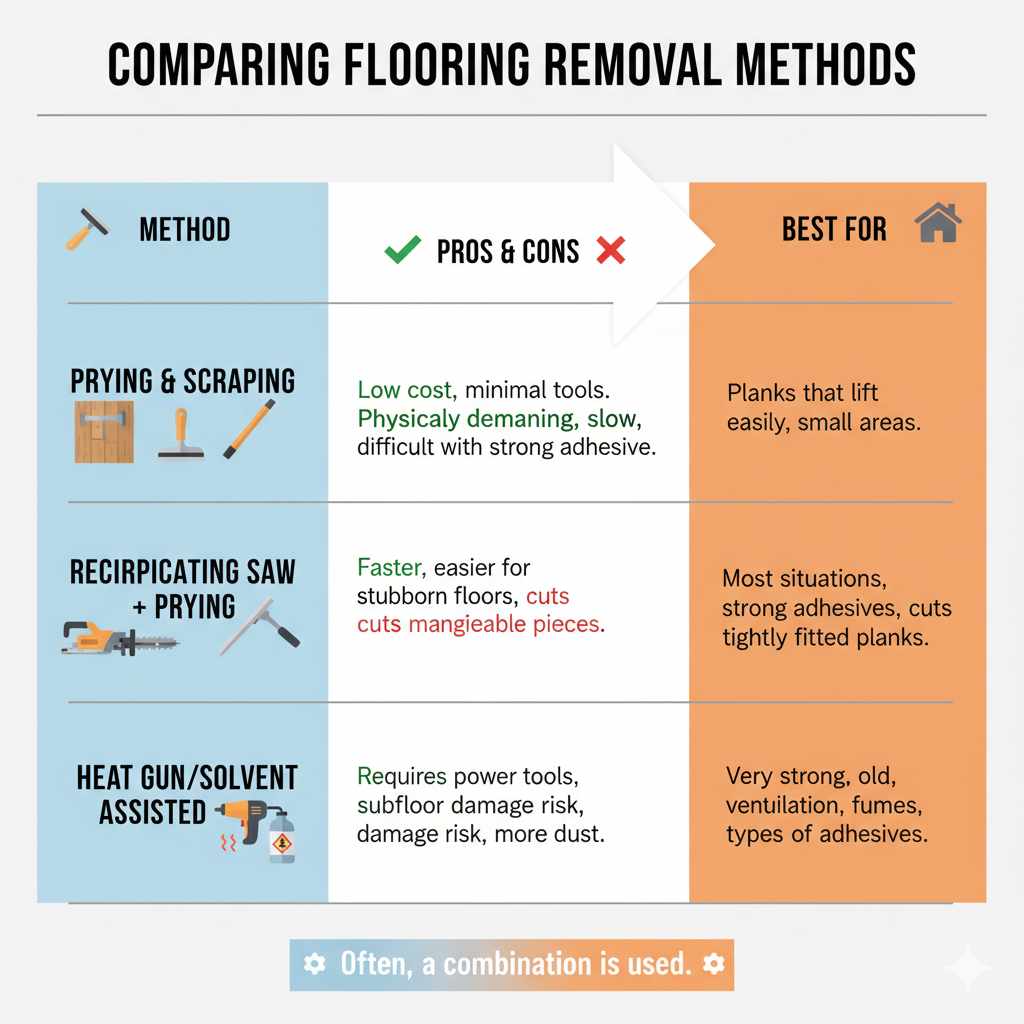
Comparing Removal Methods
To illustrate the different approaches, consider this comparison:
| Method | Pros | Cons | Best For |
|---|---|---|---|
| Prying & Scraping | Low cost, minimal tools, controlled removal. | Physically demanding, slow, can be difficult with very strong adhesive. | Planks that lift relatively easily, small areas. |
| Reciprocating Saw + Prying | Faster, easier for stubborn floors, cuts planks into manageable pieces. | Requires power tools, potential for subfloor damage if not careful, creates more dust. | Most situations, especially with strong adhesives or tightly fitted planks. |
| Heat Gun/Solvent Assisted | Significantly softens adhesive, makes prying much easier. | Requires careful use, ventilation, potential fumes, risk with certain adhesives (asbestos). | Very strong, old, or specific types of adhesives. |
Each method has its place. Often, a combination of techniques is the most effective solution for glued-down hardwood. For example, you might use a reciprocating saw to cut planks, then use a heat gun to soften stubborn adhesive before prying the pieces up.
Frequently Asked Questions (FAQ)
Q1: How difficult is it to remove glued-down hardwood flooring?
It can be challenging and labor-intensive compared to floating floors. The adhesive bond is strong, requiring tools and techniques to break it. Patience and the right approach are key.
Q2: Do I need a special saw to remove glued-down hardwood?
A reciprocating saw (Sawzall) with a demolition blade is highly recommended. It allows you to cut planks into smaller, manageable sections, making them much easier to pry up and handle. A standard circular saw might be too difficult to maneuver in tight spaces.
Q3: What is the best way to remove old, stubborn adhesive?
For very stubborn adhesive, you might try a heat gun to soften it before scraping, or a strong solvent like acetone, always ensuring proper ventilation and safety precautions. If the adhesive is exceptionally difficult, or if you suspect asbestos, consider professional help.
Q4: Can I damage my subfloor while removing glued-down hardwood?
Yes, you can. If you pry too aggressively or use tools carelessly, you can gouge or scratch the subfloor. Work steadily, use leverage wisely, and be mindful of the tool’s depth to protect your subfloor.
Q5: How much dust will removing glued-down hardwood create?
Removing flooring, especially when cutting planks, will create dust. It’s important to wear a dust mask and ensure good ventilation. Older adhesives might contain hazardous materials, so if you’re concerned, consult professionals or test the material.
Q6: How long does it typically take to remove glued-down hardwood?
This varies greatly depending on the room size, the strength of the adhesive, and your experience. For a standard 10×12 room, it could take anywhere from a few hours to a full day or more, especially if you encounter difficult adhesive.
Q7: What should I do after removing the flooring?
After removing the planks and as much adhesive as possible, you’ll need to thoroughly clean and inspect the subfloor. Ensure it’s smooth, level, and free of debris before installing your new flooring. Minor repairs to the subfloor may be necessary.
Conclusion
Removing glued-down hardwood flooring might seem like a tough undertaking, but with the right preparation, tools, and a systematic approach, it’s a project that many DIYers can successfully complete. Remember to prioritize safety by wearing your protective gear, ensure good ventilation, and take your time. Whether you’re prying, cutting, or using a heat gun to tackle stubborn adhesive, each step brings you closer to a refreshed space.
By following this guide, you’ll be well-equipped to tackle those stubborn planks and transform your home one piece of flooring at a time. You’ve got this!