Engineered Wood vs Laminate: 7 Key Differences Explained
Engineered wood has a real hardwood veneer bonded over plywood or fiberboard, while laminate is a printed image layer fused to a fiberboard core; that veneer is what lets engineered wood be sanded and refinished later, something laminate can never do. This difference alone can swing a flooring budget by several dollars per square foot and decide whether a floor survives a kitchen or bathroom. This guide covers material composition, durability, cost, installation, and which rooms suit each option.
Credit: forte.co.nz
Material Composition
Best Underlayment For Either Flooring Type
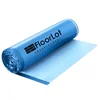
FLOORLOT BlueStep Underlayment with Moisture Barrier (200 sq.ft) – $59.99
Rated for laminate, engineered wood, and solid hardwood, this is the subfloor prep this guide’s Installation Methods section glosses over – a stable, moisture-blocking base matters whether you snap-lock laminate or nail/glue engineered planks.
- Best for: new installs of either laminate or engineered wood over a slab or older subfloor
- Why we picked it: built-in moisture barrier plus sound dampening, with taped seams for a continuous vapor block
- Main drawback: adds about $0.30/sq ft to material cost on top of the flooring itself
Compare more flooring install & care picks
 Option 1 ROBERTS Unison 2-in-1 Underlayment (100 sq.ft) – $23.51
|
 Option 2 Calculated Industries AccuMASTER XT Moisture Meter – $50.29
|
 Option 3 Bona Multi-Surface Floor Cleaner Spray (32 oz) – $7.98
|
As an Amazon Associate we earn from qualifying purchases.
Engineered wood is made from real wood layers. These layers are glued together. It looks like solid wood. It is strong and durable. Laminate is different. It is made from fiberboard. It has a printed layer on top. This layer looks like wood. But it’s not real wood.
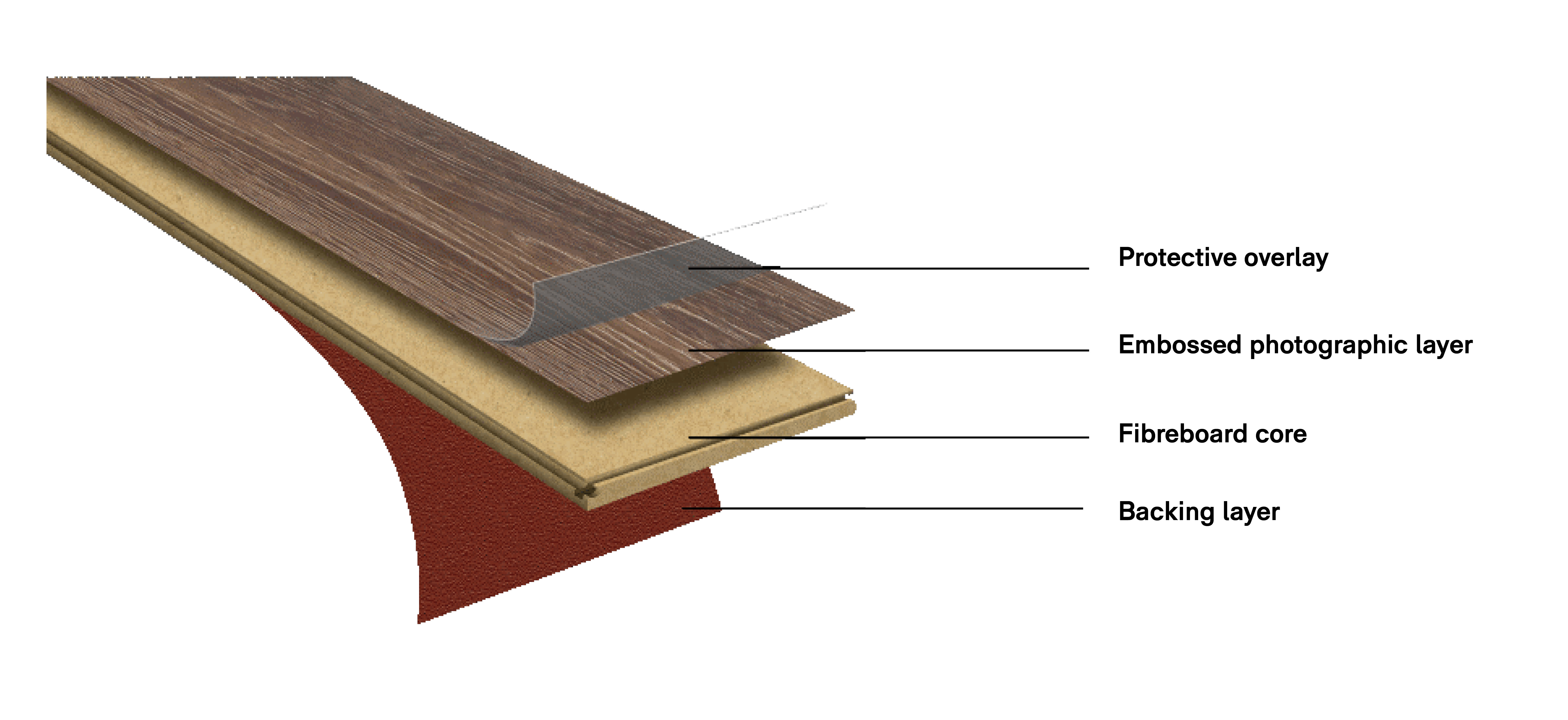
The top layer of engineered wood is called the veneer. It is real wood. The fiberboardin laminate is made from wood fibers. These fibers are pressed together. Laminate has a protective coating. This makes it scratch-resistant. Engineered wood also has a protective layer. But it is more natural. If you are new to how different types of wood get classified, engineered wood and laminate sit on opposite ends of that spectrum: one is real wood re-engineered, the other is a wood-look composite.
:max_bytes(150000):strip_icc()/laminate-vs-engineered-wood-flooring-comparison-1822247_hardwood_engineered_0595-6f81f6d0a100460188bed0508ac0558d.jpg)
Credit: www.thespruce.com
Manufacturing Process
Engineered woodis made from layers of wood. These layers are glued together. This makes it strong. The top layer is real wood. It looks like solid wood. It feels like wood too. Underneath are many layers. They are made from plywood or fiberboard. This helps the wood to stay stable. It does not warp easily.
Laminateis different. It has no real wood in the top layer. The top is a picture of wood. This picture is printed on paper. Then, it is covered with a clear layer. This layer protects it. Underneath are layers of fiberboard. These layers are pressed very hard. They make the laminate strong. It is good for busy homes. Plywood is actually a close cousin of engineered wood rather than laminate – see engineered wood vs plywood for how the layering compares.
Appearance And Texture
Engineered wood looks like real wood. It has a natural grain. The surface feels smooth and warm. It can have different finishes. Some are glossy. Others are matte. This makes it versatile for home decor.
Laminate looks different. It imitates wood but is not real. It often has a printed layer. This layer can mimic wood, stone, or tile. The texture can be smooth or textured. It feels cooler and more artificial.
Both materials offer variety. Engineered wood has a more authentic look. Laminate provides more design options. Each has its own unique charm.
Durability And Longevity
Engineered woodis tough. It lasts for many years. Its layers make it strong. You can see the natural wood on top. This gives a rich look. It can withstand scratches and dents. Proper care is important. It can last up to 30 years.
Laminateis also strong but in a different way. It has a printed surface. This makes it look like wood. It resists scratches well. Its top layer is protective. It does not fade easily. This flooring is good for busy homes. It can last 10 to 20 years.
Both are good options. Each has its own benefits. Choose the one that fits your needs. Think about how long you want it to last. Both options offer value for money.
Installation Methods
Engineered wood requires nails or glue. It needs a strong foundation. Each plank must be secured well. This keeps the floor stable. Installation takes time. Skill is needed for good results.
Laminate flooring is different. Snap-and-lock technique is common. Planks fit together easily. No nails or glue needed. Floats over the old floor. Easy for beginners. Quick installation saves time. Our step-by-step laminate installation guide walks through the snap-and-lock process in detail.
Tools are important. Engineered wood needs more tools. Laminate uses simple tools. Less mess with laminate. Engineered wood can get messy. Choose based on skill and time.
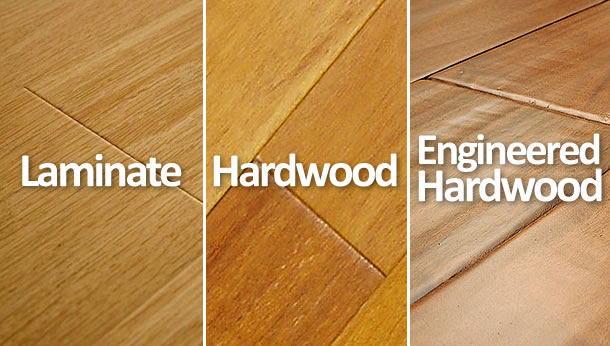
Credit: cleanmyspace.com
Cost Comparison
Engineered woodoften costs more than laminate. It has real wood layers. This gives it a natural look. Laminate is made from synthetic materials. It is usually cheaper. Many families choose laminate. It fits smaller budgets.
Long-lasting materials can save money. Engineered wood can last many years. It may need special care. Laminate is durable but can wear out faster.
Both options have pros and cons. Consider your budget and needs. Choose what fits your lifestyle best.
Maintenance Requirements
Engineered wood needs regular cleaning. Dust and mop the surface gently. Avoid water spills; they may harm the wood. Use a dry cloth for spills. Laminate is easier to clean. Water resistance is better in laminate. Use a damp mop for cleaning. Both materials need care. Avoid harsh chemicals; they might damage the surfaces. Check for scratches often. Repair them quickly. This keeps the floors looking nice. Follow the manufacturer’s advice for best results. Our full guide to cleaning engineered wood flooring covers the safe-product list in more depth. Maintenance keeps the floors strong. Clean floors look good. Regular care is important. Keep them shining.
Environmental Impact
Engineered woodis made with real wood layers. This uses trees. The top layer is thin but real. Laminateuses a printed surface. It is not real wood. The core is made from compressed wood fibers.
Making engineered wood uses more trees. But it lasts longer. This means less waste over time. Laminate is cheaper to make. It does not use as many trees.
Both can be recycled. Engineered wood can be reused easily. Laminate is harder to recycle. It has more materials mixed in. Both have pros and cons for the earth.
Ideal Applications
Engineered wood is great for furniture. It is strong and looks nice. Many people use it in kitchen cabinets. It’s also good for flooring. It handles wear and tear well.
Laminate is best for countertops. It is easy to clean. Many choose it for bathrooms. It works well in high moistureareas. Laminate is also popular for living rooms. It is cost-effective and stylish.
Both have their own uses. Choose based on what you need. Think about where you will use it. Consider the lookand durability. If solid hardwood is also on your shortlist, our solid wood vs engineered wood flooring comparison breaks down that third option too.
Frequently Asked Questions
What Is Engineered Wood Made Of?
Engineered wood is crafted from layers of wood veneers. These layers are bonded together with adhesives. The process enhances the wood’s strength and durability. It’s often topped with a hardwood veneer for a natural look.
How Is Laminate Flooring Different?
Laminate flooring features a high-density fiberboard core. It’s topped with a photographic image layer. This layer mimics the appearance of real wood. A protective layer ensures durability and resistance to scratches.
Is Engineered Wood More Durable Than Laminate?
Engineered wood is generally more durable than laminate. Its construction provides superior stability and longevity. It can be sanded and refinished if needed. Laminate is durable but cannot be refinished.
Can Engineered Wood Be Refinished?
Yes, engineered wood can be refinished. This depends on the thickness of its top veneer layer. A thicker veneer allows for multiple refinishes. Refinishing can restore its original beauty.
Conclusion
Choosing between engineered wood and laminate can be tricky. Both have unique benefits. Engineered wood offers a natural look and durability. It’s ideal for those valuing authenticity. Laminate is more affordable and resistant to scratches. Perfect for busy households or tight budgets.
Each material serves different needs and styles. Consider your lifestyle and budget before deciding. Think about maintenance and installation ease too. Remember, both options can enhance your home beautifully. Make a choice that fits your space and personal taste. Enjoy the transformation and comfort they bring to your home.