How to Instal Engineered Hardwood Flooring on Concrete: Step-by-Step Guide
Imagine walking into your home and being greeted by the warmth and elegance of engineered hardwood flooring. It’s a sight that promises comfort and style, setting the perfect tone for your living space.
But how do you achieve this look when your foundation is concrete? You might think it’s a challenging task, but with the right guidance, you can transform your home into a masterpiece. You’re here because you want to know how to install engineered hardwood flooring on concrete, and we’re here to guide you every step of the way.
This process might seem daunting, but once you understand the steps and techniques, you’ll be able to tackle it with confidence. You’ll discover how to prepare your concrete surface properly, choose the best materials, and lay your flooring with precision. Dive into this comprehensive guide to unlock the secrets of seamless installation and bring that dream floor to life. Your home deserves the best, and with the right knowledge, you can make it happen. Keep reading to uncover the tips and tricks that will ensure your flooring project is a success.
Credit: villagiowoodfloors.com
Preparation For Installation
Preparing for installing engineered hardwood on concrete involves cleaning the floor thoroughly. Ensure the concrete is dry and level. Use a moisture barrier to protect the wood.
Gather Necessary Tools And Materials
Get all tools before starting. You need a tape measureand hammer. A leveland chalk lineare also needed. Don’t forget the adhesiveand safety gear. Gather engineered hardwoodboards and underlayment. Have a sawready for cutting. Make sure you have a trowelfor spreading glue. Double-check your list.
Inspect And Clean Concrete Surface
Check the concrete for cracks. It must be smoothand level. Fix any problems before starting. Clean the surface well. Remove all dirtand debris. Use a broom or vacuum. Make sure it’s dry. Wet concrete can damage flooring. Proper preparation helps the flooring last longer. Inspecting is important.

Credit: bigbrohardwood.com
Moisture Testing
Before installing engineered hardwood on concrete, it’s crucial to test moisture levels. This ensures a stable and durable floor. Proper moisture testing prevents damage and extends the floor’s lifespan.
Importance Of Moisture Testing
Moisture can harm your floor. Moisture testing is crucial. It checks the moisture level in concrete. If the level is high, your floor may warp or crack. It saves time and money. It prevents future problems. Testing ensures a long-lasting floor.
Performing A Moisture Test
Use a moisture meter to test. Place the meter on the concrete. The meter shows the moisture level. Follow the instructions on the meter. Ensure the level is safe for flooring. Repeat the test in different spots. This gives an accurate reading. Always double-check the results.
Subfloor Preparation
Concrete must be flatand smoothfor hardwood flooring. Check the floor with a long level. It should show no bumps or holes. Use a concrete grinder to smooth high spots. Fill low spots with a concrete patching compound. Mix the compound with water. Pour it in the low areas. Use a trowel to make it even. Let it dry for at least 24 hours. A flat floor is important for a good installation.
Concrete can hold moisture. This moisture can damage wood floors. Use a moisture barrierto protect the wood. Roll out a plastic sheet over the concrete. Make sure it covers all areas. Overlap the edges by a few inches. Tape the seams with waterproof tape. This keeps water away from the wood. A good barrier helps wood last longer.
Acclimating Hardwood Flooring
Acclimationhelps prevent floor problems. It means letting the wood adjust. Duration is usually 48-72 hours. The room should be dry and warm. Keep the wood in its packaging. This avoids moisture change. The temperature should be around 65-75°F. Humidity should be 30-50%. This keeps the wood stable. Check the wood often. Make sure it’s not changing shape.
Arranging Planks For Best Results
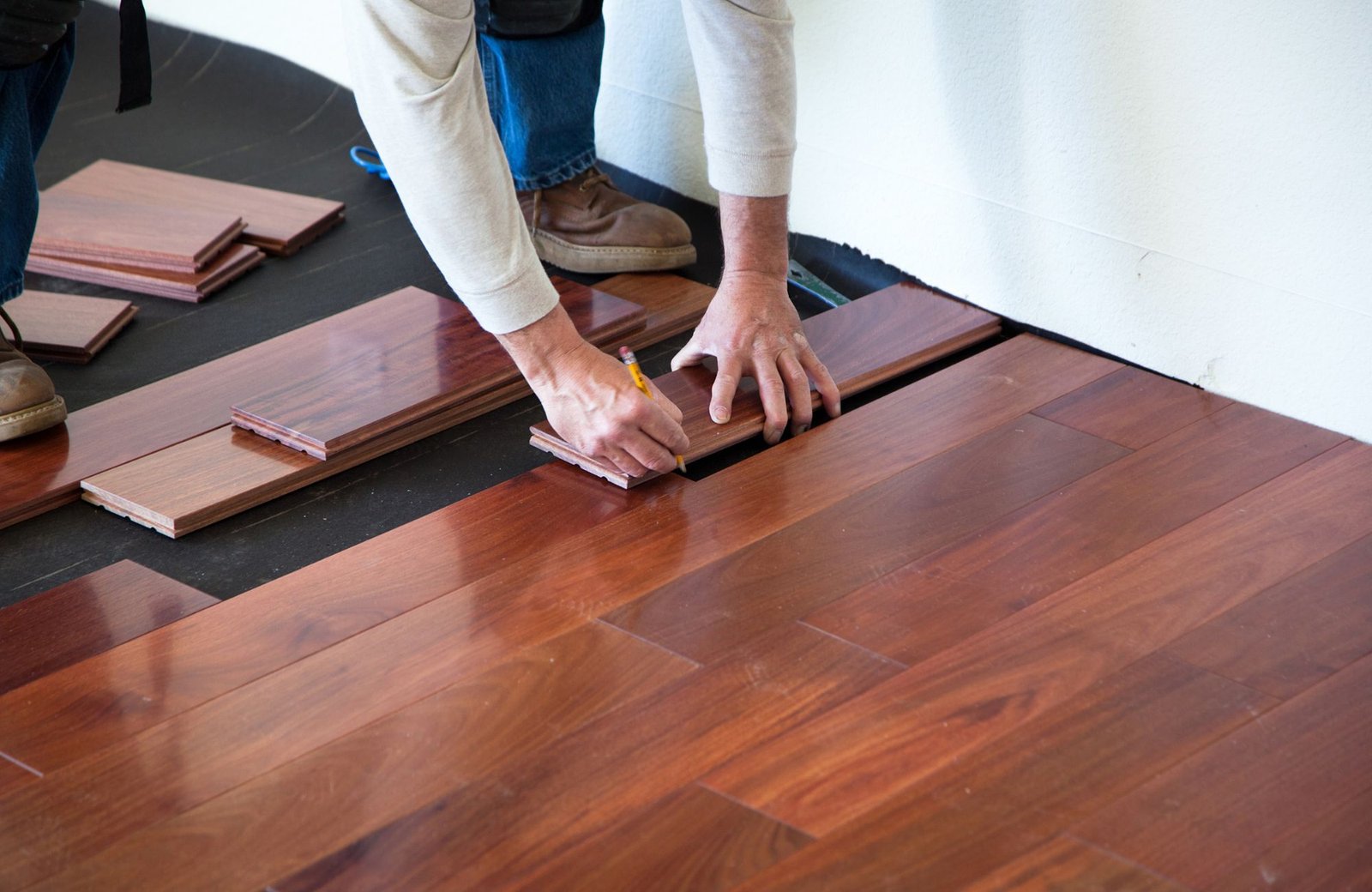
Think about the light in the room. Place planks in the same direction. This makes the floor look good. Mix planks from different boxes. This balances color and grain. Lay planks out before installation. This helps plan the layout. Avoid lining up the ends. This creates a natural look. Use spacers between planks. This keeps gaps even. Cut planks for edges carefully. This ensures a clean finish.
Layout Planning
Measuring the Roomis a key step. Use a tape measure for accuracy. Measure length and width. Note each measurement. Check for any odd shapes. Make adjustments as needed. Record all measurements carefully.
Determining the Starting Pointis crucial. Find the center of the room. Start laying from this point. Use chalk to mark it. This helps with even flooring. Ensure the first row is straight. Check with a level tool. Adjust if necessary.
Installation Techniques
The glue-down method is popular for installing engineered hardwood flooringon concrete. Start by cleaning the concrete surface. Remove dust and debris. Apply the adhesive evenly on the concrete. Use a trowel for this. Lay the hardwood planks carefully. Press them into the glue. Ensure a tight fit. Use spacers to keep gaps consistent. Allow the glue to dry completely. This usually takes 24 hours. Once dry, remove spacers. Your floor will look neat and sturdy. Check for any loose planks. Fix them if necessary. This method provides a firm and stable floor.
The floating floor method is easy and quick. Clean the concrete first. Lay a foam underlayment. This helps with soundproofingand moisture control. Start laying planks. Connect them using grooves and tongues. No glue is needed. This is why it’s called floating. Leave a small gap near walls. This allows for expansion. Use spacers for consistency. Once finished, remove the spacers. Install baseboards to cover gaps. This method is great for beginners. It offers flexibility and ease. The floor can be moved if needed.
Securing The Flooring
Adhesive helps the planks stick to the concrete. First, clean the surface. Dust can affect the bond. Apply adhesive with a trowel. Be sure to cover all areas. Press the plank down firmly. Allow time for drying. Check for gaps. A strong bond is important.
Interlocking planks snap together easily. No glue needed. Start at the wall. Slide one plank into the next. Ensure a tight fit. Use a rubber mallet. Tap gently. Planks should lie flat. Check each connection. Avoid uneven spots. It’s easy and quick.

Credit: www.uptownfloors.com
Finishing Touches
Trimming excess materialis important for a neat look. Use a sharp utility knife. Carefully cut any extra flooring pieces. Make sure edges are smooth and straight. This step helps the floor look professional.
Installing baseboards and moldingscompletes the room. Choose baseboards that match your floor color. Secure them with nails or adhesive. Moldings cover gaps between floor and walls. They also add style. Follow the wall’s shape for perfect alignment. This keeps the room looking polished.
Maintenance Tips
Use a soft broom or vacuum for dust and dirt. Avoid wet mops. Water can damage your floor. Use a dry or damp cloth for spills. Clean up spills right away. Use a cleaner made for hardwood. Harsh chemicals can hurt the wood.
Place mats at doors to trap dirt. Use pads under furniture legs. This will prevent scratches. Keep pet nails trimmed. Pets can scratch the floor. Direct sunlight can fade wood. Use curtains or blinds to block it.
Frequently Asked Questions
Can You Install Engineered Hardwood On Concrete?
Yes, engineered hardwood can be installed on concrete. It is ideal for this purpose due to its stability. Ensure the concrete is dry, clean, and level. Use an appropriate moisture barrier to prevent moisture issues. Choose a suitable installation method, such as floating, glue-down, or nail-down, depending on your needs.
What Tools Are Needed For Installation?
To install engineered hardwood on concrete, you’ll need a saw, tape measure, and a moisture meter. Additionally, have a hammer, rubber mallet, and adhesive or underlayment ready. Using a chalk line and spacers ensures precise alignment. Safety gear, like gloves and goggles, is essential for protection during installation.
How Long Does Installation Take?
The installation of engineered hardwood on concrete typically takes 1 to 3 days. The time depends on room size and preparation. Allow extra time for acclimation, which is crucial for wood stability. Proper planning and preparation can help streamline the process and ensure a successful installation.
Do You Need A Moisture Barrier?
Yes, a moisture barrier is essential when installing engineered hardwood on concrete. It prevents moisture from seeping through the concrete and damaging the wood. Moisture barriers can be in the form of a plastic sheet or a specialized underlayment. This step is crucial to ensure the longevity of your flooring.
Conclusion
Installing engineered hardwood on concrete can transform your space. It’s a durable and stylish choice. The process isn’t complex, but requires patience. Follow the steps carefully for best results. Proper preparation ensures a smooth installation. Measure accurately and choose quality materials.
Don’t rush the project; take your time. With attention to detail, the floor will last. Enjoy the beauty and comfort it brings. Your home deserves this upgrade. Remember, a well-laid floor adds value. Happy flooring!