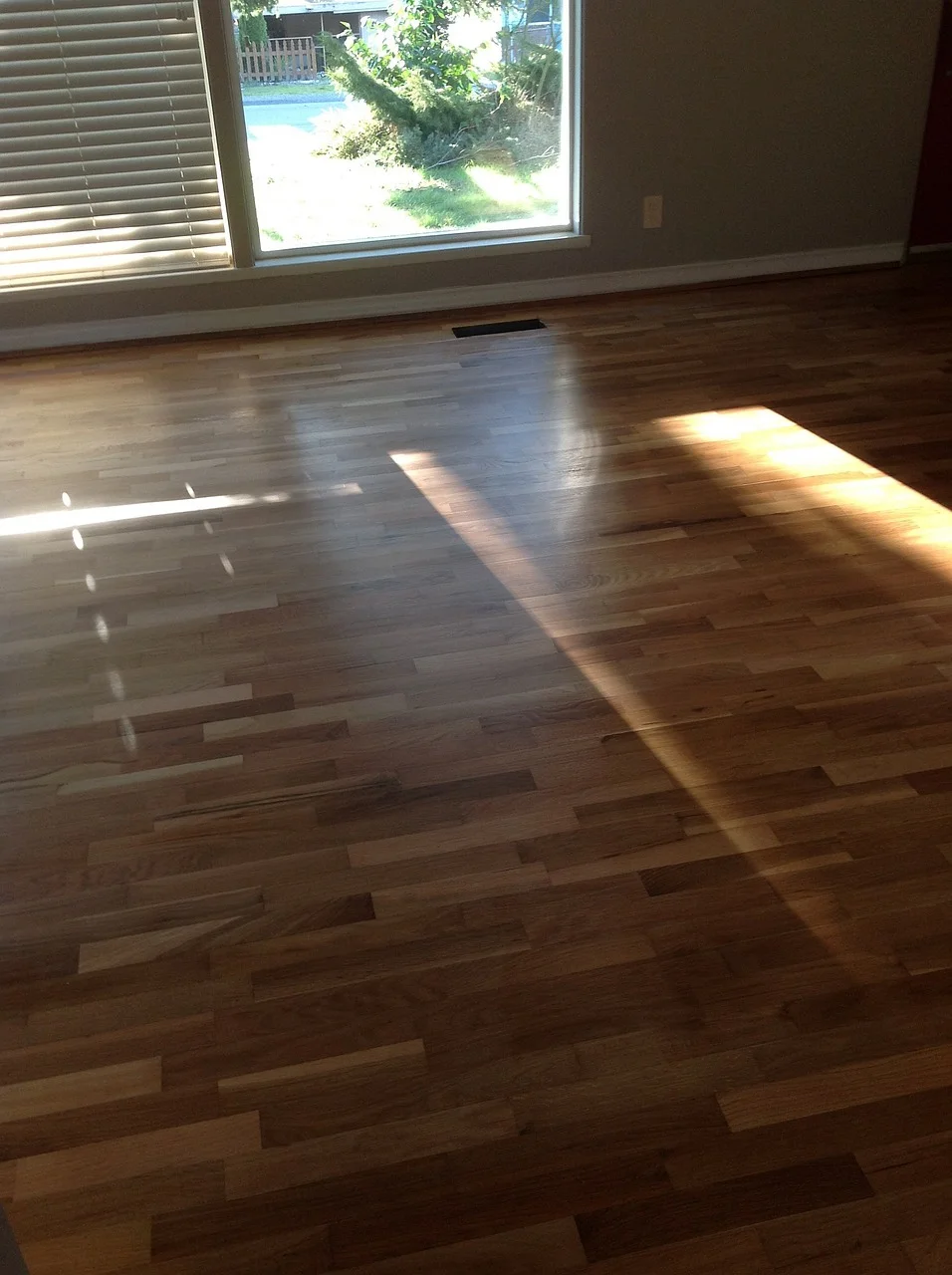
How Many Coats of Polyurethane Do Hardwood Floors Need?
Oil-based polyurethane needs 2 to 3 coats on hardwood flooring; water-based polyurethane needs 3 to 4 coats to reach the same durability. High-traffic rooms and floors finished in a gloss sheen should go on the higher end of each range.
The two finish types are not interchangeable coat-for-coat. Water-based polyurethane goes on as a thinner film, so it takes an extra coat to build the same protective thickness that oil-based polyurethane reaches in fewer passes. The tradeoff is speed: water-based dries to the touch in about two hours, while oil-based needs closer to a full day between coats, so the total time to finish a floor often ends up similar either way.
How Many Coats Do You Actually Need?
Best Water-Based Polyurethane For Floors
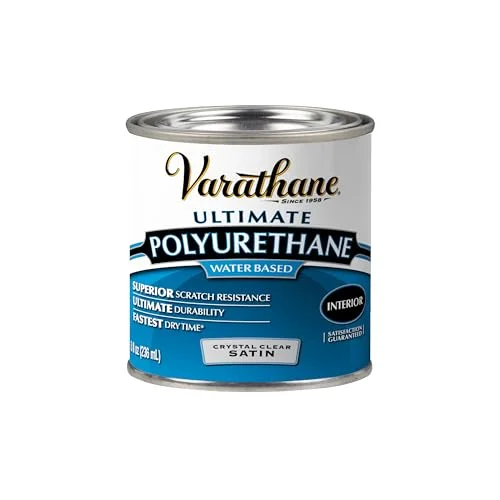 |
Varathane Water-Based Ultimate Polyurethane – $13.49 The water-based finish this guide’s coat-count math is built around, dries fast enough to recoat the same day.
|
The right number of coats depends on which type of polyurethane you are using, plus how much foot traffic the room gets. Here is how the two finish types compare:
| Finish Type | Coats Needed | Dry Time Between Coats |
|---|---|---|
| Oil-based polyurethane | 2 to 3 coats | 8 to 24 hours, light sanding between coats |
| Water-based polyurethane | 3 to 4 coats | 2 to 4 hours, often no sanding if recoated in the window |
| High-traffic hallway or entryway | Add 1 extra coat to the totals above | Same as finish type used |
Wood type matters too. Open-grain woods like oak and ash absorb more of the first coat, so that coat does less to build a protective layer than it would on a tighter-grained wood like maple. If you are working with a soft or very porous wood, lean toward the higher end of the coat range regardless of which finish you pick.
Preparing the Floor Before the First Coat
Every coat of polyurethane is only as good as the surface underneath it. Vacuum the floor thoroughly, then go over it with a tack cloth or a microfiber mop dampened with mineral spirits (for oil-based) or water (for water-based) to pick up fine dust. Any dust left on the floor gets sealed into the first coat as a rough patch.
If you are refinishing over bare, newly sanded wood, skip stain-blocking primer, plain polyurethane goes straight onto raw wood. A primer is only needed to seal a stain or cover discoloration before finishing. When finishing hardwood in a kitchen or other spill-prone room, an extra coat is worth the added protection against water damage around sinks and appliances.
How to Apply Each Coat
- Stir the polyurethane gently, do not shake it, shaking creates bubbles that end up in the finish.
- Apply with a natural bristle brush (oil-based) or a synthetic brush or foam applicator (water-based), working with the grain in long, even strokes.
- Use a lambswool applicator pad for large open floor areas to keep the coat thin and even; save the brush for edges and corners.
- Let the coat dry fully per the can directions before touching it.
- Lightly sand or screen with 220-grit sandpaper or a maroon abrasive pad between coats (skip this for water-based coats applied within the recoat window), then vacuum and tack the dust before the next coat.
- Repeat for the full coat count: 2 to 3 for oil-based, 3 to 4 for water-based.
Keep coats thin. A thick, heavy coat traps solvent underneath the surface skin, which is what causes the bubbling and slow, uneven curing that ruins a finish. Two thin coats always outperform one thick one.
Drying Time vs. Curing Time
Dry and cured are not the same thing, and mixing them up is the most common reason floors get damaged right after a refinish. Dry means the solvent has evaporated and the surface is safe to walk on or recoat. Cured means the finish has fully hardened all the way through, which is when it reaches its real scratch and chemical resistance.
Oil-based polyurethane is typically dry to light foot traffic in 24 hours but does not fully cure for about 30 days. Water-based polyurethane is walkable in as little as 4 to 6 hours but still needs about 2 weeks to cure. During the curing window, avoid rugs, furniture pads, and heavy foot traffic, moving a rug back too early is a common way to leave a permanent imprint or discoloration in an otherwise good finish.
Common Mistakes That Ruin a Coat
- Applying too many coats too fast: skipping the recoat window traps solvent and causes bubbling, cloudiness, or a soft, tacky surface that never fully hardens.
- Not sanding between oil-based coats: each coat needs a scuffed surface to mechanically bond to; without it, the new coat can peel away in sheets.
- Working in a dusty or humid room: dust settles into a wet coat and shows as texture; high humidity slows water-based finishes and can cause a cloudy, milky look.
- Mixing finish chemistries: switching brands or types mid-project without checking compatibility can cause the new coat to lift or wrinkle the one underneath.
Keeping a Finished Floor Looking New
Sweep or dust-mop a polyurethane-finished floor regularly and use a barely damp mop for deeper cleaning; standing water is the fastest way to dull or cloud the finish. Add felt pads under furniture legs and a mat at exterior doors to keep grit from scratching the surface. Most floors need a light maintenance coat, screening the existing finish and applying one fresh layer, every 3 to 5 years in normal-traffic homes, well before a full sand-down to bare wood becomes necessary.
Frequently Asked Questions
How Many Coats of Polyurethane Does a Hardwood Floor Need?
Most hardwood floors need 2 to 3 coats of oil-based polyurethane, or 3 to 4 coats of water-based polyurethane. The first coat soaks into the bare wood and seals it, so it does not build much of a protective layer on its own. Each additional coat adds thickness and durability, which is why high-traffic hallways and living rooms are usually finished on the higher end of that range.
Do Water-Based and Oil-Based Polyurethane Need the Same Number of Coats?
No. Water-based polyurethane goes on thinner than oil-based, so it typically needs one extra coat, 3 to 4 coats versus 2 to 3 for oil-based, to reach the same film thickness and durability. Water-based finishes make up for the extra coat with much faster dry times, so the total project timeline is often similar or shorter.
How Long Should You Wait Between Coats of Polyurethane?
Oil-based polyurethane usually needs 8 to 24 hours between coats and light sanding or screening before each new coat. Water-based polyurethane dries to the touch in as little as 2 hours and often does not require sanding between coats if it is recoated within the window the manufacturer lists on the can. Waiting too long between coats can mean sanding is required for the next coat to bond properly.
Can You Apply Polyurethane Over an Old Finish?
Yes, as long as the old finish is polyurethane (not wax or an oil-based penetrating stain sealer) and is sanded or screened to dull the sheen so the new coat has something to grip. Clean the floor thoroughly to remove dust and residue first. If the old finish is peeling, cloudy, or more than a few years old, a full sand-down to bare wood usually gives a more even result than recoating over it.
Bottom Line
Plan on 2 to 3 coats for oil-based polyurethane or 3 to 4 coats for water-based, and add one more for a high-traffic room. The coat count matters less than getting the prep, sanding, and dry time between coats right, a floor with three careful coats will outlast one with five rushed ones.
Sponsored / affiliate links. As an Amazon Associate I earn from qualifying purchases. I may earn additional commission from eligible campaigns.