
How to Learn Japanese Woodworking: Master Craft
To learn Japanese woodworking, start by studying traditional techniques and tools. Enroll in a workshop or find online resources for guidance.
Japanese woodworking is a rich tradition that emphasizes craftsmanship, precision, and beauty. This unique art form combines functionality with aesthetic appeal, making it highly sought after. Mastering Japanese woodworking requires dedication, patience, and practice. Beginners should familiarize themselves with essential tools, such as chisels and hand planes, which differ significantly from Western tools.
Understanding basic joinery techniques is crucial, as they form the backbone of many Japanese projects. Resources like books, videos, and community workshops provide valuable insights. Embracing this skill not only enhances your woodworking abilities but also connects you to a cultural heritage steeped in artistry and craftsmanship.
The Essence Of Japanese Woodworking
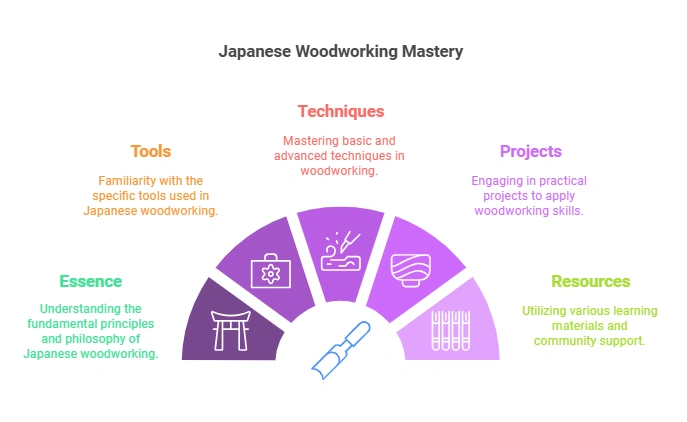
The essence of Japanese woodworking is deep-rooted in tradition. This craft has been passed down through generations. Techniques used are often simple yet effective. Craftsmen focus on precision and attention to detail. Their work emphasizes harmony with nature.
Japanese woodworking is not just a skill. It is a way of life. Each piece of wood tells a story. The tools used are often handmade and carefully maintained. Mastery requires years of practice and patience.
Philosophy plays a key role too. Craftsmen believe in the beauty of imperfections. This idea is known as wabi-sabi. It teaches appreciation for the natural cycle of life.
By understanding these roots, anyone can start learning Japanese woodworking. Embrace the tradition and philosophy to truly appreciate this art form.
Tools Of The Trade
Beginners need to invest in key tools for Japanese woodworking. Essential items include a hand saw, chisel set, and woodworking plane. A joinery tool is also important for precise joints. Having a mallet helps in using chisels effectively.
Maintaining tools keeps them in top shape. Clean tools after every use to prevent rust. Use a soft cloth to wipe down blades and handles. Regularly sharpen blades for better performance. Store tools in a dry place to avoid damage.
Basic Techniques To Master
Learning Japanese woodworking starts with mastering sawing and cutting techniques. Use a hand saw for precise cuts. Always follow the grain of the wood. Practice straight cuts and angled cuts. This helps in making clean edges.
Joinery basics are crucial. Understand different types like dovetail and mortise and tenon joints. These joints provide strength and stability. Use a chisel for detailed work. Proper fitting ensures a great finish.
Practice makes perfect. Start with small projects to build your skills. Focus on accuracy and patience. Enjoy the process of creating beautiful pieces.
Advanced Japanese Woodworking Techniques
Complex joinery is a key part of advanced Japanese woodworking. Mastering techniques like mortise and tenon, dovetails, and finger joints is essential. These joints offer strength and beauty to your projects.
Learning to make these joints requires patience and practice. Start with simple projects to build skills. Use quality tools for better accuracy and results.
Finishing methods enhance the beauty of wood. Techniques such as oil finishes, wax, and lacquer protect wood and highlight its grain. Experiment with different finishes to see what you like best.
Always test finishes on scrap wood first. This helps avoid mistakes and ensures satisfaction with the final look.
Projects To Start With
Start with simple boxes. They are easy to make and fun to design. Use basic tools like a saw and hammer. Practice measuring and cutting wood accurately.
Next, try making stools and benches. These projects require more skills but are rewarding. They help you learn about joints and stability. Use different types of wood for variety.
Both projects teach important woodworking skills. Focus on safety while using tools. Enjoy the process and take your time. Each project builds confidence and creativity.
Learning Resources
Discover essential resources for mastering Japanese woodworking. Explore books, online courses, and workshops to enhance your skills. Engage with communities and expert craftspeople to deepen your understanding and craftsmanship.
Books And Manuals
Many great books teach Japanese woodworking. Look for titles by master craftsmen. They share techniques and traditions. Manuals often include step-by-step guides. Pictures help beginners understand better.
Online Courses And Workshops
Consider joining online courses to learn at your own pace. Websites offer video tutorials by experts. Workshops provide hands-on experience. Many places allow you to meet other woodworkers. This creates a supportive community.
Joining A Woodworking Community
Joining a woodworking community can enhance your learning experience. Online forums offer great resources. You can ask questions and share experiences. Many members are eager to help beginners.
Social media platforms also provide a space for learning. Follow woodworking groups to see tips and tricks. Engaging with others can inspire new ideas.
Local clubs and workshops are excellent for hands-on experience. Meet fellow woodworking enthusiasts in your area. These gatherings help you practice skills and gain confidence. Learning together is fun and rewarding.
Practicing Mindfulness Through Woodworking
Woodworking offers a unique way to practice mindfulness. The act of shaping wood requires full attention. Each cut and movement fosters a deep connection to the task.
The Zen of woodworking lies in its simplicity. Focusing on the grain and texture helps clear the mind. This process transforms ordinary wood into beautiful pieces.
Many find that woodworking acts like meditation. The rhythmic sounds of tools create a calming atmosphere. Engaging fully in this craft encourages peace and reflection.
Frequently Asked Questions
How Do I Start Learning Japanese Woodworking?
Begin by researching Japanese woodworking techniques online. Invest in essential tools like chisels and saws. Consider enrolling in a local workshop or finding online courses. Practice regularly to improve your skills. Join woodworking communities for tips and support. Learning from experienced craftsmen can also be invaluable.
What Tools Do I Need For Japanese Woodworking?
Essential tools include a hand saw, chisels, and a plane. A marking gauge and a square are crucial for precision. Consider investing in a Japanese-style workbench. Quality tools enhance your woodworking experience. Start with a few basics and expand your collection as you progress.
Are Japanese Woodworking Techniques Difficult To Master?
While they can be challenging, anyone can learn with dedication. Focus on mastering one technique at a time. Practice regularly and seek feedback from experienced woodworkers. Patience is key, as mastering these techniques takes time. Enjoy the learning process and celebrate small achievements along the way.
Where Can I Find Resources For Japanese Woodworking?
Explore online platforms like YouTube for tutorial videos. Books on Japanese woodworking are also available at libraries or bookstores. Join woodworking forums and communities for shared knowledge. Many websites offer detailed guides and resources. Local workshops can provide hands-on experience and networking opportunities.
Conclusion
Learning Japanese woodworking is a rewarding journey. Embrace the traditions and techniques passed down through generations. Start with basic tools and gradually explore advanced skills. Join communities and seek guidance from experienced artisans. With patience and practice, you’ll create beautiful pieces that reflect your dedication and passion for this ancient craft.