Is Ryobi Compatible With Other Brands? Rarely — Here’s Why
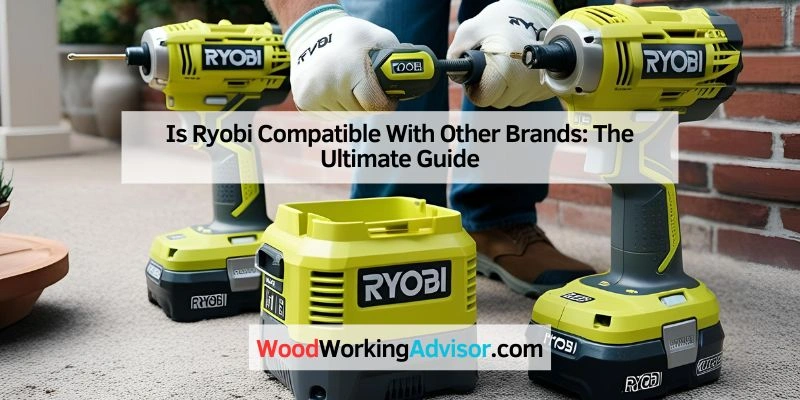
Ryobi’s ONE+ battery system is proprietary — Ryobi batteries do not physically fit any other brand’s tools, and other brands’ batteries do not fit Ryobi tools without a third-party adapter. Using an unofficial adapter can void your tool’s warranty and, on the wrong combination, damage the tool. This guide covers battery and charger compatibility, when adapters actually work, and which accessories cross brands safely.
Battery Compatibility
Best Ryobi Cross-Brand Adapter
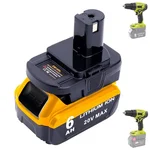 |
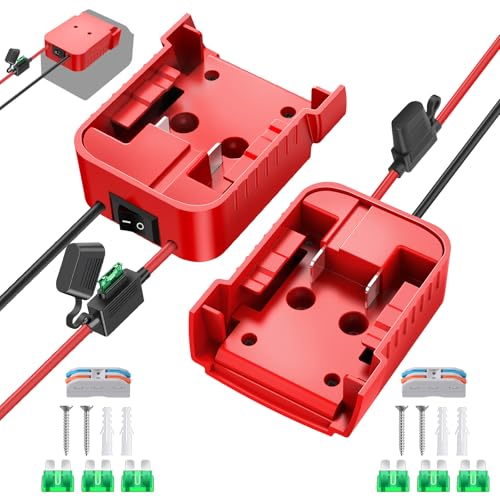
Biswaye DM18RL Battery Adapter – $9.99 Lets a DeWalt 20V MAX or Milwaukee M18 battery power a Ryobi 18V ONE+ tool — the one-way adapter workaround this guide’s Adapters section covers.
|
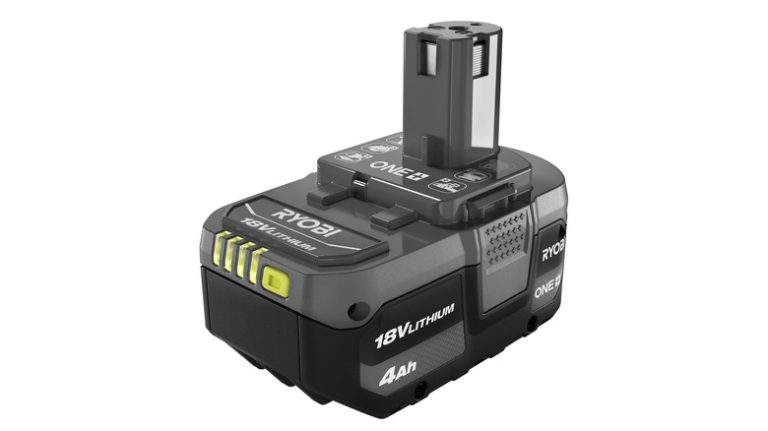
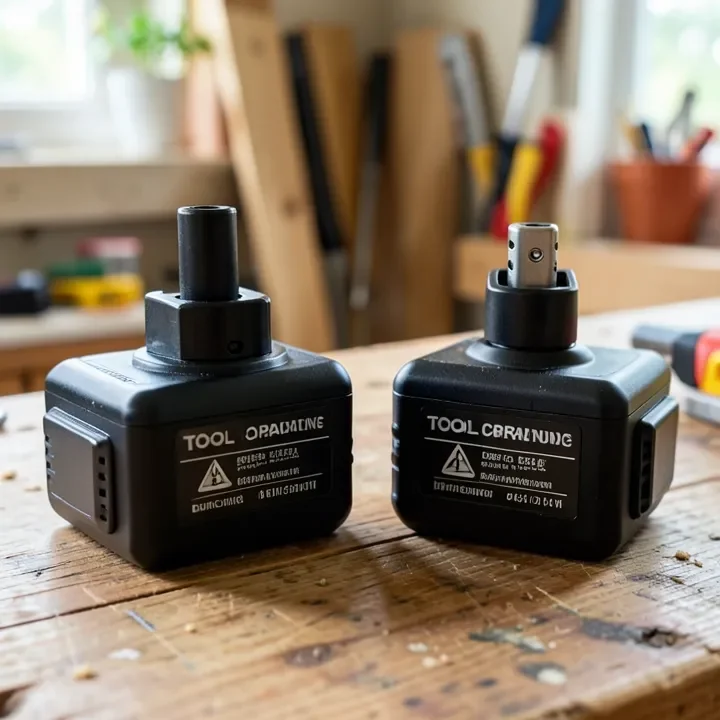
The Ryobi ONE+ system uses one 18V battery platform across the entire ONE+ lineup, so a single battery powers drills, saws, blowers, and dozens of other tools without buying brand-specific packs for each one. That convenience is also the limitation: Ryobi’s connector, communication pins, and battery management firmware are proprietary, so a Ryobi battery cannot physically connect to a DeWalt, Milwaukee, Makita, or Bosch tool, and their batteries cannot connect to a Ryobi tool. Every major power tool brand uses its own connector shape specifically to prevent cross-brand use.
Using a battery outside its intended platform without an adapter simply is not possible — the shapes don’t align. Forcing a fit, or using a poorly made adapter, risks damaging the battery’s contacts or the tool’s internals, so always confirm the platform before buying a replacement battery.
Charger Compatibility
Ryobi chargers are designed to read and balance Ryobi ONE+ battery cells specifically, so a Ryobi charger will not charge a battery from another brand, and a generic “universal” charger is not a safe substitute for a genuine Ryobi charger. A handful of multi-brand charging stations exist, but they work by including separate brand-specific bays rather than one universal port — check the compatibility list before buying, since a mismatched charger can overheat a battery or fail to charge it at all.
Sticking with a genuine Ryobi charger for ONE+ batteries protects both charge speed and long-term battery lifespan — Ryobi’s charging profile is tuned specifically for its own cell chemistry.
Tool Interchangeability
Ryobi drills, drivers, saws, and outdoor tools all run on the same 18V ONE+ platform, so any ONE+ battery works in any ONE+ tool regardless of age or tool type — a 2018 drill accepts a battery bought in 2026. That interchangeability stops at the brand line: Milwaukee’s M18, DeWalt’s 20V MAX, and Ryobi’s 18V ONE+ are all nominally similar voltages but use incompatible connectors, so none of them physically interchange without an adapter.
Which Direction Does Cross-Brand Compatibility Actually Work?
This is the part most compatibility guides get vague on. A DM18RL-style adapter (like the pick above) lets a DeWalt 20V MAX or Milwaukee M18 battery snap into the adapter, which then plugs into a Ryobi ONE+ tool — other-brand battery powering a Ryobi tool. There is no reliable adapter that does the reverse (a Ryobi battery powering a DeWalt or Milwaukee tool), because those tools’ battery bays are shaped differently and the adapter would need to be built into the tool itself, not the battery. If you already own Ryobi tools and are considering a second battery platform, that one-way limitation is worth knowing before you buy.
Accessory Compatibility
Accessories are a different story from batteries. Ryobi tools use standard-shank chucks and blade mounts, so most third-party bits, blades, and sanding accessories work regardless of brand.
Bits And Blades
Standard round-shank drill bits from any brand fit Ryobi drills, and universal-arbor circular saw blades fit Ryobi saws, since these use industry-standard mounts rather than proprietary ones. You don’t need Ryobi-branded bits or blades to get full performance from a Ryobi tool.
Ryobi Vs. Other Brands
Ryobi tools sit in the budget-to-midrange tier, typically $20–$60 below comparable DeWalt or Milwaukee tools, with a tradeoff in duty-cycle rating rather than everyday reliability — Ryobi is built for homeowner and light DIY use, not all-day jobsite use. For occasional projects, the lower cost and huge ONE+ tool selection (280+ tools on one battery platform) make it a practical choice.
Adapters And Converters
Third-party adapters exist specifically to bridge Ryobi’s platform with other brands’ batteries, most commonly the DM18RL-style adapter shown above. These are aftermarket products, not Ryobi-made or Ryobi-endorsed, so quality varies between manufacturers even when the model number is the same.
| Pros | Cons |
|---|---|
| Saves buying a second battery platform | Voids the tool manufacturer’s warranty |
| Widely available for $8–$15 | Build quality varies by seller |
| Works with common 18V/20V MAX packs | Only works one direction (other brand → Ryobi tool) |
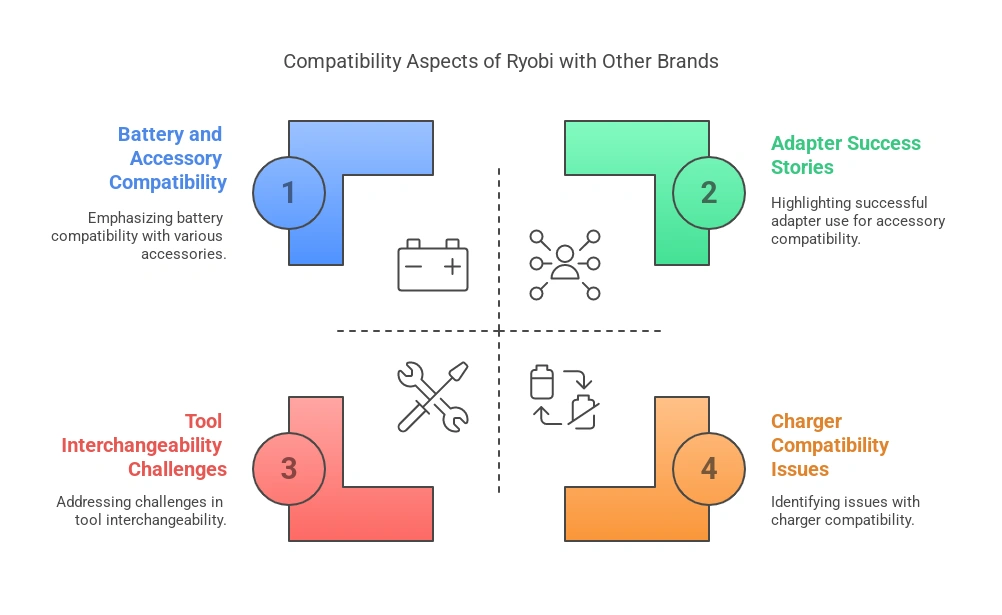
User Experiences
Real-world reports from ONE+ owners line up with the adapter directionality above: mixing brands works when going from a DeWalt or Milwaukee battery into a Ryobi tool through an adapter, and causes problems in every other combination.
Success Stories
Owners who already had a DeWalt or Milwaukee battery collection report using an adapter to run Ryobi ONE+ tools without buying a second charger system, saving the cost of a starter Ryobi battery kit. This is the most common legitimate cross-brand use case reported for Ryobi.
Common Issues
The most common complaint involves trying the reverse direction — forcing a Ryobi battery into another brand’s tool — which simply doesn’t work without a purpose-built adapter that doesn’t widely exist. Some users also report batteries not fitting tools they assumed were cross-compatible, or a mixed-brand setup causing a tool to stop working mid-project. Reduced power output and shorter runtime are also reported with cheaper third-party adapters, so it’s worth checking reviews before buying one.
Future Of Compatibility
Cross-brand battery compatibility is a growing demand, but Ryobi (owned by Techtronic Industries, which also owns Milwaukee) has given no indication it plans to open the ONE+ platform to other brands’ batteries or vice versa — doing so would undercut its own strategy of locking customers into the ONE+ tool ecosystem. The realistic path for cross-brand use will likely stay third-party adapters like the one above, similar to how Hart’s battery platform is handled by aftermarket adapter makers rather than an official partnership.
📊 Ryobi’s ONE+ system spans 280+ tools on a single 18V battery platform — Source: Ryobi Tools, ONE+ System overview
Frequently Asked Questions
Are Ryobi tools compatible with other brands?
Ryobi tools are generally not compatible with other brands. Their batteries and accessories are designed specifically for Ryobi products. Always check compatibility before purchasing.
Can Ryobi batteries fit other brand tools?
Ryobi batteries do not typically fit other brand tools. They are engineered for Ryobi products. Adapters may exist but are not recommended by Ryobi.
Do Ryobi accessories work with other brands?
Ryobi accessories are mostly designed for Ryobi tools. Some may fit other brands, but it’s not guaranteed. Compatibility should be verified.
Is there an adapter for Ryobi and other brands?
Some third-party adapters exist for Ryobi and other brands. However, using them can void warranties and may not be reliable.
Can I use a DeWalt or Milwaukee battery in a Ryobi tool?
Yes, with a third-party adapter such as the DM18RL-style adapter — it lets a DeWalt 20V MAX or Milwaukee M18 battery power a Ryobi ONE+ tool. This only works in that direction; there is no widely available adapter that lets a Ryobi battery power a DeWalt or Milwaukee tool. Using an adapter voids the tool manufacturer’s warranty.
Conclusion
Ryobi’s ONE+ battery and charger system stays inside its own ecosystem — cross-brand compatibility only works one direction, and only with a third-party adapter. Accessories like bits and blades are the exception, since most use industry-standard mounts. Check the specific battery, charger, or accessory before assuming it will cross brands, and factor in warranty voidance before using any adapter.
Sponsored / affiliate links. As an Amazon Associate I earn from qualifying purchases. I may earn additional commission from eligible campaigns.