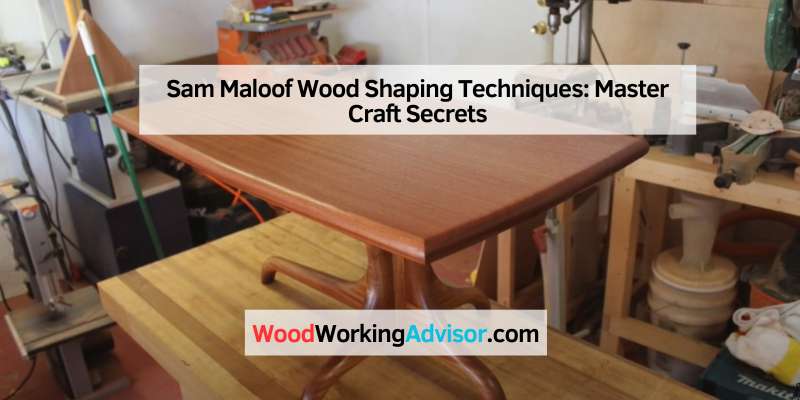
Sam Maloof Wood Shaping Techniques: The 3-Rasp Method
Sam Maloof shaped wood almost entirely by hand — rough-cutting on the bandsaw, then working the curve down with a three-rasp progression (coarse to fine) before finishing with a spokeshave and scraper. Skip a grit and the surface shows every tool mark under oil finish. This guide covers the exact tool sequence, how the coopered rocker seat was carved, and the sanding-to-oil process that gave his furniture its signature glass-smooth curves.
Definition
Sam Maloof’s wood shaping technique is a hand-sculpting method that removes material in stages — bandsaw for the rough profile, three graded rasps (coarse, medium, fine) for the curve, then a spokeshave and cabinet scraper for the final surface — rather than sanding a flat panel into a rounded shape. It’s the reason his arms, seats, and joints read as continuous, flowing forms instead of assembled parts.
Who Was Sam Maloof?
Best Rasp Set For Maloof-Style Shaping
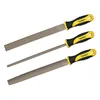
TARIST 3-Piece 8″ Wood Rasp File Set
Flat, half-round, and round rasps in one set — the same coarse-to-fine spread the Maloof three-rasp method calls for.
- Best for: starting a chamfer-first curve on chair spindles, arms, or legs
- Why we picked it: three profiles cover rough removal through fine rounding without buying tools separately
- Main drawback: handles are basic — comfortable for short sessions, less so for a full day of shaping
Compare more wood-shaping tool options
 Option 1 JORGENSEN No.59F Spokeshave
|
 Option 2 GLARKS 12-Piece Mini Rasp Set
|
 Option 3 Spokeshave + Rasp Combo Kit
|
As an Amazon Associate we earn from qualifying purchases.
Sam Maloof (1916–2009) was a self-taught California furniture maker best known for his sculpted rocking chairs, later a MacArthur Fellowship recipient — the only craft furniture maker to receive one. He didn’t sketch a design and then force wood to match it; each piece grew out of the board in front of him, which is why choosing the right wood came before any shaping decision.
His furniture is identifiable by continuous curves that flow from seat to arm to leg with no hard transitions — the opposite of the flat-panel, right-angle furniture that dominated mid-century production shops. Every one of those curves was cut, rasped, and shaved by hand.
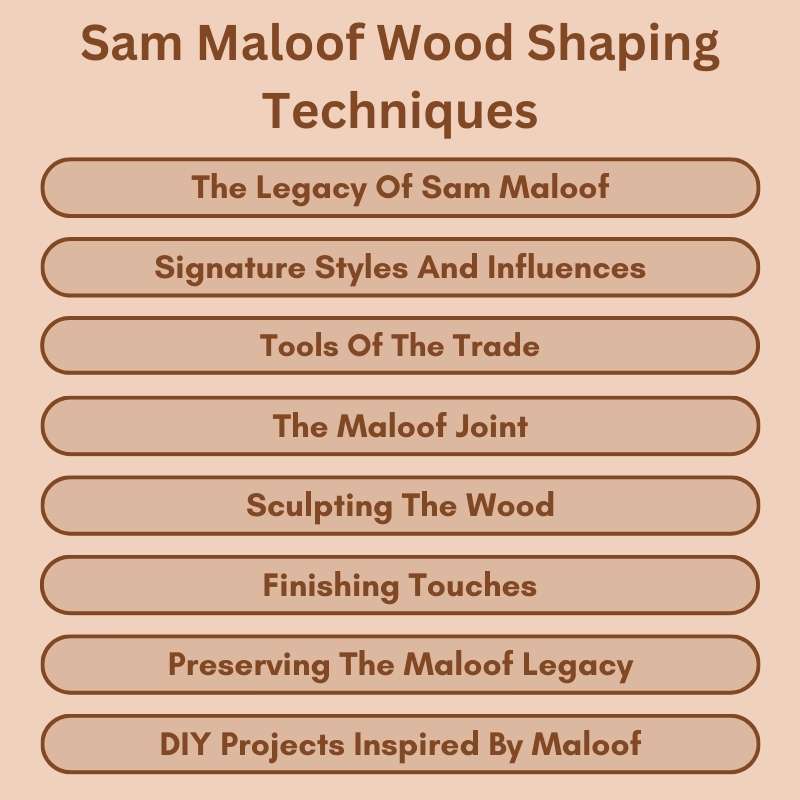
The Tools Sam Maloof Used to Shape Wood
Maloof roughed out curved parts on a bandsaw — he used a keyhole saw early in his career before switching to the bandsaw for speed, though the shaping process after that stayed hand-tool-based for decades. According to woodworkers who documented his shop process (FineWoodworking), he avoided over-mechanizing the process because heavy machine use flattens out the hand-made feel a piece is supposed to have.
- Bandsaw — rough-cuts the curved profile from a squared blank
- Rasps (three grades) — a large coarse rasp removes bulk and establishes flat chamfers as reference points; a large fine rasp rounds those chamfers into a true curve; a small fine rasp shapes tight transitions and inside corners
- Spokeshave — smooths the rasped curve into a continuous surface
- Cabinet scraper — removes the last tool marks before sanding
- Air-powered sanders and die grinders — used selectively on large sculpted surfaces like seats, not as a shortcut around hand-shaping
That’s the shaping-specific tool list. For the full shop rundown — Maloof’s table saws, jointers, and lathes, plus the exact Nicholson rasp numbers and modern equivalents you can buy — see our Sam Maloof woodworking tools guide.
The three-rasp system is the part most tutorials skip: start with the coarse rasp cutting flat facets around the curve (a chamfer-first approach gives you a reference surface instead of chasing a round shape freehand), then use the fine rasp to round those facets into one continuous curve, and finish tight spots with the small rasp before the spokeshave ever touches the wood.
A practical note from the shop: this same three-rasp sequence works well beyond chair spindles — shaping a curved table leg or a rounded stair rail benefits from the same chamfer-first logic, because it’s much easier to keep a curve symmetrical when you’re rounding over flat reference facets than when you’re rasping freehand from the start.
How a Maloof Rocker Seat Was Shaped
The seat is where Maloof’s shaping technique is most visible. Rather than carve one solid slab, the scalloped seat was built from five dowel-joined boards cut at slight angles to create the curve, then sculpted as a unit — a process documented by Popular Woodworking as the “coopered seat” method.
- Glue up the blank: join five boards edge-to-edge at slight angles so the panel already has a gentle curve built into the seams before any shaping starts.
- Rough the contour: use a bandsaw to cut away the bulk of the waste and establish the general saddle shape.
- Hog out the hollow: an angle grinder or die grinder fitted with a shaping disc removes material fast in the deepest part of the seat — hand tools alone would take hours here.
- Refine with rasps: switch to the coarse-to-fine rasp progression to smooth the grinder marks and true up the curve by hand.
- Scrape and sand: a cabinet scraper removes the last rasp marks, then progressive sandpaper grits finish the surface before oiling.
The Maloof Joint (Briefly)
The seat-shaping method above is different from the Maloof joint itself, which is a three-sided housed tongue-and-groove used to attach legs at a splayed angle — that’s a joinery question, not a shaping one, so we cover the cutting and angle setup in full in our Maloof woodworking techniques guide and joinery deep-dive. This page focuses on how the wood itself was carved and smoothed, not how the pieces were joined.
📊 The rocker’s laminated structure used seven glued layers of wood for strength, and the curved feet were built from 3/16″-thick strips glued over a form — Source: reporting on Maloof’s shop process, Woodcraft
Sanding and Oil Finishing
Sanding Progression
After scraping, sand with the grain, not in circles — circular scratches show through an oil finish in a way they never would under paint. Start at a coarse grit only if rasp or scraper marks remain, then step through the mid grits before finishing fine. Clear dust between each grit change; leftover coarse dust dragged into a fine-grit pass reintroduces the scratches you just sanded out.
Oil Finish
Maloof finished his furniture with oil rather than a film finish like polyurethane, because oil soaks into the wood and keeps the hand-shaped surface feeling like wood instead of plastic. Linseed oil and tung oil are the two most common choices. Apply with a clean cloth, let it penetrate for roughly 15 minutes, then wipe off every trace of excess — oil left sitting on the surface stays tacky instead of curing.
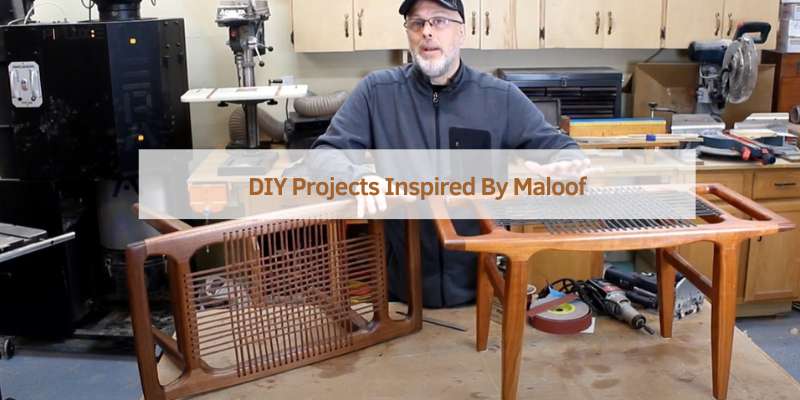
DIY Projects Inspired by Maloof’s Shaping Method
The same tool sequence scales down to smaller projects. A rocking chair spindle or a dining chair leg both benefit from bandsawing the rough curve, then working it down with the three-rasp progression before a spokeshave and scraper take over. Choose a stable hardwood like oak or walnut, dowel-join any built-up sections before shaping (not after), and finish with the same oil approach described above.
Common Mistakes When Shaping Curved Furniture by Hand
- Skipping the chamfer-first step: rasping a round shape freehand from square stock makes it much harder to keep the curve symmetrical than starting with flat reference facets.
- Sanding before scraping: sandpaper can’t remove rasp ridges efficiently — a scraper does that job in a fraction of the time and leaves a cleaner surface underneath.
- Shaping wet or high-moisture wood: a piece that’s still drying will move after shaping, distorting the curve you just cut.
- Leaving excess oil on the surface: unwiped oil stays tacky and attracts dust instead of curing into the wood.
What Are Sam Maloof’s Wood Shaping Techniques?
Sam Maloof shaped wood by hand in stages: bandsawing the rough curve, working it down with a three-rasp progression from coarse to fine, smoothing with a spokeshave and cabinet scraper, then sanding and finishing with oil. Power tools like air sanders and die grinders were used selectively on large sculpted surfaces such as seats, not as a replacement for hand-shaping.
How Is a Maloof Rocker Seat Made?
The scalloped seat is built from five dowel-joined boards cut at slight angles to create the curve, then hollowed with a bandsaw and angle or die grinder before being refined with rasps, a scraper, and sandpaper. This “coopered seat” method lets the seat curve continuously instead of being carved from one thick, wasteful slab.
What Tools Did Sam Maloof Use to Shape Wood?
Primarily a bandsaw for rough cuts, three graded rasps (coarse, medium, and fine) for shaping the curve, a spokeshave and cabinet scraper for smoothing, and air-powered sanders or die grinders for large sculpted areas like seats. He relied on hand tools for the majority of the shaping work by choice, not necessity.
What’s the Difference Between the Maloof Joint and His Shaping Technique?
The Maloof joint is a specific three-sided tongue-and-groove joint used to attach splayed chair legs — a joinery method. His shaping technique is the separate process of carving and smoothing the wood itself with rasps, a spokeshave, and a scraper. A piece can use one without the other, though Maloof’s furniture typically features both.
Sam Maloof’s wood shaping technique — bandsaw, three-rasp progression, spokeshave, scraper, then oil — is what turned squared boards into the continuous, sculpted curves his furniture is known for. Apply the same coarse-to-fine sequence to a chair spindle, a table leg, or any curved project, and pair it with our joinery guide for the connections that hold the shaped pieces together.
Sponsored / affiliate links. As an Amazon Associate I earn from qualifying purchases. I may earn additional commission from eligible campaigns.