How to Make Hardwood Floors Shine: Expert Tips
To make hardwood floors, choose quality lumber and cut it to size. Then, sand, stain, and finish the wood for durability.
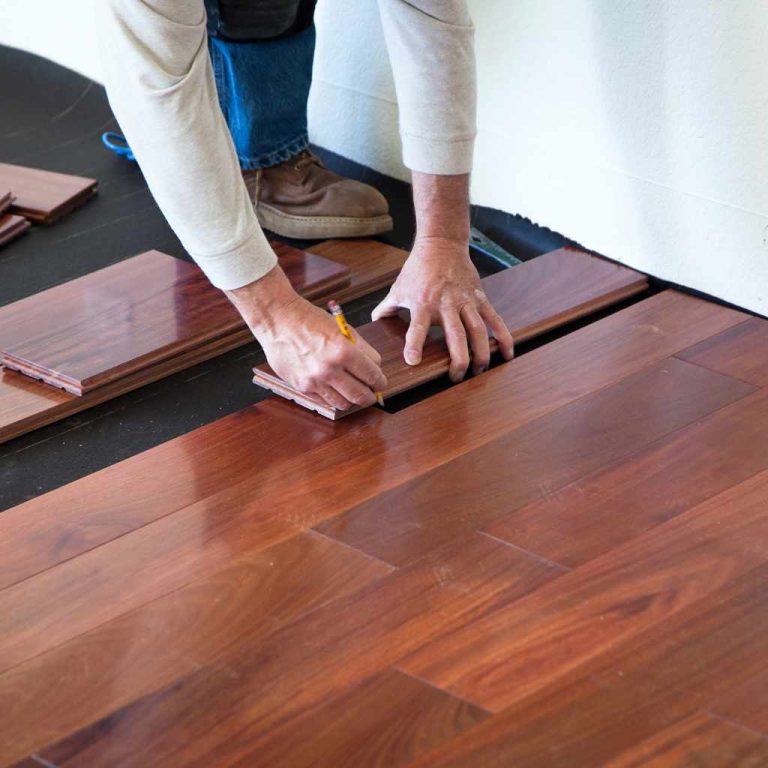
Hardwood floors are a timeless choice, adding warmth and elegance to any space. Their natural beauty complements various interior styles, making them a popular flooring option. Installing hardwood flooring can enhance your home’s value and aesthetic appeal. The process involves selecting the right wood species, preparing the subfloor, and applying the proper finish.
Understanding each step ensures a successful installation. Whether you opt for solid or engineered hardwood, the result will be a stunning, long-lasting floor. With proper care, hardwood floors can last for decades, making them a worthwhile investment for homeowners. Embrace the charm and functionality that hardwood flooring offers.
Introduction To Hardwood Floor Care
Hardwood floors add beauty to any home. They require special care to stay shiny and last long. Regular maintenance is key. Follow these tips to keep your hardwood floors looking new.
The Appeal Of Shiny Hardwood Floors
Shiny hardwood floors are more than just attractive. They create a warm atmosphere. Guests notice shiny floors first. Here are some benefits:
- Enhances room aesthetics: Shiny floors brighten the space.
- Increases home value: Well-maintained floors boost resale value.
- Easy to clean: Smooth surfaces resist dirt and dust.
Maintaining shine is simple with proper care. Regular cleaning and polishing are essential.
Importance Of Regular Maintenance
Regular maintenance keeps hardwood floors in great shape. It prevents damage and extends their life.
Here’s a quick guide to maintenance:
| Task | Frequency |
|---|---|
| Dusting or sweeping | Daily |
| Mopping | Weekly |
| Polishing | Every 3-6 months |
| Deep cleaning | Annually |
Follow these steps for best results:
- Use a soft broom or a vacuum.
- Use a damp mop with a suitable cleaner.
- Apply polish for extra shine.
- Avoid harsh chemicals or wet mops.
Regular care ensures your floors remain beautiful. Enjoy the elegance of shiny hardwood floors.
Identifying Your Floor Finish
Knowing your hardwood floor finish is crucial for maintenance and care. Different finishes require different cleaning methods and refinishing approaches. Identifying your floor finish helps you keep your floors looking great.
Common Types Of Hardwood Finishes
| Finish Type | Description | Durability |
|---|---|---|
| Polyurethane | A tough, clear finish. Offers high protection. | Very durable |
| Oil-Based | Penetrates wood for a natural look. Takes longer to dry. | Moderately durable |
| Water-Based | Dries quickly. Low odor and easy to clean. | Less durable than oil-based |
| Satin | Soft sheen. Hides scratches well. | Moderate durability |
Determining Your Floor’s Finish
Identifying your floor finish can be simple. Here are some steps to follow:
- Check the surface shine. Is it glossy, matte, or satin?
- Perform a water test. Drop water on the floor.
- Look for scratches. Are they deep or just surface-level?
- Consult with professionals. They can identify finishes quickly.
For the water test:
- If water beads up, it’s likely a polyurethane finish.
- If water soaks in, it may be an oil-based or penetrating finish.
Understanding your floor finish helps maintain its beauty. Regular cleaning and care extend the life of your hardwood floors.
Cleaning Techniques For Brilliance
Keeping your hardwood floors shiny and fresh requires proper cleaning techniques. Regular maintenance enhances their beauty and extends their lifespan. Here are essential methods to keep your floors looking their best.
Daily Dusting And Sweeping
Daily dusting and sweeping are crucial for maintaining hardwood floors. Dust and dirt can scratch the surface. Follow these steps for effective cleaning:
- Use a microfiber mop: It traps dust effectively.
- Choose a soft bristle broom: Avoid hard bristles that scratch.
- Dust in sections: This ensures thorough cleaning.
- Clean high-traffic areas: Focus on spots that gather dirt quickly.
Appropriate Mopping Methods
Mopping hardwood floors requires care. Use the right methods to prevent damage. Follow these guidelines:
- Choose a damp mop: Avoid soaking the floor.
- Use hardwood floor cleaner: Select a product made for wood.
- Work in sections: Mop small areas at a time.
- Dry the floor immediately: Prevent water damage.
Consider using a spray mop for convenience. This allows easy application of cleaner without excess moisture.
| Cleaning Method | Benefits |
|---|---|
| Dusting | Prevents scratches and keeps floors clean. |
| Dry Mopping | Removes dirt without water damage. |
| Damp Mopping | Enhances shine and removes stubborn stains. |
Regular cleaning keeps hardwood floors brilliant. Follow these techniques for lasting beauty.
The Right Cleaners To Use
Choosing the right cleaners for hardwood floors is essential. Using the wrong products can damage the finish. This section will guide you in selecting safe and effective cleaning options.
Selecting Safe Cleaning Products
Always opt for cleaners specifically designed for hardwood. Here are some tips for selecting safe products:
- Look for pH-balanced formulas.
- Avoid harsh chemicals like ammonia and bleach.
- Check for eco-friendly labels.
- Read reviews for user experiences.
Consider these popular brands:
| Brand | Type | Key Features |
|---|---|---|
| Murphy’s Oil Soap | Liquid | Natural ingredients, safe for wood |
| Bona Hardwood Floor Cleaner | Aerosol | Quick drying, residue-free |
| Method Squirt + Mop | Spray | Eco-friendly, pleasant scent |
DIY Natural Cleaners
Making your own cleaners is easy and safe. Here are simple recipes:
Vinegar and Water Solution
Mix equal parts of white vinegar and water. Use this solution for a light clean.
Olive Oil and Vinegar Mix
Combine 1 cup of olive oil with 1 cup of vinegar. This mix adds shine.
Essential Oils for Fragrance
Add a few drops of essential oil. Choose lemon or lavender for a fresh scent.
These natural cleaners are safe and effective. They help maintain the beauty of your hardwood floors.
Polishing Hardwood Floors
Polishing hardwood floors enhances their beauty and protects their finish. Regular polishing can extend the life of your floors. It also keeps them looking shiny and new. Follow the steps below to achieve a professional finish.
Choosing A Suitable Polish
Picking the right polish is crucial for hardwood floors. Different polishes work for different finishes. Here are some options:
| Type of Polish | Best For |
|---|---|
| Liquid Polish | Glossy finish on sealed floors |
| Wax Polish | Natural look on unfinished wood |
| Spray Polish | Quick touch-ups and maintenance |
Consider the following factors:
- Type of wood
- Current finish
- Desired shine level
Step-by-step Polishing Process
Follow these steps to polish your hardwood floors:
- Clear the Area: Remove furniture and rugs.
- Clean the Floor: Sweep or vacuum thoroughly.
- Test the Polish: Apply a small amount in a corner.
- Apply Polish: Use a mop or cloth for even coverage.
- Buff the Floor: Use a floor buffer or soft cloth.
- Let It Dry: Allow the polish to dry completely.
- Replace Furniture: Move furniture back carefully.
Following these steps will give your hardwood floors a stunning shine. Enjoy your beautiful, polished floors!
Buffing Out The Dullness
Buffing hardwood floors removes dullness and enhances shine. This process restores the beauty of your floors. It makes them look new again. Regular buffing prevents scratches and wear over time.
Manual Vs. Mechanical Buffing
Choosing the right buffing method is crucial. Here’s a quick comparison:
| Method | Advantages | Disadvantages |
|---|---|---|
| Manual Buffing |
|
|
| Mechanical Buffing |
|
|
Buffing Techniques
Different techniques can enhance your buffing process. Here are some effective methods:
- Dust and Clean: Start by removing dirt and debris.
- Choose the Right Pad: Use a soft pad for buffing.
- Apply Buffing Compound: Use a suitable compound for shine.
- Buff in Sections: Work in small areas for even results.
- Finish with a Clean Cloth: Wipe down the surface for a polished look.
Regular buffing keeps your hardwood floors beautiful. Choose the right method for your needs. Enjoy the fresh shine of your well-maintained floors.
Professional Hardwood Floor Care
Maintaining hardwood floors requires special attention. Professional care ensures your floors stay beautiful and last longer. Experts know the right products and techniques for every type of wood.
When To Call In The Experts
Recognizing when to hire professionals is crucial. Here are some signs that indicate it’s time to call in the experts:
- Deep scratches or dents in the wood.
- Water damage or stains that won’t come out.
- Floors look dull despite regular cleaning.
- Noise or creaking sounds when walking.
- Severe warping or buckling of planks.
Cost Vs. Benefits Of Professional Services
Investing in professional hardwood floor care can seem costly. However, the benefits often outweigh the expenses. Here’s a simple breakdown:
| Cost | Benefits |
|---|---|
| Initial investment for professional cleaning | Enhanced appearance of your floors |
| Periodic maintenance fees | Increased lifespan of the wood |
| Cost of repairs if needed | Expert advice on care and upkeep |
Professional services can save money in the long run. Proper care prevents costly repairs and replacements.
Maintaining The Shine
Keeping hardwood floors shiny enhances their beauty and durability. Regular care can prevent dullness and damage. Follow these tips for a stunning finish.
Preventive Measures
Preventive measures are key for maintaining shine. Implement these steps:
- Use rugs in high-traffic areas.
- Place felt pads under furniture legs.
- Avoid shoes with hard soles on floors.
- Keep pets’ nails trimmed.
These actions help avoid scratches and wear. They preserve the natural beauty of your hardwood.
Regular Maintenance Schedule
Establish a regular maintenance schedule. Follow these steps:
- Dust or sweep floors daily to remove dirt.
- Mop with a damp cloth weekly.
- Use a pH-neutral cleaner monthly for deeper cleaning.
- Wax floors every 6 to 12 months.
Set reminders for these tasks. This keeps your floors looking new.
Consider this simple table for a quick reference:
| Task | Frequency |
|---|---|
| Dust or Sweep | Daily |
| Mop | Weekly |
| Deep Clean | Monthly |
| Wax | Every 6-12 Months |
Follow this schedule for a lasting shine. A little effort goes a long way.
Troubleshooting Common Issues
Hardwood floors can face various challenges. Knowing how to tackle these issues helps maintain their beauty. Here are common problems and solutions.
Dealing With Scratches And Stains
Scratches and stains are common on hardwood floors. Here are some effective ways to address these problems:
- For Minor Scratches: Use a wood marker or crayon that matches your floor color. Apply it directly to the scratch.
- For Deeper Scratches: Sand the area lightly with fine-grit sandpaper. Wipe clean and apply a matching wood finish.
- For Stains: Mix equal parts vinegar and water. Dampen a cloth and gently rub the stained area.
- For Tough Stains: Use a mixture of baking soda and water. Apply it to the stain and let it sit before wiping off.
Restoring Shine To Dull Spots
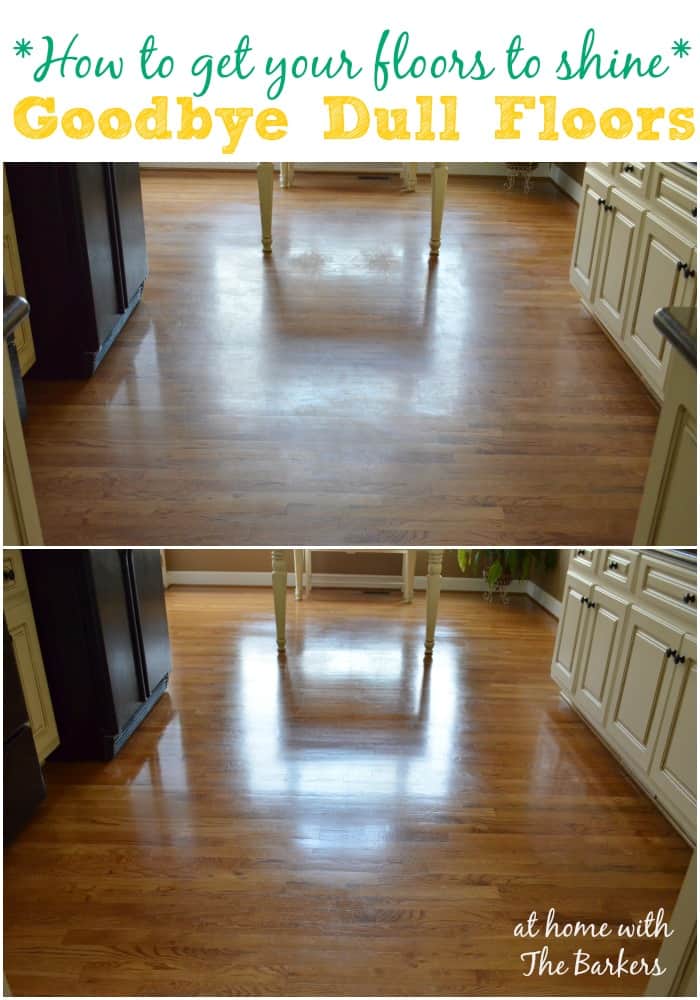
Dull spots can make hardwood floors look lifeless. Restoring their shine is simple:
- Start with a thorough cleaning. Use a hardwood floor cleaner.
- Mix equal parts vinegar and water in a spray bottle.
- Lightly mist the dull areas with the mixture. Avoid soaking the wood.
- Use a soft cloth to buff the area. This helps restore shine.
- For extra shine, consider applying a wood polish. Follow the manufacturer’s instructions.
Regular maintenance keeps your hardwood floors looking great. Quick fixes can save time and effort.
Frequently Asked Questions
How Do I Prepare Hardwood Floors For Finishing?
To prepare hardwood floors for finishing, start by cleaning the surface thoroughly. Remove dust, dirt, and debris using a vacuum. Next, sand the floor to create a smooth surface, ensuring even application of the finish. Finally, wipe the floor with a damp cloth to eliminate any remaining dust.
What Are The Best Finishes For Hardwood Floors?
The best finishes for hardwood floors include polyurethane, oil-based finishes, and water-based finishes. Polyurethane provides durability and a high gloss. Oil-based finishes offer a warm appearance but take longer to dry. Water-based finishes are low in odor and quick to dry, making them a popular choice.
How Often Should Hardwood Floors Be Refinished?
Hardwood floors should typically be refinished every 5 to 10 years. This timeframe depends on the amount of foot traffic and wear. If you notice deep scratches or dullness, it may be time for refinishing. Regular maintenance can extend the life of your hardwood floors significantly.
Can I Refinish Hardwood Floors Myself?
Yes, you can refinish hardwood floors yourself with the right tools. Renting a floor sander is essential for effective sanding. Make sure to use quality finishes for the best results. However, if you’re unsure or inexperienced, hiring a professional may save you time and effort.
Conclusion
Maintaining hardwood floors enhances their beauty and longevity. Regular cleaning, proper care, and occasional refinishing keep them looking new. Invest time in your floors to enjoy their elegance for years. Follow these tips for stunning results. Your hardwood floors deserve the best treatment to shine in your home.