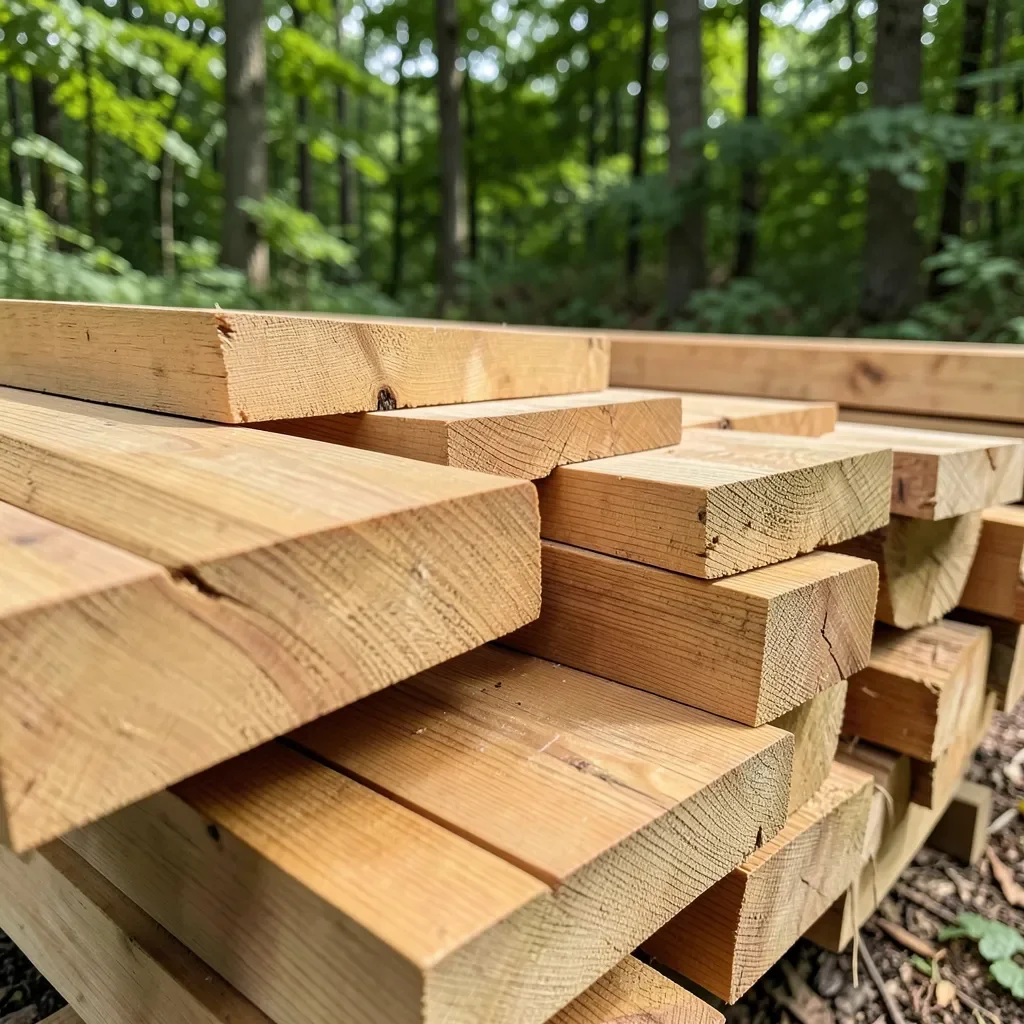
Is Cedar Wood Eco-Friendly? Yes, and Here’s the Real Data
Yes, cedar wood is genuinely eco-friendly — not just marketing language. It’s a renewable, biodegradable resource, most Western Red Cedar comes from forests where more trees are planted than harvested, and its natural oils reduce the need for chemical preservatives that other lumber species require. Here’s the real data behind those claims, not just the feel-good version.
Quick Answer: Cedar qualifies as an eco-friendly building material on three concrete measures — it’s renewable (forests replant faster than harvest rates in certified regions), biodegradable (no synthetic resins or plastics to leave behind), and lower-maintenance (natural decay/insect resistance means fewer chemical treatments over its life). It is not, however, automatically “carbon negative” or immune to unsustainable logging — that depends on where it’s sourced.
What Actually Makes Cedar a Sustainable Wood
Natural, Low-Impact Cedar Care Products
Hope’s 100% Pure Tung Oil, 32 Fl Oz
100% pure tung oil with no synthetic solvents or petroleum distillates — a food-safe, biodegradable alternative to polyurethane for finishing cedar.
Check Price on AmazonHoward Feed-N-Wax Wood Polish, 16 oz
Beeswax, carnauba wax, and real orange oil — a natural conditioner with no silicone or petroleum solvents.
Check Price on Amazon →Household Essentials Cedar Blocks, 4-Pack
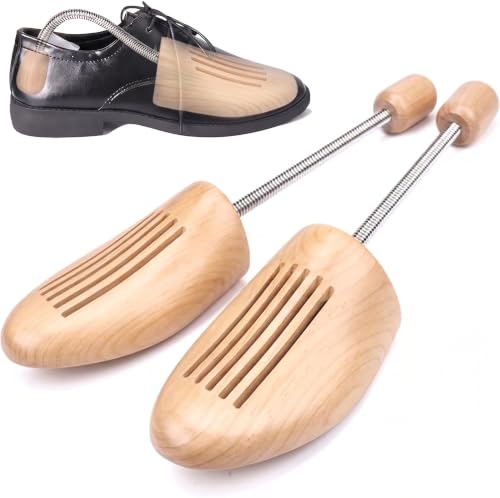
100% solid natural cedar with zero chemical treatment — a real example of buying cedar in its untreated, fully biodegradable form.
Check Price on Amazon →“Sustainable” gets thrown around loosely in wood marketing, so it’s worth being specific. Wood is the only major building material that regrows on its own, unlike steel or concrete, and reputable cedar suppliers report replanting at roughly a 3-to-1 ratio against what’s harvested. Independent lifecycle analysis (an FPInnovations–Forintek study comparing Western Red Cedar against competing building materials) found cedar came out ahead across the board on embodied energy and environmental impact, and North American timberland overall has grown by an estimated 20% since 1970 due to replanting practices in managed forests (Source: Real Cedar / Western Red Cedar Lumber Association).
That’s a real, checkable claim — not the same as saying every board of cedar at every lumberyard is sustainably sourced. Which is exactly what certification exists to verify.
What FSC Certification Actually Means When You Buy Cedar
The Forest Stewardship Council (FSC) is the independent, non-profit body most builders and buyers point to when they say “sustainably sourced.” FSC certification means the wood can be traced back to a forest that’s managed under third-party-audited standards: harvest rates that don’t outpace regrowth, protection of high-value conservation areas, and fair treatment of forestry workers and local communities (Source: FSC.org). More than 85% of the timberland in British Columbia — where most commercial Western Red Cedar originates — is certified by an internationally recognized independent forestry standard.
- Look for an FSC or SFI (Sustainable Forestry Initiative) chain-of-custody label on the invoice or tag, not just a supplier’s “eco-friendly” claim on their website.
- Certification is voluntary and paid for by the supplier, so its absence doesn’t automatically mean irresponsible sourcing — but its presence is independently verified, which a marketing claim alone is not.
- Reclaimed or salvaged cedar (from old fencing, barns, or shake removal) is arguably the most eco-friendly option of all, since no new tree is cut.
Why Cedar Needs Fewer Chemical Treatments Than Other Lumber
This is where cedar’s environmental case gets concrete rather than just about forestry. Cedar heartwood contains natural oils and compounds — thujaplicins in Western Red Cedar, cedrol in Eastern Red Cedar — that repel insects and resist fungal decay on their own. U.S. Forest Service Forest Products Laboratory testing classifies cedar heartwood as one of the most naturally decay-resistant softwoods in above-ground use, with an estimated service life over 20 years untreated (Source: USDA Forest Products Laboratory).
That matters environmentally because most non-durable lumber (pine, spruce, fir) is pressure-treated with chemical preservatives, typically copper-based compounds like ACQ (alkaline copper quaternary), to get comparable rot resistance. Those preservatives work, but they also mean treated lumber can’t simply be composted, burned, or left to biodegrade at end of life without special disposal precautions. Cedar’s natural resistance means it can often skip that chemical step entirely for many outdoor uses. It’s not unlimited protection, though — ground contact, standing water, and constant humidity will still rot cedar over time, which is a separate question from the eco-friendliness angle here.
Cedar’s Carbon Footprint: What the Research Actually Shows
Every growing tree pulls carbon out of the atmosphere and locks it into wood fiber; when that wood is used in a long-lived product like siding, decking, or furniture, the carbon stays sequestered for the product’s lifespan instead of being released. A 2023 study in the Soil Science Society of America Journal measured aboveground carbon accumulation under Eastern Red Cedar at roughly 2.05 megagrams of carbon per hectare per year (Source: Sauer et al., 2023, Soil Science Society of America Journal). Separately, wood products in general require substantially less energy to manufacture than steel or concrete of equivalent structural use, since milling lumber is far less energy-intensive than smelting or calcining.
None of that makes cedar “carbon negative” once you count harvesting, transport, and milling emissions — no wood product is a net carbon sink after full lifecycle accounting. But compared to concrete, vinyl, or steel alternatives for the same job (decking, siding, fencing), cedar’s lower embodied energy and renewability give it a real, measurable environmental edge, not just a rhetorical one.
Cedar vs. Chemically-Treated Lumber: The Honest Environmental Comparison
| Factor | Natural Cedar | Pressure-Treated Pine/Fir |
|---|---|---|
| Decay resistance source | Natural oils (thujaplicins/cedrol) | Chemical preservative (typically ACQ/copper) |
| End-of-life disposal | Biodegrades, can be composted/burned untreated | Cannot be burned or composted; requires landfill |
| Renewability | Renewable, FSC-traceable in certified stock | Renewable species, but chemically altered post-harvest |
| Typical above-ground lifespan untreated | 20+ years (heartwood) | N/A — sold pre-treated |
Sources: USDA Forest Products Laboratory decay-resistance data; EPA guidance on treated-wood disposal. This is a genuine trade-off, not a one-sided win: treated lumber is usually cheaper up front and works in ground contact where cedar shouldn’t be used untreated. Cedar’s advantage is specifically for above-ground, well-ventilated applications where its natural chemistry can do the job a chemical treatment would otherwise need to do.
Is Cedar Wood Biodegradable?
Yes. Untreated cedar is 100% biodegradable — left exposed to soil and moisture, it will eventually break down like any organic material, without leaving behind synthetic residue, microplastics, or chemical leachate. That’s a genuine point of difference from composite decking or vinyl fencing, which are durable precisely because they don’t break down. The trade-off is that cedar’s biodegradability is also why it eventually needs replacement or refinishing in ground contact or high-moisture settings — the same property that makes it eco-friendly at end of life limits its lifespan versus synthetic alternatives.
Choosing Genuinely Eco-Friendly Cedar Care Products
Cedar’s eco-friendly case weakens fast if you finish it with a synthetic, VOC-heavy sealant. If the goal is to keep the whole lifecycle low-impact, natural oil and wax finishes preserve cedar’s biodegradability and avoid the petroleum solvents found in many polyurethanes.
Where Cedar’s Natural Benefits Don’t Apply
Cedar’s natural resistance isn’t magic, and it’s worth being honest about the limits. Cedar can still develop mold or mildew in poorly ventilated, consistently humid conditions — its oils resist decay fungi, not surface mold growth, which is a distinct issue covered in detail in our guide to cedar and mold resistance. And because it’s a premium, naturally durable species, cedar typically costs more up front than treated pine; the full price breakdown by board foot and project type is in our cedar wood cost guide. Its natural pest resistance is also strong but not absolute — see our dedicated breakdown of which insects cedar actually repels for the specif, and how those trade-offs stack up against the cost, in our full cedar benefits and value guide.
Frequently Asked Questions
Is cedar wood actually eco-friendly?
Yes, on three measurable points: it’s a renewable resource (certified forests replant faster than harvest rate), it’s fully biodegradable with no synthetic residue, and its natural decay/insect resistance reduces the need for chemical wood preservatives compared to treated lumber alternatives.
What does FSC-certified cedar mean?
FSC (Forest Stewardship Council) certification means the wood is independently audited and traceable back to a forest managed to specific harvest-rate, conservation, and labor standards. It’s a third-party verification, not just a supplier’s own sustainability claim.
Does cedar wood need chemical treatment?
Not usually for above-ground use. Cedar heartwood’s natural oils give it an estimated 20+ year service life untreated in above-ground applications, per USDA Forest Products Laboratory testing. It still needs treatment or extra protection for ground contact or constant-moisture uses.
Is cedar wood biodegradable?
Yes, untreated cedar breaks down naturally like any organic material, with no synthetic residue or microplastics left behind, unlike composite or vinyl alternatives.
Does cedar have a smaller carbon footprint than concrete or steel?
For comparable structural uses like decking or siding, yes — wood requires substantially less energy to produce than steel or concrete, and growing cedar actively sequesters carbon. It isn’t “carbon negative” once harvesting and transport emissions are counted, but it has a real, lower-impact edge over mineral-based alternatives.
Conclusion
Cedar’s reputation as an eco-friendly wood holds up under scrutiny on the specifics that matter: it’s renewable and can be FSC-traced, it’s biodegradable at end of life, and its natural chemistry cuts down on chemical preservative use most other softwoods need. The honest caveat is that none of this makes cedar immune to poor sourcing, mold in the wrong conditions, or a premium price tag — verify FSC or SFI certification on the specific lumber you buy rather than taking “eco-friendly” as a given.
Sponsored / affiliate links. As an Amazon Associate I earn from qualifying purchases. I may earn additional commission from eligible campaigns.