How to Make MDF Harder: Expert Tips & Techniques
Are you tired of dealing with MDF that just doesn’t hold up? Maybe you’ve noticed it warping, sagging, or simply not performing as you’d hoped.
MDF, or medium-density fiberboard, is a popular choice for many projects because of its versatility and affordability. However, it can sometimes fall short in terms of durability. But what if you could make your MDF pieces stronger and more resilient?
Imagine the peace of mind you’ll have knowing your creations can withstand the test of time. In this guide, you’ll discover simple yet effective strategies to make your MDF harder and more reliable. By the end, you’ll be equipped with the knowledge to transform your MDF projects from fragile to formidable. Ready to unlock the secrets to sturdier MDF? Let’s dive in!
Understanding Mdf Material
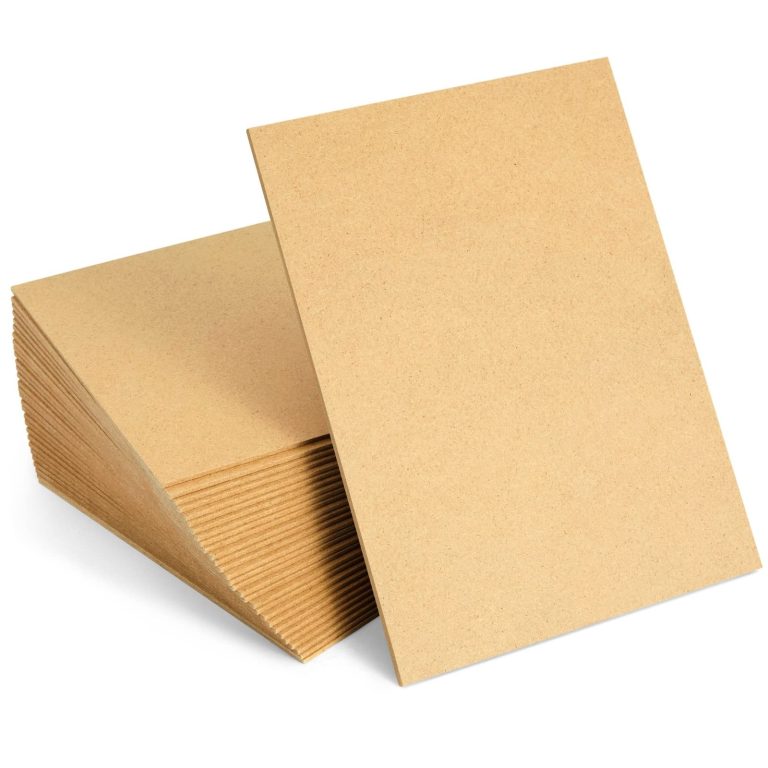
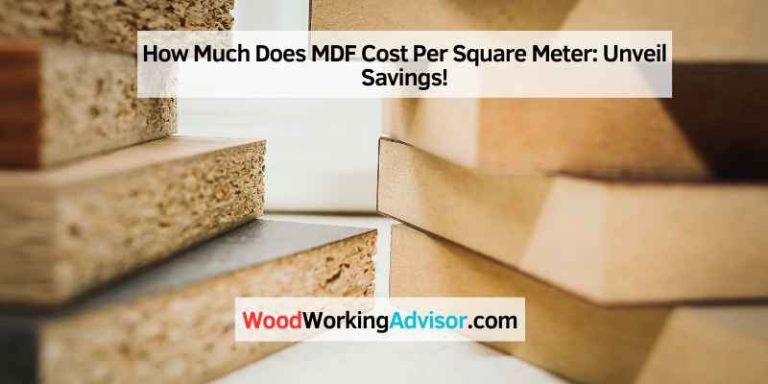
MDF, or Medium Density Fiberboard, is a type of engineered wood. It’s dense and smooth, made from wood fibers glued together. MDF is cheaper than real wood. It’s also more uniform, which makes it easier to work with. The surface is very smooth, perfect for painting or veneering. But, MDF can be heavy and less durable than real wood. It can swell when wet, so it needs sealing. It’s not as strong as plywood, but it’s versatile and easy to cut. MDF is often used in furniture and cabinets.
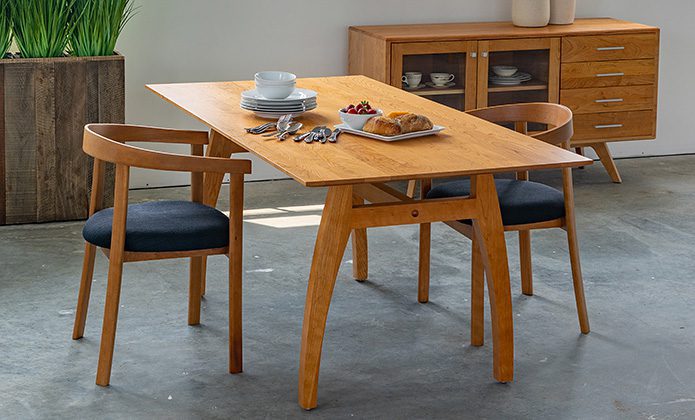
MDF is popular for making furniture and shelves. People use it for cabinet doors and moldings too. It’s easy to shape, which makes it good for decorative projects. You can find MDF in kitchen units and wardrobes. It’s also used in speaker boxes because it doesn’t vibrate much. This gives a clearer sound. Craftsmen like MDF because it’s smooth and easy to paint. It’s a top choice for DIY projects at home.
Reasons For Hardening MDF
MDF is often used for furniture and cabinets. It can be soft. Hardening MDF makes it last longer. It helps to handle weight better. Hard surfaces resist dents and scratches. This is helpful for busy areas. Improved strength means less wear. Strong MDF can hold heavy items safely. It keeps its shape over time.
Hard MDF is less likely to break. It does not chip easily. It can be used for shelves and tables. Strong surfaces need less repair. This saves time and money. Durable MDF looks new for longer. It stays smooth and clean. It is ideal for homes and offices. It gives a neat look.
- Kitchen counters need strong surfaces.
- Bathroom cabinets face water often.
- Office desks hold heavy computers.
- Bookshelves carry many books.
- Wardrobes store clothes and shoes.
Surface Hardening Techniques
MDF can be strengthened with sealants. They fill small gaps and make the surface smooth. Primers are also useful. They prepare the MDF for paint. This makes the MDF harder. Apply sealant evenly across the surface. Let it dry completely. Add a primer layer after the sealant dries. This helps in making the MDF stronger. Repeat if needed for extra strength.
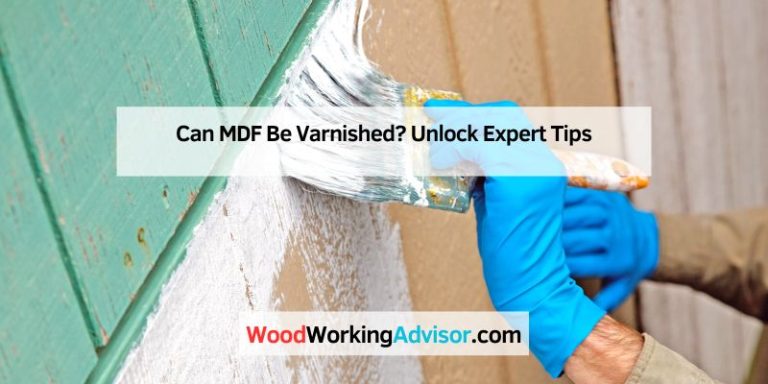
Varnish creates a hard coating on MDF. It protects the surface. Lacquer can also be used. It adds a shiny finish. Both varnish and lacquer make MDF tougher. Apply a thin layer with a brush. Allow each coat to dry. You can add more coats for extra hardness. These coatings guard against damage. They keep the MDF looking new.
Chemical Treatments
Resin can make MDF stronger and more durable. First, mix resin with water. This helps it spread evenly. Then, use a brush to apply the mix on MDF. Ensure all areas are covered. Let the MDF dry for a few hours. The resin will soak into the MDF. This process makes it harder.
Hardening solutions can make MDF tougher. Choose a good-quality solution. Apply it with a soft cloth. Rub the solution on the MDF surface. Cover every part well. Wait for it to dry completely. This makes the MDF more resistant. It helps protect against damage.
Mechanical Methods
Strengthening MDF involves using mechanical methods like sanding and sealing. Sanding smooths the surface, allowing sealants to adhere better. Applying a sealant or hardener enhances durability and resistance to wear. These techniques improve the MDF’s hardness for various applications.
Sanding And Compression
Sanding makes MDF smoother and removes rough spots. Use sandpaper for this. Compression helps MDF become denser. Pressing MDF tightly improves its strength. Machines can help compress MDF. Both methods make MDF harder.
Layering With Harder Materials
Adding a layer of harder material can strengthen MDF. Use plywood or veneer on top. These materials are stronger than MDF. Glue them well to the surface. This makes the MDF more durable. Layering changes how MDF feels and looks.

Credit: www.reddit.com
Environmental Considerations
Using chemicals can harm indoor air quality. Strong odors make breathing hard. Ventilation is very important. Always work in a well-ventilated space. Some chemicals release toxic fumes. These fumes can cause headaches or nausea. Choose low-VOC products. These are safer and less smelly.
Opt for natural oils or waxes. These are eco-friendly. They do not have harmful chemicals. Beeswax is a good choice. It adds a protective layer. Hardens the MDF too. Plant-based oils work well. They soak into the wood. These options are safe for the environment. Also, safe for your family.
Expert Tips For Best Results
MDF needs special care to get harder. Start with a good sealant. Sealants keep moisture away. Choose a primer that is high-quality. This will help in the painting process. Always use sanding sealer before painting. It makes the surface smooth. A good finish is also important. Look for a strong finish to coat the MDF. It protects from scratches and dents. Remember, products matter a lot.
Some people skip the primer. This is a mistake. Primer helps paint stick. Another mistake is using too much water. Water can damage MDF. Always use a damp cloth, not a wet one. Avoid placing MDF in humid places. Humidity weakens the material. Do not rush the drying process. Take your time for best results. These steps ensure your MDF stays strong.

Credit: www.amazon.com
Frequently Asked Questions
How Do You Strengthen MDF?
Apply wood sealant to reduce moisture absorption. Use screws instead of nails for better grip. Reinforce corners with brackets. Sand and prime surfaces before painting. Add a veneer for extra strength.
What Is The Best Wood Hardener For MDF?
Minwax High Performance Wood Hardener is ideal for MDF. It strengthens, seals, and protects against moisture and decay. Choose it for effective bonding and long-lasting durability. Ensure proper application for best results and enhanced MDF lifespan.
How To Make MDF Strong?
Seal MDF with a quality primer to increase strength. Apply a water-resistant sealant to prevent moisture damage. Use screws, not nails, for better hold. Reinforce edges with wood glue. Choose thicker MDF for sturdier construction.
What Kind Of Glue Is Used To Harden MDF?
PVA wood glue is commonly used to harden MDF. It provides strength and durability. Applying multiple coats enhances the effect. Ensure the glue is evenly spread for optimal results.
Conclusion
Making MDF harder is simple with the right methods. Sanding and sealing create a strong, durable surface. Applying multiple coats of sealant ensures long-lasting strength. Choose quality products to enhance MDF’s durability. Always follow safety guidelines during the process. With these steps, MDF becomes tougher and more reliable.
Perfect for various projects. Remember, practice makes perfect. Try these techniques and see the results. Achieve a sturdy finish for your MDF creations. Embrace these tips for better outcomes. Your MDF projects will thank you. Happy crafting!