Can MDF Be Used for Cabinet Doors? Pros, Cons & the Hybrid Fix
MDF works well for cabinet doors in dry rooms — kitchens away from the sink splash zone, and living-room built-ins — because it won’t warp, crack, or telegraph its grain through paint the way solid wood can. Where it falls short is water: MDF’s compressed wood fibers swell permanently if they stay wet, so it’s a poor choice right next to a dishwasher, under a leaky sink, or in a humid bathroom.
The fix most cabinet shops actually use, and that most articles leave out, is a hybrid build: solid-wood face frames and stiles for strength and moisture resistance, MDF panels for the flat door center where the paint finish matters most.
What Is MDF?
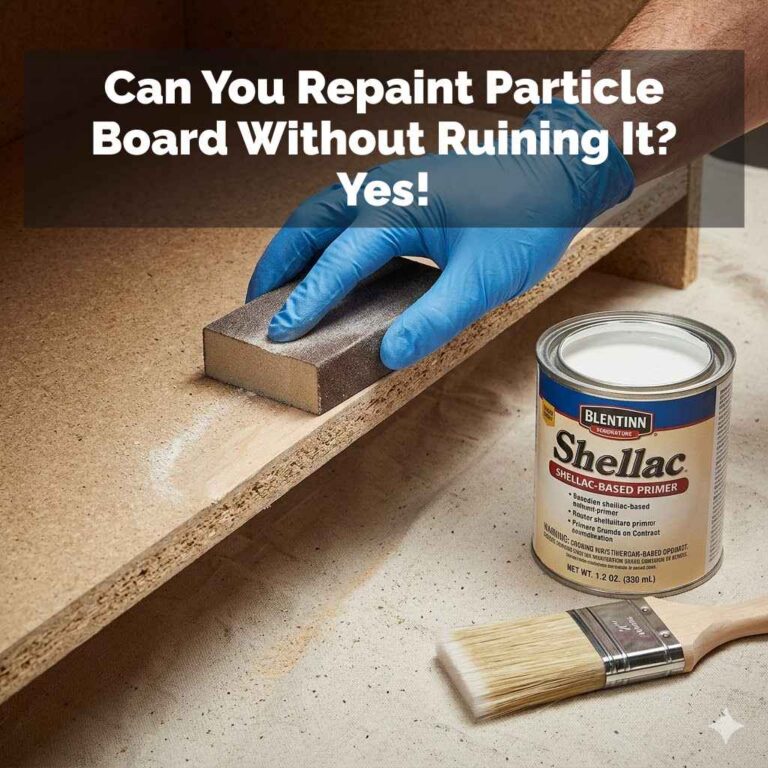
Seals MDF Edges Before Paint
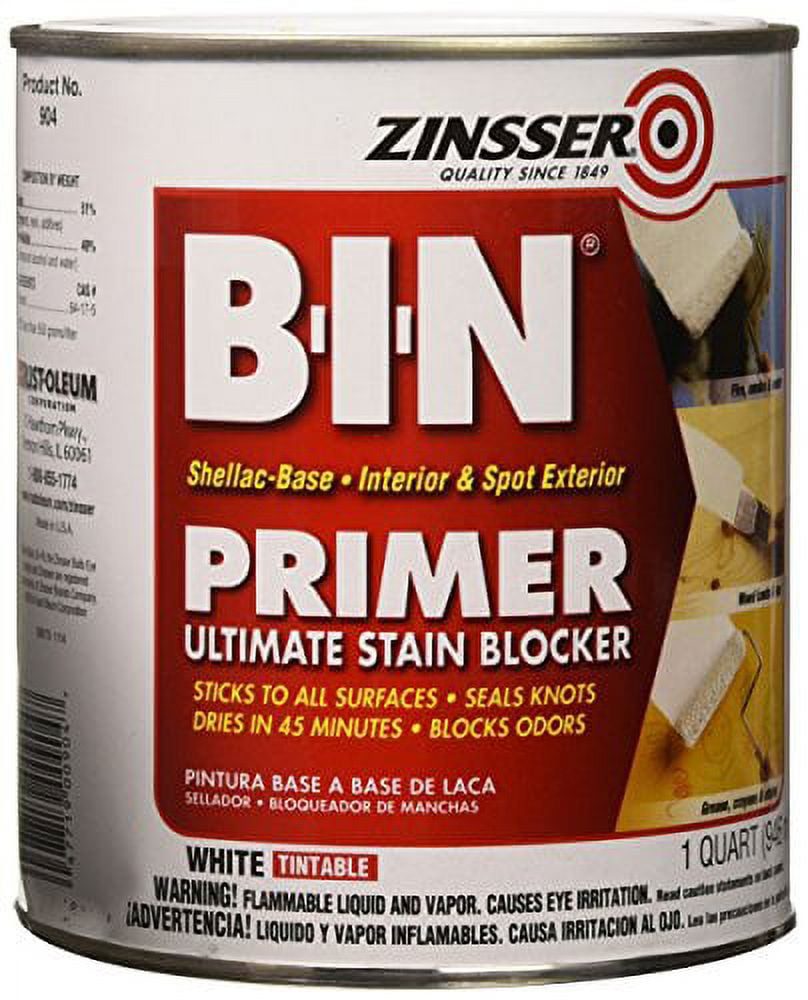 |
Zinsser B-I-N Shellac Primer-Sealer – $24 Seals raw MDF edges and routed profiles before priming and painting cabinet doors.
|
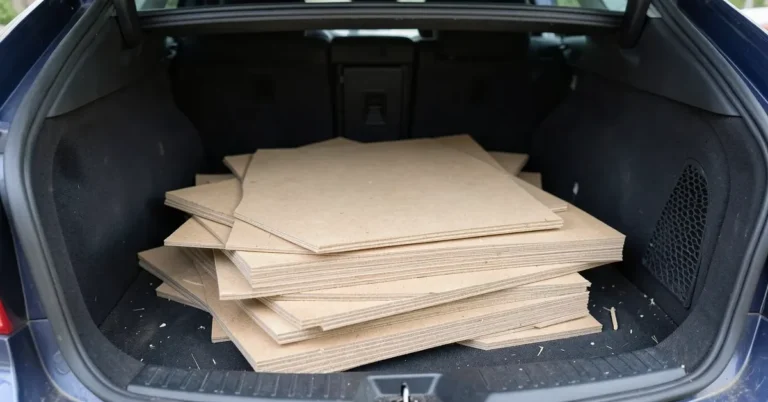
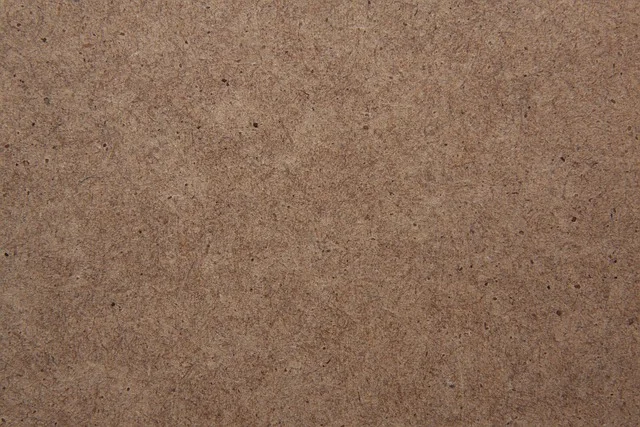
MDF is short for Medium-Density Fiberboard, and the name describes the process: sawmill waste and small-diameter wood are chipped, then refined into individual wood fibers rather than the larger chips used in particleboard. Those fibers are blended with a urea-formaldehyde resin (roughly 8-10% of the panel’s weight) and wax, then pressed under heat — typically 350–400°F at several hundred psi — into a solid panel with a density around 45 to 55 lb/ft³, denser than most softwood. Because the fibers are randomly oriented instead of running in a grain direction, MDF has no knots, no grain to telegraph through paint, and no weak spot that splits out when you rout a profile into an edge. The tradeoff for that uniformity is the resin content: MDF has zero natural resistance to water, and unlike solid wood, a swollen MDF edge does not shrink back down once it dries — the damage is permanent.
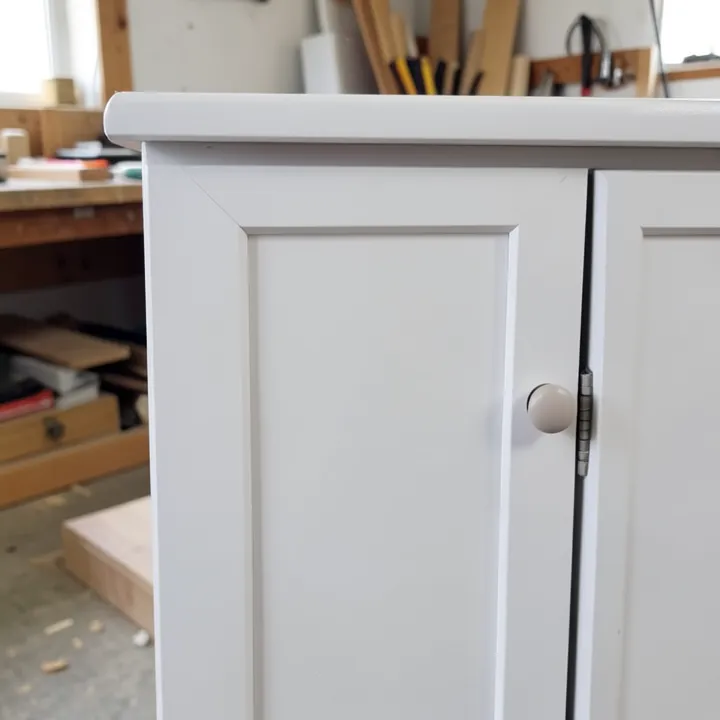
MDF VS. Solid Wood
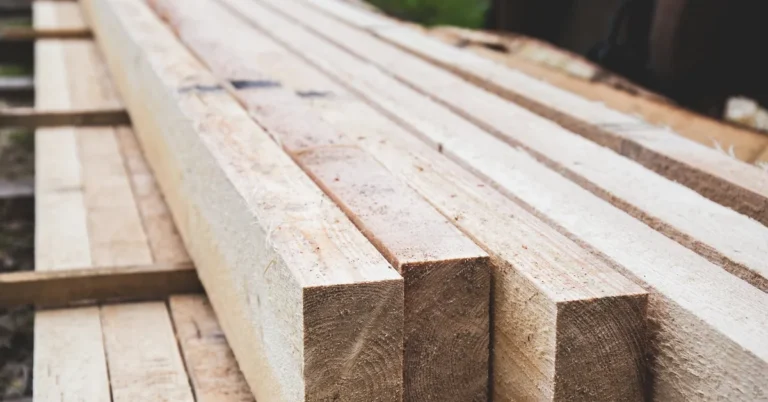
Price is usually the first difference cabinet shops notice: a 3/4″ sheet of cabinet-grade MDF runs about $35–50 for a 4×8 sheet, while comparable hardwood — poplar or maple milled to the same thickness — runs $6–10 per board foot, which puts an equivalent amount of material closer to $150–250. Solid wood also moves with the seasons; a stile that’s 3″ wide in July can measure a hair narrower in January as humidity drops, which is why traditional face-frame construction leaves expansion gaps at glue joints. MDF barely moves with humidity changes at all — its random fiber structure means it doesn’t expand or contract across the grain the way solid lumber does — which is exactly why it stays flat as a large, single-panel door front for decades in a stable, dry room. What MDF can’t do is compete on water tolerance or repairability: a solid-wood door with a ding can be sanded and re-stained, while a gouged MDF panel exposes fibrous, unpaintable core material that has to be filled before it can be finished again.
Benefits Of Using MDF For Cabinet Doors
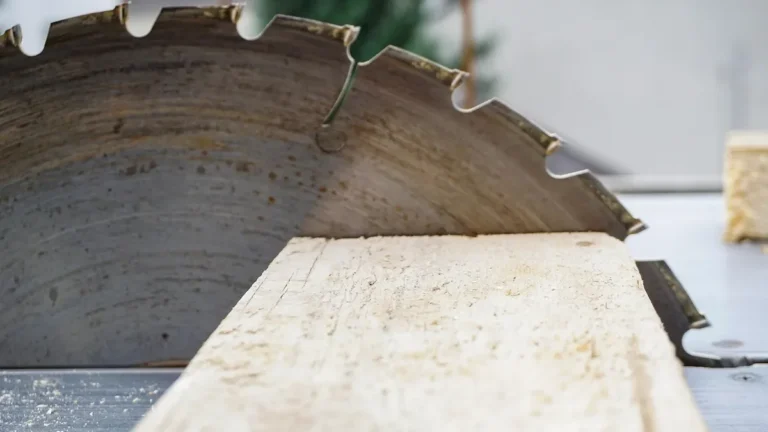
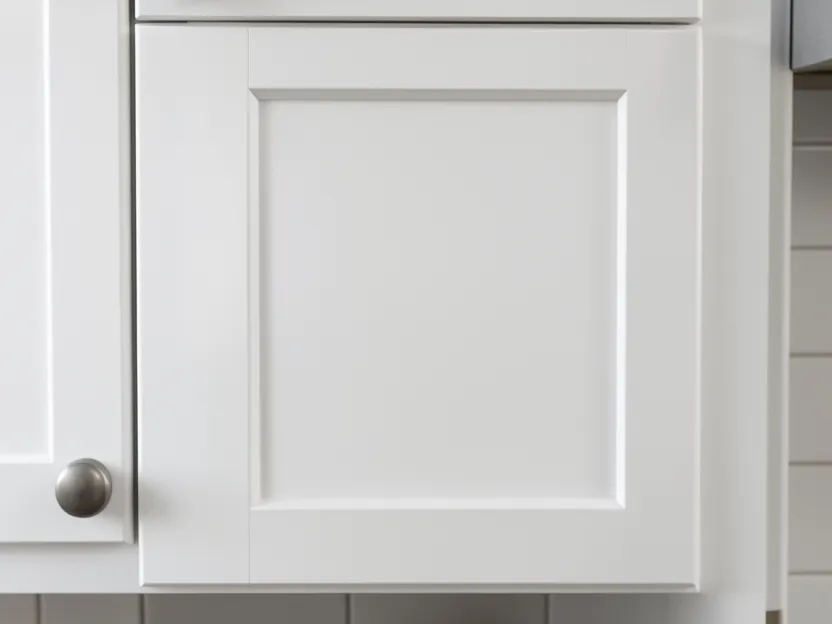
The cost advantage compounds fast on a full kitchen: a 10-door run in MDF can cost a third to a half of what the same doors would run in solid maple or cherry, mainly because there’s no board-footage waste from cutting around knots and no premium for wide, clear stock. The bigger reason cabinet shops reach for it, though, is the paint finish. Because MDF has no open grain to fill, a sprayed enamel finish on an MDF door looks like a factory-lacquered surface straight off primer — no grain-filling step, no telegraphing lines showing through under raking light six months later, which is the single most common complaint with painted solid-wood or plywood doors. That same density lets a CNC router cut a clean shaker or raised-panel profile with almost no tear-out, so a five-piece MDF door can be produced with consistent edges across an entire kitchen’s worth of doors, something that’s harder to guarantee with the natural density variation in solid lumber.
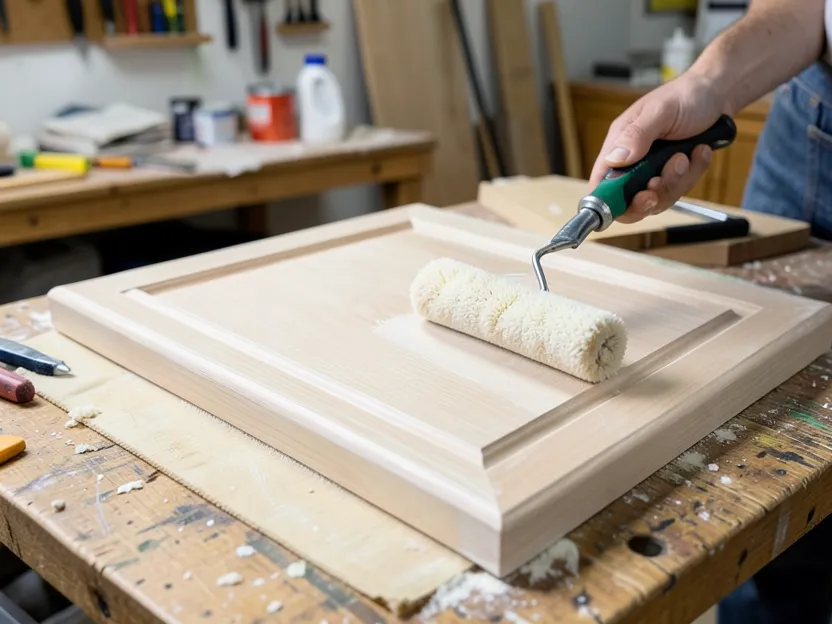
Drawbacks Of MDF Cabinet Doors
Moisture is the drawback that ends most MDF cabinet doors early. The compressed fibers act like a sponge at any cut or routed edge, and once water gets in and the fibers swell, they don’t return to their original shape when they dry — you’re left with a permanently bulged, crumbly edge that no amount of clamping fixes. That’s why MDF cabinet doors need every raw edge, especially routed profiles, sealed with a shellac- or oil-based primer before paint goes on — latex primer alone doesn’t penetrate the fibers deeply enough to block moisture. MDF is also noticeably softer than plywood or solid wood at the surface, so a dropped pan or a dragged utensil leaves a visible dent rather than just a scuff, and touch-up requires wood filler and a re-spray rather than a quick sand-and-buff. Weight is the third issue: a 3/4″ MDF door can run 15–20% heavier than the same size in plywood, which means standard cabinet hinges rated for lighter doors can sag over a few years — heavy MDF doors need hinges rated for their actual weight, not whatever came with the cabinet box.
Ideal Scenarios For MDF Use
MDF earns its keep in rooms that stay dry and climate-controlled: painted kitchen cabinets away from the sink and dishwasher, bedroom and closet built-ins, home-office cabinetry, and living-room entertainment centers are all good fits because none of them see standing water or high humidity. It’s also the right call whenever the budget has to stretch across a large project — a full-kitchen or whole-house cabinet run in MDF can save thousands over solid wood without looking cheap once it’s painted, since the finish hides the material difference completely. The other place MDF shines is custom profile work: because it routs cleanly without tear-out, it’s the material most shops default to for raised-panel, shaker, or beadboard-style door faces that need a crisp, repeatable edge across dozens of identical doors.
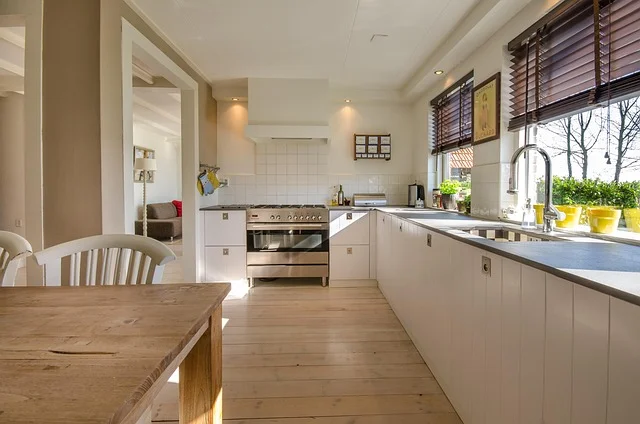
Alternatives To MDF
Plywood is the most common upgrade when a client wants painted doors but more moisture tolerance than MDF offers — its cross-laminated veneer layers resist swelling far better, and a void-free, cabinet-grade sheet (look for Baltic birch or an appearance-grade maple face) can be painted or stained with results close to MDF’s smoothness, though the edges still need banding or filling to hide the ply lines. Solid wood remains the choice when the goal is a natural, stained finish rather than paint — species like maple, cherry, or white oak show real grain and age with the room, and while a solid door costs two to four times what an equivalent MDF door does, it can also be refinished repeatedly over decades instead of being replaced. Thermofoil and laminate doors sit at the budget end: a vinyl or foil skin is heat-pressed over an MDF or particleboard core, which keeps the low cost and smooth look but trades long-term durability for it, since the foil can bubble or peel at heat sources like a range or dishwasher vent within 5–10 years.
Maintenance Tips For MDF Doors
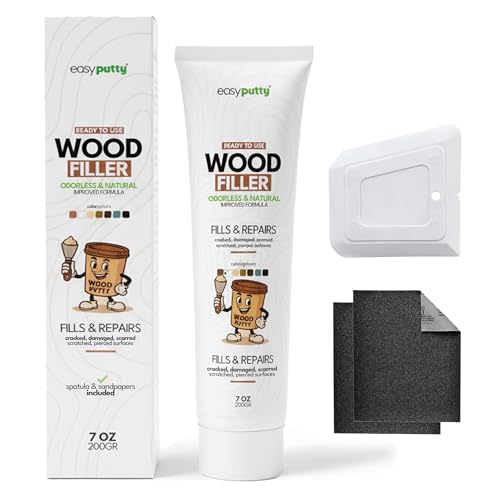
Day-to-day care for MDF doors is simple as long as you keep water off them: wipe with a barely-damp microfiber cloth and a mild dish-soap solution, then dry the surface immediately rather than letting it air-dry, and skip ammonia-based or abrasive cleaners, which can dull a painted sheen over time. Because moisture is the material’s real enemy, it’s worth doing a quick seasonal check around any door near a sink or dishwasher for a soft or slightly raised edge — catching a small leak before it saturates the panel is the difference between a $10 caulk fix and a full door replacement. Small dings and scratches are fixable: sand the damaged spot lightly to knock down any raised fibers, fill it with a two-part wood filler (not a lightweight spackle, which won’t hold paint well), let it cure fully, then sand flush and spot-prime before repainting so the repair doesn’t flash under different sheens.
The Hybrid Approach Pro Shops Actually Use
Most of the “MDF vs. solid wood” framing skips the option cabinet shops reach for most: build the structural frame — face frames, stiles, rails — from solid wood or plywood, and use MDF only for the flat door panel where a painted finish needs to look flawless. This gets the moisture resistance and strength where the door actually needs it, at the corners and joints, while keeping MDF’s dead-flat, grain-free surface where it matters most: the painted face.
Conclusion
For a painted kitchen, office, or closet build in a dry room, MDF is a genuinely good material choice, not just a cheap one — it delivers a smoother factory-style finish than solid wood at a fraction of the cost, as long as every cut and routed edge gets properly sealed before paint. Where a project sits near a sink, dishwasher, exterior door, or anywhere splashes are routine, that’s the signal to switch to plywood or solid wood instead, or to use the hybrid build above so the vulnerable joints are solid material and only the flat face is MDF. Weigh the room’s moisture exposure against your finish goals and budget before deciding, and the material choice mostly makes itself.
Frequently Asked Questions
Is MDF Strong Enough For Cabinet Doors?
Yes, in a dry room. MDF’s density gives it enough rigidity to hold its shape as a full door panel without warping, and it won’t crack or check the way solid wood sometimes does with seasonal humidity swings. The catch is that “strong” here means dimensionally stable, not water-resistant — every raw and routed edge needs to be sealed with a shellac- or oil-based primer before painting, or moisture will eventually swell and weaken the panel from the edges in.
Will MDF Cabinet Doors Last?
In a kitchen or bath away from direct water exposure, well-sealed MDF doors routinely last 15-20 years with normal use, which is comparable to a mid-grade solid-wood door. The lifespan depends almost entirely on moisture control: a door near a leaky faucet or an unvented dishwasher can swell and need replacement in a few years, while the same door in a dry living-room built-in can outlast the cabinet box itself. Periodic touch-up of any chipped paint at the edges goes a long way toward hitting the higher end of that range.
Can You Make A Cabinet Door Out Of MDF?
Yes — MDF is one of the most common materials cabinet shops use specifically for painted doors, whether flat-panel slab doors or five-piece shaker and raised-panel styles cut on a CNC router. It machines cleanly, holds crisp profile edges without tear-out, and takes a sprayed finish better than most solid woods. Success comes down to prep: seal every cut edge before priming, use a paint-grade primer built for MDF (not a generic wall primer), and choose a quality furniture-grade MDF sheet rather than the cheapest construction-grade option, since density and resin content vary more than most buyers expect.
What Is The Disadvantage Of Using MDF For Cabinets?
The biggest disadvantage is MDF cabinets’ vulnerability to water: once an edge swells, the damage is permanent and the section usually has to be replaced rather than repaired. It’s also heavier than plywood of the same thickness, which can overload standard hinges over time, and it holds screws less securely than solid wood, so cabinet hardware needs to be mounted with the right fastener type and, ideally, into a solid-wood reinforcement strip rather than straight into the MDF edge. Some lower-grade MDF also uses a urea-formaldehyde resin that off-gasses small amounts of formaldehyde; choosing a CARB2-compliant or “NAF” (no added formaldehyde) sheet avoids that concern entirely.
Sponsored / affiliate links. As an Amazon Associate I earn from qualifying purchases. I may earn additional commission from eligible campaigns.