How to Make Tacky Paint Dry When Painting Rubber: Expert Tips
You’ve just finished painting rubber and are eager to see your work come to life, but the paint remains stubbornly tacky. It’s frustrating, isn’t it?
You’re not alone in this sticky situation, and the good news is there’s a solution. Imagine confidently showcasing your vibrant, flawlessly painted rubber items without the worry of smudges or fingerprints. By understanding a few simple tricks, you can speed up the drying process and finally achieve that smooth, professional finish you’ve been dreaming of.
Stay with us, and you’ll discover practical tips that not only solve this common problem but transform your painting experience. Let’s dive into the secrets of making tacky paint dry quickly and effectively on rubber surfaces.
Choosing The Right Paint
Not all paints work well on rubber. Choose paint that is flexible. Acrylic paint is a good choice. It sticks well and dries fast. Spray paint can also work. Pick one that says it’s for plastic or rubber.
Factors to Consider: Think about the rubber’s use. Will it bend or stretch? If yes, pick a paint that stays on when rubber moves. Also, check if the paint is waterproof. This is important if the rubber will get wet. Read labels on the paint cans. This helps you make the right choice.
Preparing The Rubber Surface
Start by removing any dirtand dustfrom the rubber. Use a damp cloth or sponge. Gently wipe the surface. Don’t use harsh cleaners. They can damage the rubber. Make sure the rubber is completely drybefore painting. You can use a hairdryer to speed up drying. Dry rubber helps paint stick better.
Apply a rubber primerbefore painting. Primer makes paint stick well. Use a brush for even coating. Let the primer dry completely. Check the instructions on the primer. Some primers dry faster than others. A good primer helps prevent tacky paint. It provides a smooth base for painting. Your paint job will look better.
Application Methods
Using a brushgives control. It coats rubber smoothly. Brushes can reach small spots. Paint layers stay even. Spraycovers large areas fast. It spreads paint quickly. Spray works well for big pieces. It may need practice. Choose based on your project size.
Thin layers dry faster. Apply one layer at a time. Wait until each layer dries. Thick layers take longer to dry. Thin layers prevent paint from staying tacky. Use multiple thin layers for the best result. Keep layers smooth. Smooth layers look better.
Credit: www.toolches.com
Drying Techniques
Heat can help dry tacky painton rubber. A hairdryer works well. Keep it on a low setting. Hold it a few inches away. This helps the paint dry faster. Be careful. Do not hold it too close. Too much heat can damage the rubber. A small fan heater can also help. Place it at a safe distance. Let it blow warm air over the paint. This method speeds up drying time.
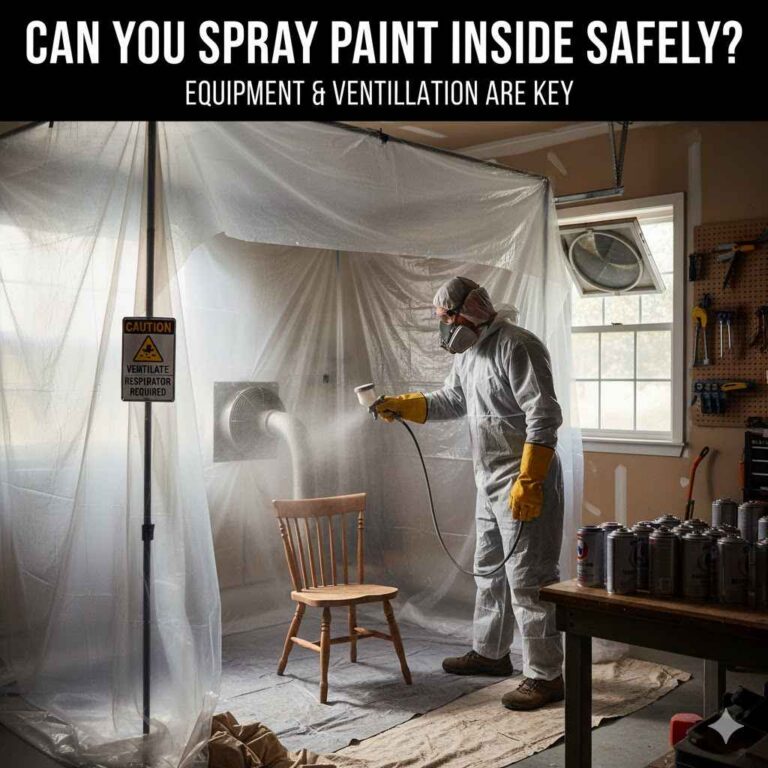
Good airflow helps paint dry faster. Open windows in the room. Use a fan to move air around. Place the fan near the painted item. This helps fresh air reach the paint. It will dry quicker this way. Avoid painting in closed spaces. The air must circulate well. This prevents the paint from staying wet too long. Always ensure safe and proper ventilation.
Common Challenges
Tacky paint can be a frustrating problem. Paint stays sticky for hours. It’s best to apply thin layers of paint. Thick layers take longer to dry. Always give enough time for each layer to dry. A cool and dry place is ideal for drying. Avoid humid areas. Humidity keeps paint tacky. Using a fan helps air circulation. This can speed up drying.
Cracks in paint can ruin your work. Paint can crack if it dries too fast. Keep the painted rubber out of direct sunlight. Sunlight causes paint to dry too quickly. Use a primer before painting. Primer helps paint stick better. Avoid adding too much paint at once. Multiple thin coats work best.
Expert Tips
Rubber needs the right environmentfor paint to dry well. Choose a spot with good air flow. Fresh air helps paint dry faster. Avoid places with high humidity. Damp air keeps paint sticky. Warm places are best. Cold spots slow the drying time. Keep rubber away from direct sunlight. Sun can cause paint to crack.
Timing is key for drying paint on rubber. Paint early in the day. Morning air is often less humid. Give the paint enough time to dry. Wait at least 24 hoursbefore touching. Check if the paint feels dry. If it’s still tacky, wait longer. Patience leads to better results.
Maintenance And Care
Rubber needs special care to stay in good shape. Proper cleaning is important. Remove dust and dirt gently. Use mild soap and water. Avoid harsh chemicals that damage rubber. Store rubber items in cool, dry places. Keep them away from sunlight. Sunlight makes rubber crack. Avoid bending rubber too much. Bending weakens it over time. Inspect rubber regularly. Look for cracks or damage. Fix problems early to prevent bigger issues.
Touching up paint on rubber is simple. First, clean the surface well. Use a damp cloth. Let it dry completely. Apply fresh paint in thin layers. Thick layers take longer to dry. Use a small brush for precision. Let each layer dry before adding another. If paint gets tacky, wait longer between coats. Patience is key for good results. Store paint properly after use. Seal the container tight. This keeps paint fresh for next time.
Credit: www.walmart.com
Frequently Asked Questions
Will Tacky Paint Eventually Dry?
Tacky paint may eventually dry, but it can take a long time. Factors like humidity, temperature, and paint type affect drying time. Ensure proper ventilation and use a fan or dehumidifier to speed up the process. Applying a thinner coat can also help the paint dry faster.
How To Fix Sticky Spray Paint On Rubber?
To fix sticky spray paint on rubber, use a mild solvent like isopropyl alcohol. Gently wipe the surface. Let it dry completely in a well-ventilated area. Consider applying a clear sealant to prevent future stickiness. Always test a small area first to ensure no damage to the rubber.
How To Get Paint To Adhere To Rubber?
Clean rubber surface thoroughly. Use a primer designed for rubber. Apply acrylic or exterior paint evenly. Let it dry completely. Ensure proper ventilation during application.
How Do You Harden Tacky Paint?
To harden tacky paint, increase airflow using fans or open windows. Apply a thin layer of talcum powder to the surface. Let the paint cure longer, and avoid adding additional coats prematurely. Ensure the room temperature is optimal for drying.
Use a paint hardener if necessary.
Conclusion
Drying tacky paint on rubber needs patience and the right approach. Ensure good ventilation to speed up drying. Use a fan or a hairdryer on low heat. Consider using a paint conditioner for smoother application. Choosing the right paint is crucial.
Always opt for a paint that works on rubber surfaces. Avoid thick layers; thin coats dry faster and evenly. These simple steps make your painting project successful. Remember, preparation and patience lead to the best results. Now, you can enjoy your beautifully painted rubber items.
Happy painting!