How Do You Clean Kitchen Cabinets before Painting: Expert Tips
Kitchen cabinets need a real degreaser – TSP (trisodium phosphate) or a TSP-substitute – not just mild soap or vinegar, because baked-on cooking grease near the stove is exactly what paint won’t stick to. This is the specific reason kitchen cabinet paint jobs fail at a higher rate than other painted furniture: soap and water clean surface dirt fine, but they don’t reliably cut grease that’s been heat-baked onto the surface over months or years of cooking.
Why Grease Is The Real Problem, Not Just Dirt
Best Degreaser For Cabinet Paint Prep
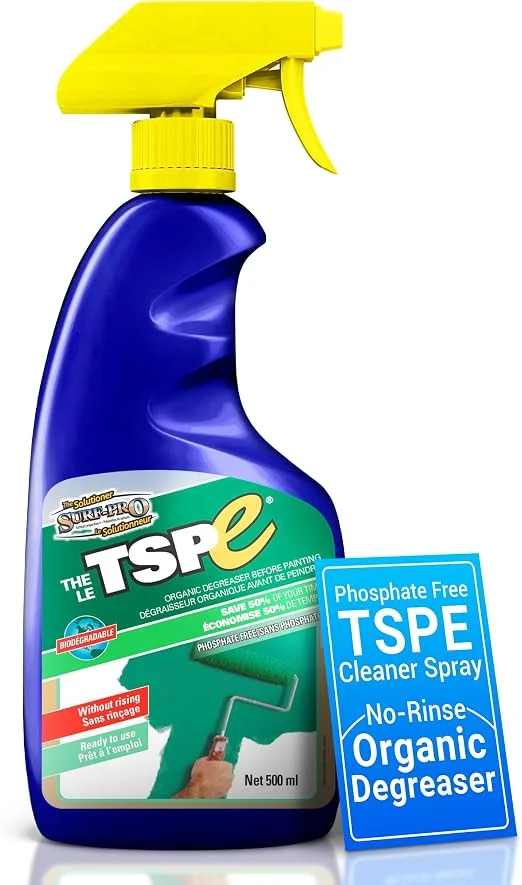 |
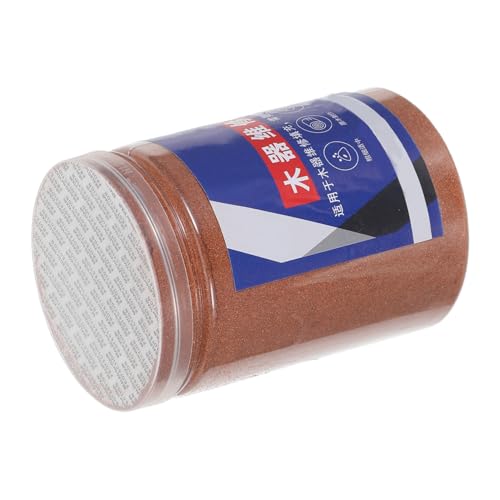
No-Rinse TSP Alternative Degreaser Spray, 500ml – $27.99 Marketed specifically for kitchen cabinet paint prep – cuts grease that soap and vinegar leave behind, and no-rinse means no risk of over-wetting the wood.
|
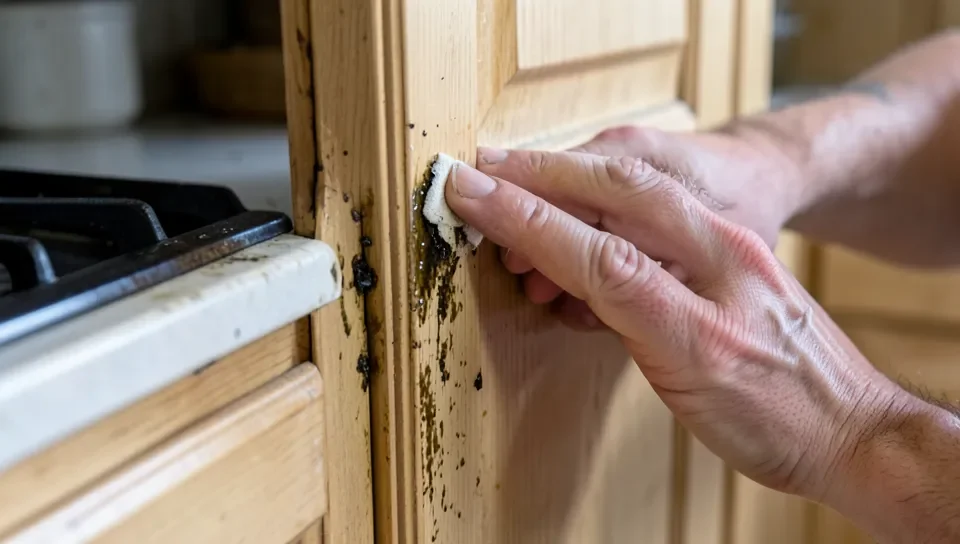
Cabinets near the stove and range hood accumulate an invisible or semi-visible film of cooking grease that regular soap struggles to fully break down. That residue is exactly what causes the paint adhesion failures (“peeling disaster”) this topic is usually searched for – it’s not really about ordinary dust or dirt, which soap and water handle fine.
- TSP (trisodium phosphate) is the traditional professional-grade degreaser and paint-prep cleaner – it cuts grease far more effectively than dish soap because it’s a genuine degreasing agent, not just a surfactant.
- TSP-substitute products (phosphate-free) work similarly and are easier to find and use, some of them no-rinse, which also sidesteps the “too much water swells the wood” risk.
- Vinegar is a mild acid, not a real degreaser – it can help with light grime but isn’t reliable against baked-on kitchen grease specifically, despite being commonly recommended online.
Preparing Cabinets For Cleaning
- Remove cabinet doors, drawer fronts, knobs, and hinges – label each with painter’s tape and a marker so everything goes back in the right spot.
- Gather supplies: a degreaser (see above), soft cloths, a soft-bristle brush for corners and detail, and a bucket if you’re mixing a diluted solution.
- Work in a ventilated area, especially if using a stronger degreaser product.
Cleaning Steps
- Dust first with a dry or slightly damp cloth to clear loose debris before applying any cleaner.
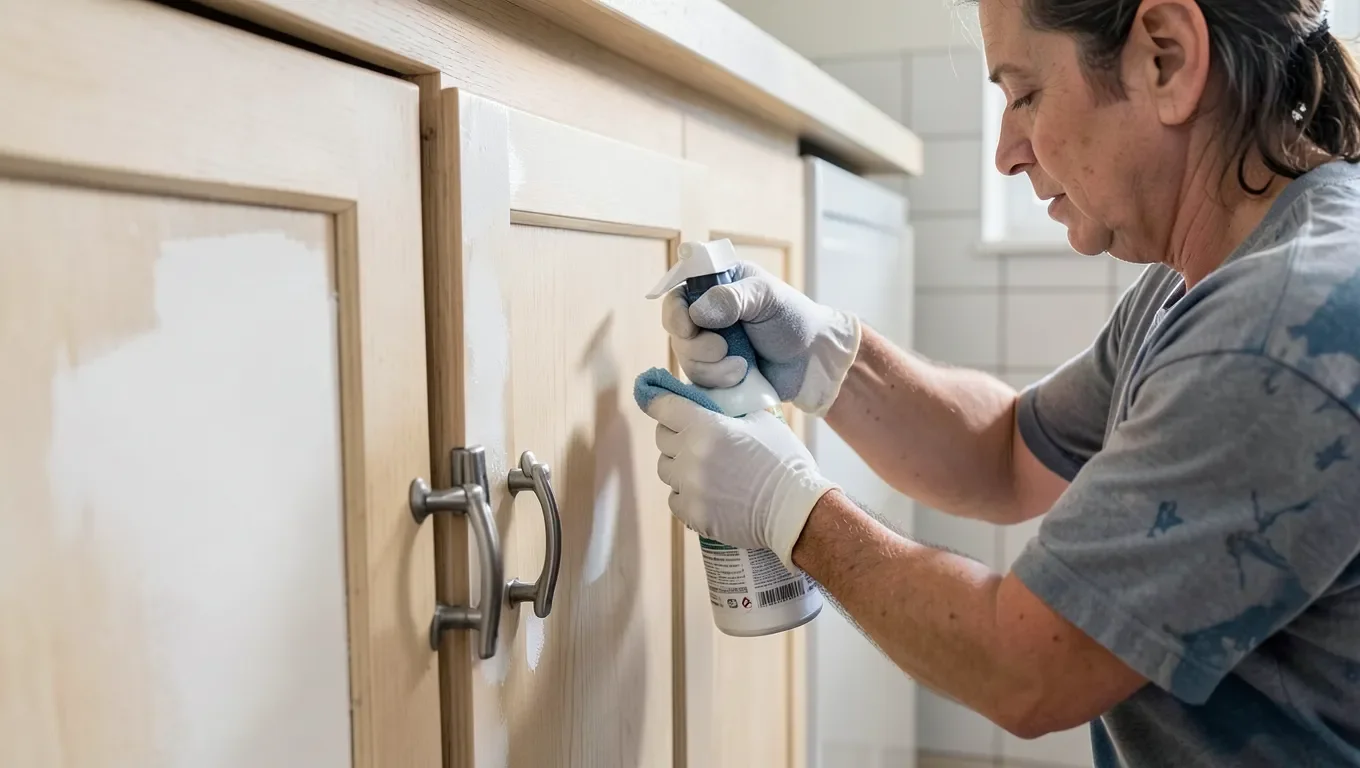
- Apply the degreaser per its label directions – most need a short dwell time to actually break down the grease before wiping.
- Wipe with a clean, barely-damp cloth (or per the no-rinse product’s directions), working into corners and profile details where grease and dust collect.
- For stubborn spots, a soft-bristle brush with a bit more degreaser lifts residue without scratching the surface.
- Use minimal water throughout – too much moisture can swell the wood and cause the exact adhesion problems you’re trying to prevent.
Drying And Inspecting
- Let cabinets air dry fully with doors and drawers open – rushing this step traps moisture that can affect paint adhesion later.
- Run a clean, dry hand or cloth over the surface once dry – any lingering tackiness means residue is still present and needs another cleaning pass.
- Check for scratches, dents, or gouges while you’re at it – fill and sand these before priming, since cleaning alone won’t fix physical damage.
Final Prep Before Painting
- Lightly sand the cleaned, dry surface to dull any existing gloss and give primer something to grip – this matters even on a well-degreased surface.
- Wipe away all sanding dust with a tack cloth before priming.
- Apply primer in thin, even coats and let it cure fully per the label before painting – skipping or rushing primer is a separate common cause of peeling, distinct from the grease issue.
Frequently Asked Questions
What Is The Best Thing To Clean Cabinets Before Painting?
TSP (trisodium phosphate) or a TSP-substitute degreaser, not just mild soap or vinegar. Kitchen cabinets specifically accumulate baked-on cooking grease that regular cleaners struggle to fully break down, and leftover grease is the main cause of paint adhesion failure.
Can I Use Dish Soap To Clean Cabinets Before Painting?
Dish soap handles ordinary dust and light grime fine, but it’s not a reliable degreaser for baked-on kitchen grease, especially near the stove. For that specific residue, TSP or a TSP-substitute is more effective.
Does Vinegar Work To Clean Cabinets Before Painting?
Not reliably for grease. Vinegar is a mild acid, useful for light grime, but it isn’t a real degreaser – it’s commonly recommended online despite not effectively cutting the baked-on kitchen grease that actually causes paint adhesion problems.
What Is The Best Way To Prep Kitchen Cabinets For Painting?
Degrease thoroughly with TSP or a TSP-substitute, let dry completely, lightly sand to dull the existing gloss, wipe away dust, fill any dents or holes, then apply primer in thin, even coats before painting.
Conclusion
The real cleaning step kitchen cabinets need before painting is degreasing, not just wiping down dust – a TSP or TSP-substitute product cuts baked-on cooking grease that soap and vinegar leave behind, and that leftover grease is the actual cause behind most paint peeling on kitchen cabinets specifically.
Sponsored / affiliate links. As an Amazon Associate I earn from qualifying purchases. I may earn additional commission from eligible campaigns.