Wood Sealer vs. Waterproofer: The Real Difference Explained
A wood sealer soaks into the fiber and blocks moisture from inside, while a waterproofer usually forms a surface film – except many products labeled “waterproofer” are actually penetrating sealers too. Using a film-forming product in a hot, humid climate can trap moisture and cause blistering instead of preventing rot. This guide covers how each type works, which lasts longer outdoors, and a comparison table to pick the right one.
Waterproofer Essentials
Best Sealer + Waterproofer Combo Pick
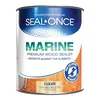
SEAL-ONCE Marine Penetrating Wood Sealer & Waterproofer, 1 Gallon – $66.98
A penetrating formula that’s labeled as both a sealer and a waterproofer – the exact hybrid category this guide describes, built for docks and decks that stay wet.
- Best for: boat docks, decks, and outdoor furniture with constant moisture exposure
- Why we picked it: penetrating (not film-forming), so it won’t trap moisture and blister the way a topical coating can in humid conditions
- Main drawback: not rated for hardwoods like ipe, mahogany, or teak, or wood submerged underwater
As an Amazon Associate we earn from qualifying purchases.
Products marketed in the wood sealer and waterproofing category for outdoor wood are usually either a heavier penetrating sealer with more water-repellent resin, or a film-forming topical coating. Either way, the goal is the same: stop bulk water from reaching the wood fibers, since standing moisture is what feeds rot and mold.
Role and Benefits
Catching water damage early with a waterproofer is far cheaper than replacing rotted boards later, and a properly matched product (penetrating for humid climates, film-forming for drier ones with less UV/moisture cycling) keeps outdoor structures structurally sound for years longer than untreated wood.
Varieties of Waterproofers
| Type | Penetrates or Sits on Top? | Best Use |
|---|---|---|
| Penetrating sealant | Penetrates | Decks, fences, humid or coastal climates |
| Film-forming paint/coating | Sits on top | Walls, floors, drier climates |
| Spray-on sealer | Either, depends on formula | Quick touch-ups, small areas |
📊 Clear penetrating sealers typically need reapplication every 1–2 years outdoors, while pigmented film-forming sealants can often go about 3 years between coats. – Source: Thompson’s WaterSeal, Oil-Based vs. Water-Based Sealer Guide
A genuine hybrid product – a penetrating formula sold specifically as both a sealer and waterproofer – is worth considering if you want one product instead of layering two, especially for docks, decks, and outdoor furniture that see constant moisture.
Wood Sealer vs. Waterproofer: The Real Technical Difference
A penetrating sealer is a product that soaks into the wood’s pores and blocks water and dirt from the inside, without changing the wood’s texture or leaving a visible coating on top. A film-forming sealer or “waterproofer” instead cures into a solid barrier layer sitting on the wood’s surface. Both terms get used loosely by manufacturers – a bottle labeled “waterproofer” can be either type, so the product label’s actual description (“penetrating” vs. “film-forming” or “topical”) matters more than the word “sealer” or “waterproofer” printed on the front.
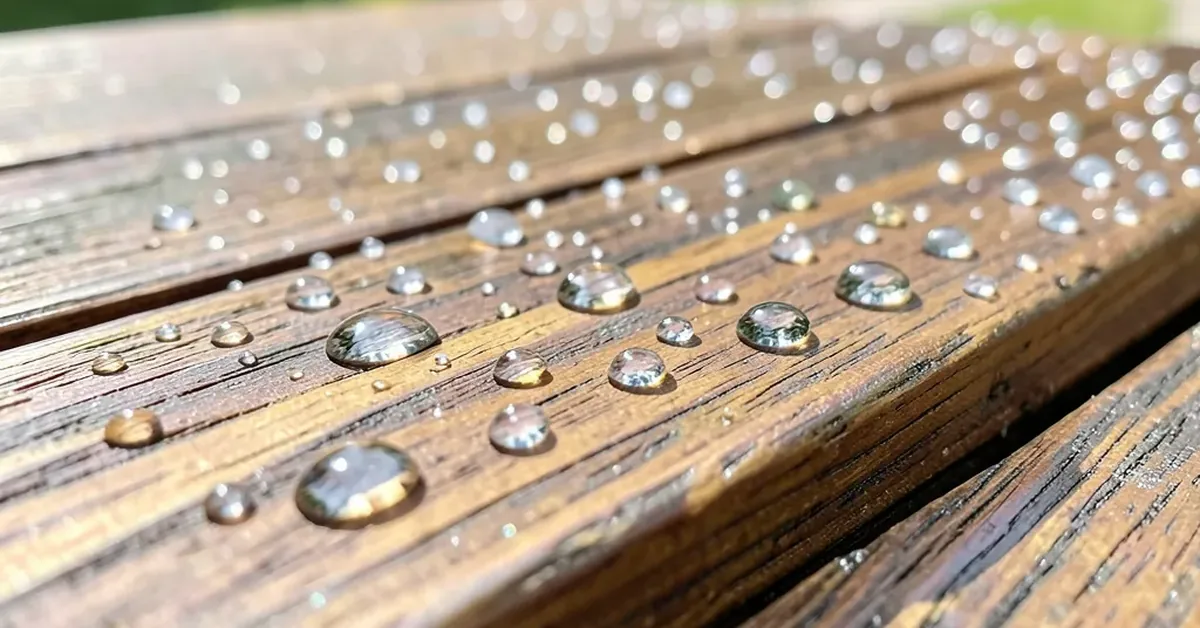
Why This Matters in Humid Climates
A film-forming barrier that fully seals the surface can trap moisture that gets in from the end grain, underside, or a small crack. When that trapped moisture heats up, it turns to vapor and pushes the finish up from underneath – causing the blistering and peeling that people often blame on “bad sealer” when the real cause is using a film-forming product where a breathable, penetrating one was needed. Penetrating sealers avoid this because they don’t form a continuous surface skin; the wood can still dry out from the inside.
Wood Sealer Basics
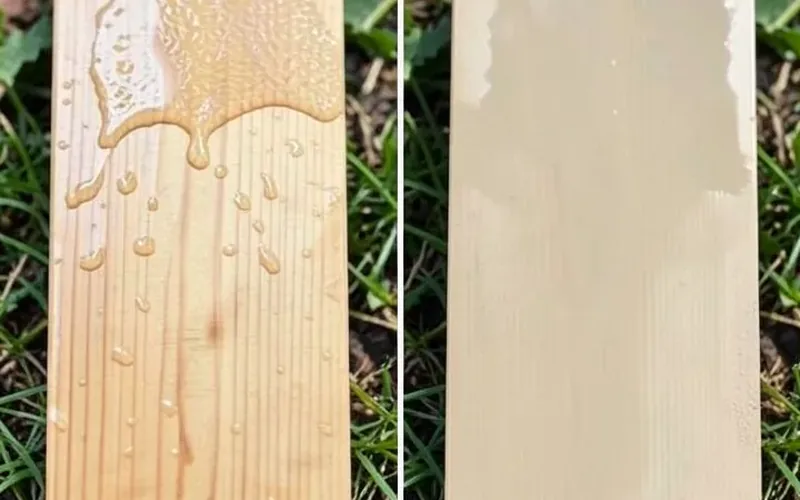
Penetrating wood sealers soak into clean, bare wood and cure inside the fibers rather than on top of them. They keep the wood’s natural look and texture because there’s no visible film to change how light reflects off the surface.
- Oil-based penetrating sealers – soak in deepest; common on decks and fences; typically need reapplication every 1–2 years outdoors – see how long a similar product, Olympic WaterGuard, actually lasts
- Water-based sealers – dry faster and clean up with soap and water; usually a slightly shorter interval between coats than oil-based; if a coat is staying tacky days after application, see why Thompson’s WaterSeal sometimes won’t dry
- Shellac, varnish, and polyurethane – these are film-forming finishes, not penetrating sealers – they add a hard, often glossy surface layer and belong in the “waterproofer/topical” category below, not the sealer category, despite sometimes being marketed as “sealer”
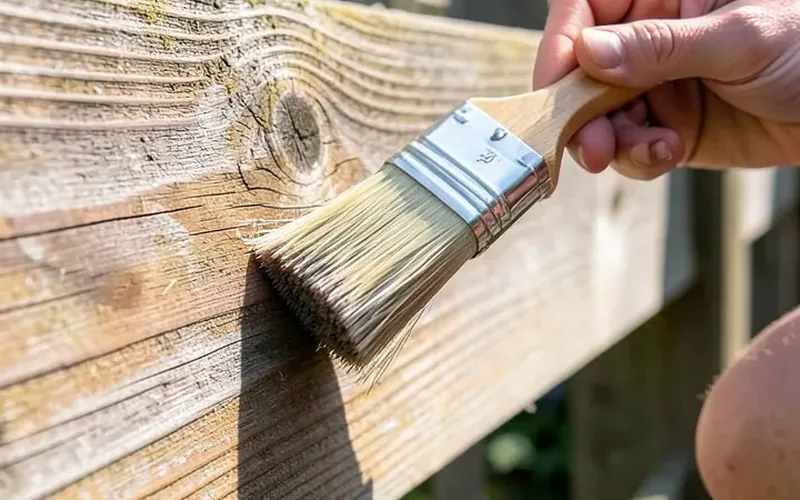
Apply on clean, dry, sanded wood with a brush, roller, or sprayer, working with the grain and wiping off any excess that hasn’t absorbed within the time on the product label.
Comparing Wood Sealer and Waterproofer
| Factor | Penetrating Sealer | Film-Forming Waterproofer |
|---|---|---|
| How it works | Soaks into wood fibers | Cures into a surface layer |
| Visible finish change | Minimal – natural look | Can add sheen or slight color shift |
| Breathability | Wood can still dry out | Can trap moisture if damaged/humid |
| Reapplication | Every 1–2 years | Roughly every 3 years (pigmented) |
| Best climate | Humid, coastal, high-moisture | Drier climates, less UV/moisture cycling |
Applying a penetrating sealer is straightforward: brush or roll it onto clean, dry wood and wipe off what doesn’t absorb. Film-forming waterproofers need more prep – clean and sand the surface first, then apply thin, even coats with time to dry between them, since a thick single coat is the most common cause of tackiness or an uneven finish.
Real-World Applications
Residential Use Cases
Penetrating sealers suit decks and fences that need to keep their natural wood look while shedding rain. Film-forming waterproofing coatings are more common on masonry, concrete patios, and basement walls, where a visible coating isn’t a downside and constant hydrostatic pressure from soil moisture is the bigger threat.
Commercial and Industrial Uses
Warehouses and factories often use film-forming sealers on wood floors for spill and abrasion resistance, since foot and cart traffic wears down a coating faster than a penetrating finish would show wear. Construction sites lean on waterproofing membranes and sprays to protect stored lumber and roofing substrates from rain exposure before installation.
Choosing the Right Product
Match the product to the climate and the wood’s exposure, not just the word on the label. In humid or coastal climates, or for wood already near constant moisture (docks, planters, low decks), pick a penetrating sealer or a hybrid penetrating “sealer and waterproofer” so trapped moisture has somewhere to escape. In drier climates with less moisture cycling, a film-forming waterproofer’s longer reapplication interval and added sheen can be the better trade-off. If the wood is already pressure-treated, check its moisture content before sealing at all – sealing over wood that’s still wet from the treatment process traps that moisture in.
A common misconception is that “sealer” and “waterproofer” describe two fixed, mutually exclusive product categories. They don’t – both terms describe what a product does (block moisture from one direction or another), and the same physical product (penetrating vs. film-forming) can be marketed under either name. Read the “penetrating” or “film-forming/topical” language in the product description, not just the front-label word, before buying.
Frequently Asked Questions
What is a wood sealer used for?
A wood sealer soaks into the wood’s pores to block moisture and dirt from the inside without changing the wood’s natural texture. Penetrating sealers are commonly used on decks, fences, and outdoor furniture where keeping the natural wood look matters.
How does a waterproofer work?
Most products sold as waterproofers either penetrate the wood with a heavier water-repellent resin or cure into a film-forming surface coating. Both approaches repel bulk water, but a film-forming coating can trap moisture and blister in humid climates if water gets in from an untreated edge.
Can I use both a sealer and a waterproofer?
Generally, no – layering a film-forming waterproofer over a penetrating sealer (or vice versa) can prevent proper adhesion or trap moisture between layers. Instead, pick one hybrid product labeled as both, like a penetrating sealer and waterproofer combination, rather than stacking two different products.
Are wood sealers and waterproofers the same thing?
Not exactly – the terms describe overlapping marketing categories rather than two fixed chemistries. What actually differs is whether the specific product penetrates the wood or forms a surface film; that distinction, not the word “sealer” or “waterproofer” on the label, determines breathability, reapplication interval, and which climate it suits.
Conclusion
The real difference isn’t the word “sealer” versus “waterproofer” – it’s whether the product penetrates the wood or forms a surface film. Penetrating formulas breathe and suit humid or high-moisture wood; film-forming coatings last a bit longer between coats but can blister if moisture gets trapped underneath. Check the product description for “penetrating” or “film-forming,” match it to your climate, and reapply on the 1–3 year schedule that formula actually needs.
Sponsored / affiliate links. As an Amazon Associate I earn from qualifying purchases. I may earn additional commission from eligible campaigns.