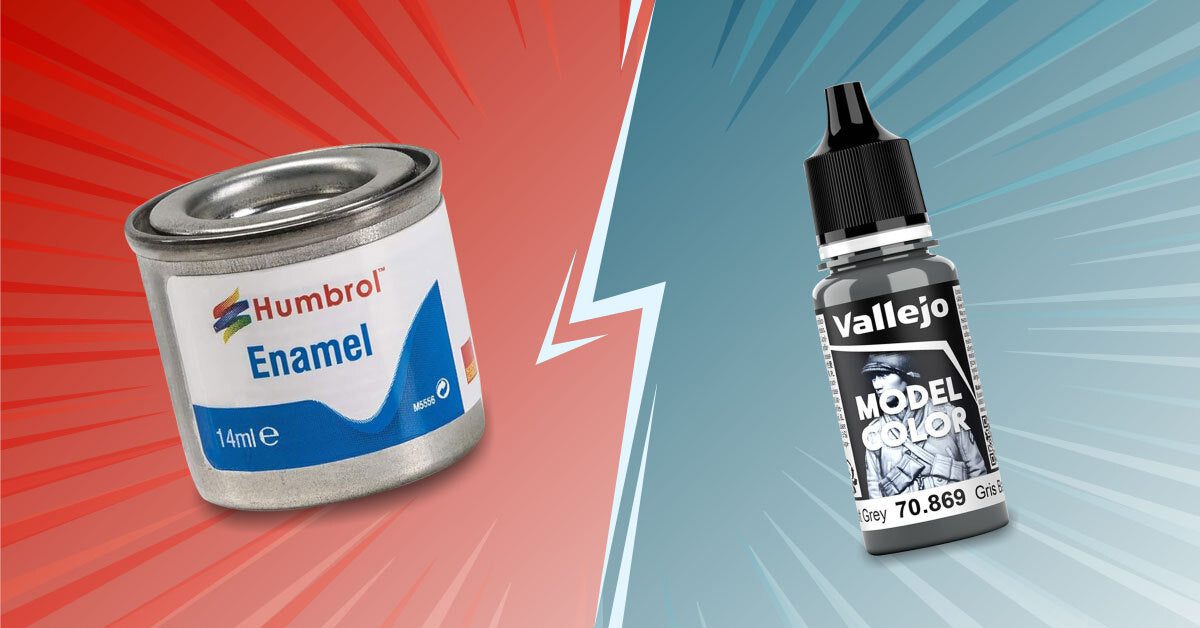
Acrylic vs Enamel Paint for Wood: Which Should You Use?
Acrylic paint is water-based and dries to the touch on wood in 30–60 minutes, while enamel is oil- or alkyd-based and stays workable for 2–4 hours — but enamel often reaches full hardness faster than a latex-blended acrylic. Recoating too soon on either one causes lifting or a soft, dent-prone finish, especially on MDF. This guide covers real recoat windows, full cure times by wood substrate, and which paint fits furniture, trim, or outdoor wood.
Quick Answer
Use acrylic for fast-turnaround indoor wood projects (crafts, shelving, walls) where color retention and easy soap-and-water cleanup matter most. Use enamel when the piece needs a hard, scratch- and moisture-resistant shell — furniture, trim, doors, or anything handled often. On MDF, budget extra cure time for both; the material’s open edges absorb solvent more slowly than solid wood.
What’s the Actual Difference in Composition?
Best Wood Paint Pick
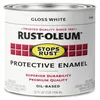
Rust-Oleum Stops Rust Brush-On Enamel, Gloss White
An oil-based enamel built for the hard, glossy shell furniture and trim need.
- Best for: cabinet doors, trim, and tabletops that get handled daily
- Why we picked it: true oil-based alkyd formula — the hardest, most scratch-resistant finish in this comparison
- Main drawback: 24-hour recoat window and mineral-spirits cleanup, not a same-day project
Compare more wood paint options
 Option 1 Rust-Oleum Painter’s Touch Satin Espresso
|
 Option 2 Shuttle Art 36-Color Acrylic Paint Set
|
 Option 3 High-Gloss Acrylic Touch-Up Pen
|
As an Amazon Associate we earn from qualifying purchases.
Acrylic paint is a water-based coating built on acrylic polymer resin. Water is both the carrier and the solvent, which is why acrylic paint dries to a flexible, plastic-like finish that resists cracking as wood expands and contracts with humidity. Cleanup is soap and water while it’s wet.
Enamel paint traditionally means an oil-based coating built on alkyd resin, thinned and cleaned up with mineral spirits or turpentine. Many “enamel” products sold today are actually water-based acrylic-enamel hybrids — check the can’s back label for “oil-based” vs “water-based” before assuming either. True oil-based enamel gives a harder, more chemical-resistant finish than acrylic, but it stays soft longer and needs solvent cleanup, not water.
Application: Brushes, Rollers, and Recoat Windows
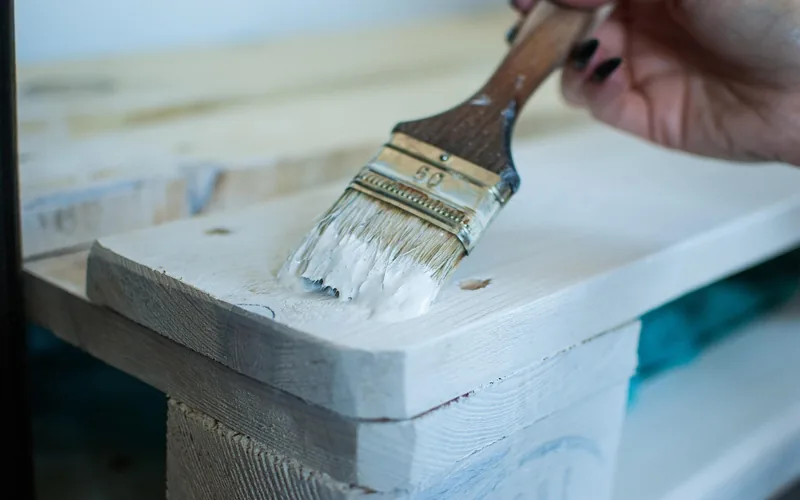
Acrylic paint applies well with brushes, foam rollers, or a sprayer, and thins with plain water for light washes or spray-gun viscosity. Because it skins over fast, work in smaller sections and keep a brush wet between coats — a stiffened brush mid-project is the most common acrylic mistake on wood trim.
Enamel goes on with a natural-bristle brush, roller, or spray gun and self-levels as it dries, which is why it hides brush marks better than acrylic on flat panels. Oil-based enamel needs mineral spirits for thinning and tool cleanup, not water — mixing the two ruins the finish.
Dry Time vs. Cure Time on Wood (the Number Most Guides Skip)
“Dry” and “cured” are not the same thing, and the gap between them is where most wood-paint mistakes happen. Dry-to-touch just means the solvent has flashed off the surface. Cure means the film has reached full hardness and chemical resistance — the point where you can stack, clamp, or set a hot mug on it without leaving a mark. On porous substrates like raw wood and especially MDF, which absorb solvent unevenly at the cut edges, cure time runs longer than the can’s label suggests.
| Paint Type | Touch-Dry / Safe Recoat | Full Cure – Solid Wood | Full Cure – MDF / Ply Edges |
|---|---|---|---|
| Acrylic (100% acrylic latex) | 30–60 min / 2–4 hrs | 7–14 days | 14–21 days |
| Enamel (oil-based, brush-on) | 2–4 hrs / 24 hrs | 7–30 days | 10–30 days |
| Enamel (water-based/acrylic-enamel hybrid) | 1–2 hrs / 24 hrs | 7 days | 10–14 days |
Typical ranges compiled from manufacturer recoat/cure guidance (Rust-Oleum) and paint-industry cure-time data. Actual times vary with coat thickness, temperature, and humidity.
“The mistake we see most in the shop is stacking or wrapping a freshly enamel-painted MDF panel the day after it feels dry. It still looks and feels finished at 24 hours, but the film hasn’t hardened all the way through — foam padding or another panel resting on it can leave a permanent press mark that only shows up once everything’s unpacked.”
Durability: Which Holds Up Longer?
Acrylic paint flexes with the wood underneath it, so it resists cracking at joints and seasonal movement better than a rigid film. It also holds up well to UV exposure — colors stay closer to true for longer — but it isn’t fully waterproof unless it’s topcoated with a sealer, so standing water can eventually lift it.
Enamel paint cures into a hard, scratch- and abrasion-resistant shell that shrugs off knocks better than acrylic, which is why it’s the standard for cabinet doors, trim, and tabletops. Oil-based enamel is naturally more water- and stain-resistant, making it a common pick for outdoor wood furniture, though it can yellow over time, especially in low light.
Finish and Appearance
Acrylic dries to a smooth, low-sheen finish that leaves few brush marks and reads as matte-to-satin on most wood. It’s the go-to for canvas, signs, and craft pieces where a natural, non-reflective look is the goal.
Enamel self-levels into a glossy, mirror-like surface that hides brush strokes better as it cures. That reflective finish is exactly why it shows up on cars, appliances, and furniture that’s meant to look polished rather than natural.
Do You Need to Prime Wood First?
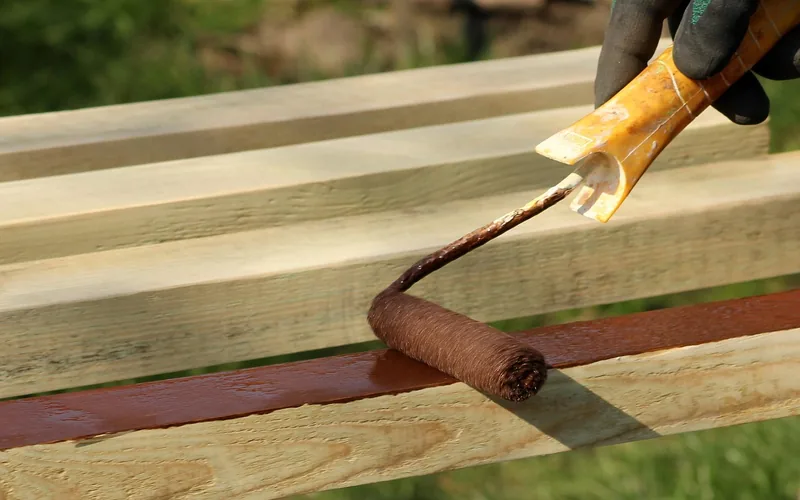
Bare wood, and MDF especially, drinks up the first coat unevenly — end grain and MDF edges absorb far more paint than the flat faces, leading to blotchy sheen once dry. A stain-blocking primer evens out absorption for both acrylic and enamel and is close to mandatory on knotty softwoods where sap can bleed through paint for months. Enamel over bare wood without primer is more forgiving on sanding but still benefits from one coat on MDF edges. See how thick to apply primer before either topcoat.
Fumes, VOCs, and Shop Ventilation
Water-based acrylic paint carries lower VOC content and far milder fumes than solvent-based enamel, and cleanup never touches your workshop’s air with solvent vapor. It’s the safer default in a garage shop without dedicated ventilation, or for pieces built for a kid’s room.
Oil-based enamel releases stronger solvent fumes both during application and while it cures over the following days, so open windows and a fan running for at least 24–48 hours are non-negotiable. Water-based enamel hybrids close most of that gap while keeping much of enamel’s hardness.
Frequently Asked Questions
Can you mix acrylic and enamel paint?
No. Acrylic is water-based and enamel is typically oil- or alkyd-based, and combining them causes poor adhesion, curdling, or an uneven, cracked finish. If you want to switch paint families on the same piece, let the first coat fully cure, then apply a bonding primer between the two rather than mixing them in the can.
Can you paint enamel over acrylic paint, or acrylic over enamel?
Enamel can go over fully cured acrylic once the acrylic has hardened completely, usually after 1–2 weeks, and light sanding helps adhesion. Acrylic over enamel is riskier because enamel’s glossy, non-porous surface resists water-based paint — scuff-sand the enamel first and consider a bonding primer, or the acrylic coat may peel.
Which paint dries harder on wood, acrylic or enamel?
Enamel, especially true oil-based enamel, cures into a noticeably harder and more scratch-resistant shell than acrylic. Acrylic stays more flexible by design, which helps it resist cracking at joints but means it dents and scratches more easily than a fully cured enamel finish.
Is acrylic paint waterproof enough for outdoor wood furniture?
Acrylic paint is water-resistant but not fully waterproof on its own, so standing water or long exposure can eventually lift it from bare wood. For outdoor furniture, seal acrylic with an exterior-rated clear topcoat, or choose an exterior-formulated enamel, which handles direct weather exposure without an extra sealing step.
Do you need to prime wood before painting with acrylic or enamel?
Priming is strongly recommended for both, especially on MDF, knotty softwood, or any previously unpainted surface. A stain-blocking primer evens out how the wood absorbs paint and stops sap or tannins from bleeding through the topcoat weeks after the project looks finished.
How long should you wait before stacking or handling enamel-painted wood?
Wait at least the full recoat window (about 24 hours for oil-based enamel) before light handling, and closer to a week before stacking, wrapping, or clamping the piece. The surface can feel dry well before the film has fully cured, and pressure during that window leaves permanent press marks.
Bottom Line
Pick acrylic when speed, easy cleanup, and color retention matter most — crafts, shelving, and indoor pieces that won’t take daily abuse. Pick enamel when the surface needs to survive handling, moisture, or weather — furniture, trim, and cabinet doors. Either way, treat the label’s dry time as the start of the clock, not the finish line: give the piece its full cure window, longer on MDF, before it goes back into use.
Sponsored / affiliate links. As an Amazon Associate I earn from qualifying purchases. I may earn additional commission from eligible campaigns.