
How to Make Thick Wood Shelves: DIY Durability Guide
To make thick wood shelves, choose solid wood boards at least 1 inch thick. Cut them to your desired dimensions and sand the edges for a smooth finish.
Creating thick wood shelves not only enhances your home’s aesthetic but also provides sturdy storage solutions. These shelves can support heavier items while adding a rustic charm to any space. Crafting them at home allows for customization, ensuring they fit perfectly in your desired area.
Selecting the right wood type is crucial for durability and appearance. Popular choices include oak, maple, and walnut, each offering unique grain patterns and colors. With the right tools and techniques, you can create stylish and functional shelves that elevate your decor and meet your storage needs.
Introduction To Thick Wood Shelves
Thick wood shelves are strong and can hold heavy items. Choosing the right wood is important for durability. Popular choices include oak, maple, and pine. Oak is known for its strength and beautiful grain. Maple is hard ad resists scratches well. Pine is lighter and more affordable.
Benefits of thick shelves include increased stability. They can support more weight without bending. Thick shelves also have a stylish look, adding charm to any room. They can fit various styles, from rustic to modern. Easy to clean, thick wood shelves require minimal maintenance.

Materials And Tools Needed
Creating thick wood shelves requires the right materials and tools. Essential materials include:
- Wood planks (choose a sturdy type like oak or maple)
- Wood screws for secure fastening
- Wood glue to strengthen joints
- Sandpaper for a smooth finish
- Wood stain or paint for aesthetics
Choosing the right tools is just as important. Necessary tools are:
- Drill for making holes
- Saw for cutting wood
- Measuring tape for accurate dimensions
- Level to ensure shelves are straight
- Clamps to hold pieces together while drying
Planning Your Shelf Design
Start by choosing the right dimensions for your thick wood shelves. Measure the space where you want to place them. Consider how many items you will store. This will help you decide on the length and depth of the shelves.
Style considerations are also important. Think about the color and finish of the wood. A lighter wood can brighten a room. Dark wood adds warmth and richness. Choose a style that fits your home décor.
Here are some common dimensions for shelves:
| Length (inches) | Depth (inches) | Height (inches) |
|---|---|---|
| 24 | 10 | 1 |
| 36 | 12 | 1 |
| 48 | 14 | 1 |
Prepping The Wood
Start by measuring the wood carefully. Cut each piece to the desired size. Use a straight edge for accurate cuts. A saw will help you achieve clean edges.
Next, focus on sanding for a smooth finish. Begin with coarse sandpaper to remove rough spots. Progress to finer sandpaper for a softer touch. Sand along the wood grain for the best results.
Check the surface regularly to ensure smoothness. This step is crucial for a polished look. Dust off any sawdust after sanding. A clean surface helps with staining or painting later.
Assembly Techniques
Joining pieces together requires careful planning. Use wood glue for a strong bond. Consider using screws or brackets for added support. Choose a dowel joint for hidden connections.
Ensuring level and stability is vital. Use a level to check evenness. Adjust shelves as needed to achieve balance. Bracing with additional supports can prevent wobbling. This ensures safety and durability in your thick wood shelves.
Finishing Touches
Staining and sealing thick wood shelves is essential. Choose a stain that enhances the wood’s natural beauty. Apply it evenly with a brush or cloth.
Let the stain dry completely before sealing. Sealing protects the wood from damage. Use a clear polyurethane seal for durability. Apply it in thin layers for best results.
Lightly sand between layers for a smooth finish. Allow each layer to dry properly. This process ensures a long-lasting and beautiful shelf.
Remember to work in a well-ventilated area. This keeps the air fresh and safe. Follow all safety guidelines for handling stains and sealers.
Mounting Your Shelves
Choosing the right wall anchors is crucial for strong shelves. The right anchors support weight well. Heavy-duty anchors work best for thick wood shelves. Use toggle bolts or lag screws for added strength.
Consider the wall type. Drywall needs different anchors than concrete or brick. For drywall, use plastic anchors or metal toggle anchors. For concrete, use expansion anchors or masonry screws.
Check the weight capacity of the anchors before installation. Always follow the manufacturer’s instructions. This ensures safety and stability for your shelves.
Maintenance And Care
To keep your thick wood shelves looking great, regular cleaning is essential. Use a soft, dry cloth to wipe away dust. For tough stains, mix mild soap with water and gently clean the surface. Always dry the shelves immediately to avoid water damage.
Check for signs of wear and tear regularly. If you notice scratches or dents, sand the area lightly. Apply a matching wood stain to restore the color. Use a protective sealant to guard against future damage. This will help your shelves last longer.
Troubleshooting Common Issues
Sagging shelves can be a common problem. This usually happens due to heavy weight. To fix this, consider adding brackets for support. You can also use a thicker wood type for better strength.
To prevent sagging, distribute the weight evenly. Place heavier items on the bottom. Regular checks can help identify issues early.
Scratches and dents can ruin the look of your shelves. To fix scratches, use wood filler or a matching paint. For deeper dents, sand the area lightly before applying filler.
Always clean the surface before making repairs. This helps the filler stick better. Regular maintenance can keep shelves looking new and attractive.
Gallery Of Ideas
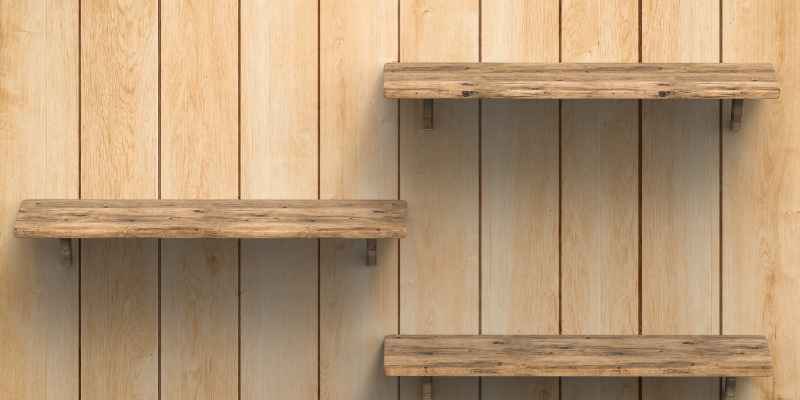
Thick wood shelves bring a unique charm to any space. They can serve many purposes. Use them for books, plants, or decorative items. Their sturdy design holds heavy items easily.
Real homes show many creative uses for thick wood shelves. Place them in the living room for art displays. They work great in kitchens for spices and cookbooks. Use them in bedrooms to hold personal treasures.
Consider using thick wood shelves as a room divider. This adds style and functionality. Combine different wood types for a unique look. Stain or paint shelves to match your decor.
Explore various shapes and sizes for your shelves. Floating shelves create a modern feel. Corner shelves maximize unused space. Large shelves can become focal points in a room.
Frequently Asked Questions
How Do I Choose Wood For Thick Shelves?
Choosing the right wood is crucial for thick shelves. Opt for hardwoods like oak, maple, or walnut for durability. Softwoods like pine can warp under weight. Always check for knots and defects, as these can compromise strength. Consider the shelf’s purpose and weight capacity when selecting wood.
What Tools Are Needed For Making Thick Wood Shelves?
To make thick wood shelves, you’ll need essential tools. A circular saw or table saw ensures precise cuts. A drill is necessary for assembling and securing the shelves. Sandpaper helps achieve a smooth finish. Additionally, clamps are vital for holding pieces together during assembly.
How Do I Finish Thick Wood Shelves?
Finishing thick wood shelves enhances their appearance and protects them. Start by sanding the surface until smooth. Apply a wood stain if you desire color. After staining, use a clear polyurethane finish for durability. Let each layer dry completely before applying the next for the best results.
How Much Weight Can Thick Wood Shelves Hold?
The weight capacity of thick wood shelves depends on several factors. Generally, shelves made from hardwood can support more weight than softwood. The thickness of the wood also plays a role; thicker shelves hold more weight. Proper installation and wall support further enhance their load-bearing capacity.
Conclusion
Creating thick wood shelves adds both functionality and style to your space. With the right materials and techniques, you can achieve a sturdy and beautiful finish. Follow the steps outlined in this guide, and enjoy the satisfaction of building shelves that enhance your home for years to come.
Happy crafting!