How to Make a Wooden Table from Scratch: DIY Mastery
To make a wooden table from scratch, gather materials like wood, screws, and tools. Cut the wood to size, assemble the pieces, and finish with sanding and sealing.
Crafting a wooden table from scratch can be a rewarding experience. It allows you to create a unique piece tailored to your style and space. Whether you’re a beginner or an experienced woodworker, this project enhances your skills and adds a personal touch to your home.
Start by selecting quality wood and the right tools. Consider the design, dimensions, and finish that suit your needs. This guide will walk you through each step, from planning to completion, ensuring a sturdy and beautiful table that you can cherish for years to come. Let’s delve into the details of this fulfilling project.
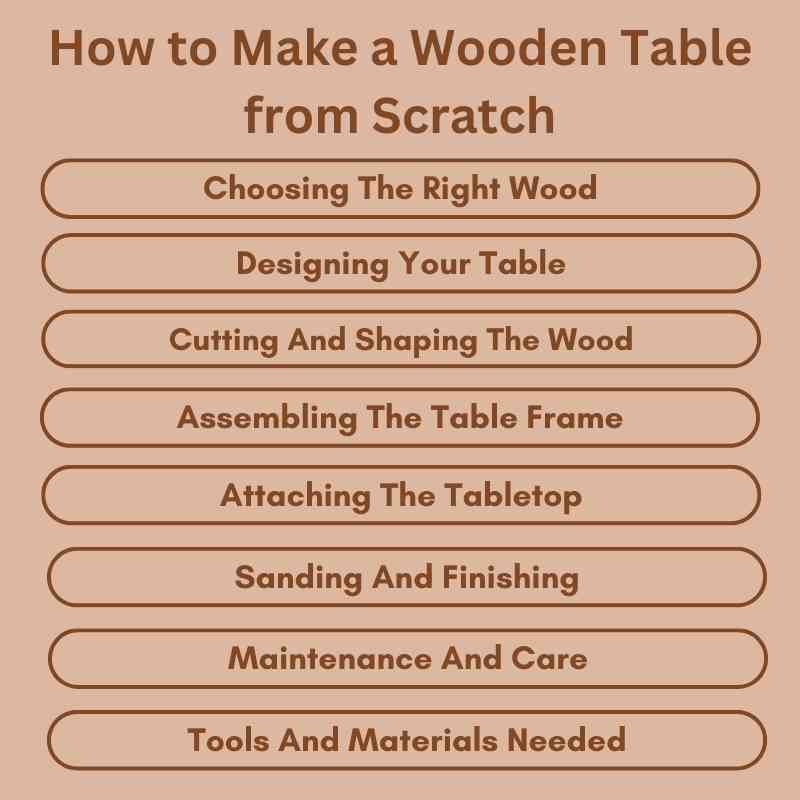
Choosing The Right Wood
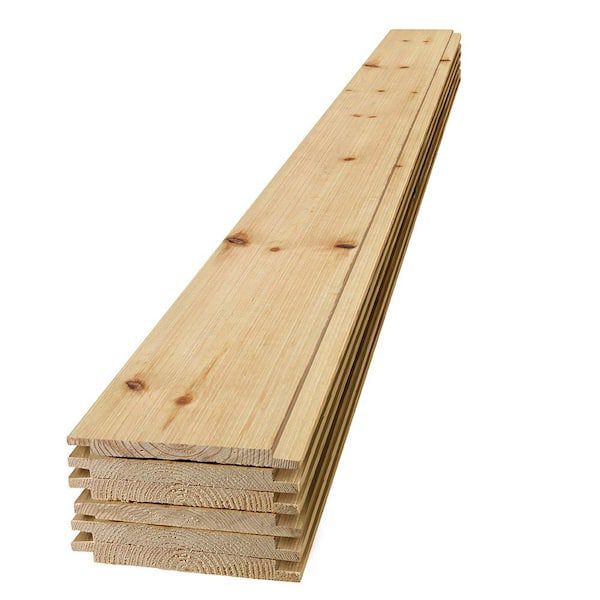
Choosing the right wood is very important for your table. Consider durability, cost, and appearance when selecting wood. Different types of wood have unique properties. Some woods are harder and last longer, while others look more beautiful.
Here are some popular types of wood for tables:
| Type of Wood | Durability | Cost |
|---|---|---|
| Oak | Very Durable | Medium to High |
| Pine | Less Durable | Low |
| Maple | Durable | Medium |
| Walnut | Very Durable | High |
Tools And Materials Needed
Creating a wooden table requires some essential tools. These tools help make the process easier and more efficient. Here are the key tools for woodworking:
- Measuring tape: For accurate measurements.
- Hand saw: To cut wood pieces.
- Drill: For making holes and joining pieces.
- Screwdriver: To tighten screws.
- Sandpaper: To smooth the surfaces.
- Clamps: To hold pieces together while working.
Gather the right materials for your project. Here’s a checklist of what you need:
| Materials | Quantity |
|---|---|
| Wood planks | 4-6 pieces |
| Screws | Enough for assembly |
| Wood glue | 1 bottle |
| Finish (stain or paint) | 1 can |
Designing Your Table
Start by sketching your table design on paper. This helps you see how it looks. Use simple shapes to represent the table parts. Think about the dimensions you want. Consider height, width, and length. A common height for tables is about 30 inches. Width can be around 30 to 40 inches. Length varies based on seating. For a small table, 48 inches works well.
Check the proportions to ensure everything fits nicely. Avoid making the table too wide or too narrow. Balancing dimensions will make the table stable and functional. Keep the design simple yet stylish. This will help in the building process later.
Cutting And Shaping The Wood
Safety is very important before cutting wood. Always wear safety goggles and gloves. Make sure the area is clean and free of clutter. Check that all tools are in good condition.
For precise cuts, use a measuring tape and a square. Mark the wood clearly with a pencil. A straightedge helps guide your saw. Use a miter saw for accurate angles.
Keep hands away from the blade. Cut slowly and steadily for the best results. Take your time to ensure each cut is perfect.
Assembling The Table Frame
To build a strong table frame, focus on joining techniques. Use dowels for a solid connection. Pocket holes are another great option. They hide screws and add strength.
Consider using mortise and tenon joints for extra durability. This method creates a strong bond between pieces. Biscuit joints also work well for alignment and stability.
To ensure stability, always check that all joints fit snugly. Use wood glue for added strength. Tighten screws securely to prevent wobbling.
Regularly inspect the frame as you build. This helps catch any weak spots early. A well-assembled frame will support the tabletop effectively.
Attaching The Tabletop
Start by ensuring proper alignment of the tabletop. Use a level to check for flatness. Adjust the legs to achieve a perfect fit. Secure the tabletop with wood screws or brackets. This will provide a strong hold.
For added stability, use wood glue at the joints. Clamp the pieces together for a few hours. This will enhance the bond and prevent shifting.
To improve durability, apply a protective finish. Choose a sealant or varnish suitable for wood. Apply multiple coats for the best results. Allow each coat to dry completely before adding the next.
Sand the surface lightly between coats for a smooth finish. This will give your table a professional look. Enjoy your beautiful, handcrafted wooden table!
Sanding And Finishing
Choosing the right sandpaper is crucial for a smooth finish. Start with a coarse grit, like 80. This grit helps remove rough spots and old finishes. Next, use medium grit, such as 120, for smoothing the surface. Finish with fine grit, around 220, for a polished look.
For the table’s finish, several options exist. Each type gives a different appearance and protection. Here are some popular finishes:
| Finish Type | Description |
|---|---|
| Varnish | Durable and water-resistant. Offers a glossy finish. |
| Oil | Penetrates wood deeply. Enhances natural grain. |
| Polyurethane | Very tough and long-lasting. Ideal for high-use tables. |
| Shellac | Fast-drying and easy to apply. Provides a warm tone. |
Maintenance And Care
Regular cleaning helps keep your wooden table looking new. Use a soft cloth for dusting. A gentle soap solution works well for deeper cleaning. Avoid harsh chemicals that can damage the wood.
For spills, clean them immediately. Use a damp cloth and dry the area quickly. This prevents stains and water damage.
Apply a wood conditioner every few months. It helps maintain the wood’s natural shine. Follow the product instructions for best results.
Check for scratches or dents regularly. Use a matching wood filler for minor repairs. Sand the area lightly for a smooth finish.
Frequently Asked Questions
How Do I Start Building A Wooden Table?
Begin by gathering your materials and tools. You’ll need wood, screws, a saw, and sandpaper. Sketch a design to visualize your table. Measure and cut your wood pieces according to your plan. Finally, assemble the pieces using screws and glue for stability.
What Type Of Wood Is Best For Tables?
Hardwoods like oak, maple, and walnut are excellent choices for tables. They are durable and have attractive grain patterns. Softwoods like pine are more affordable but less durable. Consider your budget and desired aesthetics when selecting wood for your project.
How Long Does It Take To Make A Wooden Table?
The time it takes to build a wooden table varies. Typically, it can take anywhere from a few hours to several days. Factors include design complexity, drying time for finishes, and your skill level. Plan accordingly to ensure a smooth building process.
What Tools Do I Need For Making A Wooden Table?
Essential tools include a saw, drill, sander, and measuring tape. A square and level are also important for accuracy. Consider using clamps for secure assembly. Having the right tools will make your project easier and improve the final product’s quality.
Conclusion
Creating a wooden table from scratch is a rewarding project. It allows you to express your creativity while enhancing your woodworking skills. By following the steps outlined in this guide, you can craft a beautiful piece of furniture. Embrace the journey and enjoy the satisfaction that comes from building something uniquely yours.