Winter Outdoor Furniture Cover: What Denier Do You Need?
A winter outdoor furniture cover needs at least 420D to 600D polyester or Oxford fabric with built-in vents — anything thinner splits under snow, and anything sealed airtight traps condensation instead of blocking it. The wrong fit, or the right cover sealed over damp cushions, can rot foam and rust frames faster than no cover at all. This guide covers the denier rating by climate, sizing and wind-securing rules, and the venting mistake that causes mold under a protective cover.
This post contains affiliate links. As an Amazon Associate, Woodworking Advisor earns from qualifying purchases.
Why Outdoor Furniture Needs a Winter Cover
Best Winter Chair Cover Pick
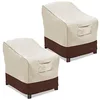
Vailge Patio Chair Covers, 600D Oxford, 2-Pack – $44.99
Sits right at the 600D minimum this guide recommends for regular snow and freeze-thaw winters, with the built-in air vents that stop the condensation mistake covered above.
- Best for: deep-seat chairs and loveseats in climates with regular snow
- Why we picked it: 600D Oxford fabric plus air vents — the exact denier-plus-ventilation combo this guide recommends
- Main drawback: sized per chair, so a full patio set needs multiple covers or the set-cover option below
Compare more winter furniture cover options
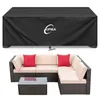 Option 1 Kipiea 420D Furniture Set Cover – $26.99
|
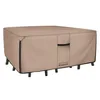 Option 2 ULTCOVER 600D Dining Table Cover – $65.99
|
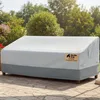 Option 3 Gorilla Grip 600D Sofa Cover – $51.90
|
As an Amazon Associate we earn from qualifying purchases.
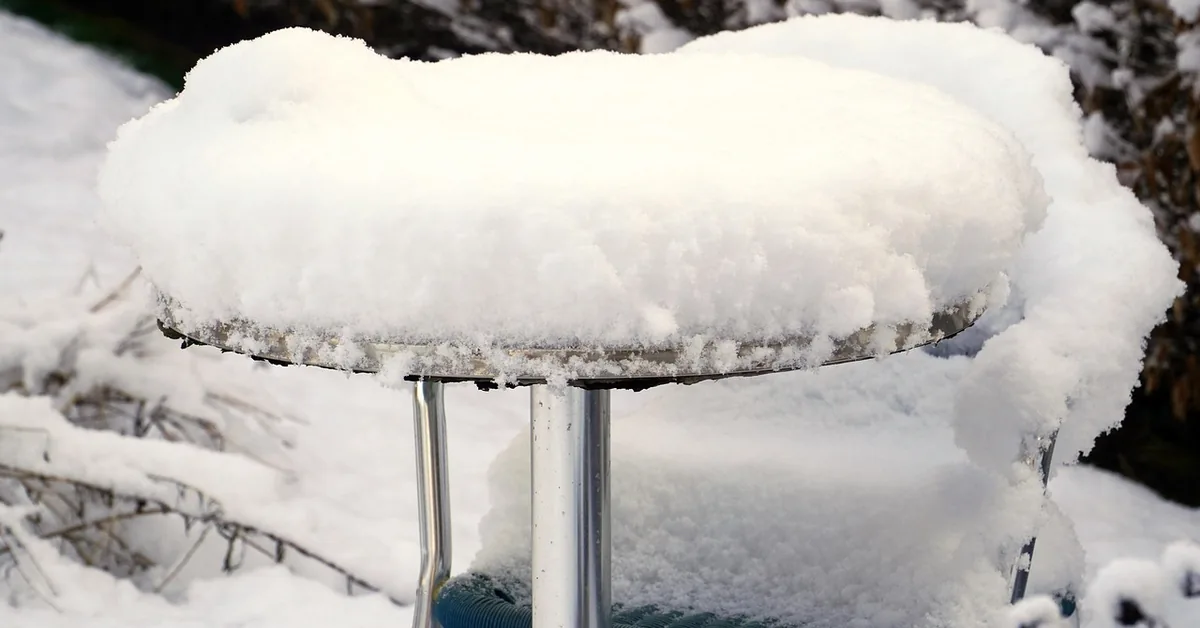
Outdoor furniture left exposed all winter takes damage from three directions at once: UV rays fade and embrittle fabric and finish, standing moisture feeds mold and rust, and freeze-thaw cycles work at any joint or seam. A properly rated cover blocks all three at once, which is cheaper than refinishing or replacing pieces every few seasons.
What a Cover Actually Protects Against
- Weather: blocks direct rain, snow load, and UV exposure that fades cushions and dries out wood finish.
- Moisture cycling: a breathable cover sheds water without trapping the condensation that causes mold.
- Debris and pests: keeps leaves, sap, and nesting animals off cushions and frames over winter.
What It Costs You to Skip One
A replacement cushion set for a mid-range patio set typically runs $80–$200, and refinishing or replacing a wood frame damaged by rot costs more than that. A quality cover in the $25–$65 range (see picks below) usually pays for itself within one bad winter avoided. For furniture that’s wood-framed specifically, pairing a cover with the basics in our wood care and maintenance guide keeps both the fabric and the frame in good shape year to year. If you’re also rounding out the rest of the setup, our list of must-have deck accessories covers the other gear worth adding before winter.

What Denier Rating Do You Need?
Denier (D) is a unit that measures the thickness and density of the fibers woven into a fabric — the higher the number, the denser and more tear-resistant the material. A 300D cover uses noticeably thinner thread than a 600D cover of the same weave, which is exactly why entry-level covers are the ones that split first at seams and fold lines after a single winter.
Match the rating to what your winters actually do, not to the lowest price on the shelf:
| Climate Severity | Denier to Buy | Why |
|---|---|---|
| Mild winters, occasional light rain | 300D–420D polyester | Breathes well and sheds light precipitation; no snow load to resist |
| Regular snow and freeze-thaw cycles | 600D polyester or Oxford | Holds up under repeated snow weight without saturating at the seams |
| Heavy snowfall, coastal wind, or ice storms | 900D Oxford or vinyl-backed | Highest tear resistance; pair with a center support pole so snow can’t pool |
📊 Fabric rated 600D–900D is the range manufacturers use for covers marketed to withstand regular snow and ice exposure — most bargain covers on the market are 300D–420D, which is the direct explanation for why cheap covers are the ones customers report tearing after one season. Source: manufacturer fabric specifications published on current outdoor-cover product listings (2026).
A high denier rating alone isn’t the whole answer, though — a dense 600D fabric with no air vents still traps condensation underneath it. Denier stops tears; vents stop mold. You need both, which is exactly what the products below combine.
Material Matters: Choosing the Right Fabric
Beyond the denier rating, the fabric’s water-handling type changes what it’s good for. The three you’ll see most: fully waterproof (usually PU- or vinyl-backed), water-resistant (treated but not sealed), and breathable mesh-vented blends.
Waterproof vs. Water-Resistant Covers
| Feature | Waterproof | Water-Resistant |
|---|---|---|
| Water protection | Fully sealed against rain and snowmelt | Resists light moisture but not sustained soaking |
| Durability | Typically more durable, PU or vinyl backing | Wears faster with repeated exposure |
| Price | Generally more expensive | More budget-friendly |
Waterproof covers are the right call for climates with sustained rain or snow. Water-resistant covers work fine in drier climates where the cover is mainly blocking dust, UV, and the occasional shower.
Breathable Materials to Prevent Mold
A fully sealed waterproof shell with zero ventilation is how condensation gets trapped in the first place (more on that below). Look for a cover that pairs a waterproof or water-resistant outer layer with built-in air vents — not a fabric type on its own, but the combination. Oxford polyester with taped seams and mesh vents is the most common version that gets this balance right.
Can a Furniture Cover Actually Cause Damage?
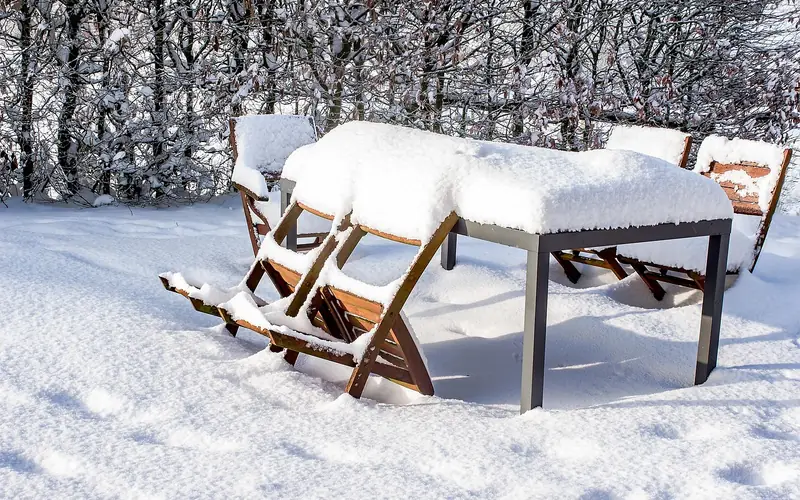
Yes — a cover that seals in moisture damages furniture faster than leaving it uncovered, because trapped condensation has no way to evaporate. Materials that don’t breathe, a cover put on before the furniture is fully dry, or a fit so snug it blocks the vents can all turn a “protective” cover into the actual cause of mold, rust, and rot.
- Wipe furniture dry first. Sealing a damp cushion or a wood frame with morning dew still on it traps that moisture underneath for the whole season.
- Don’t oversize the cover. A cover several sizes too large collects rain and snow like a tarp and puts more standing water directly against the furniture than no cover at all.
- Never block the vents. Piling cushions or accessories over a cover’s mesh vent panels defeats the airflow it was designed to provide.
“Wood furniture takes the worst of a bad cover, not the best of a good one — trapped moisture cycling through freeze and thaw swells the grain at joints faster than open exposure ever does. If the underside of a cover feels damp when you check it mid-winter, that’s the wrong cover for a wood frame, not a reason to leave it on longer.”
The fix is the same one this guide has already covered: 600D+ fabric for tear resistance, genuine air vents for airflow, and furniture that’s bone-dry before it goes under the cover.
Size and Fit: Ensuring Proper Coverage
Proper size and fit determine whether a cover actually keeps moisture and debris out. A snug fit sheds water; an oversized one collects it.
Measuring Furniture for a Perfect Fit
- Use a measuring tape for accurate results.
- Measure the length, width, and height of each furniture piece, including any protruding arms or cushions.
- Note the shape: square, rectangular, or round — cover manufacturers size by shape as well as dimensions.
- Compare your measurements against the cover’s listed dimensions rather than the furniture’s general category (e.g. “loveseat”).
For wood-framed pieces specifically, our guide on caring for acacia wood outdoor furniture covers the cleaning and drying steps to do before the cover goes on for winter.
Securing Covers Against Wind and Snow Load
Wind can lift and tear a poorly secured cover before the fabric itself ever fails. Look for built-in straps or drawstring toggles first — both products above include them — and add extra security for exposed locations:
- Weights: heavy objects like bricks or sandbags at the base corners.
- Corner tie-downs: prevent flapping and progressive tearing at the seams.
- A center support: a pole or an upturned bucket under the middle of a table cover keeps snow from pooling into a low spot and adding weight the fabric has to hold.
Check straps after every storm and re-tighten as needed — a strap that loosened in one windstorm is the reason a cover blows off in the next one.
Design Features to Look For
Reinforced Seams for Durability
Double-stitched, taped seams are what keep a cover intact under repeated snow load and wind — single-stitched seams are usually the first failure point on a budget cover, regardless of the fabric’s denier rating.
Built-in Vents for Air Circulation
Mesh vent panels are the single feature this guide keeps coming back to, because they’re what separates a cover that protects furniture from one that slowly damages it. Look for vents placed high on the cover (so rain doesn’t drive in through them) and confirm they’re not just decorative mesh but actually open to airflow.
Maintenance Tips for Winter Covers
Cleaning and Storing When Not in Use
- Remove and shake off debris: brush or shake loose dirt and leaves before washing.
- Wash with mild soap: a soft cloth and mild soap; avoid harsh solvents that can break down waterproof coatings.
- Rinse and dry completely: any residual moisture folded into storage becomes a mildew problem by spring.
- Store in a breathable bag: in a cool, dry space, folded to avoid permanent creases in the coating.
Regular Checks for Tears and Damage
Check seams, straps, and vent panels a few times over the winter, especially after storms. Patch small holes with waterproof tape; for larger tears, sew or replace the cover rather than leaving a breach that lets moisture in exactly where you don’t want it.
Special Considerations for Different Climates
Heavy Snowfall Regions
Snow accumulates and adds real weight to a cover over time. Use the 900D-and-up tier from the denier table above, confirm the fit is snug enough that snow can’t collect underneath, and add a center support so weight doesn’t pool into one low spot.
Sunny and Wet Winter Areas
Moisture and UV are the two concerns here rather than snow load. A 420D–600D UV-resistant, water-repellent cover with good ventilation is usually sufficient — prioritize the vent quality over the highest denier rating available, since standing humidity is the bigger risk than tearing in this climate.
Investing Wisely: Cost vs. Quality
Budget covers under 420D and without taped seams tend to need replacing every season, which erases the up-front savings within two or three winters. A quality 600D+ cover with reinforced seams and real vents (see the picks above) typically lasts several seasons, which is the actual cost comparison — not the sticker price alone.
| Factor | Budget Cover (under 420D) | Quality Cover (600D+) |
|---|---|---|
| Typical lifespan | 1 season | Multiple seasons |
| Water resistance | Limited, often untaped seams | Sealed or taped seams |
| UV protection | Minimal or none | UV-inhibitor coating standard |
Frequently Asked Questions
What Is the Purpose of a Winter Outdoor Furniture Cover?
A winter outdoor furniture cover protects furniture from snow, rain, and UV rays, which extends its lifespan and keeps cushions and finishes from fading. A breathable cover also prevents the mold and mildew that develop when moisture gets trapped against damp furniture.
How Do I Choose the Right Size Cover?
Measure the width, depth, and height of your furniture, including any cushions or armrests, and match those numbers to the cover’s listed dimensions rather than its general size category. A slightly larger cover works for unusually shaped furniture, but oversizing by more than a few inches lets rain and snow collect like a tarp.
Can I Leave Furniture Covers On All Winter?
Yes, as long as the cover is breathable and the furniture was dry before it went on. Check periodically for condensation buildup underneath and re-secure straps after storms — a sealed, non-vented cover left on all winter is exactly the setup that causes the mold problem covered above.
Are Winter Furniture Covers Waterproof?
Most are either fully waterproof (PU- or vinyl-backed) or water-resistant (treated but not sealed). Check the specific product listing rather than assuming — waterproof covers handle sustained rain and snowmelt, while water-resistant covers are better suited to drier climates with only occasional precipitation.
What Denier Rating Should a Winter Furniture Cover Have?
For regular snow and freeze-thaw winters, choose 600D polyester or Oxford fabric at minimum; 900D adds tear resistance for coastal wind or heavy ice. Below 420D, covers are more likely to split at the seams by the second season. Always pair a higher denier rating with taped seams and air vents, since a dense fabric with no ventilation still traps condensation.
Can a Furniture Cover Cause Mold or Damage?
Yes, if it’s sealed too tightly or put on over damp furniture. A cover with no air vents traps condensation against cushions and wood joints, which causes mold and can rot or warp a wood frame faster than leaving the furniture uncovered. Let furniture dry completely first and choose a cover with built-in vents.
Conclusion
The denier rating and the vents matter more than any other spec on the label: 600D or higher stops tears, and real airflow stops the trapped condensation that turns a “protective” cover into the thing that damages your furniture. Measure carefully, buy for your actual climate rather than the cheapest option, and let furniture dry completely before it goes under a cover for the winter.
Sponsored / affiliate links. As an Amazon Associate I earn from qualifying purchases. I may earn additional commission from eligible campaigns.