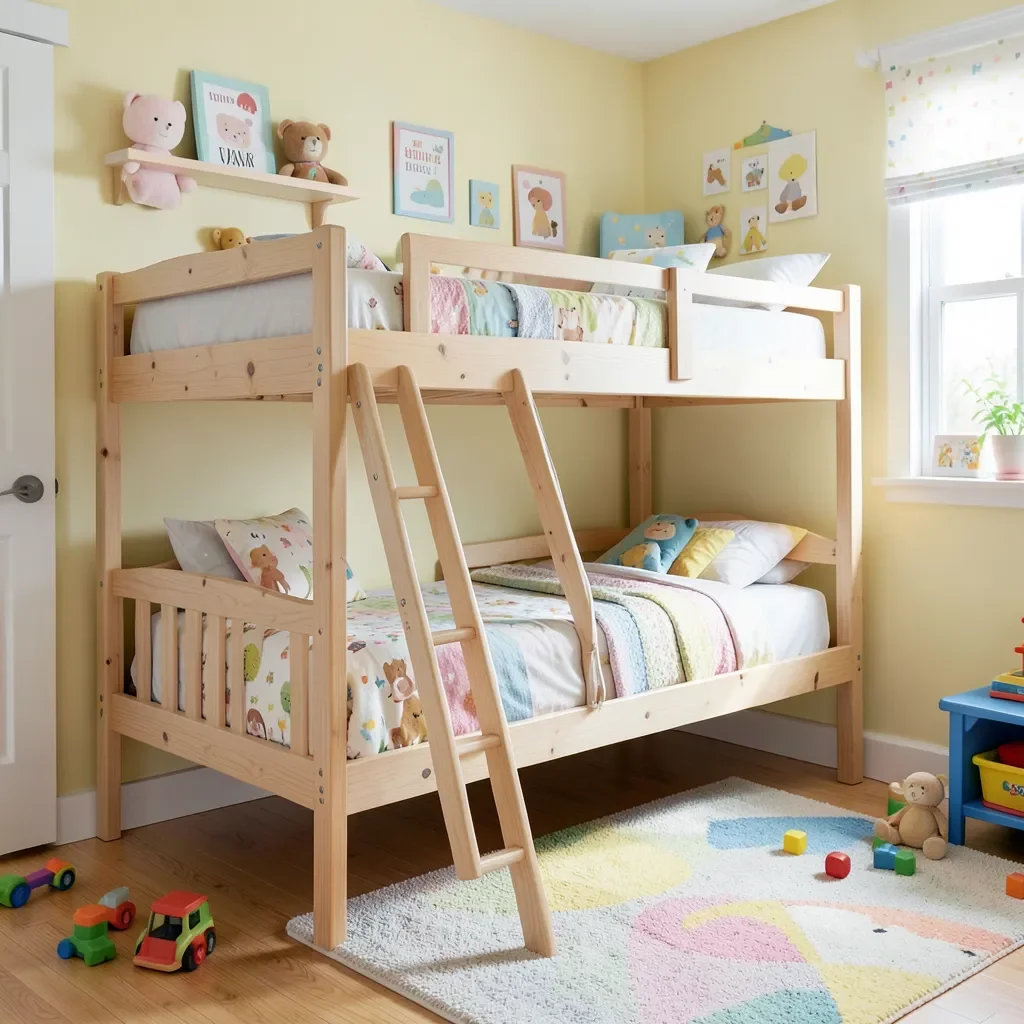
Are Cheap Wooden Bunk Beds Safe? What Actually Matters
Pine is the wood behind almost every genuinely cheap wooden bunk bed – it’s fast-growing and inexpensive compared to hardwoods, which is what keeps prices under $200-300 for a basic frame. The real safety question with cheap bunk beds isn’t the wood species, it’s whether the frame meets the CPSC’s federal bunk bed standard, which every bed sold in the U.S. is legally required to meet regardless of price.
What the Federal Safety Standard Actually Requires
Best for Reinforcing Slat Support
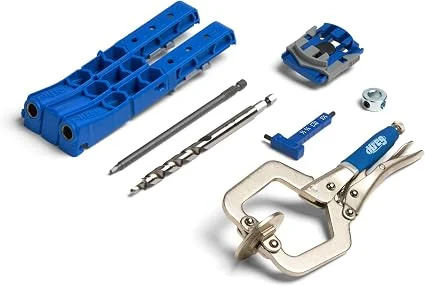 |
Kreg Pocket-Hole Jig 320 – $49.00 Adding a center support leg or extra slats to a budget bunk frame – the exact upgrade this guide recommends – is a straightforward pocket-hole project.
|
The CPSC standard (16 CFR 1213) requires guardrails on both sides of the top bunk, with the rail on at least one side extending at least 5 inches above the mattress top, plus a maximum gap size in the guardrail and ladder openings to prevent entrapment. A cheap bed can still meet this standard – price affects wood quality and finish, not whether the safety-critical dimensions are correct, since those are legally mandated regardless of cost.
Where Cheap Actually Cuts Corners
The real quality difference in budget bunk beds shows up in the slat system and joinery, not the safety rails. Cheaper beds often use fewer, thinner slats spaced further apart, which sags faster under a mattress and box spring’s weight over time. Look for center support legs under the bottom bunk and slats spaced no more than 3 inches apart – both add real structural life without adding much to the price.
Weight Limits Matter More Than the Marketing Photo Suggests
Budget pine bunk beds commonly rate the top bunk for 200-250 lbs and the bottom for 400-450 lbs – check the actual listed weight limit, not just the age range in the product photos, since a growing teenager or an adult sleeping in the bottom bunk can exceed a budget frame’s rating well before the bed looks worn out.
Assembling a Budget Bed Correctly
Following the torque specification (or at minimum, not over-tightening bolts with a power driver past hand-tight-plus-a-quarter-turn) prevents stripping the pre-drilled holes in softer pine components, which is a common cause of a wobbly frame on an otherwise sound budget bed. Re-checking and re-tightening all connection points after the first month of use catches any bolts that loosened as the pine settled under initial load.
Mattress Thickness Restrictions
Most bunk bed guardrails are only tall enough to safely contain a mattress up to a specific thickness (commonly 6-9 inches) – a thicker mattress can reduce the effective guardrail height below the safety minimum, defeating the purpose of an otherwise-compliant frame. Check the manufacturer’s maximum mattress thickness rating before buying a mattress separately from the bed frame.
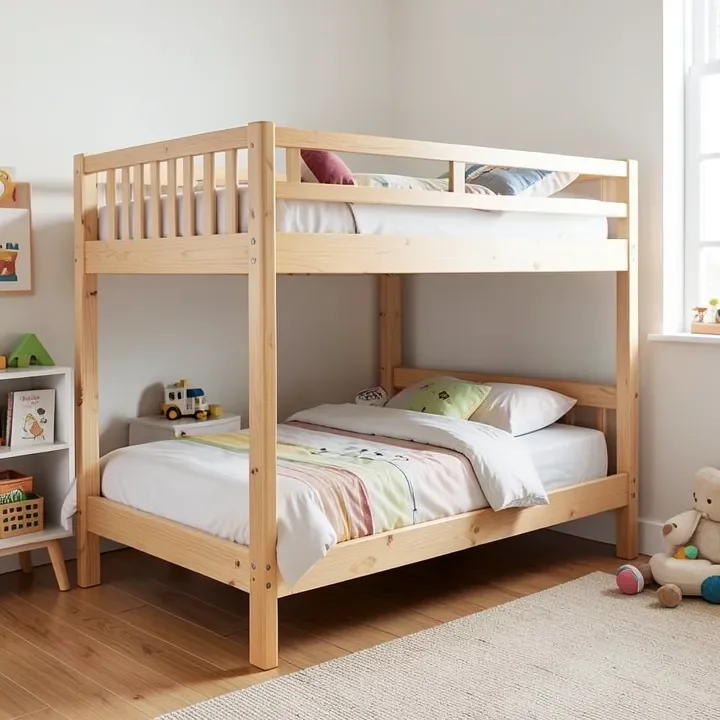
Converting a Bunk Bed to Two Separate Beds
Many budget bunk beds are designed to split into two standalone twin beds once children outgrow the bunk configuration, which extends the furniture’s useful life significantly – check this feature specifically before buying if it matters, since not every model is built with separable hardware and some require buying additional legs or a headboard kit sold separately to complete the conversion.
Finish and Chemical Safety on Kids’ Furniture
Check that the finish meets ASTM F963 (the toy safety standard many children’s furniture makers voluntarily follow for paint/finish lead content) even though bunk beds themselves fall under the separate CPSC structural standard – a budget import bed’s finish quality varies more between manufacturers than its structural compliance does, since both must legally meet the same structural rule but finish chemistry isn’t as tightly regulated for furniture specifically.
Ladder Angle and Safety
An angled ladder is generally considered safer than a vertical one for a child climbing to a top bunk, since the angle keeps a climber’s weight more centered over their feet rather than requiring more grip strength on a purely vertical rung. Check whether a specific bed’s ladder attaches securely at both top and bottom, since a ladder that can shift or detach mid-climb is a more common real-world injury cause than the guardrail height itself.
Return Policies and Damage on Arrival
Budget bunk beds shipped flat-packed are prone to shipping damage on the pine panels, particularly at corners and pre-drilled holes – inspecting all parts against the packing list before starting assembly, and photographing any damage immediately, makes a warranty or return claim far easier than discovering a cracked panel halfway through assembly.
Age Recommendations Beyond the Safety Standard
Beyond the federal safety standard, most manufacturers and pediatric safety organizations recommend children under 6 not sleep on the top bunk regardless of guardrail compliance, since younger children are statistically more likely to fall even from a fully compliant bed – a recommendation worth following independent of what the bed’s own certification technically allows.
Frequently Asked Questions
Are cheap wooden bunk beds safe?
Any bunk bed legally sold in the U.S. must meet the CPSC’s federal safety standard for guardrail height and gap sizes regardless of price – the safety-critical dimensions aren’t optional at any price point.
What wood is used for cheap bunk beds?
Pine, almost universally – it’s fast-growing and inexpensive compared to hardwoods, which is what keeps entry-level bunk bed prices low.
What should you check before buying a cheap bunk bed?
The listed weight limit for each bunk, slat spacing (3 inches or less is sturdier), and whether it includes center support legs under the bottom bunk mattress.
Sponsored / affiliate links. As an Amazon Associate I earn from qualifying purchases. I may earn additional commission from eligible campaigns.