How to Melt Polyethylene Terephthalate on to Wood: Expert Tips
Are you looking to explore a fascinating DIY project that merges everyday materials in a unique way? Imagine the possibilities of combining polyethylene terephthalate (PET), the same material found in plastic bottles, with wood.
Whether you’re aiming to create innovative art pieces or practical household items, learning how to melt PET onto wood can open up a world of creative opportunities. You might wonder, is it even possible to bond these two distinct materials successfully?
The answer is yes, and it’s simpler than you might think. In this guide, we’ll walk you through the steps, techniques, and tips you need to master this intriguing process. Ready to discover a new dimension of crafting that could transform your DIY skills? Let’s dive in and unlock the secrets to making PET and wood work together seamlessly.
Credit: www.mdpi.com
Understanding Polyethylene Terephthalate (pet)
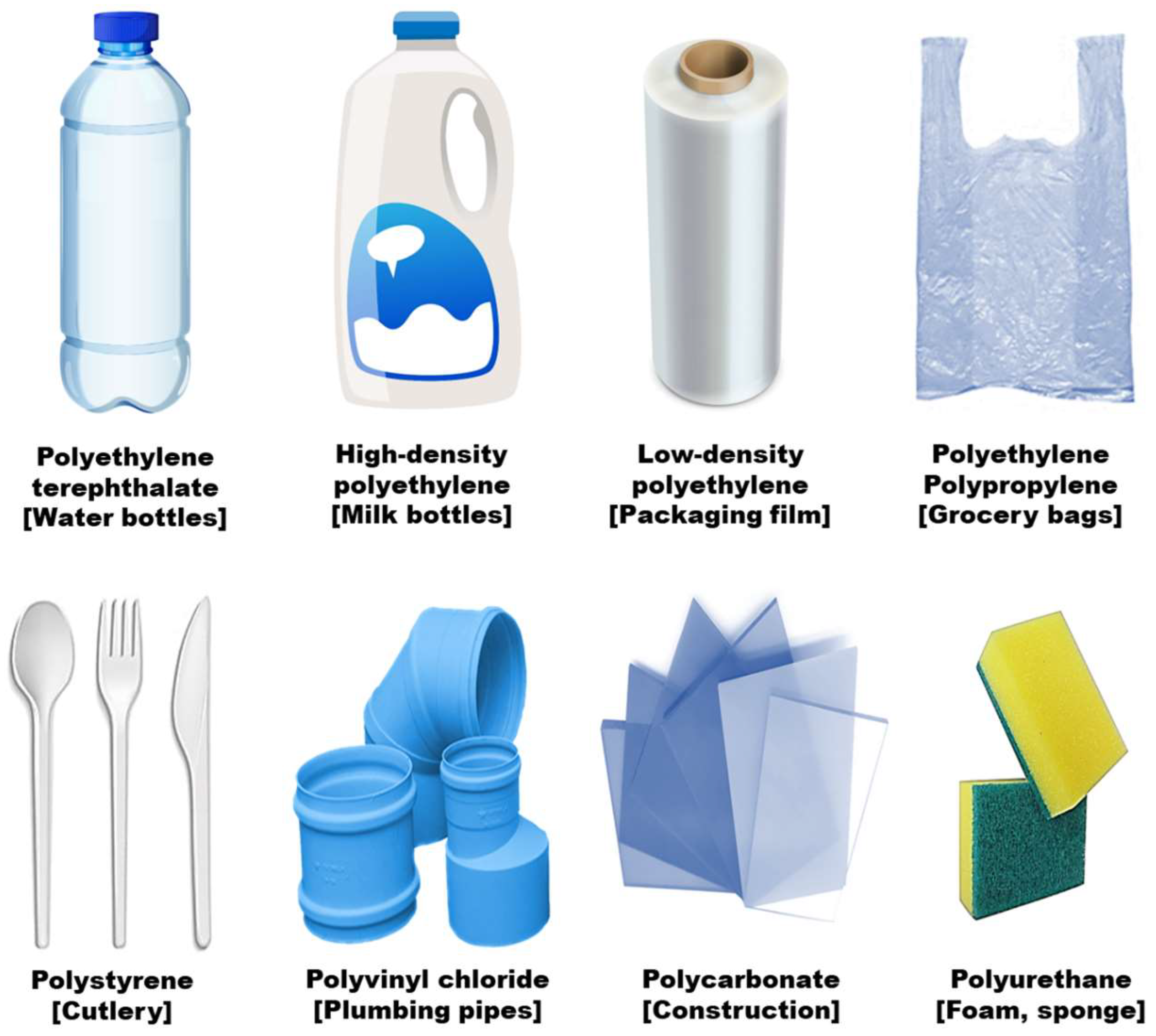
PET is a strong and lightweight material. It is often used in bottles and containers. PET can resist heat, making it useful for many things. It does not break easily. PET is also clear like glass, which is why it is used for packaging. It can be recycled and used again.
PET is used in food packaging. It is used to make water bottles. You can find it in clothing as fibers. PET is also used in medicine packaging. It is popular for electronics covers. PET is everywhere you look. It helps keep things safe and secure.
Choosing The Right Wood
Some woods work well with polyethylene terephthalate(PET). Pine is a soft wood. It bonds easily with PET. Oak is strong. It holds PET firmly. Birch is smooth. It allows even PET coverage. Choose a wood that suits your needs. This ensures a good bond.
Clean the wood surface. Remove dust and dirt. Sand the wood gently. Make it smooth. This helps the PET stick better. Use fine sandpaper for sanding. Check for any rough spots. Smooth them out. This ensures an even melt. Clean again after sanding. Use a damp cloth. Let the wood dry completely.
Equipment And Materials Needed
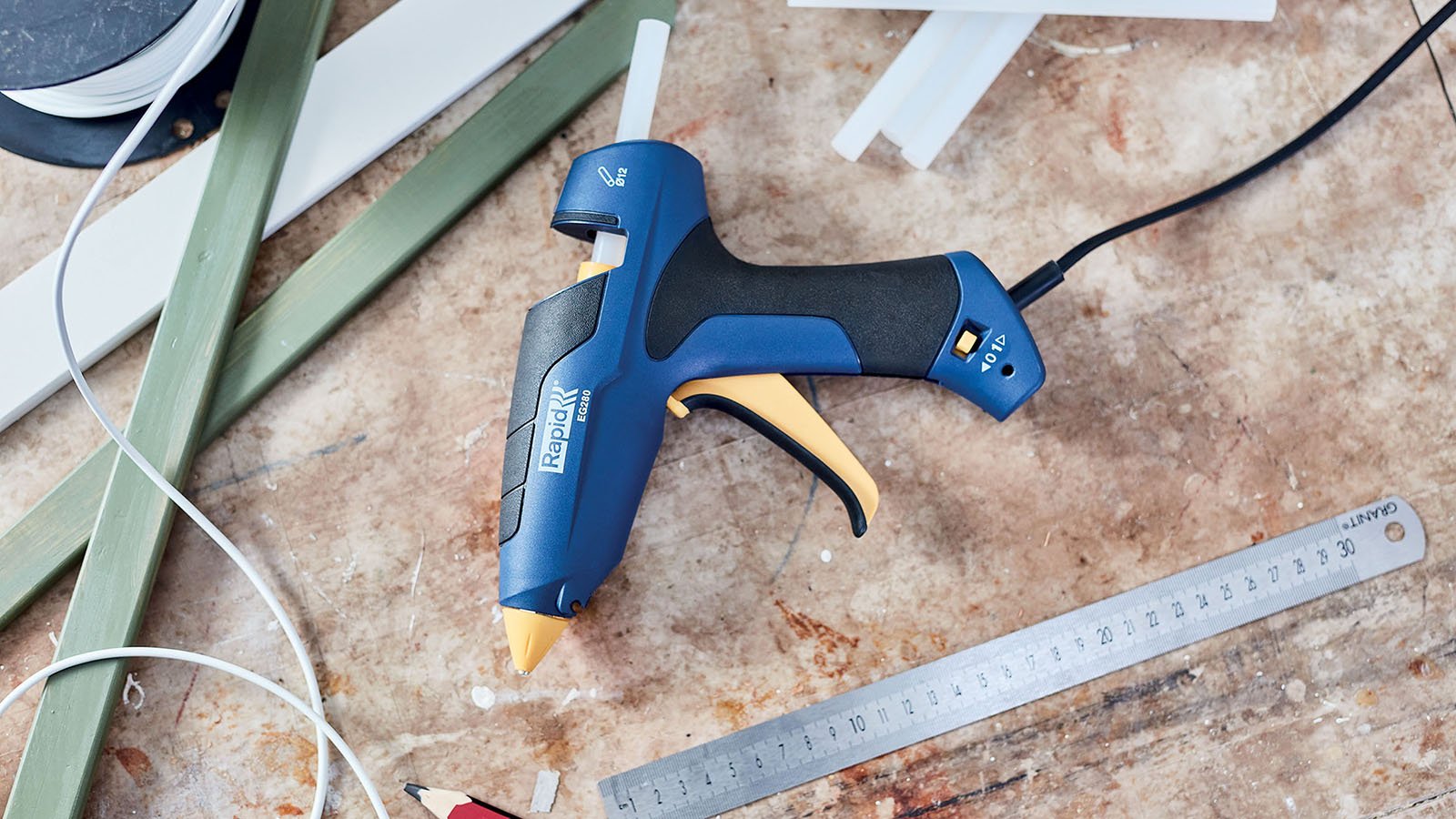
You will need a heat gun to melt the plastic. A clamp helps hold the wood steady. A utility knife is useful for cutting plastic pieces. Don’t forget a ruler for measuring sizes. A screwdriver might be needed for adjustments. Sandpaper can smooth rough edges.
Wearing safety goggles is very important. They protect your eyes. Gloves keep your hands safe from heat. A face mask helps if fumes are present. Aprons protect your clothes. Ear protection is useful if the heat gun is loud.
Credit: www.rapid.com
Preparing Pet For Melting
Clean PET carefully before melting. Dirt can make it melt unevenly. Use soapy water for cleaning. Rinse well with clean water. Dry PET completely. Wet PET can cause problems. Check for any leftover dirt. Clean again if needed.
Cut PET sheets into smaller pieces. Smaller pieces melt easier. Use scissors or a cutter. Be careful not to cut yourself. Keep the pieces even. Uneven pieces melt unevenly. Check all pieces before starting to melt.
Melting Techniques
Melting polyethylene terephthalate onto wood requires careful heating. Achieve a seamless bond by controlling temperature precisely. Ensure even heat distribution for optimal adhesion.
Using Heat Guns
Heat guns can melt polyethylene terephthalate, also called PET. Set the heat gun to a moderate temperature. Keep it moving to avoid burning the wood. Hold the gun a few inches away from the PET. This ensures even melting. Watch the PET closely. It will start to soften. Once soft, press it onto the wood. Use a tool to smooth it out. Let it cool before handling. Heat guns are easy to use. They offer precise control over temperature.
Alternative Heating Methods
There are other ways to melt PET onto wood. Ovenscan be used for larger pieces. Preheat the oven to a low temperature. Place the PET and wood inside. Monitor closely to prevent burning. Hot platesare useful for small projects. Set the plate to a low heat. Place the PET on the wood. Wait for it to soften. Carefully press the PET down. Always use tools to protect hands. Toasterscan also be used for tiny pieces. They offer a quick, simple solution. Never leave the toaster unattended.
Applying Pet To Wood
Ensuring even coverageis important when applying PET to wood. Use a brush or roller to spread the melted PET. Apply it slowly and evenly. This helps cover the wood surface completely. It avoids missed spots. Start from one edge and move to the other. Keep strokes straight and smooth. This helps the PET spread well.
Avoiding air bubblesis crucial. Air bubbles can ruin the look. They can make the PET weak. Press down on the PET gently. Use a roller to smooth it out. This helps push out the bubbles. Check for bubbles while applying. Smooth them out right away. This ensures a clean and strong finish.
Finishing Touches
Coolinghelps the plastic stick to the wood. This step is very important. The process must be slow. Fast cooling can cause cracks. It is best to leave the wood to cool on its own. Fans can help too. Make sure the air flows evenly.
Inspecting For Imperfections
Once cooled, check the surface carefully. Look for any bubbles or cracks. These can weaken the bond. Use a small tool to touch the surface. Feel for any rough spots. Smooth them out gently. A fine sandpaper can help. Make sure the surface is even. This will ensure a strong finish.
Common Mistakes And Solutions
Wood can warp if it’s not treated right. Using too much heat is a common mistake. Always control the temperature carefully. Keep it low and steady. A fan can help spread the heat evenly. This prevents the wood from bending or twisting. Cooling the wood slowly is also important. Quick cooling can cause warping too. Be patient. Let the wood cool down naturally. This keeps its shape intact.
Sometimes plastic does not stick to wood. This is due to dust or dirt. Clean the wood well before starting. A clean surface helps the plastic stick better. Use a primer for better adhesion. It acts like glue between wood and plastic. Make sure the plastic is melted evenly. Uneven melting causes weak spots. These weak spots can lead to peeling. Check the surface closely for any gaps.
Credit: www.mdpi.com
Frequently Asked Questions
How To Melt A Pet At Home?
Melt PET plastic by using a heat gun at low temperatures. Keep the heat below 250°C to prevent harmful fumes. Ensure proper ventilation while melting. Use protective gear like gloves and goggles for safety. Avoid direct flame contact to prevent burning or damage.
Will Melted Plastic Stick To Wood?
Melted plastic can stick to wood due to its adhesive properties. The bond depends on the plastic type and wood surface. Wood’s porous nature can enhance adhesion, making removal challenging. Use caution when heating plastic near wood to prevent unintended sticking or damage.
What Breaks Down Polyethylene Terephthalate?
Enzymes, UV light, and heat can break down polyethylene terephthalate (PET). Microorganisms also play a role in degradation. Recycling methods and chemical processes further assist in breaking down PET materials.
Which Plastics Are Safe To Melt At Home?
Polyethylene (PE) and polypropylene (PP) are generally safe to melt at home. Always ensure proper ventilation. Use safety gear like gloves and goggles to prevent injuries. Avoid melting PVC and polystyrene due to toxic fumes.
Conclusion
Melding polyethylene terephthalate onto wood requires care and precision. Start with clean surfaces. Ensure you have the right equipment and a well-ventilated area. Use a heat gun to melt the plastic carefully. Press the melted plastic onto the wood gently.
Allow it to cool completely. With practice, the process becomes easier. Safety should always be a priority. This technique opens up creative possibilities. Experiment with different projects. Always keep learning and refining your skills. Successful results come with patience. Happy crafting!