How to Paint Outside of House Without Scaffolding: Easy Tips
Are you planning to give your house a fresh, new look without the hassle and expense of scaffolding? Painting the exterior of your home might seem daunting, especially when you think about balancing on scaffolds.
But here’s the good news: you don’t have to climb towering structures to achieve a beautifully painted home. Imagine the satisfaction of transforming your house’s exterior on your own terms, with less stress and more savings. In this guide, you’ll discover practical, safe methods that make exterior painting manageable and even enjoyable.
Ready to learn how to paint your house without the scaffolding drama? Let’s dive into the steps that will empower you to tackle this project with confidence and ease.
Preparation Essentials
Picking the best tools is very important. Extendable paint rollers help reach high areas. Ladders must be sturdy and safe. Use paint brushes for edges and corners. Buckets with hooks keep paint close by. Drop cloths protect the ground from spills. Sandpaper smooths rough surfaces.
Safety is very important. Wear goggles to protect your eyes. Gloves keep your hands safe. Non-slip shoes help you not fall. Check ladders for cracks or breaks. Never paint alone. Someone should be nearby to help if needed.
Weather can change how paint dries. Check the forecast before starting. Sunny days are best for painting. Avoid windy weather; it can ruin your work. Rain makes paint run. Humidity affects drying time. Morning is cooler, but afternoon is often best.
Surface Cleaning
Cleaning the house surface is very important. Start with a broom. Sweep away all the loose dirt. Dust off the cobwebs. Use a garden hose. Spray water to wash off stubborn dirt. A mild soap and brush can help clean more. Scrub gently to avoid damaging the walls. Rinse thoroughly with water.
Mold and mildew can spoil a paint job. Mix water and vinegar. The vinegar helps kill mold. Spray it on the moldy spots. Let it sit for a few minutes. Scrub the area with a brush. Rinse with clean water. Make sure the wall dries well before painting. This helps the paint stick better. Clean walls make paint last longer.
Repair And Patching
Painting the outside of your house without scaffolding is possible with the right tools. Use a sturdy ladder and an extendable roller to safely reach higher areas. Always ensure a stable base for your ladder to prevent accidents.
Fixing Cracks And Holes
Start by finding any cracks or holes on the walls. Use a putty knife to clean out loose material. Fill the cracks with patching compound. Smooth it out with the knife. Let the compound dry completely. Once dry, check if it’s even. If not, add more compound. Let it dry again. Make sure the surface feels smooth.
Sanding Rough Spots
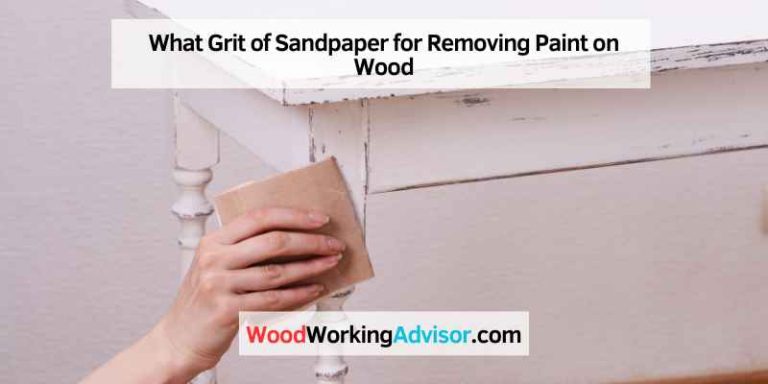
Use sandpaper for rough areas on the walls. Hold the sandpaper firmly. Rub it over the rough spots until smooth. Be gentle to avoid damage. Always sand in a circular motion. This helps in getting an even surface. After sanding, brush away dust. Check the wall with your hand. If it feels smooth, you are ready to paint.

Credit: millenniumldn.co.uk
Priming The Surface
Picking the right primer is crucial. It helps the paint stick well. Choose a primer that suits your wall type. For wood, use a wood primer. For metal, a metal primer works best. This ensures a smooth and even finish. Always check the primer label for details. Some primers are good for outdoor use. This protects against weather damage.
Use a long-handled roller for high areas. This helps reach without scaffolding. A brush is good for small spots and edges. Always start from the top and move down. This prevents drips on painted areas. Apply the primer evenly. Avoid thick layers; they may crack. Let the primer dry completely before painting. This ensures the paint lasts longer.
Painting Techniques
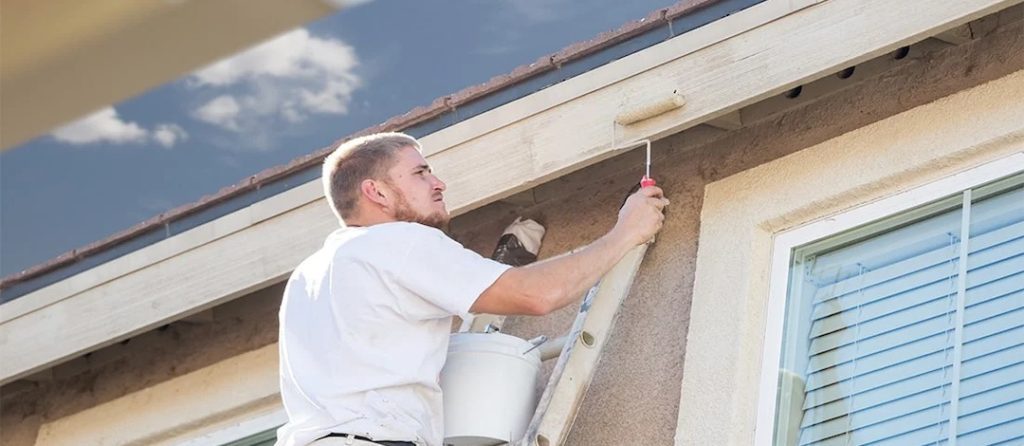
Extension poles help reach high places without ladders. They attach to rollers and brushes easily. Use a sturdy pole for safety. Make sure it’s long enough for your walls. Poles can be adjusted to different lengths. This makes painting high areas simple. Always secure the pole tightly to the tool. This prevents accidents while painting.
Rollers cover large areas fast. They are great for walls and flat surfaces. Brushes work best for edges and details. Use them near windows and doors. Brushes give more control and precision. Choose the right tool for each part of the job. This saves time and gives a better finish.
Start with a base coat for a smooth finish. Let it dry completely. Apply a second layer for vibrant color. Use a third coat if needed. Ensure each layer dries before the next. This prevents smudging and mistakes. A clear topcoat adds shine. It also protects the paint from weather damage.

Credit: www.stellarscaffolding.com
Dealing With Hard-to-reach Areas
Ladders are perfect for reaching high spots. Choose the right size. It’s important to check the ladder’s stability. Safety gear like gloves and helmets protect you. Always wear non-slip shoes. Keep paint buckets close but secure. Never lean too far on the ladder. Work slowly and carefully. This way you stay safe.
Extension poles help in painting tall walls. They extend paintbrush reach. Paint rollers attach to poles easily. Use rollers for smooth surfaces. Corner brush works for edges. This tool paints corners well. It’s handy for tricky spots. Spray guns cover large areas fast. They need practice for good results. Always practice with spray guns first.
Post-painting Care
Painting the house exterior without scaffolding requires careful planning. Use ladders and extension poles for hard-to-reach areas. Ensure safety and proper equipment to achieve a smooth finish.
Cleaning Tools
Start by gathering all used brushes and rollers. Rinse them well in warm water. Use soap to remove paint from bristles. Dry them with a clean cloth. This keeps them ready for next use. Store them in a dry place. Check them for any damage. Replace any broken tools promptly. Proper care extends their life.
Inspecting The Finish
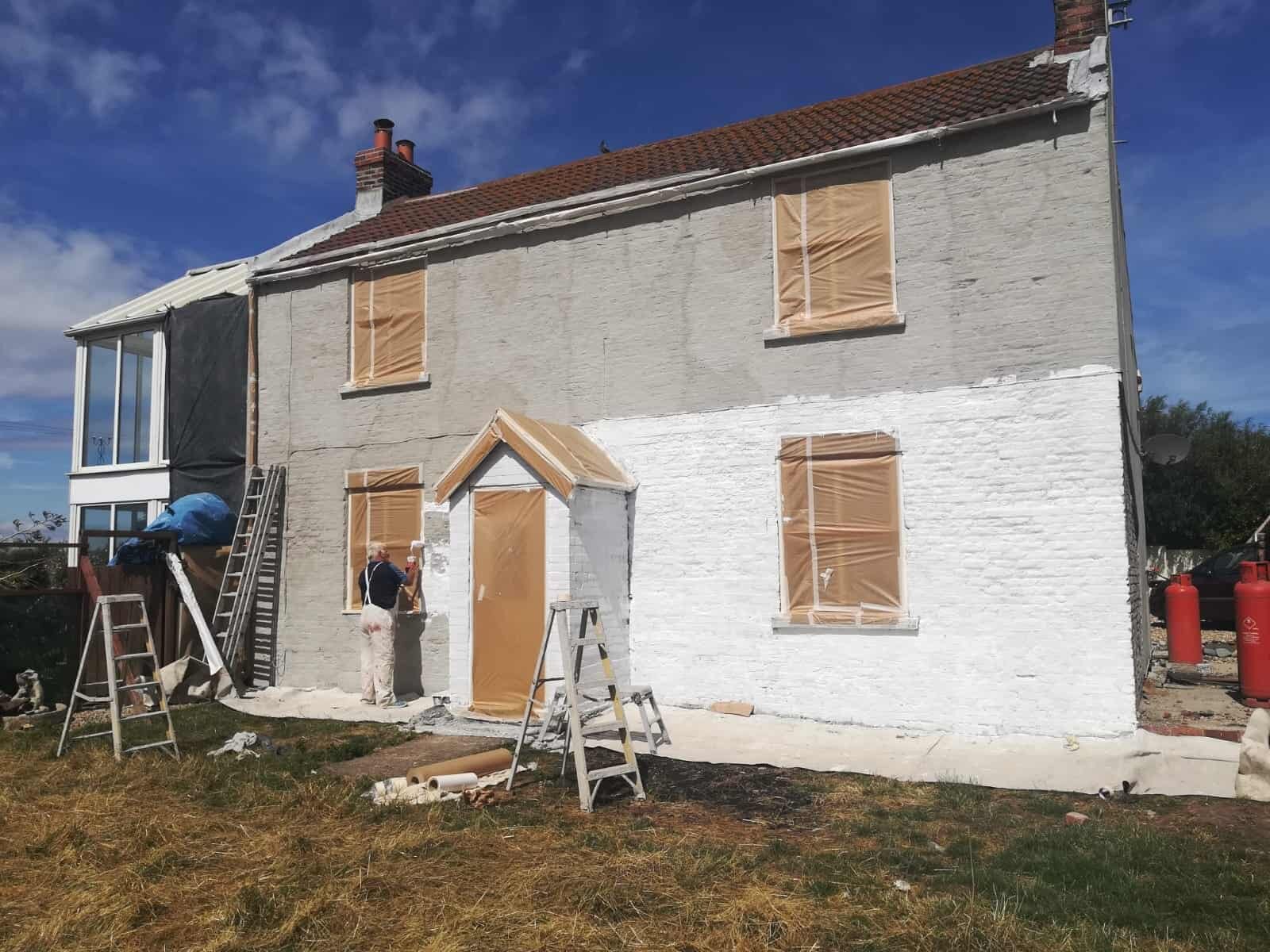
Look carefully at the painted walls. Check for any missed spots. Ensure the paint is even. Feel the surface for rough areas. Smooth them with gentle sandpaper. Check corners and edges closely. Make sure paint covers them well. Fix any mistakes quickly. This keeps the house looking nice. Regular checks prevent bigger issues later.
Credit: www.neverpaintagain.co.uk
Frequently Asked Questions
What Is The Fastest Way To Paint The Exterior Of A House?
Use a paint sprayer for speed and efficiency. Clean and prep the surface thoroughly. Choose high-quality exterior paint. Ensure weather conditions are suitable for painting. Work in sections to maintain consistency and avoid drying lines.
How To Paint High Places Without A Ladder?
Use an extension pole with a paint roller to reach high places. Choose a lightweight, adjustable pole for ease. Utilize a paint sprayer for efficient coverage on elevated surfaces. Consider using scaffolding for stability when painting large areas. Ensure safety by wearing protective gear and working with a partner if possible.
Do You Need Scaffolding To Paint?
Scaffolding is not always necessary for painting. It depends on the height and accessibility of the area. For high or hard-to-reach spots, scaffolding ensures safety and efficiency. Ladders or extension poles can suffice for lower areas. Always prioritize safety when choosing equipment for painting tasks.
Can You Paint The Exterior Of A House By Hand?
Yes, you can paint a house exterior by hand. Use brushes and rollers for precision and control. It requires patience and time, but offers detailed coverage. Ensure proper preparation and high-quality paint for best results. Hand painting provides a personal touch and is effective for small to medium-sized projects.
Conclusion
Painting your house without scaffolding is possible with the right tools. Use ladders, extension poles, and safety gear for a smooth process. Take your time and ensure even brush strokes. Safety should be a priority. Check the weather before starting to avoid mishaps.
Regular breaks help maintain energy and focus. Keep all necessary tools handy to avoid frequent trips up and down. With patience and care, you can achieve a fresh, appealing look for your home. Enjoy the satisfaction of doing it yourself, safely and efficiently.
Your house will shine with its new coat of paint.