What to Put Over Painted Cabinets to Prevent Chipping (2026)
The best things to put over painted cabinets to prevent chipping are water-based polycrylic (most durable for kitchen cabinets), polyurethane (hardest finish, slightly yellows over white paint), and clear furniture wax (easiest to apply, least durable). For painted kitchen cabinets that see daily use, polycrylic is the top choice — it doesn’t yellow, dries fast, and resists moisture, grease, and impact far better than wax.
⚡ Quick Answer: Best Topcoats Over Painted Cabinets
| Product Type | Durability | Best For | Yellowing? |
|---|---|---|---|
| Water-based Polycrylic | ⭐⭐⭐⭐⭐ | Kitchen cabinets, white/light paint | No |
| Oil-based Polyurethane | ⭐⭐⭐⭐⭐ | Dark colors, heavy-use cabinets | Yes — avoid on white |
| Water-based Polyurethane | ⭐⭐⭐⭐ | Furniture, low-traffic cabinets | Minimal |
| Furniture Wax (clear) | ⭐⭐⭐ | Chalk paint, furniture (not kitchens) | No |
| Cabinet-specific topcoat (Zinsser, Cabinet Coat) | ⭐⭐⭐⭐ | All-in-one paint+topcoat, one-coat | No |
To prevent chipping on painted cabinets, apply a high-quality clear topcoat or polyurethane finish. These products create a durable protective layer, enhancing longevity.
Painted cabinets can elevate your kitchen’s aesthetic, but chipping can ruin their appeal. Maintaining their pristine look is essential for both functionality and design. A protective layer can safeguard your cabinets from daily wear and tear. Choosing the right finish not only enhances durability but also adds a touch of elegance.
Clear topcoats and polyurethanes offer strong protection and are easy to apply. They resist scratches and stains, making your cabinets look new for years. Investing time in this protective step ensures your painted cabinets remain a stunning focal point in your home. Prioritize their care to enjoy their beauty longer.
If your cabinets still have old paint on them, strip that off first with our guide on how to get paint off wood cabinets before applying a fresh coat and topcoat.
Introduction To Cabinet Protection
Best Non-Yellowing Topcoat for Painted Cabinets
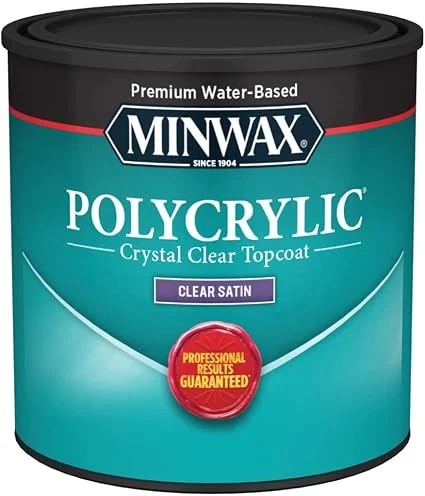 |
Minwax Polycrylic Protective Finish, Clear Satin – $11.79 This guide lists water-based polycrylic as the most durable topcoat for painted kitchen cabinets – this is the exact product type recommended.
|
Protecting painted cabinets is essential for maintaining their beauty and longevity. Chipping can ruin the look of your cabinets and lead to costly repairs. Understanding the importance of this protection helps you make better choices.
Common causes of chipping include:
- Regular wear and tear from daily use.
- Heat exposure from stoves or ovens.
- Moisture from spills or humidity.
- Using harsh cleaning products on surfaces.
Taking steps to prevent chipping can save time and money. Investing in proper protection keeps your cabinets looking fresh and vibrant.
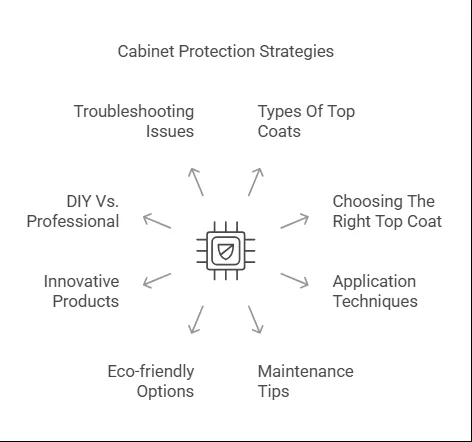
Types Of Top Coats For Cabinets
Choosing the right top coat can protect painted cabinets. Different varnish options offer unique benefits. These products create a strong barrier against chipping and damage.
| Type | Characteristics |
|---|---|
| Polyurethane | Durable, water-resistant, and ideal for high-traffic areas. |
| Lacquer | Quick drying, smooth finish, and easy to apply. |
Polyurethane is a popular choice for its strength. It protects against scratches and moisture. Lacquer offers a sleek look but may require more frequent touch-ups.
Selecting the right finish is key for long-lasting cabinets. Both options provide excellent protection. Evaluate your needs to find the best fit.
Choosing The Right Top Coat
Assess your cabinet usage to choose the right top coat. High-traffic areas need stronger protection. Lightly used cabinets can work with a simpler finish.
Match the top coat to your paint type. Some paints need specific top coats for best results. Always check compatibility before applying.
Sheen and finish are crucial. A glossy finish offers more durability but shows fingerprints easily. A satin finish hides imperfections better but may not be as tough.
Application Techniques For Longevity
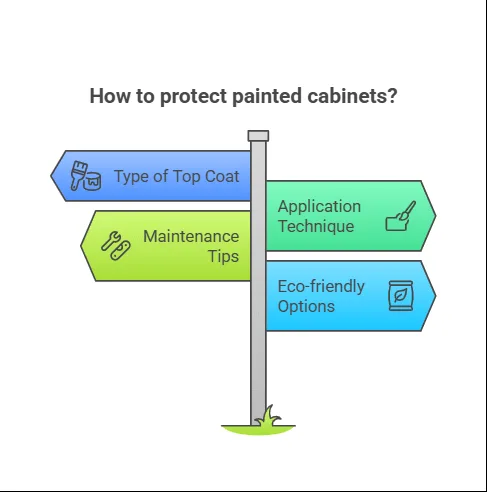
Preparation is key for long-lasting results. Clean the cabinets thoroughly to remove dust and grease. Use a fine-grit sandpaper to smooth the surfaces. This helps the top coat stick better.
Both brush and spray applications have their benefits. A brush allows for more control, especially in corners. Spraying provides a smooth, even finish but requires practice. Choose what suits your skill level.
Drying times vary based on conditions. Warm, dry air speeds up drying. Humidity can slow down the process. Always check the manufacturer’s instructions for specific drying times.
Maintenance Tips For Painted Cabinets
To keep painted cabinets looking great, regular cleaning is key. Use a soft cloth and mild soap. Avoid harsh chemicals that can damage the paint.
For touch-ups, keep some matching paint handy. Apply it with a small brush for best results. This helps cover any scratches or chips quickly.
Prevent damage by placing mats under heavy objects. Avoid dragging items across the surface. Always use coasters for drinks to stop moisture damage.
Be cautious with heat. Hot pans can cause paint to bubble. Use trivets or heat pads to protect your cabinets.
Eco-friendly And Safe Options
Choosing a water-based top coat offers many benefits for painted cabinets. It dries quickly and has a low odor. This option is also easy to clean with soap and water.
Low-VOC formulas are great for indoor use. They produce fewer harmful chemicals, making your home safer. These formulas also reduce air pollution, benefiting both health and the environment.
Natural alternatives include beeswax and plant-based oils. These options are safe and eco-friendly. They protect cabinets while enhancing the wood’s natural beauty.
Innovative Products On The Market
Many innovative products are available to protect painted cabinets. New formulations offer better durability and resistance to chipping. Brands like Zinsser and Rust-Oleum provide excellent options for cabinet protection.
| Brand | Product Name | Key Features |
|---|---|---|
| Zinsser | Clear Shell | Water-resistant, quick-drying, non-yellowing |
| Rust-Oleum | Protective Finish | Scratch-resistant, easy to apply, long-lasting |
User reviews highlight the effectiveness of these products. Many users mention improved durability and smoother finishes. Feedback often praises easy application and quick drying times.
DIY Vs. Professional Application
Choosing between DIY and a professional application can be tough. DIY offers cost savings and flexibility. You can work at your own pace. Yet, it often requires time, effort, and some skills. Mistakes can lead to costly repairs.
Hiring a professional ensures a high-quality finish. They have the right tools and experience. This option is less stressful but often comes with a higher price tag. Consider the complexity of the job when deciding.
| Pros of DIY | Cons of DIY |
|---|---|
| Cost-effective | Risk of mistakes |
| Flexible timing | Requires skills |
Cost considerations vary widely. DIY materials are usually cheaper. Professional services can be a significant investment. Weigh your budget against the desired quality.
Troubleshooting Common Issues
Peeling and flaking can happen after painting cabinets. To fix this, clean the surface well. Use a fine sandpaper to smooth the edges. Apply a good primer before repainting — for the full breakdown of why cabinet paint peels and how to prevent it, see our dedicated guide. This helps the paint stick better.
Stain resistance is key for painted cabinets. Choose high-quality, stain-resistant paint. Regularly wipe spills quickly to prevent stains. Use a protective coat to help resist dirt and grime.
| Type of Damage | Repair Method |
|---|---|
| Chips | Fill with wood filler and sand smooth. |
| Scratches | Use touch-up paint for small scratches. |
Conclusion: Ensuring Durability And Aesthetics
To keep painted cabinets looking great, use high-quality top coats. These products protect against chipping and wear. Consider using polyurethane or polycrylic for a durable finish.
Regular maintenance is key. Clean cabinets with a gentle cleaner and soft cloth. Avoid harsh chemicals that can damage the paint.
Always test any product on a small area first. This ensures compatibility with the cabinet’s finish.
For long-lasting results, reapply the top coat every few years. This helps maintain both durability and aesthetics.
Choose a finish that suits your style, whether it’s matte, satin, or glossy. Each finish offers a unique look and feel.
Frequently Asked Questions
What Is The Best Finish For Painted Cabinets?
The best finish for painted cabinets is a durable polyurethane or acrylic topcoat. These finishes provide a protective layer, preventing chipping and wear. Look for water-based options for easier application and a quicker drying time. Always ensure proper surface preparation before applying your chosen finish for optimal results.
How To Prevent Chipping On Painted Cabinets?
To prevent chipping on painted cabinets, apply a high-quality topcoat. Use cabinet hardware that minimizes wear, and avoid heavy objects on surfaces. Regular maintenance, like cleaning with mild detergents, also helps. Additionally, consider using soft-close hinges to reduce impact when closing cabinet doors.
Can I Use Wax Over Painted Cabinets?
Yes, you can use wax over painted cabinets, but it’s not always recommended. Wax provides a beautiful finish but may require frequent reapplication. It offers limited protection against scratches and heat. For better durability, consider using a polyurethane or acrylic topcoat instead for long-lasting results.
How Often Should I Reapply The Protective Coat?
Reapply the protective coat every 2-3 years, depending on wear. High-traffic areas may need more frequent applications. Regular inspections help identify areas needing touch-ups. Ensure the surface is clean and lightly sanded before reapplication for the best adhesion and results.
Why Painted Cabinets Chip (And How a Topcoat Prevents It)
Cabinet paint chips when the paint film is too thin or too hard to flex with the wood underneath. Cabinets in kitchens see thermal cycling (heat from the stove/dishwasher), moisture, and daily impact from handles, dishes, and fingernails. A topcoat adds a sacrificial layer that absorbs impact and seals the paint against moisture penetration — both of which are the primary causes of chipping and peeling.
The mistake most DIYers make: applying wax over latex paint. Wax provides almost no impact resistance. For kitchen cabinets, only polycrylic or polyurethane provide the durability needed. Wax is fine for chalk-painted furniture in a bedroom; it will fail on a kitchen cabinet within months.
How to Apply a Topcoat Over Painted Cabinets
- Wait for paint to fully cure — latex paint is dry in 2 hours but takes 30 days to fully harden. Apply topcoat after at least 2 weeks, ideally 30 days. Applying too soon traps solvents.
- Lightly sand between coats — 320-grit between coats of polycrylic knocks down dust nibs and improves adhesion. Wipe dust with a tack cloth before each coat.
- Apply thin coats — 2–3 thin coats outperform 1 thick coat. Thick coats sag, dry cloudy, and are more prone to cracking.
- Use a foam roller or synthetic brush — foam rollers leave minimal texture; synthetic brushes (not natural bristle) work with water-based topcoats. Natural bristle absorbs water and goes limp.
- Don’t shake the can — stir polycrylic gently. Shaking creates bubbles that dry into the finish and show as a cloudy haze.
Best Products to Put Over Painted Cabinets
Sponsored / affiliate links. As an Amazon Associate I earn from qualifying purchases. I may earn additional commission from eligible campaigns.