How to Remove Paint From Wood Without Damaging It
The wood underneath old paint is almost never as damaged as it looks — what actually gouges, raises the grain, or discolors bare wood is usually the removal method, not the paint itself. Sanding through the finish into open grain, using a heat gun too hot for too long in one spot, or letting a caustic stripper sit past its working time are the three ways people hurt the wood while trying to save it. Here’s how to strip paint without any of that happening.
Pick the Method Based on the Wood, Not Just the Paint
Best Stripper for Not Damaging Wood
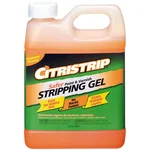 |
Citristrip Paint & Varnish Stripping Gel, 1 Quart – $19 A citrus-solvent gel that softens multiple layers of paint without the caustic bite that darkens or blotches bare wood.
|
The three real options are chemical stripper, a heat gun/plate, and abrasion (sanding or scraping) — and the safest choice depends more on what’s under the paint than what’s in it. Softwood (pine, fir) dents and gouges easily, so scraping pressure has to be lighter and heat exposure shorter. Hardwood (oak, maple) tolerates more aggressive mechanical work but shows scorch marks from a heat gun more visibly because the grain is tighter. Veneer changes everything: it’s typically 1/32 to 1/16 inch thick, and any method that removes material — sanding, aggressive scraping — risks going straight through it. On veneer, chemical stripper applied gently is almost always the right call.
Chemical Stripping Without Gouging or Staining the Wood
A citrus-based or soy-based stripping gel is the safest starting point for most furniture and trim — it’s slower than a lye-based (caustic) stripper but far less likely to darken the wood or raise the grain the way a strong alkaline stripper can, especially on oak, which reacts with alkaline chemicals and can blotch gray or dark. Apply a thick, even coat (thin coats just dry out before they finish working), and resist the urge to scrape early — most gel strippers need 20-30 minutes of dwell time before the paint actually lifts, and scraping too soon just drags a half-softened layer around and gouges the surface underneath it.
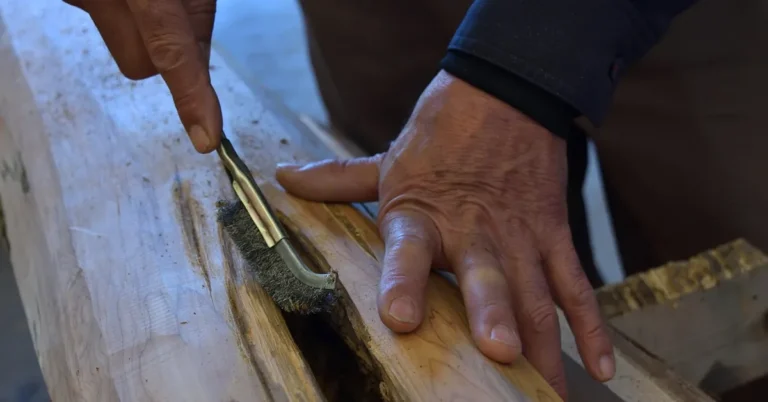
Use a plastic or wooden scraper, not metal, for the actual lifting pass — metal scrapers are what put the gouges in bare wood that people blame on “the paint removal process” when it was really the tool. For stubborn paint in carved details or moulding profiles, a brass-bristle brush or an old toothbrush with the stripper still wet lifts paint out of grooves without digging into them.
Heat Guns: The Method Most Likely to Scorch Wood
A heat gun softens paint fast, which is exactly why it’s also the easiest way to scorch bare wood if you’re not careful. Keep the nozzle moving constantly — two to three seconds over any one spot before moving on — and hold it 2-3 inches off the surface rather than close and slow. The moment paint starts to bubble (not smoke), scrape immediately; waiting for more bubbling just adds heat exposure to the wood underneath with no benefit to paint removal. A heat plate (rather than a gun) distributes heat more evenly and is genuinely lower-risk for beginners, though it’s slower on detailed profiles.
Never use a heat gun on anything that might have lead paint (common in any home built before 1978) — heat vaporizes lead into an inhalable form, which is more dangerous than the dust from sanding it. For pre-1978 paint of unknown composition, use a chemical stripper or wet-sanding instead, and consider a lead test kit first; they run about $10-15 and take minutes.
After the Paint Is Off: Neutralize Before You Refinish
Chemical strippers leave a residue that will interfere with new stain or finish adhesion if you skip this step. Wipe the surface with mineral spirits (for solvent-based strippers) or a water rinse followed by full drying time (for water-rinsable gels), per the product’s label — don’t assume all strippers neutralize the same way. Let the wood dry fully, then do a very light hand-sand with 220-grit, just enough to knock down any raised grain, before staining or painting again.
Frequently Asked Questions
What removes paint from wood without damaging it?
A citrus- or soy-based stripping gel is the lowest-risk method for most furniture and trim, since it softens paint without the caustic reaction that can darken or blotch bare wood. Apply a thick coat, let it dwell 20-30 minutes, then lift with a plastic or wood scraper rather than metal.
Can a heat gun damage wood while removing paint?
Yes, if the nozzle sits in one spot too long. Keep it moving constantly and scrape as soon as paint bubbles rather than waiting for more bubbling, which adds heat exposure without helping. Avoid heat guns entirely on pre-1978 paint that hasn’t been tested for lead.
Is sanding safe for removing paint from wood?
Only with light pressure and fine grit, and never on veneer, which is often just 1/32 to 1/16 inch thick and can be sanded through in seconds. On solid wood, sanding works but tends to round over crisp edges and detail if you’re not careful with pressure.
Sponsored / affiliate links. As an Amazon Associate I earn from qualifying purchases. I may earn additional commission from eligible campaigns.