How to Prep MDF: Expert Tips for Perfect Finish
Ever wondered why your MDF projects don’t turn out as smooth and polished as you’d hoped? You might be missing a crucial step: proper preparation.
Whether you’re diving into a DIY home renovation or tackling a professional woodworking project, knowing how to prep MDF can be the difference between a masterpiece and a mess. Imagine the satisfaction of running your hand over a perfectly smooth surface, free of bumps and blemishes, and receiving compliments on your flawless finish.
You deserve to see your hard work shine! We’ll guide you through simple, effective steps to prep MDF like a pro, ensuring your projects not only look great but stand the test of time. Let’s transform your MDF experience from frustrating to fabulous. Read on to discover how!
Choosing The Right Mdf
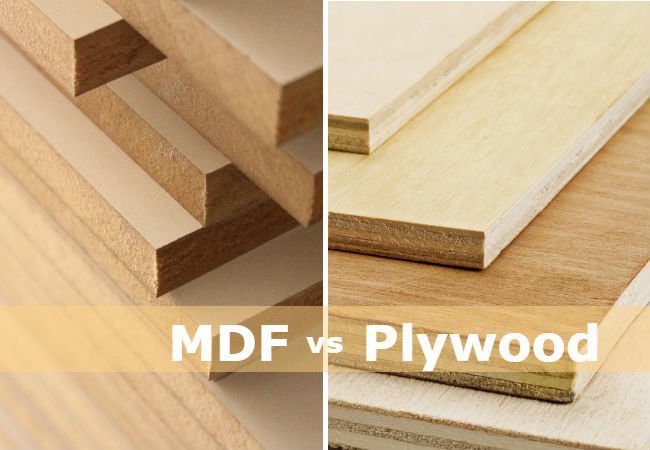
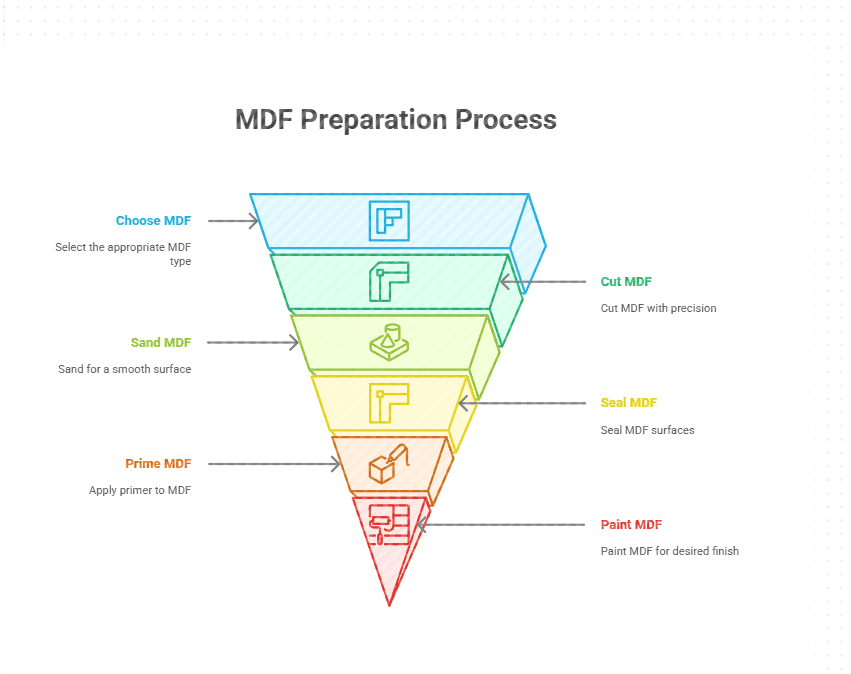
MDF stands for Medium-Density Fiberboard. It is a type of wood product. MDF is made from wood fibers. These fibers are mixed with resin. Then, they are pressed into sheets. There are different MDF types. Some are for indoor use. Others are for outdoor projects. It’s important to choose the right type. This helps your project last longer.
Quality MDF boards are smooth and even. Look for boards with no bumps. Check for any cracks. A good board has none. Test the board’s strength. Bend it a little. It should not break easily. Also, the color should be even. Dark spots may mean poor quality. Always choose the best board you can find.

Credit: m.youtube.com
Cutting Mdf With Precision
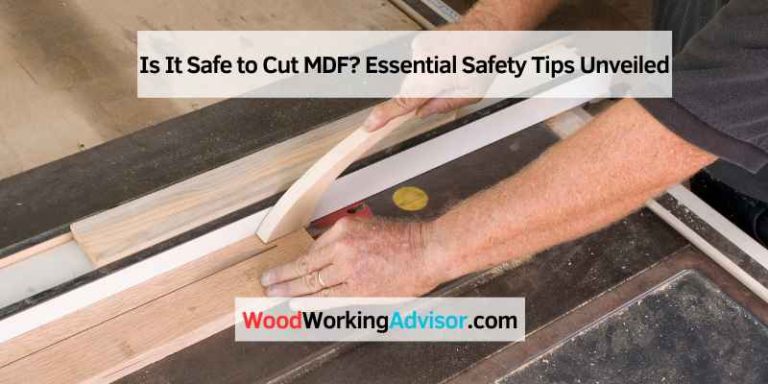
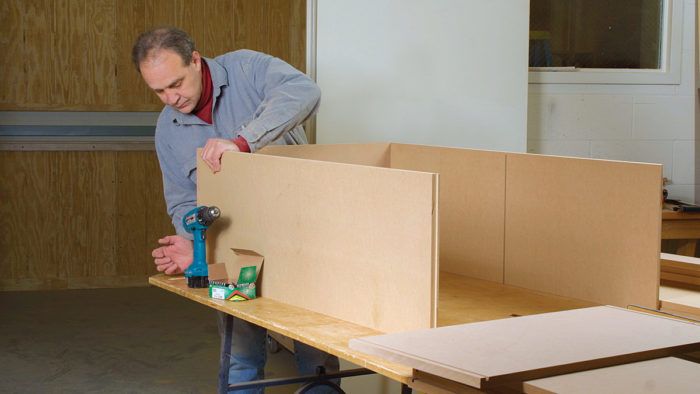
Cutting MDF needs the right tools. A circular saw is great for straight cuts. For curves, use a jigsaw. A router helps with clean edges. Sandpaper smooths rough spots. Safety goggles protect your eyes. Dust mask keeps you safe from tiny particles. Always measure twice before cutting.
Clean edges make your work neat. Use a sharp blade. A dull blade can tear the MDF. Cut slowly to avoid chipping. A straightedge helps guide your cuts. Sand the edges after cutting. This removes rough bits. Use fine sandpaper for best results. Always work in a well-lit area.
Sanding For A Smooth Surface
Preparing MDF for a smooth finish involves careful sanding with fine-grit sandpaper. Start with 120-grit to remove any roughness. Then, use 180-grit for a finer surface. Always sand in the direction of the grain to avoid scratches.
Choosing The Right Sandpaper
MDF needs careful sanding. Pick sandpaper with the right grit. Start with coarse grit like 80 for rough spots. Then, use medium grit like 120 for smoother areas. Finally, use fine grit like 220 for a smooth finish. This helps get rid of scratches.
Effective Sanding Techniques
Sand in the same direction as the wood grain. Use a sanding block for even pressure. Avoid using just your hands. Move the block back and forth, not in circles. Check often for smoothness. Don’t sand too much. This keeps the MDF strong.
Sealing Mdf Surfaces
Sealing MDF keeps it safe from water. Water can hurt MDF. Sealed MDF lasts longer. It stays strong and looks nice. Unsealed MDF can swell. It can break apart. Sealing keeps dust away, too. Dust can make MDF dirty. A clean surface is better for painting. Paint sticks well to sealed MDF.
| Type | Features |
|---|---|
| Shellac | Dries fast, easy to use |
| Polyurethane | Strong and durable |
| Water-based | Low smell, easy clean-up |
Priming Mdf
MDF absorbs paint quickly. This can lead to uneven surfaces. Priming helps seal the surface. It makes the surface smooth and ready for paint. Without priming, paint can chip and crack. It also helps prevent moisture damage. Priming keeps MDF strong and long-lasting. It saves time and money in the future. A good primer is key.
| Primer Type | Features |
|---|---|
| Oil-based Primer | Seals well, durable finish |
| Water-based Primer | Dries fast, easy to use |
| Shellac Primer | Blocks stains, dries quickly |
Painting Mdf
MDF needs special paint for best results. Acrylic paint works well on MDF. It’s easy to find in stores. Oil-based paint is another option. It gives a smooth finish.
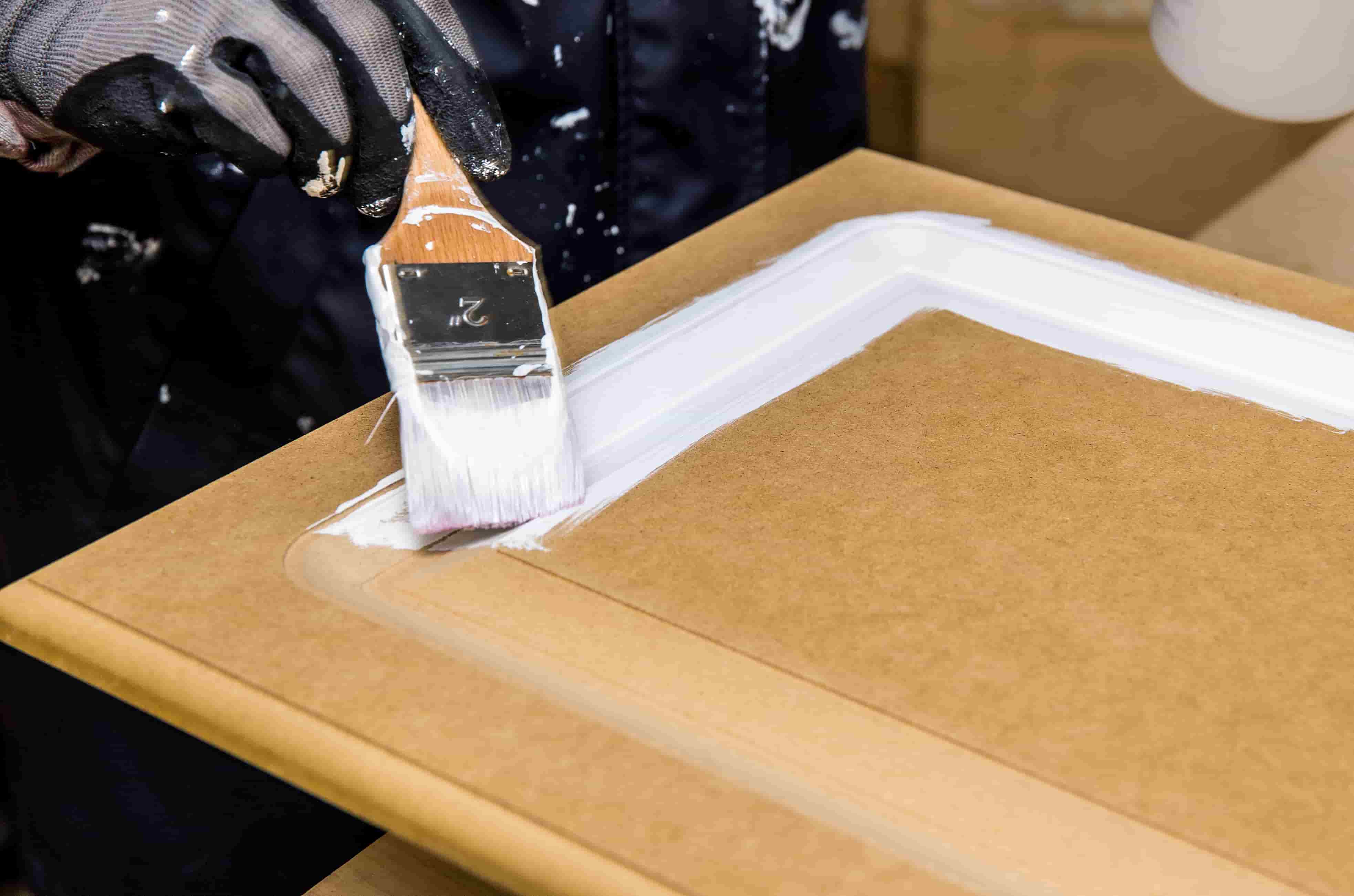
Primer is very important. Always use a primer before painting. It helps the paint stick better.
Start with a clean surface. Dust can ruin the finish. Use a soft cloth to wipe it. Apply the primer first. Let it dry completely.
Use a roller for large areas. A brush is good for corners. Apply paint in thin layers. This helps it dry faster.
Two coats of paint are usually enough. Make sure the first coat is dry before adding the next.
Achieving A Perfect Finish
Achieving a flawless finish on MDF requires careful preparation. Sand the surface gently to smooth rough spots. Apply primer evenly to seal pores and improve paint adhesion.
Finishing Techniques
Sand the MDF surface with fine sandpaper. This removes rough edges. Clean the dust with a damp cloth. Apply a coat of primer. Use a roller or brush for even coverage. Let the primer dry completely. Once dry, sand lightly again. This makes the surface smooth. Apply the first coat of paint. Choose a paint suitable for MDF. Wait for it to dry. Apply a second coat for a richer finish. Let the final coat dry fully. Always work in a well-ventilated area. This ensures safety and a good finish.
Common Mistakes To Avoid
Never skip the primer step. Primer helps paint stick better. Avoid using water-based paints directly. They can swell the MDF. Do not rush the drying process. Be patient for best results. Sanding between coats is important. It gives a smooth finish. Do not over-sand the surface. It can damage the MDF. Always use the right type of paint. This prevents peeling or bubbling. Follow these tips for a perfect finish.

Credit: mdfskirtingworld.co.uk
Maintaining Mdf Surfaces
Keep MDF surfaces clean with a soft cloth. Dust can scratch the surface. Use a damp cloth for stubborn dirt. Avoid soaking the MDF, as it can warp. A mild soap can help with sticky spots. Dry the surface well after cleaning. This keeps the MDF in good shape. Never use harsh chemicals on MDF. They can damage the finish. Regular cleaning keeps MDF looking new.
Small scratches are easy to fix. Use a color-matched crayon or marker. Fill the scratch gently. For deeper scratches, use wood filler. Sand the area after it dries. This makes the surface smooth. Paint over the repair to match the MDF. Chips in the MDF need special glue. Apply the glue and press the chip back. Wait for it to dry completely. These steps help maintain your MDF.
Credit: mdfskirtingworld.co.uk
Frequently Asked Questions
What Is The Best Way To Prep Mdf?
Clean MDF with a damp cloth. Apply a primer suitable for MDF to ensure even paint adherence. Sand the surface lightly with fine-grit sandpaper. Remove dust thoroughly. Choose high-quality paint for a smooth finish. Follow these steps for optimal preparation and lasting results on MDF surfaces.
Does Mdf Need To Be Sanded?
MDF needs sanding for a smooth surface before painting or sealing. Sand lightly to remove imperfections. Use fine-grit sandpaper to avoid damaging the material. Proper sanding ensures better adhesion of finishes and enhances durability. Always clean MDF after sanding to remove dust and prepare for the next step.
Can You Paint Directly On Mdf?
Yes, you can paint directly on MDF. First, seal the surface with a primer to prevent paint absorption. Use acrylic or latex paints for best results. Sanding before priming ensures a smooth finish. Choose high-quality brushes or rollers for an even application.
Proper preparation leads to a durable and attractive painted MDF surface.
What Is The Best Way To Seal Mdf?
Seal MDF with a thin coat of sanding sealer or primer. Apply with a brush or spray. Sand lightly between coats for smoothness. Finish with paint or varnish for durability and aesthetics.
Conclusion
Prepping MDF can seem daunting, but it’s manageable with the right steps. Always sand the surface for smoothness. A good primer is essential to seal MDF. Choose the right paint for a lasting finish. Ensure all tools are ready before starting.
Take your time to avoid mistakes. With practice, your skills will improve. Remember, preparation is key for success. Happy crafting with MDF!