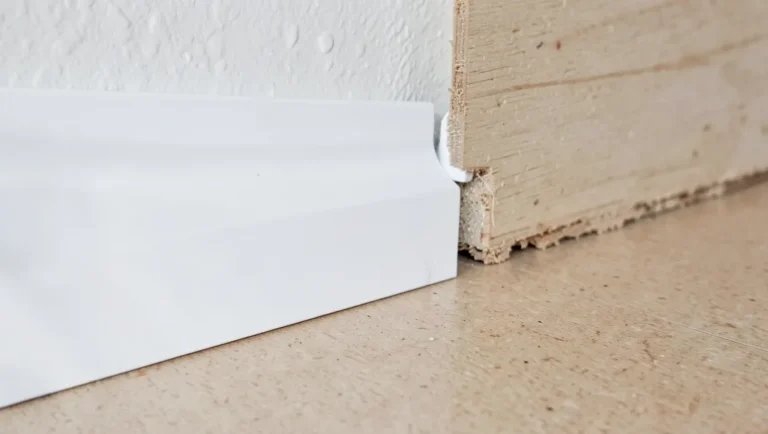
When Should You Not Use MDF? 6 Situations to Skip It
MDF fails wherever it meets water, sustained weight, or the outdoors — the fibers swell, sag, or rot instead of flexing like solid wood. A soaked bathroom shelf can lose its shape within days, and a loaded MDF bookcase can bow permanently in months. This guide covers the six situations to skip MDF, the ANSI moisture limits that prove it, and what to use instead.
Quick Answer
Skip MDF in bathrooms, kitchens, and anywhere else it can get wet; under heavy shelving, countertops, or stair treads; outdoors; and anywhere a joint gets screwed and unscrewed repeatedly. Use exterior-grade plywood, solid wood, or moisture-resistant MDF (MR-MDF) for those jobs instead.
1. Bathrooms, Kitchens, and Other Wet Areas
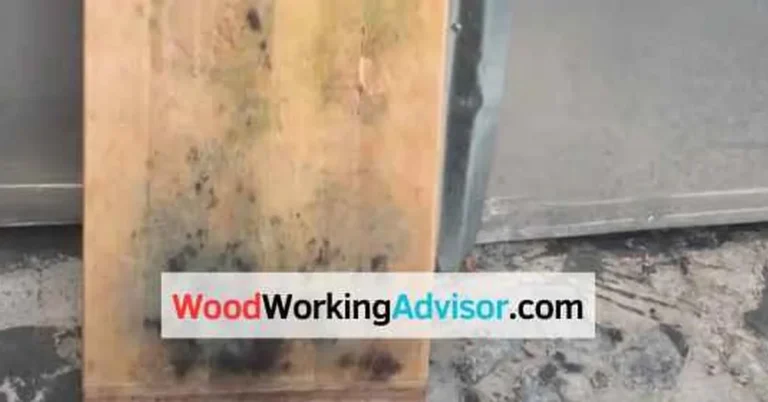
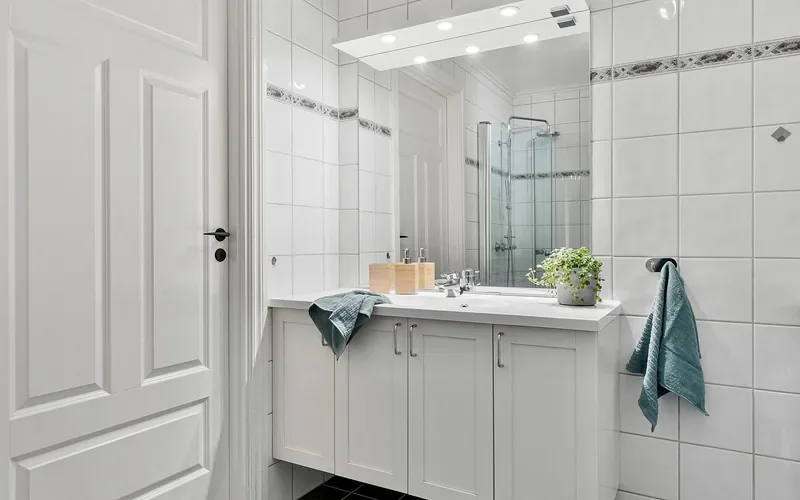
Standard MDF is not suitable for bathrooms, kitchens, laundry rooms, or any space with regular humidity or splashing. MDF (medium-density fiberboard) is made of wood fibers bound with resin under heat and pressure, and that fiber structure works like a sponge once it’s exposed to standing water or steam — it doesn’t just get wet on the surface, it draws moisture in along the whole cut edge.
Once water gets in, the damage doesn’t reverse the way it can with solid wood. The board swells, the edges go soft and crumbly, and paint or laminate on top starts to bubble and lift. A vanity cabinet or under-sink cabinet built from standard MDF can show visible swelling from a single slow leak left unnoticed for a week or two. If you want to know exactly how bad a specific leak or spill is, see our guide on how to dry out MDF — it also covers how to tell when the damage is too far gone to save.
If you specifically need MDF’s smooth, paintable surface in a bathroom, moisture-resistant MDF (MR-MDF, usually dyed green) is a real option — see our breakdown on using MDF in a bathroom for which grade to buy and where it still needs to stay away from direct water contact.
📊 Standard MDF is rated for up to 20% thickness swelling and 25% water absorption under ANSI A208.2 (Standard Grade); tempered grade caps swelling at 15%. — Source: Uniboard MDF technical data sheet, ANSI A208.2
MDF Dust Safety Pick
 |
3M 8210 N95 Particulate Respirator (20-Pack) – $18.46 Whenever MDF gets cut, trimmed to fit, or sanded — including trimming a replacement vanity panel in the wet-area retrofit above — the dust is fine enough to pass through a basic cloth or paper mask. This respirator is NIOSH-rated N95, which is what actually matters.
|
As an Amazon Associate we earn from qualifying purchases.
2. Load-Bearing Shelves, Stairs, or Structural Framing
MDF is not a structural material — it has no grain to distribute stress along, so it bends and creeps under sustained weight instead of holding a flat line the way plywood or solid lumber does. A long, unsupported MDF shelf loaded with hardcover books will visibly sag within a few months, and the sag doesn’t fully spring back even after you unload it.
Skip MDF for stair treads, floor sheathing, load-bearing shelving over about 24 inches unsupported, countertops, or anything framed to carry weight. We cover exact safe spans and weight limits by shelf thickness in how much weight MDF can actually hold — short version: cut supports every 16–20 inches if you use it for shelving at all, and use 3/4-inch plywood or solid wood past that.
3. Joints You’ll Screw and Unscrew More Than Once
MDF holds a screw reasonably well through its flat face the first time, but it loses grip fast at edges and on repeat use. Drive a screw, back it out, and drive it again in the same hole, and the compressed fibers around the threads don’t spring back — the hole gets sloppy and the screw stops biting.
Published wood-panel testing puts MDF face screw-holding in the 600–800 N range and edge screw-holding at roughly 400–600 N — noticeably better than particleboard’s 500–700 N face and 300–500 N edge numbers, but still well short of plywood, which holds screws through its cross-laminated layers even at the edge. In practice: avoid MDF for cabinet hinges, drawer slides, knock-down furniture, or anything you expect to disassemble and reassemble — use plywood, or pre-drill and add threaded inserts if MDF is otherwise the right material for the job.
“The first time I re-hung a cabinet door on MDF, the hinge screws just spun in place — the hole had already stripped from the original install. On MDF I always pre-drill undersized and use a threaded insert for anything that’ll come apart again; it’s the only fix that actually holds a second time.”
4. Outdoor Projects and Direct Weather Exposure
MDF has no outdoor-rated version in the way plywood has exterior grades. Rain and dew get in at every cut edge and fastener hole, sun exposure dries and cracks the resin binder, and freeze-thaw cycles in cold climates split the swollen fibers apart. Even a covered porch project is risky if it isn’t fully sealed on every face and edge.
Skip MDF for fences, deck trim, planters, exterior siding, or shutters. For a full breakdown of what happens if you try it anyway and which exterior materials to use instead, see can you use MDF outside.
5. Near Stoves, Fireplaces, or Other Heat Sources
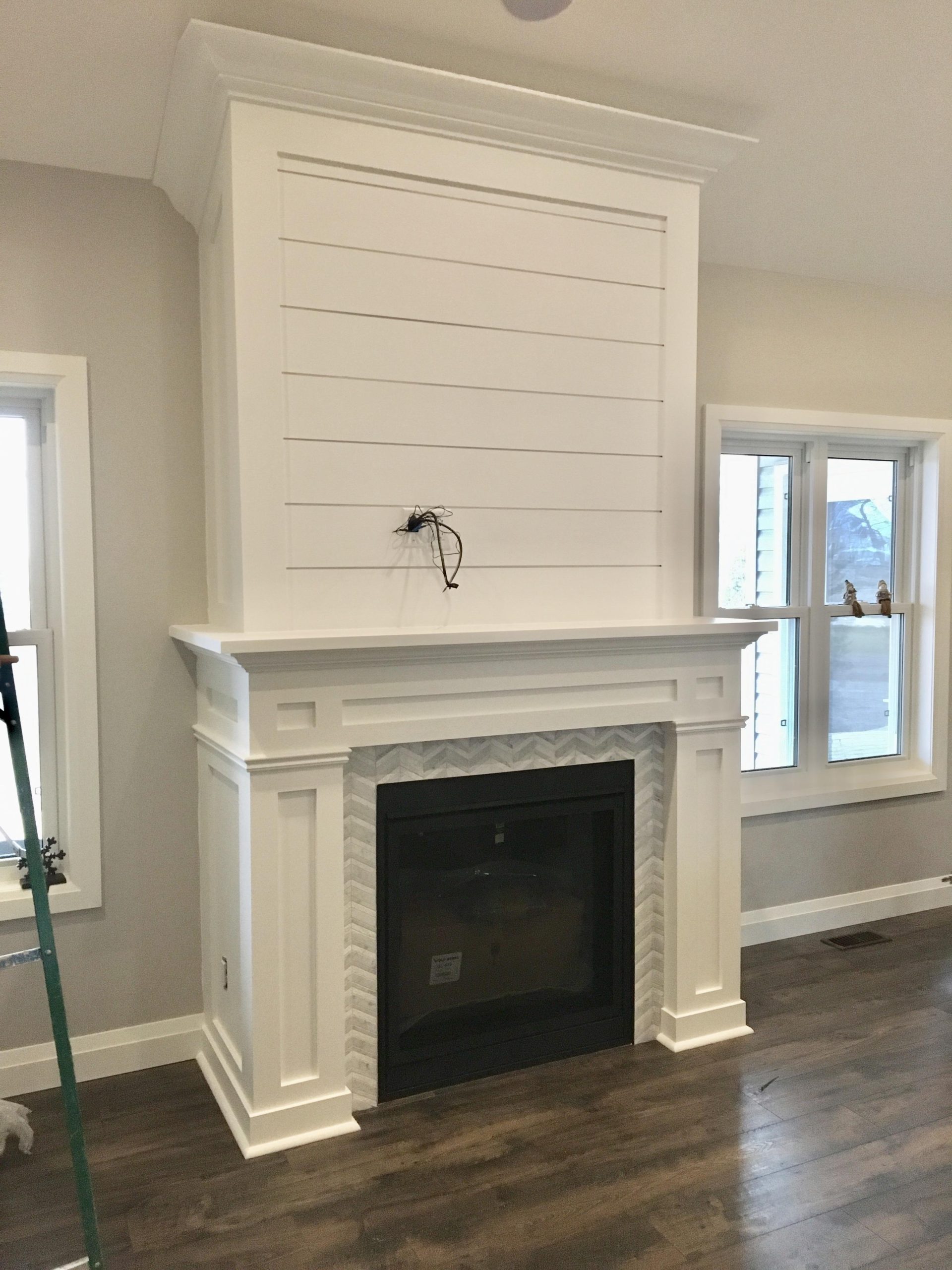
MDF is bound with a urea-formaldehyde or similar resin, and sustained heat softens that resin well before the board would visibly char. Cabinets or trim installed tight against ovens, wood stoves, or baseboard heaters can warp, delaminate at the surface, or release more formaldehyde off-gas than usual as the resin breaks down. Keep MDF at least a few inches clear of any direct heat source, and use a heat-rated backer board or metal shield if the layout doesn’t allow it.
6. Projects That Need a Real Wood-Grain Stain
MDF has no grain, so liquid wood stain doesn’t soak in and highlight anything — it sits on the surface unevenly, and the fiber face often drinks stain in blotchy patches instead of an even tone. If a project is meant to show real wood grain under a stain (a stair rail, a tabletop, cabinet doors matched to existing stained trim), MDF is the wrong substrate no matter how well it’s prepped. It’s an excellent surface for paint, though, since it has no grain to telegraph through a painted finish.
For the situations where MDF is genuinely the right call — painted cabinets, interior trim, shelving with proper support, decorative panels — see our full rundown of what MDF is used for. And if you’re weighing MDF against plywood or solid wood for a specific project rather than ruling it out entirely, our MDF advantages and disadvantages guide covers the full trade-off, not just where it fails.
Frequently Asked Questions
What is MDF not good for?
MDF is not good for wet areas, outdoor use, load-bearing applications, or joints that get repeatedly screwed and unscrewed. It absorbs moisture and swells, lacks the structural strength of solid wood or plywood, and its fiber structure doesn’t grip screw threads well after repeated use.
Is MDF actually banned in the US?
No, MDF is not banned in the US. Formaldehyde emissions from composite wood products, including MDF, are regulated under the EPA’s TSCA Title VI rule, which sets emission limits manufacturers must meet before the board can legally be sold. Compliant MDF is labeled and widely available.
Where should you not use MDF trim?
Avoid MDF trim in bathrooms, basements, mudrooms, or any spot exposed to splashing or high humidity. Moisture causes MDF trim to swell and separate at the joints, and once that happens, sanding and repainting won’t fully restore the shape.
Can sealing MDF let you use it in a bathroom?
A fully sealed MDF panel can survive incidental humidity, but sealing rarely protects every cut edge and fastener hole long-term, and standard MDF still isn’t rated for direct water contact. For a wet bathroom application, moisture-resistant MDF (MR-MDF) sealed on all faces and edges is the safer version to use.
When should you use MDF instead of plywood or solid wood?
Use MDF for painted cabinets, interior trim, and decorative panels where its smooth, grain-free surface and easy machining matter more than raw strength or moisture resistance. It’s cheaper than plywood and cuts cleanly without chipping, which is why it’s the default choice for painted furniture and millwork.
Bottom Line
MDF earns its place in painted cabinets and interior trim, but it fails wherever it meets sustained moisture, real structural load, the outdoors, repeated fastening, heat, or a stain that needs to show grain. Match the material to the job using the six situations above, and MDF will hold up exactly as well as it’s supposed to — the failures almost always trace back to using it somewhere on this list.
Sponsored / affiliate links. As an Amazon Associate I earn from qualifying purchases. I may earn additional commission from eligible campaigns.