What is Better Than MDF: Discover Superior Alternatives
Whether something is “better than” MDF depends entirely on what you need: solid wood wins on strength and repairability, plywood wins on structural strength-to-weight and moisture resistance, HDF wins on density and screw-holding, and bamboo wins on sustainability – MDF’s own advantages (cost, smooth paintable surface, dimensional uniformity) mean it’s still the right call for plenty of projects. Here’s how each real alternative actually compares, not just a list of “better” options.
Solid Wood
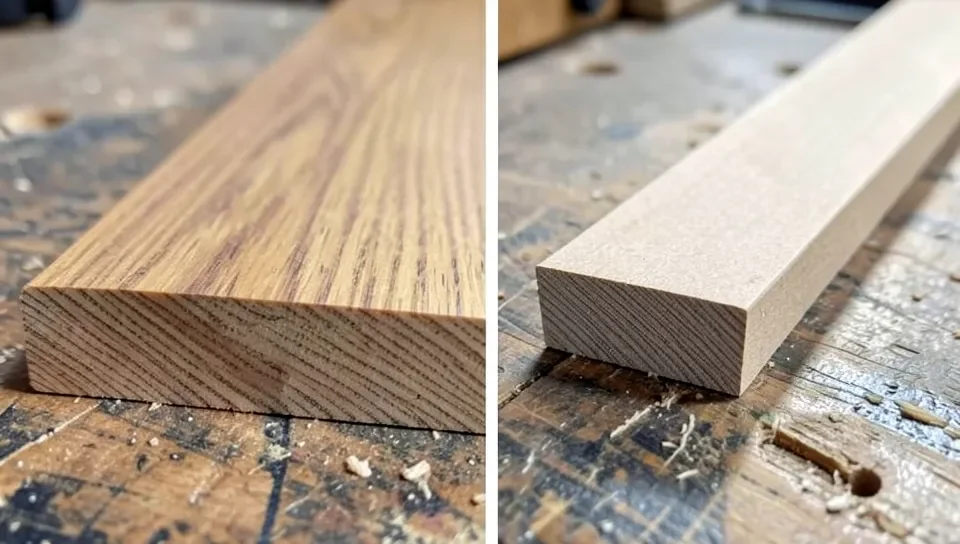
Oak, maple, and cherry are strong, repairable (sand out a scratch, MDF can’t do that), and age with real character. Softer species like pine, cedar, and spruce are lighter and easier to work but dent more easily. Solid wood costs more than MDF, moves seasonally with humidity (MDF doesn’t), and needs more finishing skill to get a smooth result – but nothing beats it for a piece meant to be repaired and refinished for decades.
Plywood
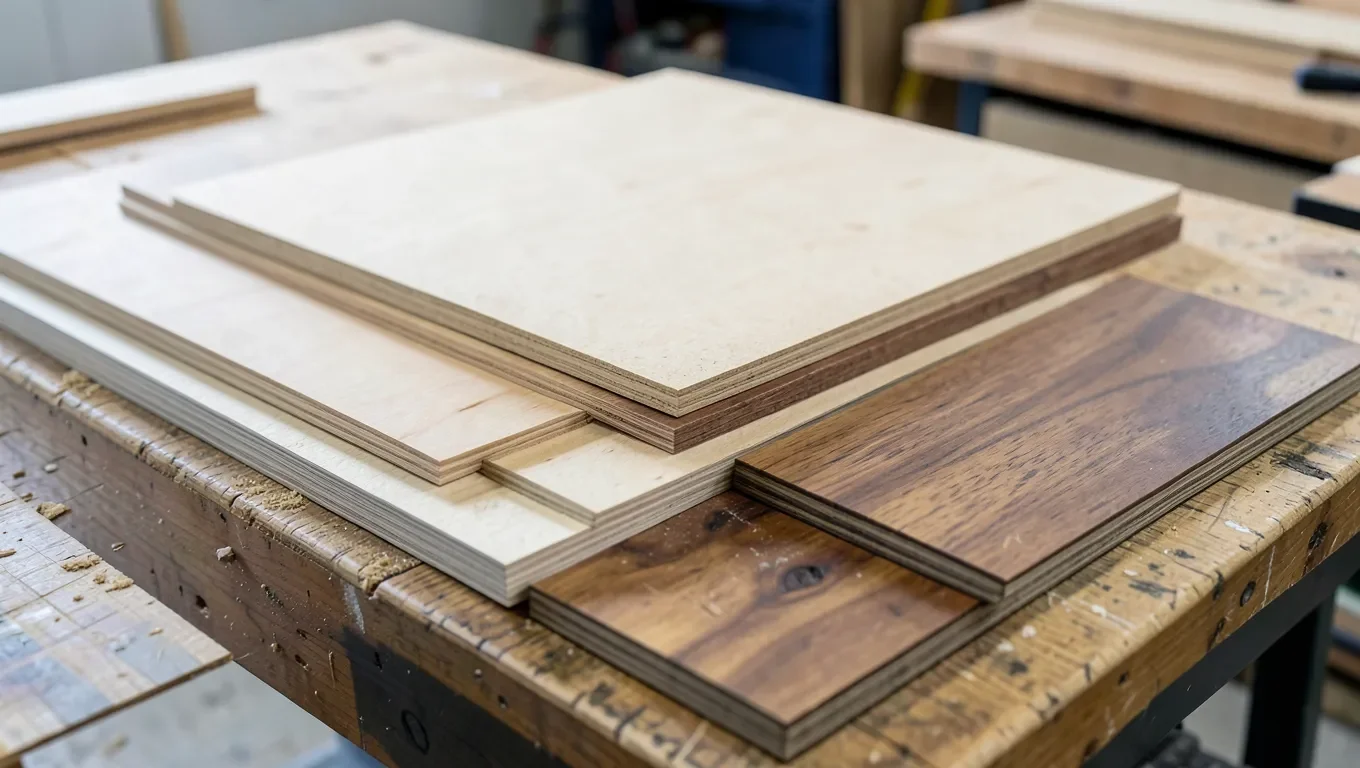
Plywood’s cross-laminated layers give it real strength-to-weight advantages MDF doesn’t have – it holds screws better at the edges, resists cracking under load, and handles moisture better than standard MDF (though not as well as marine-grade plywood specifically rated for wet conditions). It’s the better choice for anything structural or weight-bearing; MDF still wins on cost and surface smoothness for painted, non-structural pieces.
Best For A Real Plywood Alternative To MDF
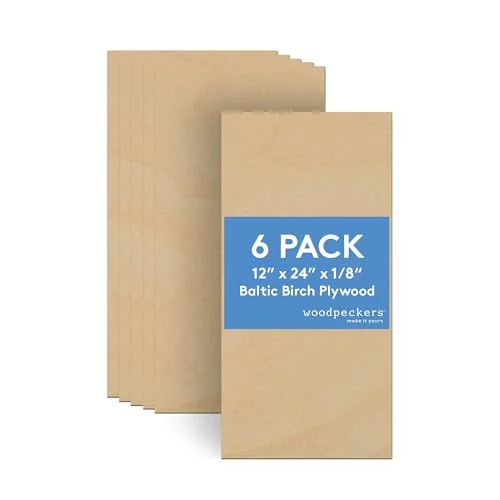 |
Baltic Birch Plywood, 6-Pack – $32.99 Void-free, multi-ply Baltic birch holds screws and edges far better than MDF for small projects, boxes, or jigs where MDF’s crumbly edge is a real limitation.
|
Particle Board
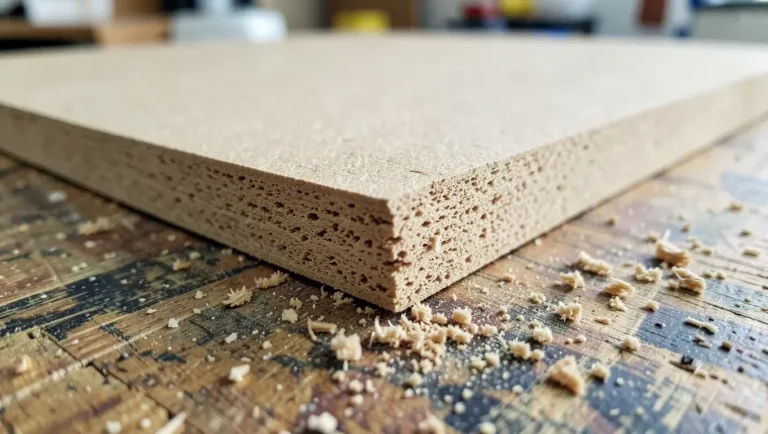
Particle board is cheaper than MDF because it uses coarser wood particles rather than fine fibers – that’s also why it’s weaker and holds screws less securely than MDF. It’s fine for budget shelving or temporary furniture, but MDF is the stronger, more durable choice whenever the piece needs to last or bear real weight.
Bamboo Panels
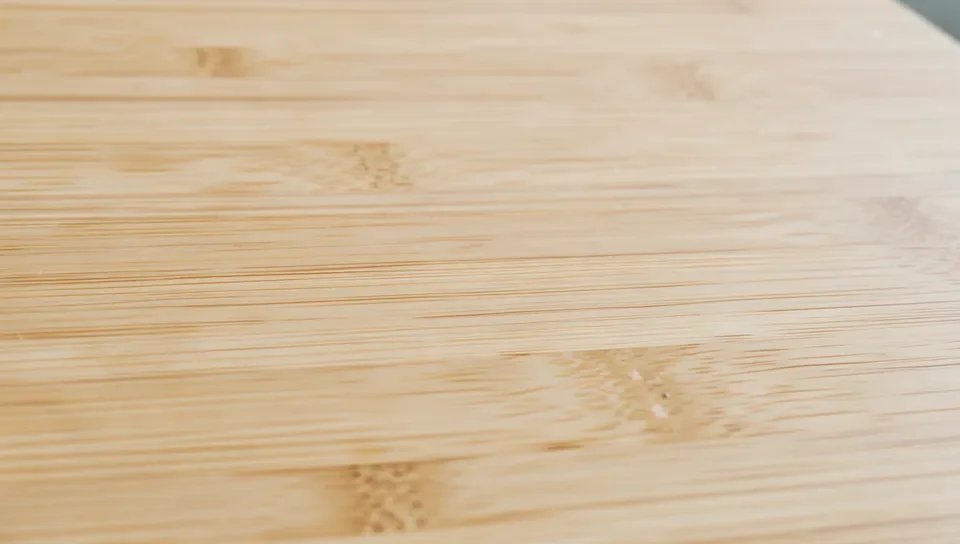
Bamboo is a genuinely fast-renewing resource (harvestable in a few years vs. decades for hardwood trees) and strong for its weight. Bamboo panels work for furniture, flooring, and wall coverings, and hold up reasonably well indoors and out. It costs more than MDF and quality varies significantly by manufacturer – cheap bamboo panels can delaminate, so it’s worth buying from a reputable supplier.
HDF (High-Density Fiberboard)
HDF is made the same way as MDF – wood fibers bonded with resin and pressed – but at higher density, which makes it harder, less prone to denting, and better at holding screws without stripping out. Standard HDF is not automatically more moisture-resistant than standard MDF; both need a moisture-resistant (MR) grade specifically labeled for that if the application involves damp conditions. HDF costs more than MDF and is the better pick when durability under repeated stress (drawer slides, hinges, high-traffic flooring) matters more than price.
Comparison at a Glance
| Material | Strength | Cost vs. MDF | Best for |
|---|---|---|---|
| Solid wood | High, repairable | Higher | Heirloom furniture, refinishable pieces |
| Plywood | High strength-to-weight | Slightly higher | Structural, load-bearing builds |
| Particle board | Lower than MDF | Lower | Budget, temporary furniture |
| Bamboo | Good for weight | Higher | Sustainable furniture and flooring |
| HDF | Higher than MDF | Higher | Heavy-use furniture, drawer/hinge hardware |
Veneer Sheets
Veneer sheets are a thin layer of real wood applied over a substrate (often MDF or plywood) – a way to get real wood’s appearance and grain pattern on top of a more affordable, more stable core. This isn’t a substitute for MDF so much as a way to combine it with real wood’s look on furniture faces and panels.
Conclusion
There’s no single material that’s universally “better than” MDF – each alternative trades away one of MDF’s real advantages (low cost, smooth paintable surface, dimensional consistency) for a specific strength MDF lacks. Choose plywood or HDF for structural strength, solid wood for repairability and longevity, or bamboo for sustainability; stick with MDF itself when a painted, budget-friendly, dimensionally stable panel is what the project actually needs.
Frequently Asked Questions
What material is better than MDF?
It depends on the need: plywood or HDF for structural strength, solid wood for repairability and longevity, bamboo for sustainability. MDF still wins on cost, paintability, and dimensional consistency for many projects.
Is HDF better than MDF?
HDF is denser, harder, and holds screws better than MDF, making it better for heavy-use furniture and hardware. It costs more, and standard HDF isn’t automatically more moisture-resistant unless it’s a moisture-resistant (MR) grade – that applies to both materials equally.
What to use instead of MDF?
Plywood for structural strength, solid wood for durability and repairability, or particle board for the cheapest budget option (at the cost of strength). The right substitute depends on which of MDF’s tradeoffs actually matters for your project.
Is MDF or melamine board stronger?
This compares two different things – melamine isn’t a substrate material, it’s a decorative resin laminate applied to a surface, usually over particle board or MDF itself. The real comparison is the substrate underneath: MDF-core melamine board is generally stronger than particle-board-core melamine board.
Sponsored / affiliate links. As an Amazon Associate I earn from qualifying purchases. I may earn additional commission from eligible campaigns.
 Baltic Birch Plywood Sheets Box of 45 - Laser Engraving Cutting, Scroll Saw Nature Veneer Color, Stronger Than Basswood, A/A Grade,12 x 12 x 1/8”, 3mm Thickness Perfect for Wood Burning
 Baltic Birch Plywood 1/8'' x 12'' x 18'', 6 Pack, B/BB Grade, Void-Free Core, Laser Cutting Ready, Flat Sheets for CNC, Engraving, DIY Crafts, Art Painting, Wood Burning, Staining