Can I Use MDF for Door Frame? Yes, Here Is Where It Fails
Yes, but only on the interior. Primed MDF jambs and casing are standard on millions of pre-hung interior doors sold today, and MDF is actually more dimensionally stable than solid pine in a dry room. What MDF can’t handle is moisture, so it has no place on an exterior door frame or in a bathroom that sees real humidity.
The usual take on MDF for door frames stops at “it’s cheap but swells if it gets wet,” which is true but incomplete. The more useful question isn’t whether MDF is good or bad – it’s whether the specific spot you’re framing ever gets damp, and whether the cut edges get sealed before they’re exposed to a job site or a bathroom’s steam.
What MDF Actually Is
Best Sealer For MDF Cut Edges
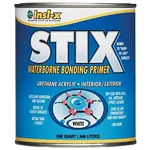 |
INSL-X Stix Waterborne Bonding Primer – $33.95 A raw MDF cut edge is the most moisture-porous part of the whole frame – this bonding primer soaks in and seals it before it ever gets a chance to swell.
|
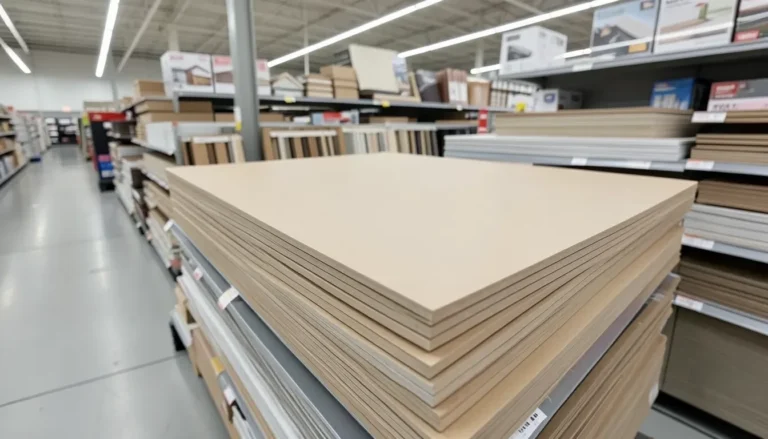
MDF (medium-density fiberboard) is made by breaking wood down into fine fibers, mixing them with wax and resin, then pressing the mixture into sheets under heat and pressure. That process is exactly why MDF has no grain, no knots, and a perfectly flat, paintable surface – it’s also why it behaves so differently from the solid lumber it’s replacing.
Where MDF Actually Beats Solid Wood
Solid pine, the usual budget alternative for door jambs, can cup, twist, or bow as it dries unevenly, especially if it wasn’t fully kiln-dried before milling. MDF doesn’t have grain direction, so it won’t warp that way in a stable, dry interior – a straight MDF jamb tends to stay straight. That’s a real advantage MDF has over cheap solid wood, not just a consolation prize for being less durable. The tradeoff is that MDF’s weak point isn’t warping, it’s moisture and impact: get it wet or hit it hard enough, and it doesn’t flex or dent gracefully the way wood does – it swells, crumbles, or chips.
Where MDF Falls Short
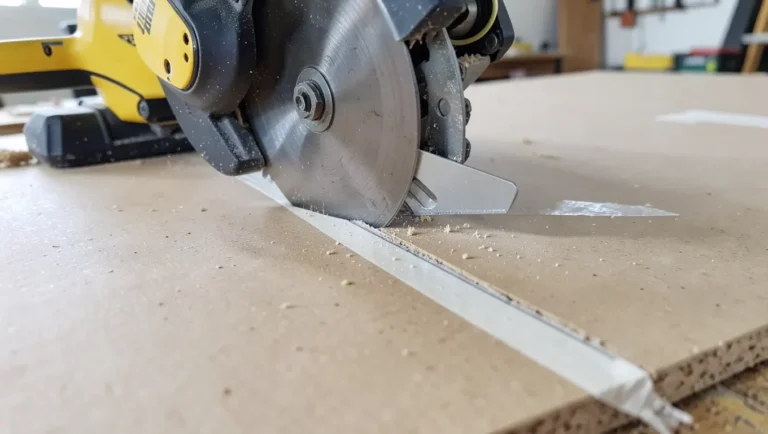
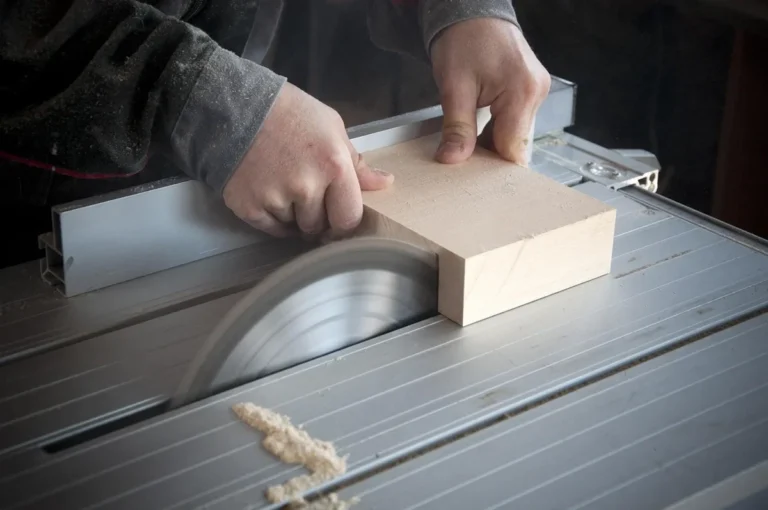
Factory MDF sheet stock usually comes pre-primed or pre-sealed on its faces, but the moment you cut a piece of jamb or casing to length, you expose raw, unsealed fiber at that cut end – and raw MDF wicks moisture fast. That’s the detail most guides skip: it’s not that “MDF gets damp and swells” in the abstract, it’s specifically the cut edges and any spot where the factory coating has been sanded through that fail first. A door frame near an entryway that gets rained on through a storm door, or a jamb close to a shower without an exhaust fan, will show swelling at the bottom of the legs and around the hinges long before the flat faces show any problem.
MDF also doesn’t hold screws as well as solid wood, especially near an edge, and a hard impact (a moving cart, a kicked-in door in a rental) is more likely to chip out a chunk than dent and spring back. For a high-traffic commercial doorway or anything within direct weather exposure, solid wood or a moisture-resistant composite jamb is the better call.
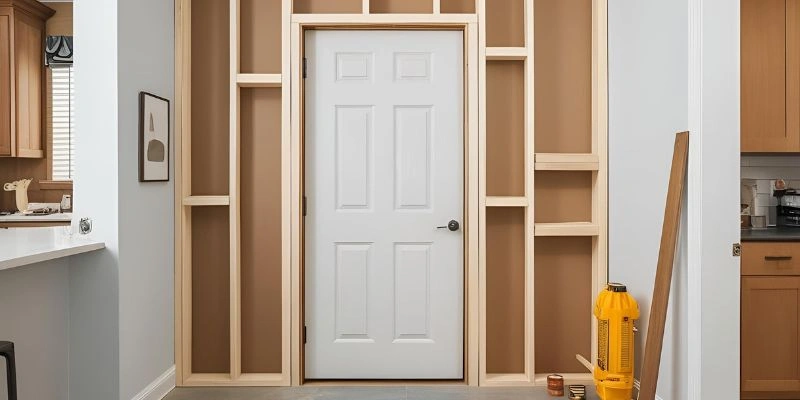
MDF Vs. Solid Wood Vs. Plywood For Door Frames
Solid wood (pine, poplar, oak) is the traditional choice and the only one of the three that reliably holds up outdoors with the right finish and maintenance, but it costs more and needs regular sealing to resist its own humidity-driven movement. Plywood is stronger than MDF and resists warping better than solid lumber thanks to its cross-laminated layers, but its edges need banding or filling since raw plywood edges show the ply lines and don’t take paint smoothly. MDF sits between them for interior use: smoother than either, cheaper than solid wood, and perfectly stable as long as it stays dry – but it’s the first of the three to fail if water gets involved.
Best Interior Uses For MDF Door Frames
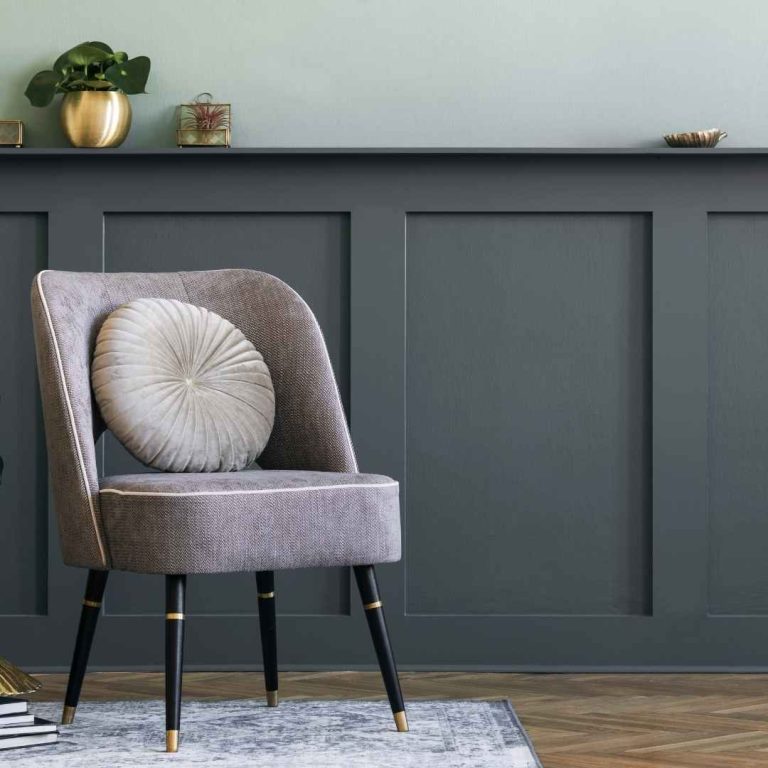
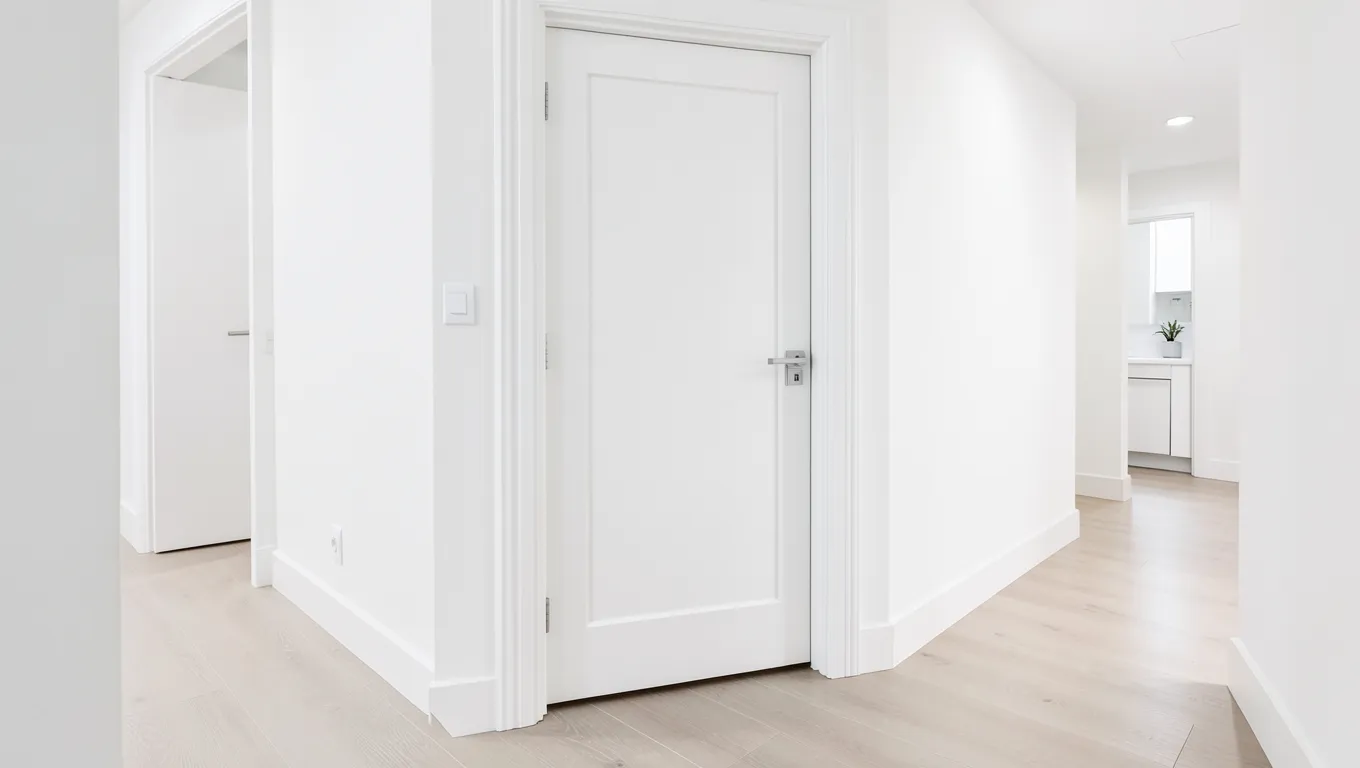
Bedroom, hallway, closet, and interior office doors in a climate-controlled home are exactly where primed MDF jambs and casing make sense – low moisture exposure, low impact risk, and a smooth surface that takes paint beautifully with none of the grain-filling work solid wood needs. Baseboards and decorative trim that pair with an MDF door frame benefit the same way, holding crisp paint lines for years in a stable interior.
Installing And Sealing MDF Door Frame Components
- Seal every cut end before installing, not just the visible faces – a coat of oil-based or shellac-based primer on a fresh miter or butt cut keeps that exposed fiber from wicking moisture from the framing behind it.
- Pre-drill near edges and corners. MDF splits more easily than solid wood when a screw or nail is driven too close to an edge without a pilot hole.
- Use glue plus fasteners at joints rather than fasteners alone; MDF’s fiber structure holds a glued joint well but doesn’t grip a screw thread as tightly as solid wood over time.
- Check for moisture sources nearby before choosing MDF – a door nowhere near plumbing, an exterior wall with condensation issues, or a splash zone is a safe bet; anything closer to water deserves solid wood or a PVC-composite jamb instead.
Frequently Asked Questions
Can You Use MDF For A Door Frame?
Yes, for interior door frames in a normal, climate-controlled room. MDF is affordable, perfectly smooth for paint, and won’t warp the way lower-grade solid wood can. It isn’t a good fit for exterior frames or rooms with regular moisture exposure, since it swells rather than just cupping the way solid wood does.
Can You Use MDF For Door Casing?
Yes, MDF casing is common on interior doors and holds a painted finish better than most solid wood without extra sanding or grain-filling. Seal every cut end before installing, since a mitered corner exposes raw fiber that will absorb moisture faster than the factory-primed face.
How Thick Should MDF Be For A Door?
MDF jamb stock is typically sold at about 11/16 inch (roughly 17-18mm) thick to match standard door-frame dimensions, while a solid MDF interior door slab itself usually runs 1-3/8 inch (about 35mm), the same standard thickness as most solid and hollow-core interior doors. Always match the thickness to your existing rough opening and door slab rather than assuming a single number fits every doorway.
Is MDF Or Pine Door Jamb Better?
It depends what you’re optimizing for. Pine is the more repairable, moisture-tolerant option and can be sanded and refinished if it gets dinged. MDF is more dimensionally stable in a dry room (it won’t warp or twist the way an unevenly dried pine board can) and takes paint more smoothly, but it swells rather than just cupping if it gets wet, and it’s less forgiving of hard impacts. For a stable interior room, MDF is a perfectly reasonable pick; for anywhere with even occasional moisture, pine or another solid wood is the safer choice. For a deeper look at species-specific tradeoffs, see our guide to what wood to use for a door jamb.
Conclusion
MDF isn’t a compromise material for door frames – in a dry interior, it’s arguably the more stable choice than budget solid wood, and it’s exactly why so many pre-hung interior doors ship with MDF jambs already attached. The one rule that actually matters is keeping it away from real moisture and sealing every cut edge before it goes in. Get those two things right and an MDF door frame will outlast the paint job on it.
Sponsored / affiliate links. As an Amazon Associate I earn from qualifying purchases. I may earn additional commission from eligible campaigns.