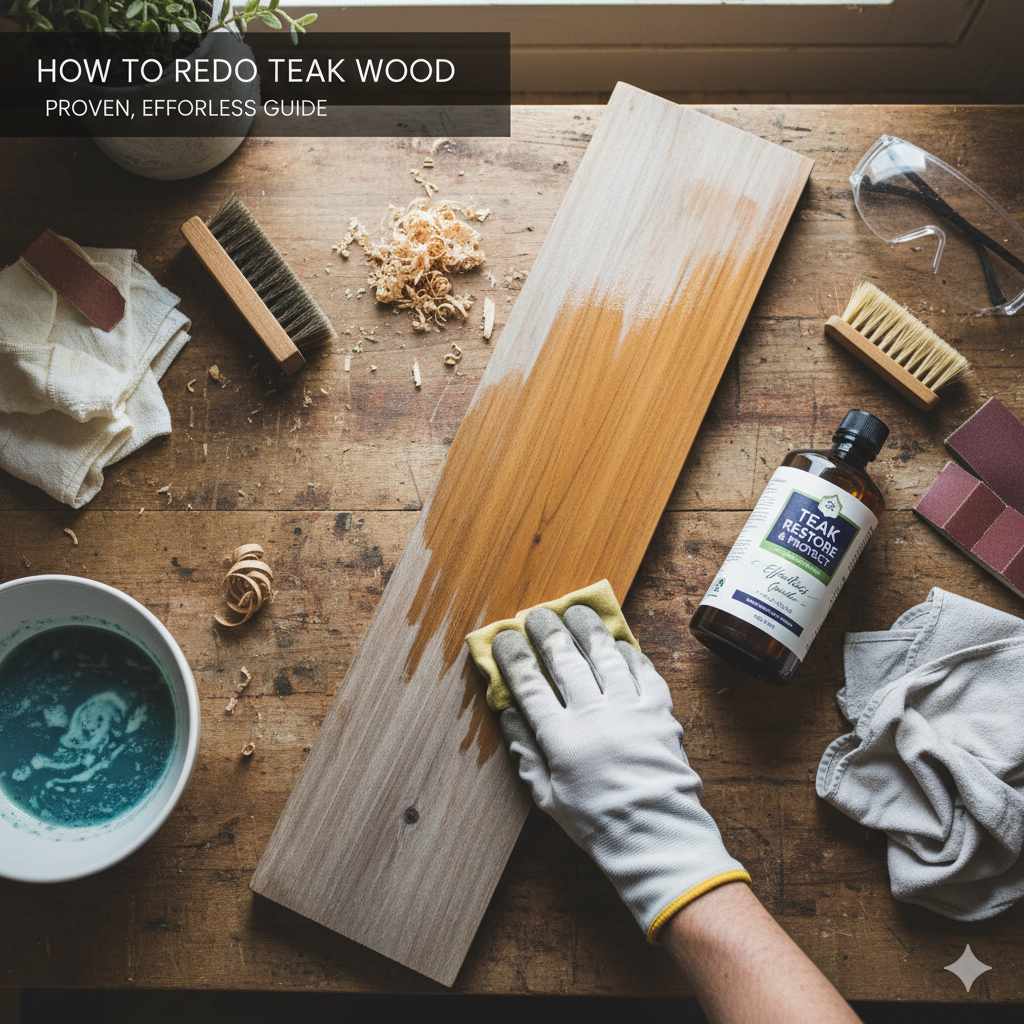
How To Redo Teak Wood: Proven, Effortless Guide
Redoing teak wood is entirely achievable for beginners! This guide provides simple, step-by-step instructions to restore your teak furniture, bringing back its natural beauty and protecting it for years to come. You’ll learn the easy way to clean, sand, and finish teak, making it look like new without professional help.
Teak wood is famous for its beautiful golden-brown color and amazing durability, especially outdoors. Over time, though, this beloved wood can lose its shine. It might turn a soft gray, develop water spots, or get a little worn. Seeing your beautiful teak furniture looking dull can be a bummer, especially if you’re new to woodworking and feel unsure about how to bring it back to life. But don’t let that stop you! Restoring teak wood is a straightforward process, and I’m here to guide you through it with simple, easy-to-follow steps. You’ll be amazed at how rewarding it is to see your teak furniture transform right before your eyes. Let’s get started on making your teak look stunning again!
Why Redo Your Teak Wood? The Benefits You Can’t Ignore
Giving your teak wood furniture a fresh start isn’t just about making it look pretty again. There are some fantastic benefits to undertaking this project, even if you’re a complete beginner. Understanding these reasons will help you appreciate the effort and the rewarding outcome.
- Restores Natural Beauty: Teak’s rich, golden hue is often hidden under a layer of graying due to Sun exposure and weathering. Restoring it brings back that luxurious, warm tone.
- Extends Lifespan: Performing regular maintenance and refinishing protects the wood from further damage caused by UV rays, moisture, and environmental factors. This means your furniture will last much, much longer.
- Repels Water and Stains: Once properly sealed, teak becomes more resistant to water penetration and stains, making it easier to clean and maintain in the future.
- Prevents Rot and Insect Damage: Teak naturally contains oils that protect it, but over time, these can diminish. Refinishing helps to replenish this protection, making the wood less vulnerable.
- Increases Value: Well-maintained teak furniture, especially antique or high-quality pieces, retains and can even increase in value. A good refinish can make a piece look brand new.
- Personal Satisfaction: There’s a unique sense of accomplishment that comes from tackling a DIY project and achieving beautiful, tangible results. You’ll feel proud of your handiwork!

Gathering Your Supplies: What You’ll Need
Before we dive into the actual steps, let’s make sure you have everything ready. Having all your tools and materials laid out will make the process smoother and much more enjoyable. Don’t worry; most of these are common household or easily obtainable items.
Essential Cleaning and Preparation Tools:
- Bucket(s): You’ll need at least one, maybe two, for cleaning solutions and rinsing.
- Soft Bristle Brushes: For applying cleaners and gently scrubbing.
- Soft Cloths or Sponges: For wiping down the wood. Old cotton t-shirts work great!
- Garden Hose with Sprayer (optional): For rinsing off loosened dirt and cleaner.
Sanding Essentials:
- Sandpaper: You’ll need a few different grits (coarse, medium, and fine). Common grits for teak restoration are 80, 120, and 220.
- Sanding Block or Orbital Sander: A sanding block is affordable and great for detailed work. An orbital sander makes larger areas faster, but be careful not to sand too aggressively.
- Dust Mask: Always protect your lungs from wood dust!
- Safety Glasses: To protect your eyes from dust and debris.
Finishing Products:
- Teak Cleaner (optional but recommended): Specifically formulated to lift dirt and grime from teak.
- Teak Sealer or Oil: Choose a product designed for outdoor teak furniture. Look for these at marine supply stores or well-stocked hardware stores.
- Applicators: Lint-free cloths, foam brushes, or natural bristle brushes for applying finish.
Step-by-Step Guide: How to Redo Teak Wood Effortlessly
Let’s get your teak furniture looking its best! Follow these steps closely, and remember, patience is key. We’ll go through cleaning, sanding, and finishing.
Step 1: Thorough Cleaning
This is where we start to reveal the wood beneath the grime. The goal here is to remove all dirt, mildew, and old finishes.
- Clear the Area: Move your teak furniture to a well-ventilated outdoor space, preferably on a calm, dry day. Lay down a tarp or old sheets underneath to catch any drips or debris.
- Mix Cleaner: If you have a dedicated teak cleaner, follow the manufacturer’s instructions. If not, you can create a simple solution: mix one part white vinegar with two parts water. For tougher grime, a small amount of mild dish soap can be added, but rinse thoroughly to avoid residue. Alternatively, a widely recommended pre-made cleaner is TSP (Trisodium Phosphate), but always exercise caution and wear protective gear when using stronger chemicals. For a more eco-friendly approach, a solution of 1 cup of borax to 1 gallon of warm water can also be effective.
- Apply Cleaner: Use a soft bristle brush or sponge to apply the cleaning solution generously to the teak surface. Work in sections, allowing the cleaner to sit for a few minutes to loosen dirt and mildew.
- Gentle Scrubbing: Gently scrub the wood with your brush, following the direction of the wood grain. Don’t scrub too hard, as you don’t want to damage the wood fibers.
- Rinse Thoroughly: Use a garden hose with a gentle spray or a bucket of clean water to rinse off all the cleaning solution. Make sure no residue is left behind.
- Inspect and Repeat (If Needed): Let the wood dry for at least an hour. If there are still stubborn spots or grayness, repeat the cleaning process.
Step 2: Sanding for a Smooth Surface
Sanding is crucial for removing the weathered gray layer and creating a smooth surface for the new finish. We’ll start with coarser grit sandpaper and move to finer grits.
- Ensure Wood is Dry: Make absolutely sure the teak is completely dry after cleaning. Sanding damp wood can create fuzzy patches and clog your sandpaper quickly.
- Start with Coarse Grit: Begin with 80-grit sandpaper. This grit is best for removing the grayed-out layer of wood and any minor imperfections. If you have stubborn areas, you might need to use coarser sandpaper, but be cautious not to go too aggressive.
- Sand with the Grain: Whether you’re using a sanding block or an orbital sander, always sand in the direction of the wood grain. Go slowly and steadily. For an orbital sander, keep it moving constantly; don’t let it sit in one spot.
- Progress to Medium Grit: Once you’ve removed the grayed layer with the 80-grit sandpaper, switch to 120-grit sandpaper. This step smooths out the scratches left by the coarser grit and further refines the surface.
- Finish with Fine Grit: Finally, use 220-grit sandpaper. This will create a very smooth finish, ready for sealing or oiling. It ensures the final product looks and feels excellent.
- Clean Off Dust: After each sanding grit, and especially after the final one, you need to remove all the dust. Use a shop vacuum, a brush with soft bristles, or a tack cloth to get rid of every speck of dust. A clean surface is vital for a good finish.
Step 3: Applying Teak Sealer or Oil
This is the final step that protects your wood and brings out its natural warmth and luster. You have a choice between a sealer and an oil, each offering slightly different looks and protection.
Teak Oil vs. Teak Sealer:
Both options offer protection, but they provide a different look and feel.
| Feature | Teak Oil | Teak Sealer |
|---|---|---|
| Appearance | Enhances natural wood color, gives a rich, mellow glow. May darken teak slightly. | Often provides a more matte or satin finish, can appear more “natural.” Some sealers have U.V. inhibitors. |
| Protection | Penetrates the wood, offering good water resistance and preventing drying. Needs more frequent reapplication. | Forms a surface barrier, providing good protection against stains and moisture. Can last longer between applications. |
| Application | Several thin coats are usually applied, allowing each to soak in. | Typically one or two coats are sufficient. |
| Maintenance | Requires reapplication more often, especially with heavy use or exposure. | Generally requires less frequent reapplication than oil. |
For a more natural, low-maintenance look, many people opt for a good quality teak sealer. If you prefer a deeper, richer glow and don’t mind reapplying every so often, teak oil is a classic choice.
Application Process:
- Choose Your Product: Select a reputable teak oil or sealer. Read the product label carefully for specific instructions. Look for products that mention UV protection for added longevity in sunlight.
- Apply the First Coat: Using a lint-free cloth, foam brush, or natural bristle brush, apply a thin, even coat of your chosen product. Work in the direction of the wood grain. Don’t let the product pool on the surface.
- Allow Penetration/Drying: For oils, allow them to penetrate the wood for about 15-30 minutes, or as directed by the manufacturer. For sealers, follow the specified drying time before applying a second coat.
- Wipe Off Excess: For oils, after penetration, use a clean, dry cloth to wipe away any excess oil that hasn’t soaked into the wood. If you leave excess oil, it can become sticky. Sealer instructions may vary, so follow the product label.
- Apply Second Coat (If Needed): For most oils, a second coat after a few hours (or the next day) will enhance the richness and protection. For sealers, a second coat might be recommended for maximum durability, especially for outdoor furniture. Always wait for the stated drying times between coats.
- Allow Final Curing: Let the finished piece cure completely, as per the product instructions, before putting it back into use. This can take anywhere from 24 hours to a few days.
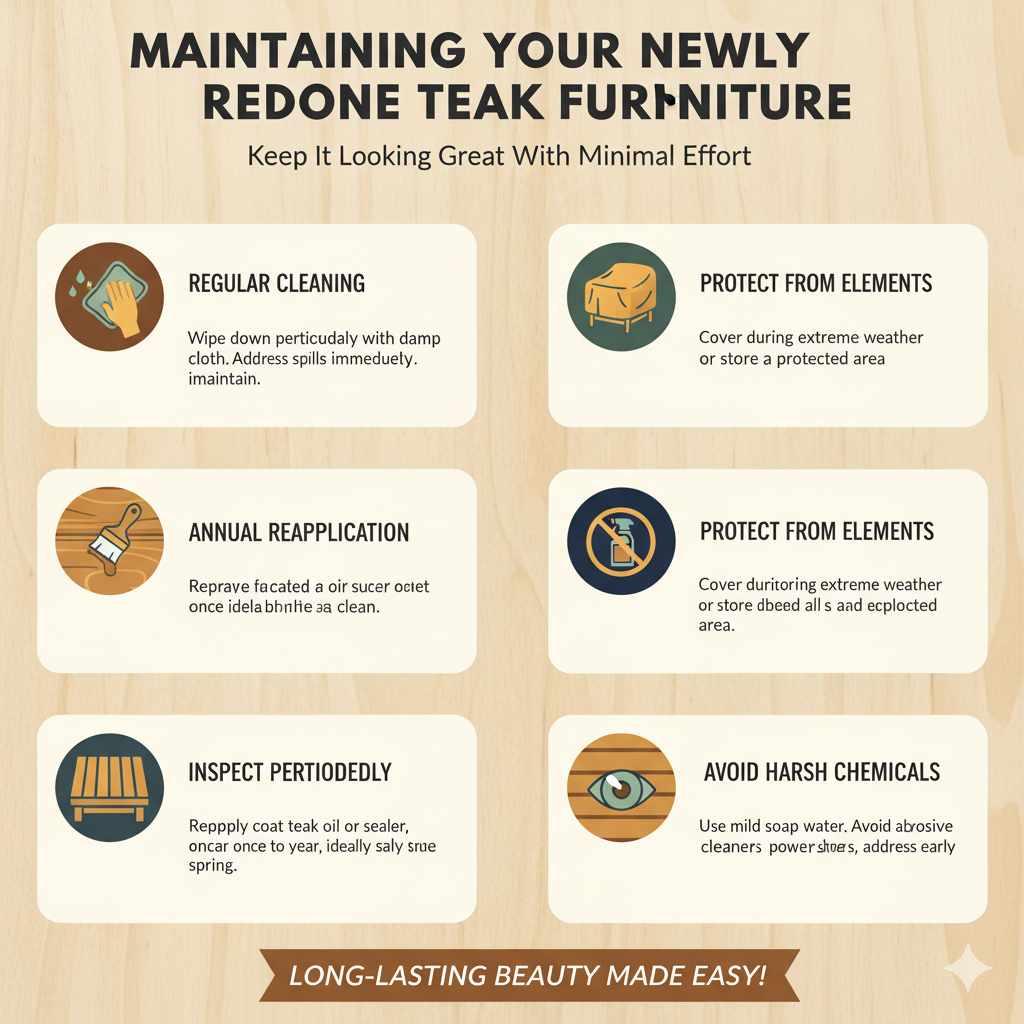
Maintaining Your Newly Redone Teak Furniture
You’ve done a fantastic job bringing your teak back to life! Now, let’s talk about keeping it looking great with minimal effort. Regular, simple maintenance is the secret to a long-lasting, beautiful finish.
- Regular Cleaning: Wipe down your furniture periodically with a damp cloth to remove dust and light dirt. Address spills immediately.
- Protect from Elements: While teak is durable, prolonged exposure to harsh weather can still take a toll. Consider covering your furniture during extreme weather or the off-season, or storing it in a protected area if possible.
- Annual Reapplication: Plan to reapply a coat of teak oil or sealer once a year, usually in the spring or before the main season of use. This replenishes the protective oils and seals the wood against moisture and UV rays.
- Avoid Harsh Chemicals: Stick to mild soap and water or specialized teak cleaners for regular cleaning. Avoid abrasive cleaners or power washers, which can damage the wood’s surface.
- Inspect Periodically: Give your furniture a quick look-over every few months. Check for any signs of wear, fading, or moisture damage, and address them early before they become bigger problems.
Frequently Asked Questions (FAQs)
Q1: How often should I redo my teak wood furniture?
You don’t need to completely redo your teak furniture every year. A yearly gentle cleaning and reapplication of oil or sealer is usually enough to maintain it. A full sanding and refinishing might only be needed every 2-3 years, or if the wood becomes significantly weathered or damaged.
Q2: Can I leave teak furniture outside year-round?
Yes, teak is designed for outdoor use and is very resilient. However, leaving it uncovered in harsh climates (extreme sun, snow, heavy rain) can accelerate weathering and may require more frequent refinishing. Covering it or storing it during the off-season will prolong its life and beauty.
Q3: What’s the difference between teak oil and teak sealer?
Teak oil penetrates the wood to enhance its natural color and provide internal protection, giving a warm glow but requiring more frequent reapplication. Teak sealer forms a protective layer on the surface, offering good stain and water resistance, and typically lasts longer between applications. Both are good choices, depending on the look and maintenance you prefer.
Q4: My teak has black spots. What are they and how do I get rid of them?
Black spots are usually mildew or mold that has grown on the surface of the wood. They are common in damp or shaded conditions. Thorough cleaning with a teak cleaner or a vinegar/water solution (as described in Step 1) should remove them. If they are deep, light sanding might be necessary.
Q5: Do I need to sand the teak wood if I’m just applying oil?
It’s highly recommended. Even if you’re just applying oil, sanding (especially with a fine-grit paper like 220) after cleaning will remove any remaining weathered gray layer and create a smoother surface. This allows the oil to penetrate evenly and results in a much better final appearance and feel.
Q6: Can I use a regular wood finish on teak?
It is best to use products specifically designed for teak. Teak contains natural oils that can react unpredictably with standard wood finishes. Teak oils and sealers are formulated to work with these natural oils and to withstand outdoor conditions, which regular interior finishes are not.
Q7: How do I prepare teak that has old paint or varnish on it?
If your teak has old paint or varnish, you’ll need to remove it completely before you can start the restoration process. This usually involves using a chemical paint stripper, followed by scraping and then sanding (starting with a coarser grit like 60 or 80) to get down to the bare wood. Once the old finish is gone, you can follow the cleaning and sanding steps outlined in this guide.
Conclusion
You’ve successfully learned how to redo teak wood! With these clear, effortless steps, from thorough cleaning to careful sanding and protective finishing, you’ve transformed your teak furniture. It looks beautiful, feels smooth, and is now well-protected against the elements. Remember, the key to keeping it in top shape is consistent, simple maintenance. This project is a fantastic way to add value and beauty to your home or garden, and the satisfaction of doing it yourself is truly rewarding. Keep practicing these techniques, and you’ll become a teak-care pro in no time. Enjoy your rejuvenated teak pieces!