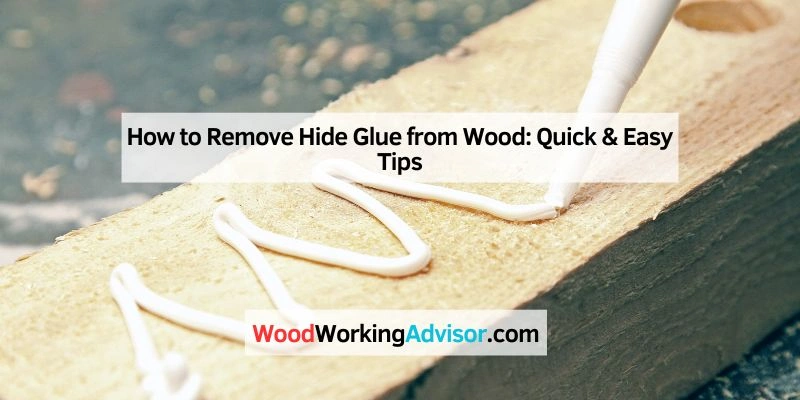
How to Remove Hide Glue from Wood: Quick & Easy Tips
To remove hide glue from wood, dampen the glue with warm water. Then gently scrape it off using a putty knife or a plastic scraper.
Hide glue is commonly used in woodworking due to its strong bonding properties. However, it can be challenging to remove without damaging the wood surface. Understanding how to effectively remove hide glue is essential for restoring furniture or completing woodworking projects.
This process requires careful attention to avoid harming the wood’s finish. Proper techniques can help you achieve a clean surface, ready for refinishing or repairs. With the right tools and methods, you can tackle this task efficiently and restore your wooden items to their original beauty.
Introduction To Hide Glue On Wood
Hide glue is a traditional adhesive used in woodworking. It is made from animal collagen. This glue is popular for its strong bond and reversibility. Many woodworkers prefer hide glue for its unique properties.
Removing hide glue can be challenging. It dries hard and can bond tightly. Using heat can help soften the glue. A heat gun or iron works well for this. Be careful not to damage the wood.
Moisture can also assist in removing hide glue. Applying water can soften the glue. Use a damp cloth and let it sit. Scraping with a plastic tool can help. Always test in a small area first.
Identifying Hide Glue Residue
Identifying hide glue residue can be simple. Look for cloudy spots or white streaks on the wood. These are signs of old glue. Tactile indicators include a slimy feel or tacky surface when touched.
To confirm the presence of hide glue, perform a simple test. Use a damp cloth on the suspected area. If the surface becomes sticky, it likely contains hide glue. Another method involves using heat. A hot iron can help soften the glue, making it easier to remove.
Preparation Steps Before Removal
Gather the right tools for safe removal. Use a putty knife and scraper. A heat gun can help loosen the glue. Sandpaper is useful for finishing touches. Protective gloves keep your hands safe.
Before starting, cover the wood surface. Use a drop cloth to catch debris. Tape edges with masking tape. This prevents damage to surrounding areas. Always work in a well-ventilated space. Proper ventilation helps avoid inhaling fumes.
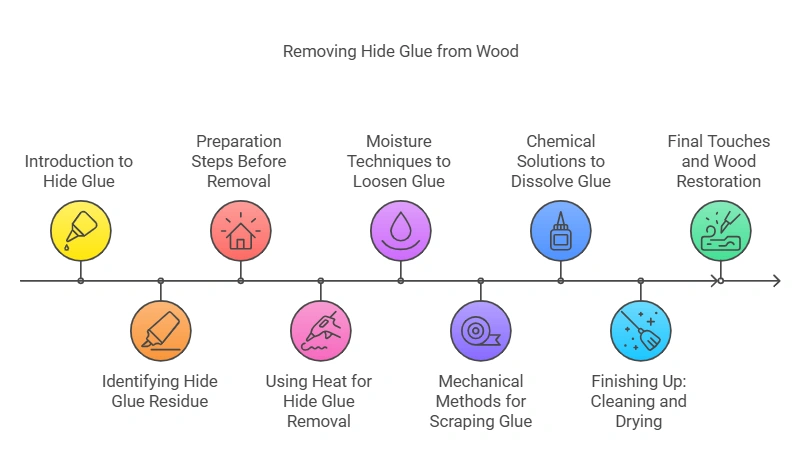
Using Heat For Hide Glue Removal
Applying direct heat can help remove hide glue from wood. Use a heat gun or an iron for this task. Start at a low temperature to avoid damaging the wood. Keep the heat source moving to prevent hot spots.
For even heat distribution, follow these tips:
- Use a scraper to lift the glue as it softens.
- Work in small sections for better control.
- Cover the area with a cloth to diffuse heat.
- Test a small spot first to ensure safety.
Always wear protective gear to avoid burns. Keep the workspace well-ventilated. This will help you safely remove hide glue from your wood project.
Moisture Techniques To Loosen Glue
To loosen hide glue, applying moist heat is effective. Start by using a wet cloth. Place it over the glued area. Then, use a warm iron on low heat. Move the iron gently over the cloth. This method helps soften the glue without damaging the wood.
Using water-based solutions is another option. Dampen a sponge with water and apply it to the glue. Let it sit for a few minutes. The moisture will help break down the glue. After that, scrape the glue gently with a plastic scraper. Avoid using metal tools as they can scratch the wood.
Mechanical Methods For Scraping Glue
Choosing the right scraping tools is essential for effective glue removal. Use a plastic scraper to avoid damaging the wood. A metal scraper can work but may leave scratches. Ensure the scraper fits comfortably in your hand.
For minimizing wood damage, use gentle pressure while scraping. Always scrape in the direction of the wood grain. This helps prevent splintering and tearing. For stubborn glue, a heat gun can soften the adhesive. Be careful not to overheat the wood.
Consider using a brass brush for delicate areas. It removes glue without harming the surface. After scraping, clean the area with a damp cloth. This will help remove any remaining residue.
Chemical Solutions To Dissolve Glue
Choosing the right chemical solutions is important to dissolve hide glue effectively. Common options include acetone, denatured alcohol, and vinegar. Each chemical works differently based on the glue’s strength and wood type.
Always wear protective gloves and goggles when using chemicals. Work in a well-ventilated area to avoid harmful fumes. Test any chemical on a small, hidden area of the wood first. This ensures it won’t damage the finish.
Keep chemicals away from children and pets. Store them in a safe place after use. Dispose of any leftover chemicals according to local regulations.
Finishing Up: Cleaning And Drying
To remove residual glue, use a soft cloth and warm water. Gently scrub the area until the glue lifts. For stubborn spots, try a wood-safe solvent. Always test on a small area first. This ensures no damage occurs.
After cleaning, let the wood air dry completely. Use a fan to speed up the process if needed. Check for any remaining moisture. The wood should feel dry to the touch before applying any finishes.
Remember, fully dried wood prevents issues later. It helps in achieving a smooth and even finish.
Final Touches And Wood Restoration
Sanding is essential for a smooth finish on wood. Use a fine-grit sandpaper to avoid scratches. Sand in the direction of the grain. This helps to keep the wood looking natural. Clean the surface after sanding to remove dust. A clean surface is important for the next steps.
After sanding, applying wood treatments enhances the wood’s beauty. Choose a suitable treatment for your wood type. Treatments can include oils, stains, or sealers. Each option adds color and protects the wood. Follow the product instructions for the best results. Let the treatment dry completely before using the wood.
Preventive Measures For Future Work
Using hide glue can be tricky. Follow these best practices to avoid problems.
- Work in a clean area to prevent dust contamination.
- Always prepare surfaces before applying glue.
- Use clamps to hold pieces together firmly.
- Store hide glue in a cool, dry place for long life.
Easy cleanup helps maintain your workspace. Try these tips:
- Wipe excess glue with a damp cloth immediately.
- Use warm water to soften dried glue.
- Keep vinegar handy for tough spots.
- Always test cleaners on a hidden area first.
Frequently Asked Questions
How Do You Identify Hide Glue On Wood?
To identify hide glue on wood, look for a slightly cloudy appearance. This glue often has a yellowish tint and can feel slightly tacky. You may also notice a brittle texture when it dries. Conduct a water test; hide glue will swell and soften when moistened.
What Tools Are Needed To Remove Hide Glue?
To effectively remove hide glue, you’ll need a heat gun or hairdryer, a putty knife, and a damp cloth. A scraper can help lift the glue without damaging the wood. Additionally, you may require a solvent like vinegar or denatured alcohol for stubborn residues.
Can Hide Glue Damage Wood Surfaces?
Hide glue can damage wood surfaces if not removed carefully. It may leave behind a residue that can affect the finish. Prolonged exposure to moisture can also warp the wood. Always test your removal method on a small, inconspicuous area first to avoid damage.
Is Hide Glue Safe For Wood Projects?
Yes, hide glue is safe for wood projects. It is non-toxic and environmentally friendly. It provides a strong bond and allows for repairs without damaging the wood. However, it is essential to ensure proper application and removal methods to maintain the wood’s integrity.
Conclusion
Removing hide glue from wood doesn’t have to be daunting. With the right tools and techniques, you can restore your wood’s natural beauty. Always test methods on a small area first. By following these steps, you ensure a successful removal while preserving your wood’s integrity.
Happy woodworking!