Can a Fiberglass Door Be Painted? Yes – Here’s the Right Way
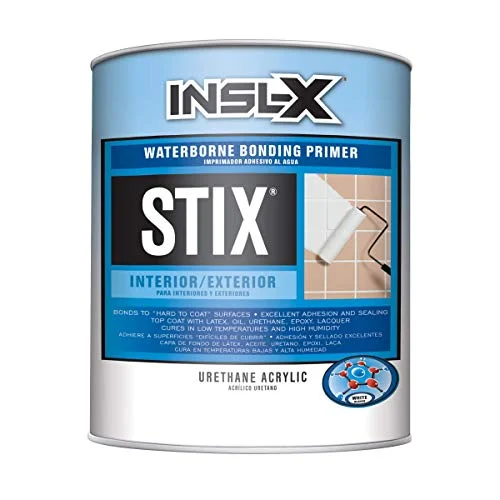
A fiberglass door can be painted, but only after a bonding primer like INSL-X Stix goes on first – skip it and ordinary latex will bubble off the factory gloss within a season. Painting over an unprimed door voids most manufacturer finish warranties and often means a full strip-and-redo within a year. This guide covers surface prep, picking a topcoat that survives UV exposure, and the 8-step process professional painters use.
Painting Your Fiberglass Door: The Big Picture
Fiberglass doors are popular for a reason. They look nice and don’t rot like wood. They also resist dents and warping.
But sometimes, the factory finish just isn’t your style. Or maybe it’s faded and needs a refresh. You want to change its color.
You might think, “Can I just slap some paint on it?”
The answer is yes, but with a few important steps. Fiberglass has a smooth surface. This can make paint slip off if you don’t prep it right.
It’s like trying to stick a sticker to glass. It won’t hold well without some help.
We need to make the surface ready for paint. This involves cleaning it well. Then, we need to give the paint something to stick to.
This is where a good primer comes in. Finally, choosing the right paint type is key. We’ll explore all of this.
As an Amazon Associate we earn from qualifying purchases.
My Own Fiberglass Door Painting Adventure
I remember staring at my front door. It was a standard white. It felt so… plain.
I dreamed of a deep, welcoming blue. I’d seen friends paint their wood doors with great success. So, I grabbed some exterior paint and a brush.
I gave it a quick wipe-down and went for it. Big mistake.
Within a few weeks, I saw bubbles. Then, small chips appeared near the handle. It looked worse than before!
“I learned fiberglass needs special care – it’s not like painting a wooden fence. I had to strip the failed paint and start over with a real bonding-primer system. This time it worked, and that blue door is still holding up years later.”
I felt a sinking feeling. Was I stuck with this patchy mess? It was a hot, humid summer day when I noticed the worst of it.
The sun beat down on the door, and I could almost see the paint sweating. I was so annoyed.
It took some research and talking to paint pros to figure out what I did wrong. I learned that fiberglass needs special care. It’s not like painting a wooden fence.
I had to strip the failed paint. Then, I started over with the right system. This time, it worked perfectly.
The blue door is still gorgeous years later. That experience taught me a lot about patience and proper prep.
Fiberglass Door Painting: Key Steps at a Glance
Clean Thoroughly: Remove all dirt, grime, and any old, peeling paint. Use a good degreaser.
Light Sanding: Gently rough up the surface so primer can grip.
Prime Right: Use a high-quality bonding primer made for slick surfaces.
Paint Wisely: Choose exterior-grade paint. Latex or acrylic works well.
Apply Thin Coats: Build up paint layers for a smooth finish.
Allow Drying: Let each coat dry fully before the next.
What Exactly Is a Fiberglass Door?
Before we paint, let’s talk about what we’re painting. A fiberglass door isn’t made of solid glass. It’s made from a resin mixed with glass fibers.
This mixture is pressed into a mold. The mold can create different looks. Many fiberglass doors are made to mimic the grain of real wood.
Others have a smooth, modern finish.
The key thing about fiberglass is its non-porous surface. Unlike wood, it doesn’t soak up paint. This is good for durability.
It means it won’t swell or warp with moisture. But it also means paint needs a little help to stick well. It’s like trying to glue a wet soap bar.
You need to make it rougher.
The doors often come with a factory-applied finish. This finish is usually baked on. It’s very durable.
If this finish is in good shape, we need to prepare it. If it’s failing, we must remove it. We’ll discuss both scenarios.
Why Does Paint Sometimes Fail on Fiberglass?
My first attempt failed because I didn’t understand the surface. Paint failure on fiberglass usually happens for a few reasons. One is poor surface preparation.
If the door is dirty, greasy, or chalky, the paint has nothing to bond to. It’s like building a house on sand.
Another common cause is using the wrong primer. Standard primers might not stick to smooth fiberglass. We need a special bonding primer.
This primer is designed to grip challenging surfaces. It creates a surface that regular paint can adhere to. Think of it as a strong glue layer.
Also, using interior paint on an exterior door is a no-go. Exterior paints are made to withstand sun, rain, and temperature changes. Interior paint will fade, crack, and peel quickly outside.
We need paints formulated for tough outdoor conditions. This is crucial for a long-lasting finish.
Common Paint Problems & What Causes Them
Peeling Paint: Usually due to poor surface prep or using the wrong primer.
Bubbling: Moisture trapped under the paint or painting in direct sun can cause this.
Fading: Happens when exterior paint isn’t UV-resistant or if interior paint is used.
Chalking: The binder in the paint breaks down over time, leaving a powdery residue.
Cracking: Can be caused by extreme temperature swings or applying paint too thickly.
Getting Your Fiberglass Door Ready: The Crucial Prep Work
This is where most DIYers cut corners. Don’t be one of them! Proper prep work is the secret to a paint job that lasts.
First, assess your door’s current condition. Is there old, peeling paint? Is the surface chalky or greasy?
Or is it just the original factory finish?
If there’s peeling paint, you must remove it. Use a scraper and sandpaper. For tougher finishes, you might need a paint stripper.
Always follow the stripper’s instructions. Work in a well-ventilated area. Wear gloves and eye protection.
Once the loose paint is gone, you’ll need to sand the entire door.
You don’t need to sand down to the bare fiberglass unless the old paint is really stubborn. The goal is to create a dull, slightly roughened surface. Use medium-grit sandpaper, like 120-grit.
Sand with the grain if your door has a wood grain texture. This creates microscopic scratches. These scratches give the primer something to grab onto.
After sanding, clean the door thoroughly. Use a mild detergent and water. Rinse well.
Then, wipe it down with a de-glosser or denatured alcohol. This removes any lingering residue or oils. Make sure the door is completely dry before you move to priming.
Many fiberglass doors have a slick, glossy finish from the factory. It feels smooth. Trying to paint over this directly is like trying to glue shiny plastic.
It just won’t stick well. So, sanding is non-negotiable. It gives the paint something to grab.
Imagine making a smooth surface a little fuzzy. That fuzz is where the paint will anchor.
If your door has a lot of texture or deep grooves, getting into them with sandpaper can be tough. Use a sanding sponge. These bend to the shape of the door.
They help you reach those tricky spots. Don’t forget the edges of the door, too. They often get overlooked.
After all that sanding, there will be dust. Dust is the enemy of a good paint job. You need to get rid of every speck.
A damp cloth or tack cloth is your best friend here. Wipe the entire surface. Then wipe it again.
You want it perfectly clean and dust-free. Any dust left behind will end up in your paint. It makes the finish look bumpy and unprofessional.
Choosing the Right Primer for Fiberglass
This is a critical step. Not all primers are created equal. For fiberglass, you need a bonding primer.
These primers are formulated to stick to surfaces that are hard to paint. Look for labels that say “bonds to slick surfaces” or “for difficult-to-paint materials.”
Oil-based primers are often recommended for fiberglass. They offer excellent adhesion. However, many good water-based (latex or acrylic) bonding primers are now available.
Check the product description. Some are specifically designed for vinyl, plastic, and fiberglass. Read reviews if you’re unsure.
Apply the primer in thin, even coats. Use a good quality synthetic brush or a foam roller. A foam roller often gives a smoother finish on flat surfaces.
Make sure to cover the entire door. Pay attention to the edges and any carved details. Let the primer dry completely according to the manufacturer’s instructions.
This is usually a few hours.
Sometimes, even after priming, the surface might feel a little rough. You can do a very light sanding with extra-fine sandpaper (220-grit or higher). This is called “de-nibbing.” It smooths out any tiny bumps or dust specks.
Then, wipe it clean again. This ensures a super smooth base for your paint.
A good bonding primer acts like a bridge. It connects the slick fiberglass to your topcoat of paint. Without it, the paint would have no real anchor.
It would just sit on top. Then, any slight pressure or temperature change could cause it to lift. Think of it like double-sided tape, but for paint.
When applying primer, don’t try to get full coverage in one thick coat. This often leads to drips and an uneven finish. Instead, apply a thin coat.
Let it dry. Then apply a second thin coat if needed. Most manufacturers recommend one to two coats for best results.
Always read the primer can!
Selecting the Best Paint for Your Fiberglass Door
Once your primer is dry and smooth, it’s time for the paint. You need an exterior-grade paint. These paints are formulated to withstand the elements.
They need to handle sun, rain, wind, and temperature changes. Latex or acrylic paints are generally the best choice for fiberglass doors.
Look for paints labeled “100% acrylic” or “premium exterior.” These tend to be more durable and flexible. This flexibility helps the paint move with the door as it expands and contracts with temperature changes. This reduces the chance of cracking.
Choose a paint with a finish you like. Satin or semi-gloss finishes are popular for exterior doors. They are durable and easy to clean.
A gloss finish is very durable but can show imperfections more. A flat finish might not hold up as well outdoors.
Apply the paint in thin, even coats. Just like with primer, avoid thick coats. Two to three thin coats are usually better than one thick one.
This builds up durability and provides a richer color. Use a high-quality synthetic brush for cutting in edges and details. Use a foam roller for the large flat areas to get a smooth, even finish.
Consider the color you choose. Dark colors absorb more heat from the sun. This can cause the door to expand more.
While modern paints and fiberglass can handle this, very dark colors on south-facing doors might experience more stress over time. If you live in a very hot climate, a lighter color might be a safer bet for maximum longevity.
Many people want to paint their fiberglass door a dark color. Like a black or a deep navy. This looks very striking.
But it’s important to know that dark colors get hot. The U.S. Department of Energy suggests that dark colors can get up to 20 degrees Fahrenheit hotter than light colors.
This extra heat can put stress on the door material and the paint itself. Some manufacturers even offer special “cool color” paints that reflect more sunlight.
Paint Finish Types & Their Benefits
Satin/Eggshell: Offers a soft sheen. Good balance of durability and hiding imperfections. Easy to clean.
Semi-Gloss: A bit more shine. Very durable and easy to wash. Good for high-traffic areas.
Gloss: High shine. Extremely durable and washable. Shows every little flaw, though.
Flat/Matte: No shine. Hides imperfections best but is less durable and harder to clean.
The Step-by-Step Painting Process
Let’s walk through the actual painting. This is what you’ll do from start to finish. Remember, patience is key here.
Rushing will cost you later.
Step 1: Clean the Door
Use a mild detergent and water. A solution of TSP (Trisodium Phosphate) substitute is also good. Scrub away all dirt, mildew, and grease.
Rinse thoroughly with clean water. Let it air dry completely. You can use a clean towel to speed this up.
Step 2: Remove Old Paint (If Necessary)
If there’s peeling or flaking paint, scrape it off. Use a putty knife or scraper. For stubborn paint, you might need a chemical paint stripper.
Follow safety instructions carefully. Once loose paint is gone, you’ll sand.
Step 3: Sand the Surface
Use 120-grit sandpaper. Sand the entire door surface. This dulls the finish and creates “tooth” for the primer.
If your door has a wood grain, sand in the direction of the grain. Use a sanding sponge for textured areas. Smooth out any rough spots.
Step 4: Clean Again
Wipe down the door with a tack cloth or a damp cloth to remove all dust. You can also use denatured alcohol on a rag. Ensure the surface is perfectly clean and dry.
Step 5: Apply Bonding Primer
Use a high-quality bonding primer. Apply one to two thin coats. Let each coat dry fully as per the instructions on the can.
Don’t rush this step. A smooth primer coat is vital.
Step 6: Light Sanding After Priming (Optional)
If the primer coat feels rough, lightly sand it with extra-fine sandpaper (220-grit or higher). Then, clean off the dust again with a tack cloth.
Step 7: Apply Topcoat Paint
Apply your chosen exterior paint. Use thin, even coats. Two to three coats are usually best.
Allow each coat to dry completely before applying the next. Work from top to bottom.
Step 8: Allow Full Cure Time
Paint needs time to harden. This is called curing. Most exterior paints take several days to a week to fully cure.
Be gentle with the door during this time. Avoid slamming it or putting heavy items against it.
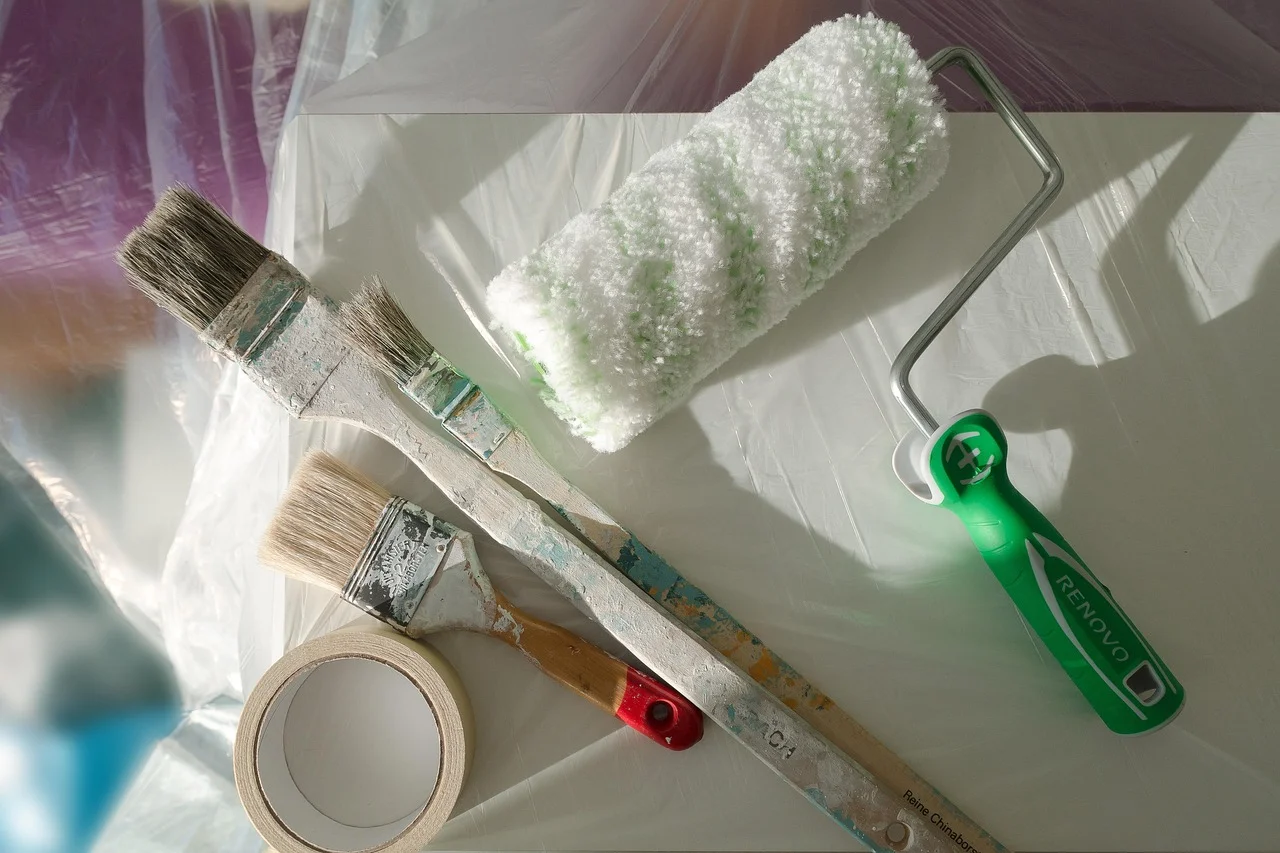
Tools You’ll Need
- Mild detergent or TSP substitute
- Scraper or putty knife
- Sandpaper (120-grit and 220-grit)
- Sanding sponge
- Tack cloth or lint-free rags
- Denatured alcohol (optional)
- High-quality synthetic paintbrush
- Foam roller and tray
- Bonding primer
- Exterior paint
- Gloves and eye protection
Dealing with Fiberglass Doors That Have a Wood Grain Texture
Many fiberglass doors are designed to look like real wood. They have a molded-in grain pattern. This can be beautiful.
Painting these doors requires a little extra care. When you sand, always sand in the direction of the wood grain. This helps maintain the embossed texture.
When applying primer and paint, use a brush and roller that work with the grain. A good quality synthetic brush can help you lay the paint into the grooves of the grain. A foam roller will cover the raised parts smoothly.
Don’t overwork the paint in the grain details, as this can make them look less natural.
If your door is actually metal rather than fiberglass, the approach is different — see our guide on staining metal to look like wood for the gel-stain and graining-tool technique that works on a bare metal surface.
If you want to enhance the wood grain look, you can try techniques like a faux wood stain over the primer or base coat. However, for a simple paint job, focusing on smooth application within the grain is usually enough. The key is to follow the natural lines of the door’s design.
It’s easy to get too much paint in the deep parts of the grain. This can make the texture look filled in and muddy. Try using a brush that’s slightly smaller than the width of the grain lines.
This gives you more control. Then, use a roller on the raised parts to smooth them out.
After painting, step back and look at the door from different angles. Does the paint look even? Are the grain details still visible?
If a groove looks a bit too filled, you might be able to gently brush some excess paint out while it’s still wet. But be careful not to create streaks.
What If My Door Has a Different Finish?
Some fiberglass doors have a smooth, molded finish without any wood grain. These are often easier to paint. The sanding process is the same: create a dull surface.
The primer and paint application will be similar too. The main difference is you don’t need to worry about following a wood grain pattern.
For smooth doors, a foam roller is your best friend for achieving a flawless finish. Use long, even strokes. Overlap each stroke slightly.
This ensures you don’t miss any spots. And it helps prevent roller marks.
If your door has decorative panels or glass inserts, you’ll need to mask them off. Use good quality painter’s tape. Press the edges down firmly to prevent paint from bleeding underneath.
Remove the tape while the final coat of paint is still slightly wet. This gives you cleaner lines.
Some doors have a very glossy factory finish. This can be the most challenging. You might need to sand a bit more aggressively.
Or use a specialized primer designed for plastics and glossy surfaces. Always check the primer can. It should state if it’s suitable for slick or glossy materials.
When Is Painting Not the Best Option?
While painting a fiberglass door is usually a great idea, there are times when it might not be. If the door is badly damaged, with deep cracks or delamination (where layers are separating), painting won’t fix it. You might need to replace the door.
Also, some fiberglass doors come with special finishes. Like metallic coatings or unique textures. These might not take paint well.
Or painting over them could ruin their intended look. If you’re unsure, test a small, inconspicuous area first. Or consult the door manufacturer.
If the door is heavily faded and chalky, and you haven’t removed all the chalking, paint will not stick. Chalking is a sign that the surface material has broken down. You need to remove every bit of that chalky residue.
Sometimes, this means very aggressive cleaning and sanding. If you can’t get it all off, the paint job won’t last.
Another factor is time. Painting is not a quick job. It requires thorough prep.
If you’re in a hurry, you might be tempted to skip steps. This is a recipe for disaster. If you don’t have the time to do it right, it might be better to wait.
When to Reconsider Painting
Severe Damage: Cracks, gouges, or delamination.
Unusual Finishes: Special coatings that might not accept paint.
Persistent Chalking: If you can’t remove all chalking after cleaning.
Lack of Time: If you can’t commit to proper prep and drying times.
Very Old Doors: Some older doors might have composite materials that react poorly to paint.
What This Means for Your Front Door
Painting your fiberglass door can dramatically change your home’s curb appeal. It’s a project that’s achievable for most homeowners. You can go from a boring white door to a bold statement piece.
Or a muted, elegant tone that complements your home’s exterior.
Knowing the right steps ensures your hard work pays off. You won’t end up with a peeling mess next year. You’ll have a beautiful door that welcomes guests.
Think about the color you love. Imagine it on your entryway. It’s a small change that makes a big impact.
The key takeaway is that preparation is everything. Cleaning, sanding, priming, and using the right paint. These are the pillars of a successful paint job.
Don’t be afraid of the process. Break it down step by step. You’ll be amazed at the result.
When it’s normal? It’s normal when you’ve followed the steps and used the right materials. When it’s concerning?
It’s concerning if you see paint starting to bubble or peel within weeks of painting. This usually means a prep step was missed or the wrong materials were used. Check for any signs of the paint looking dull or chalky prematurely.
A simple check is to rub your finger over the painted surface after a few months. If chalky residue comes off, the paint might not be holding up as well as it should. This could indicate an issue with the paint quality or application.
Quick Tips for a Professional Finish
Here are some extra tips to help you achieve a pro look. Take your time. Don’t rush the drying times between coats.
This is crucial for paint adhesion. Use good quality brushes and rollers. Cheap tools can leave streaks or shed bristles.
Work in good lighting. Natural light is best. This helps you see any missed spots or drips.
If you’re painting a door on its hinges, you can remove the hardware. This makes painting much easier. Mask off any glass panes carefully.
Use painter’s tape designed for straight lines.
If you notice a drip while painting, fix it immediately. Don’t wait for it to dry. Gently brush it out or wipe it away.
It’s much easier to fix wet paint than dried paint. Keep a damp rag handy for accidental marks.
After the paint is dry, inspect the door closely. Are there any areas that need a touch-up? A small brush can be used for these minor fixes.
Make sure the touch-ups blend in well with the rest of the paint.
Paint vs. Refinishing vs. Full Door Replacement: What It Actually Costs
Repainting a fiberglass door is almost always the cheapest way to change its look. The table below compares the three realistic options homeowners weigh when a fiberglass door looks dated or worn.
| Option | Typical Cost | Time Needed | Best For |
|---|---|---|---|
| Repaint (DIY, primer + 2 topcoats) | $50-$120 in materials | 1-2 days, plus cure time | A structurally sound door that just needs a new color or a refresh |
| Professional repaint | $300-$600 labor + materials | 1 day | Homeowners who want the prep done right without doing it themselves |
| Full door replacement | $1,354-$2,057 installed | Half a day to a full day, once ordered | Doors with delamination, deep cracks, or persistent chalking that paint can’t fix |
📊 A new fiberglass entry door installed nationally runs $1,354 to $2,057 – Source: Homewyse, 2026 cost data. A can of bonding primer and exterior paint costs a small fraction of that, which is why replacement is Step 5’s last resort rather than the first option.
Frequently Asked Questions About Painting Fiberglass Doors
Can I paint my fiberglass door a dark color like black?
Yes, you can paint your fiberglass door a dark color. However, dark colors absorb more heat. This can put stress on the door and paint over time, especially in very hot climates.
Consider using “cool color” paints that reflect more sunlight if this is a concern.
What is the best primer for a fiberglass door?
The best primer for a fiberglass door is a high-quality bonding primer. These are designed to adhere to slick or difficult-to-paint surfaces like fiberglass. Look for primers labeled for use on vinyl, plastic, or metal.
How many coats of paint do I need on a fiberglass door?
Generally, two to three thin coats of exterior paint are recommended. This builds durability and provides a rich, even color. Always allow each coat to dry fully before applying the next.
Do I need to sand my fiberglass door before painting?
Yes, sanding is usually required. You need to lightly roughen the surface of the fiberglass so that the primer and paint have something to grip onto. Use medium-grit sandpaper (around 120-grit) to create a dull, slightly textured finish.
What type of paint should I use for my fiberglass door?
You should use an exterior-grade latex or acrylic paint. Look for high-quality paints with a satin, semi-gloss, or gloss finish for durability and ease of cleaning. Ensure the paint is specifically designed for exterior use.
How long does a painted fiberglass door last?
With proper preparation, priming, and painting using high-quality exterior products, a painted fiberglass door can last many years, often 5-10 years or more. Factors like climate, sun exposure, and maintenance will influence its longevity.
Conclusion: Your Beautifully Painted Door Awaits
You now have a clear path to painting your fiberglass door. It’s not hard, but it does require attention to detail. Remember the importance of cleaning, sanding, priming, and using the right paint.
Follow these steps, and you’ll achieve a stunning, long-lasting finish. Enjoy your updated entryway!
Sponsored / affiliate links. As an Amazon Associate I earn from qualifying purchases. I may earn additional commission from eligible campaigns.