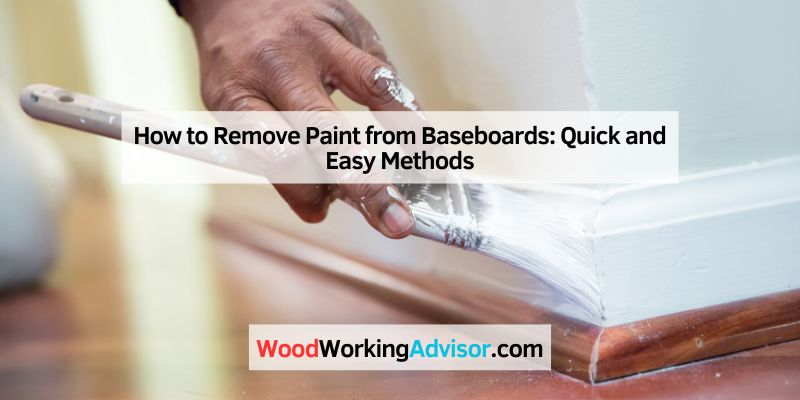
How to Remove Paint from Baseboards: Quick and Easy Methods
Removing paint from baseboards can be tricky, but it’s possible. With the right tools and methods, you can restore your baseboards to their original look.
Baseboards often suffer from paint splatters or layers of old paint. This can make your home look untidy. Whether you’re renovating or just cleaning up, removing paint from baseboards can be a satisfying task. The process might seem daunting, but it’s manageable with patience and the right approach.
This guide will help you understand the steps to take, the tools you’ll need, and tips to make the job easier. You’ll learn how to remove paint without damaging the baseboards. Let’s get started on making your baseboards look fresh and clean again.
Preparation Steps
First, gather all the needed supplies. You’ll need paint remover, a scraper, and some old rags. Get a pair of gloves to protect your hands. Also, have a small bucket of soapy water nearby. This helps clean up any spills.
Cover the floor with an old sheet or some newspapers. This will catch any paint drips. Tape the edges of the sheet or paper to the floor. This keeps it in place. You can also use painter’s tape to protect nearby walls. Make sure everything is covered well.
Safety Measures
Ensure the room has good ventilation. Open windows and doors. Use fans to circulate the air. This helps reduce fumes. It keeps you safe from harmful chemicals.
Wear protective gear. Gloves protect your hands. Safety goggles shield your eyes. A mask helps you breathe safe air. Wear old clothes to avoid stains. These steps keep you safe.
Using Paint Stripper
Start by wearing protective gloves. Open your paint stripper can. Stir the stripper with a stick. Brush the stripper on the baseboard. Cover all the paint. Wait for the stripper to work. Check the time on the can. It usually takes 15 to 30 minutes. The paint will start to bubble.
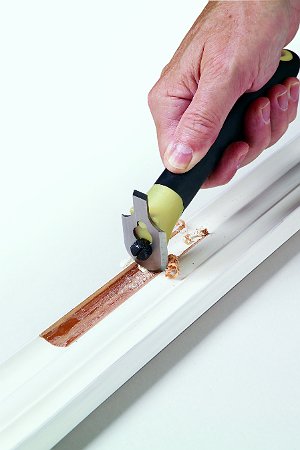
Use a paint scraper. Gently scrape the paint. Work in small sections. Avoid gouging the wood. If some paint remains, apply more stripper. Wait again. Scrape once more. Clean the baseboard with a damp cloth. Remove all paint and stripper residue.

Credit: www.reddit.com
Heat Gun Method
Start by plugging in the heat gun. Turn it to a medium setting. Hold the heat gun a few inches from the paint. Move the gun slowly over the paint. Heat the paint until it softens. Be careful not to burn the baseboard.
Use a paint scraper to gently lift the softened paint. Scrape the paint off in small sections. Work slowly to avoid damaging the wood. Reheat areas where the paint is stubborn. Dispose of the old paint properly. Clean the baseboard with a damp cloth.
Sanding Technique
Pick the right sandpaper. Start with coarse-grit. It helps to remove a lot of paint. Then, switch to medium-grit. This smooths the surface. Finish with fine-grit. This makes the baseboard ready for new paint.
Move the sandpaper in a circular motion. Don’t press too hard. Light pressure works best. Check your progress often. Wipe the dust away. Use a damp cloth. Make sure the baseboard is smooth before stopping.
Chemical-free Options
Vinegar is a great natural cleaner. Mix equal parts of vinegar and water. Soak a cloth in the solution. Wipe the paint off the baseboards. Let it sit for a few minutes. Scrub gently with a soft brush. Repeat if needed. Vinegar is safe for most surfaces.
Baking soda can help remove paint. Mix baking soda with water. It should form a thick paste. Apply the paste to the paint spots. Let it sit for 10 minutes. Scrub with a soft brush. Rinse with water. Dry the baseboards with a towel. Baking soda is safe to use.
Finishing Touches
Use a soft cloth to clean baseboards. Dampen it with warm water. Gently wipe the surface. Avoid scrubbing too hard. This can damage the wood. If you find sticky spots, use mild soap. Wipe again with clean water.
Check for any leftover paint. Small bits can stick. Use a putty knife to remove them. Be careful not to scratch the baseboard. Inspect the corners closely. They often hide tiny bits of paint.
Credit: www.bobvila.com
Preventing Future Paint Build-up
Use painter’s tape to cover the edges. This prevents paint from touching the baseboards. Apply thin coats of paint. Thinner coats dry faster and avoid drips. Always paint in one direction. This helps to get a smooth finish. Clean brushes and rollers before using them. Dirty tools can leave marks.
Dust the baseboards often. Dirt can make paint stick. Use a damp cloth to clean the baseboards. Wipe off any spills right away. Keep an eye on the paint. Touch up any chipped areas quickly. This stops further peeling.
Frequently Asked Questions
How Do You Remove Dried Paint From Trim?
Use a paint scraper or putty knife to gently remove dried paint. Apply a paint thinner or remover for stubborn spots. Clean with a damp cloth.
How To Remove Paint From Wood Without Damaging Finish?
Use a gentle paint stripper for wood. Apply it with a brush, then scrape off the softened paint. Finish by wiping with a damp cloth. Sand lightly if needed, but avoid aggressive sanding to preserve the wood finish.
What Is The Quickest Way To Strip Paint?
Use a paint stripper gel for quick results. Apply it, let it sit, and then scrape off. Always follow safety guidelines.
Can You Sand Paint Off Baseboards?
Yes, you can sand paint off baseboards. Use fine-grit sandpaper for better control and a smoother finish. Always sand in the direction of the wood grain to avoid damage.
Conclusion
Removing paint from baseboards may seem tough, but it’s doable. With the right tools and steps, your baseboards can look new again. Always test a small area first. This prevents damage. Be patient and work slowly. Proper care and attention make a big difference.
Your home will thank you. Enjoy the fresh, clean look. Happy painting!